


Italy is set to approve paid leave for workers caring for sick pets, marking a rare step in European labor law. The government plans to introduce a minimum of three days of paid sick-pet leave, with the possibility of extending to five days for severe cases. This move follows a months-long push by animal-rights groups, trade unions and a handful of forward-thinking companies. The legislation, if passed, would become the first nationwide framework of its kind in the EU, giving employees a legal right to stay home when their dog, cat or other companion animal falls ill. The proposal is already moving through Parliament, and a vote is expected before the end of the year.
What Happened
In late July 2024 the Ministry of Labour unveiled a draft decree that would grant workers up to three paid days off to tend to a sick pet. The draft also outlines a provision for an additional two days when a veterinarian certifies that the animal’s condition requires intensive care. The proposal is part of a broader “well-being at work” package that includes flexible hours and mental-health resources. The Ministry says the measure aims to reduce absenteeism caused by last-minute pet emergencies and to align Italy with emerging social-policy trends in other parts of the world.
Timeline of Key Developments
- March 2024: A coalition of animal-rights NGOs, including Lega Anti Vivisezione, files a petition demanding legal protection for pet owners.
- April 2024: The Italian Confederation of Workers’ Trade Unions (CISL) publishes a position paper supporting paid pet-sick leave, citing studies that show reduced turnover when employees feel their personal lives are respected.
- May 2024: Several multinational firms, such as Nestlé Italy and Enel, announce pilot programs that grant five days of unpaid pet-care leave.
- June 2024: The European Parliament debates a non-binding resolution urging member states to consider pet-care leave, putting pressure on Rome.
- July 2024: The Ministry of Labour releases the draft decree, opening a 30-day public consultation.
- August 2024: Over 12,000 comments are submitted, with the majority backing the proposal; a minority of small-business groups voice concerns about cost.
- September 2024: The draft is revised to include a tax credit for employers who cover the leave, and the revised text is sent to the Senate for review.
- October 2024: A parliamentary committee votes to advance the bill to a full Senate vote, slated for late November.
Why It Matters
Paid pet-sick leave touches on several policy arenas at once. First, it acknowledges the growing emotional bond between Italians and their companion animals; a 2023 ISTAT survey found that 68 % of households own at least one pet, up from 55 % a decade earlier. Second, it could improve workplace productivity. Companies that pilot pet-care leave have reported fewer unexpected absences and higher employee satisfaction scores. Third, the measure may set a legal precedent that other EU nations will watch closely. If Italy succeeds, it could spark a wave of similar legislation across the bloc, reshaping how labor law treats non-human family members.

Background & Context
Italy’s labor code has long included generous provisions for family and health-related leave, but pets have never been mentioned. The country does, however, have a strong tradition of animal protection. The 2017 “Animal Welfare Law” (Law No. 189) criminalized animal cruelty and mandated proper veterinary care, reflecting a societal shift toward recognizing animals as sentient beings.
Internationally, a handful of jurisdictions have already moved in this direction. In 2022, the state of Washington in the United States approved up to five days of paid pet-care leave for employees of companies with more than 50 workers. In 2023, the Japanese city of Osaka introduced a three-day paid leave for pet owners, funded through a municipal grant. These examples have fueled advocacy groups in Italy, who argue that the country should not lag behind its peers.
Economically, the pet-care market in Italy is booming. According to Euromonitor, spending on pet food, veterinary services and accessories reached €4.2 billion in 2023, a 9 % increase from the previous year. The sector employs roughly 120,000 people, many of whom are frontline staff in clinics and retail stores. Proponents claim that paid leave could also benefit these workers by stabilizing demand for services.
Confirmed vs Unconfirmed
- Confirmed: The Ministry of Labour will submit the final decree to the Senate by early October 2024.
- Confirmed: The draft includes a tax credit of up to €300 per employee for companies that fund the leave.
- Unconfirmed: Whether the law will apply to part-time workers remains under discussion; the current draft only mentions “full-time employees”.
- Unconfirmed: Some regional governments have hinted at adopting complementary measures, but no formal proposals have been filed yet.
- Unconfirmed: The exact cost to the national treasury has not been disclosed; early estimates range between €15 million and €30 million annually.
Reactions So Far
Labor unions have largely welcomed the proposal. CISL’s spokesperson, Marco Bianchi, called it “a humane step that respects the reality of modern families”. The General Confederation of Italian Industry (Confindustria) issued a more cautious statement, noting that “the financial impact on small and medium enterprises must be carefully evaluated”.
Animal-rights NGOs celebrated the move as a victory for “companion-animal welfare”. Lega Anti Vivisezione organized a rally in Rome on August 15, drawing an estimated 3,000 participants who waved banners reading “Pets are family too”.
Employers who have already piloted pet-care leave, such as the energy firm Enel, reported that the initiative helped retain staff in regions where turnover had been high. “We saw a 12 % drop in unplanned absences during the pilot”, said Enel HR director Lucia Romano.
Public opinion appears supportive. A poll conducted by the research firm Demos in September showed that 61 % of Italians favor paid leave for sick pets, while only 22 % opposed it.
International observers have taken note. Il Sole 24 Ore highlighted the proposal as “a potential benchmark for European labor policy”.
What Happens Next
The Senate will debate the decree in a series of committee meetings throughout November. If the bill passes both chambers, it will require the President’s signature before becoming law, likely in December. After enactment, the Ministry of Labour will issue detailed guidelines on how employers should document and compensate the leave, including the role of veterinary certificates.
Employers will need to adjust payroll systems to incorporate the new tax credit and to track eligible days. Small businesses may seek exemptions or phased implementation, a possibility that the government has not ruled out. Labor inspectors will be tasked with ensuring compliance, and penalties for non-compliance could include fines up to €10,000 per violation.
Beyond the immediate rollout, the legislation could inspire further expansions of employee rights related to non-human family members, such as paid bereavement leave for pet loss. Advocacy groups have already begun drafting proposals for that scenario.
Will the paid pet-sick leave be paid at full salary?
Yes, the draft specifies that the leave will be compensated at the employee’s regular wage, not a reduced rate.
Does the law apply to all types of pets?
The wording uses “companion animal”, which includes dogs, cats, birds, rabbits and other common household pets. Exotic animals are not explicitly covered.
How many days of leave can an employee take per year?
The base entitlement is three days per calendar year, with a possible two-day extension if a veterinarian confirms a serious health issue.
What documentation is required?
Employees must present a veterinary certificate stating the diagnosis and the expected care period. The certificate must be submitted within 48 hours of taking the leave.
Will small businesses receive any financial support?
The decree includes a tax credit that applies to all employers, but there is no direct subsidy. Small-business groups are lobbying for an additional grant to offset costs.

Related Articles

Get the Fox Bulletin briefing
The stories that matter, in your inbox. No spam, unsubscribe anytime.
Newsletter signup will be available soon.
Related stories
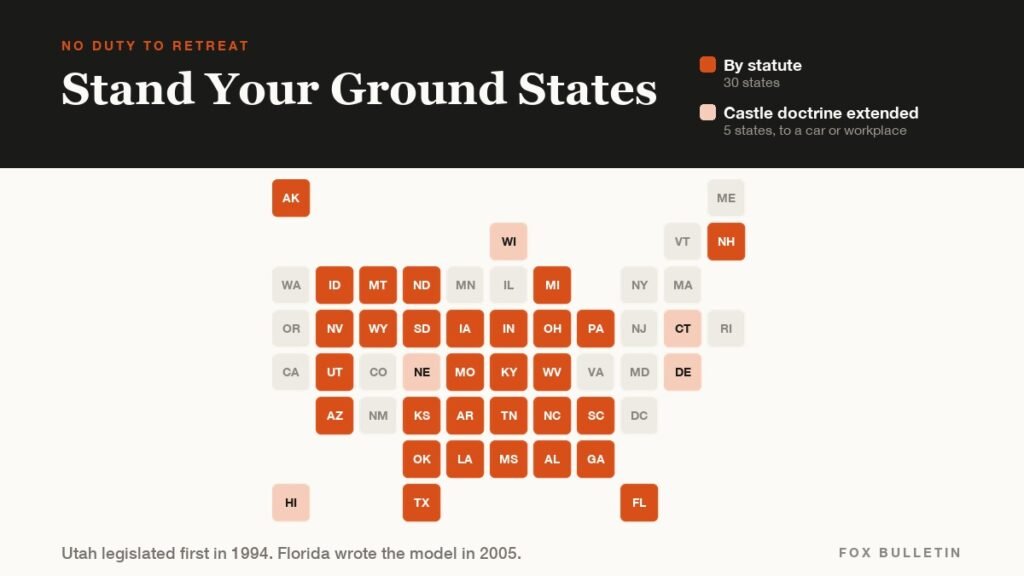
Stand Your Ground States: All 30 and the 5 In Between
Thirty states have removed the duty to retreat by statute. Here is each one with its code section, the five that went partway, and how the doctrine differs from castle doctrine.
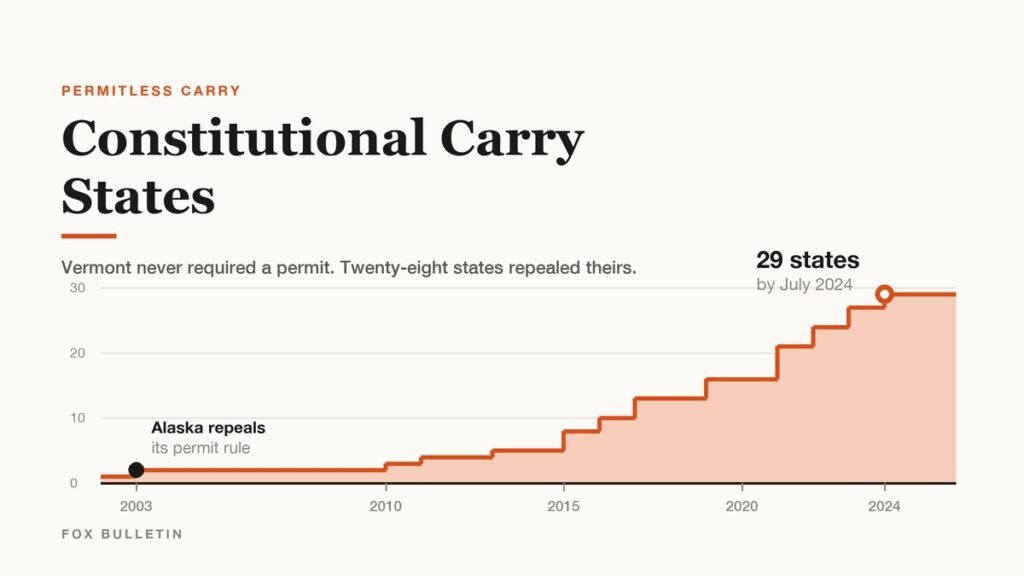
Constitutional Carry States: All 29 and the Limits
Twenty-nine states let a qualifying adult carry a concealed handgun without a permit. Here is when each law took effect, what it does not change, and why permits still matter.
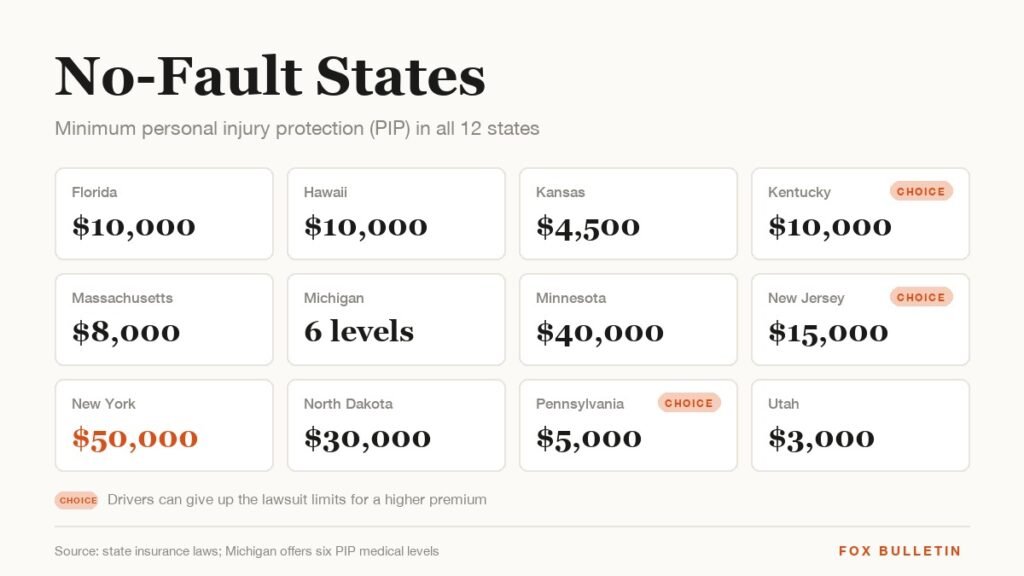
No-Fault States: All 12, With PIP Minimums and Lawsuit Rules
Florida, Hawaii, Kansas, Kentucky, Massachusetts, Michigan, Minnesota, New Jersey, New York, North Dakota, Pennsylvania and Utah use no-fault car insurance. What each requires and when you can still sue.