


The best time to visit Hawaii in 2026 and 2027 is April, May, September or October. Honolulu’s rain is at its lowest in the months from April to October, highs sit between 83 and 89 F, and daily visitor numbers drop well below the summer and winter peaks.
The right month still depends on the trip. Whale watchers want January to March, surf fans want the winter swells, and swimmers want the calm summer water. Honolulu’s monthly weather and the number of visitors on the islands each month point to the quiet, dry stretches, and each island has its own pattern.
When Is the Best Time to Visit Hawaii?
April, May, September and October are the best months to visit Hawaii. Honolulu rainfall runs from 0.77 to 1.51 inches in those months, and September has the fewest visitors of the year, with an average of 189,876 a day. January to March is the better choice for humpback whales.
Best Time to Visit Hawaii by Month: Honolulu Weather and Visitors Per Day
| # | Month | Honolulu high / low | Honolulu rain | Visitors per day, 2025 | What the month suits |
|---|---|---|---|---|---|
| 1 | January | 80.5 / 66.8 F | 1.84 in | 247,179 | Humpback whales at their peak; big north-shore surf |
| 2 | February | 80.5 / 67.1 F | 1.94 in | 240,525 | Whale peak continues; fewer days than other months |
| 3 | March | 81.2 / 68.1 F | 2.36 in | 245,918 | Whales at their peak; Kauai at its wettest; most arrivals of the year |
| 4 | April | 83.1 / 70.1 F | 0.77 in | 232,323 | Rain drops sharply in Honolulu; whales thin out |
| 5 | May | 84.8 / 71.5 F | 0.82 in | 210,695 | Dry and lighter on crowds; whale season ends in early May |
| 6 | June | 86.9 / 73.8 F | 0.50 in | 253,815 | Driest Honolulu month; busiest month of the year; hurricane season opens on June 1 |
| 7 | July | 88.1 / 75.1 F | 0.52 in | 249,160 | Dry, warm and busy; calm summer swimming on most beaches |
| 8 | August | 88.8 / 75.6 F | 0.84 in | 221,073 | Honolulu is at its hottest |
| 9 | September | 88.4 / 74.8 F | 0.88 in | 189,876 | Quietest month; Kahului, Lihue and Hilo are at their hottest |
| 10 | October | 86.9 / 73.9 F | 1.51 in | 198,322 | Second-quietest month; rain starts to build |
| 11 | November | 84.1 / 71.8 F | 2.25 in | 217,412 | Whales return; rain picks up; hurricane season ends on November 30 |
| 12 | December | 81.8 / 69.2 F | 2.18 in | 249,958 | Holiday crowds; wetter weather; whales in the water |
Temperatures and rainfall are 1991 to 2020 averages for Honolulu International Airport. Visitors per day is the average number of visitors present across all islands in 2025.
Dry Season and Wet Season in Hawaii

Hawaii runs on two seasons: summer, called kau, from May to October, and winter, called hoʻoilo, from November to April. Daytime highs at sea level average 85 F in summer and 78 F in winter, with nights about 10 F cooler. The ocean averages 74 F and reaches 80 F in summer.
Rain follows a similar split, though it arrives earlier in spring. Honolulu records 2.36 inches in March and 0.77 inches in April, then stays between 0.50 and 0.88 inches from May to September before climbing to 1.51 inches in October, 2.25 in November and 2.18 in December. Winter rain is very localized, so one side of an island can be soaked while the other stays dry.
- Driest stretch in Honolulu: April to September, never above 0.88 inches a month
- Wettest months in Honolulu: March at 2.36 inches, November at 2.25 and December at 2.18
- Trade winds: blow nearly all the time, with occasional kona weather when the wind shifts to the south or west
Whale Season: November to April
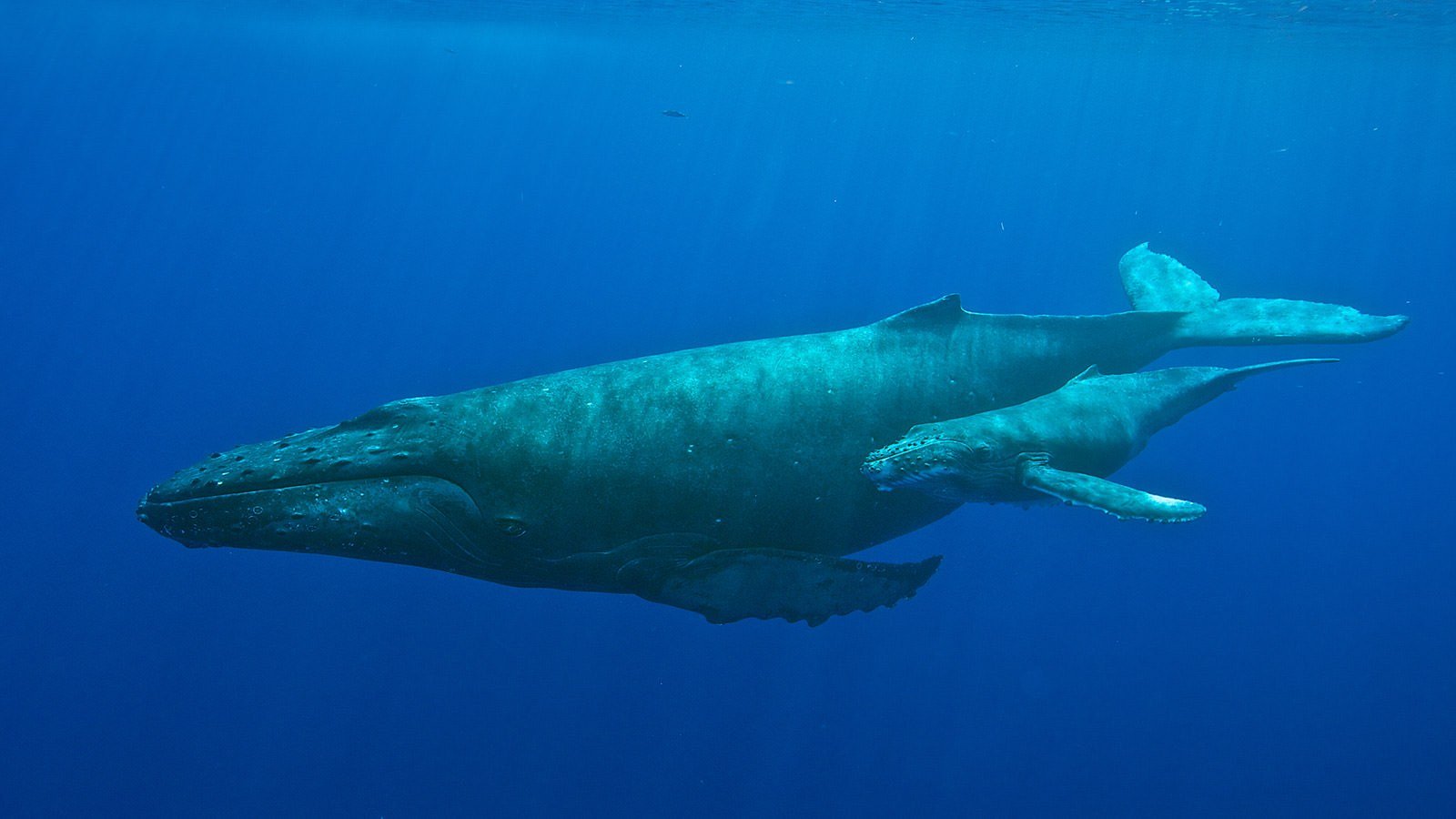
Humpback whales are generally seen in Hawaii from November through April, and sightings peak from January through March. They return from colder feeding grounds each fall, and numbers gradually decline until the season ends in early May.
That makes January and February the strongest whale months, and both fall in the busy part of the year, with an average of 247,179 visitors a day in January and 240,525 in February. March holds the whales and the most total arrivals of any month, at 903,891 for the month. April keeps some whales and cuts Honolulu’s rain to 0.77 inches.
Big Winter Surf and Ocean Safety

Winter storms in the north Pacific send predictable swells to Hawaii. Northern and western coasts get rough from November to March, while southern and eastern coasts stay calm, and the pattern flips in summer. Oahu’s North Shore hosts the Vans Triple Crown of Surfing and the Eddie every winter.
Big swells raise the risk of rip currents, especially where waves break right at the shore, and extreme conditions usually pass within a week. Strong currents can make any beach unsafe at any time of year, particularly in winter, so check with lifeguards and look for warning flags. The National Weather Service in Honolulu issues High Surf Advisories and Warnings for north- and west-facing shores in winter.
Hurricane Season: June 1 to November 30
The Central Pacific hurricane season runs from June 1 to November 30, which overlaps the quiet months of September and October. The Central Pacific Hurricane Center posts outlooks and active storm advisories for the basin throughout those dates.
Most of Honolulu’s driest months, from June to September, sit inside that window, so a trip then means checking the outlook in the week before departure. April and May fall just outside it.
Best Time to Visit Each Hawaiian Island
Each island has its own weather. Average highs and rainfall at the airports in Honolulu (Oahu), Kahului (Maui), Lihue (Kauai) and Hilo (Hawaii Island) show the spread:
| # | Month | Oahu (Honolulu) | Maui (Kahului) | Kauai (Lihue) | Hawaii Island (Hilo) |
|---|---|---|---|---|---|
| 1 | January | 80.5 F, 1.84 in | 82.2 F, 2.42 in | 78.6 F, 2.78 in | 78.7 F, 7.86 in |
| 4 | April | 83.1 F, 0.77 in | 84.5 F, 1.32 in | 79.8 F, 2.03 in | 79.0 F, 9.40 in |
| 7 | July | 88.1 F, 0.52 in | 89.2 F, 0.53 in | 84.6 F, 1.75 in | 82.8 F, 9.24 in |
| 10 | October | 86.9 F, 1.51 in | 88.7 F, 0.83 in | 83.9 F, 3.27 in | 82.4 F, 10.24 in |
Oahu: Honolulu Is Driest in June and July
Oahu drew 5,665,698 air visitors in 2025, the most of any island. Honolulu’s rainfall is lowest in June at 0.50 inches and July at 0.52 inches, and the highs reach 88.8 F in August. North Shore surf peaks in winter, while the south shore is the calmer choice from May to October.
Maui: Kahului Gets Almost No Rain in June
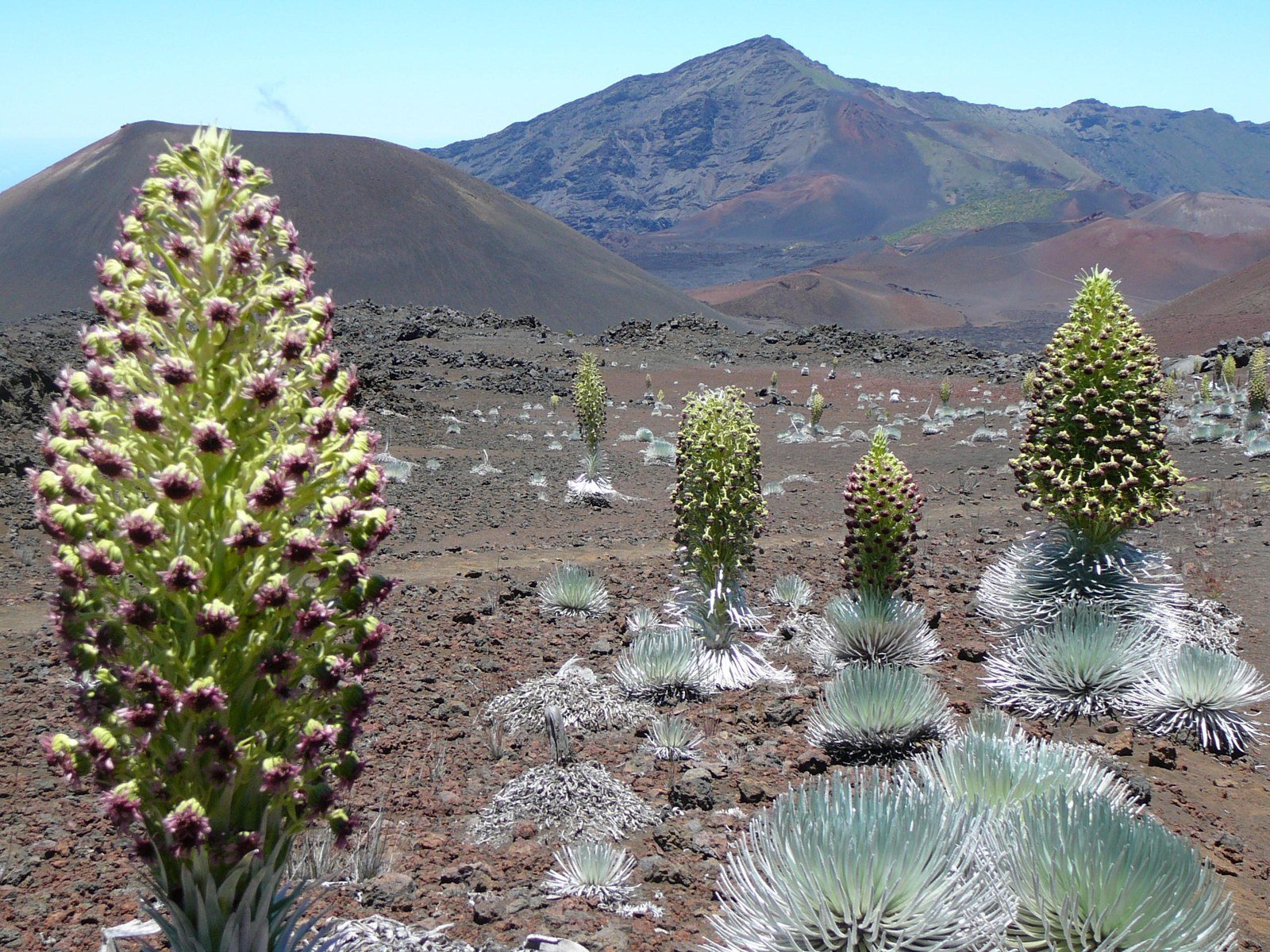
Maui logged 2,531,472 air visitors in 2025, up 7.6 percent on the year before. Kahului receives 0.17 inches in June, 0.45 inches in September and 0.71 inches in May, and its highs peak at 90.0 F in September. December is the wettest month at 2.80 inches.
Kauai: Wettest in March, Driest in July

Kauai had 1,407,632 air visitors in 2025. Lihue is wetter than Honolulu or Kahului in every month: March averages 5.61 inches, December 4.64 and July 1.75, the lowest. Highs stay in a tight band from 78.1 F in February to 85.3 F in September.
Hawaii Island: Hilo Is Wet All Year

Hawaii Island, also called the Big Island, took 1,724,952 air visitors in 2025. Hilo never records less than 6.99 inches in a month, and November reaches 14.39 inches, so a trip built around the Hilo side should plan for rain in any season. Highs run from 78.4 F in February to 83.3 F in September.

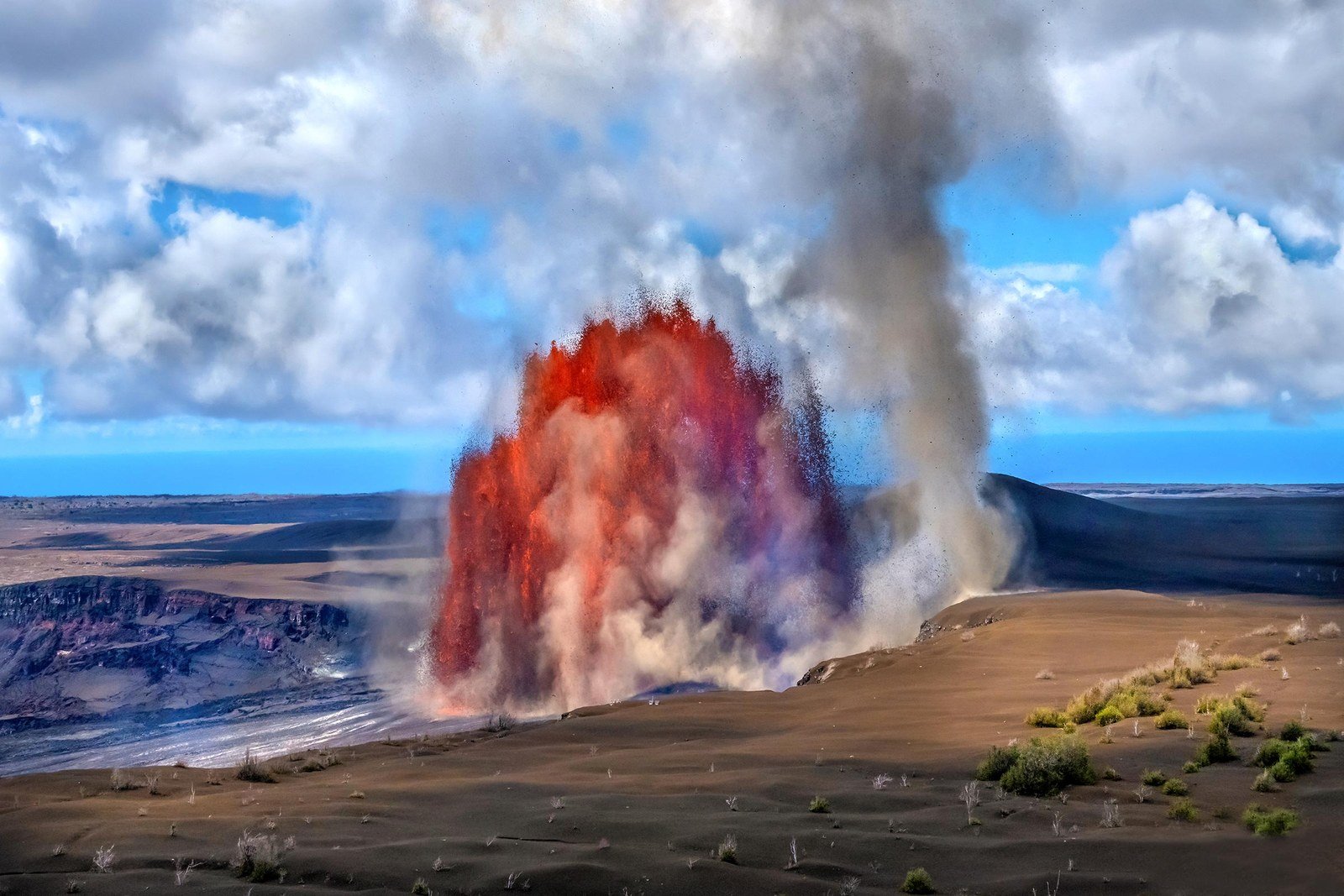
Hawaii Volcanoes National Park, on the island, is run by the National Park Service.
Visitor Numbers by Month in 2025
Hawaii received 9,645,161 visitors in 2025, who stayed an average of 8.66 days. The busiest month by daily average was June at 253,815 visitors a day, followed by December at 249,958 and July at 249,160. The quietest were September at 189,876, October at 198,322 and May at 210,695.
- Under 200,000 a day: September at 189,876 and October at 198,322
- 200,000 to 230,000: May at 210,695, November at 217,412 and August at 221,073
- Over 230,000: April at 232,323 and every month from December to March, plus June and July
December 2025 averaged 249,958 visitors a day, 6.6 percent below the 267,542 of December 2024.
How to Choose Your Month in Hawaii
- Fewest people: September, October or May, at 189,876, 198,322 and 210,695 a day
- Least rain in Honolulu: June, July and May, at 0.50, 0.52 and 0.82 inches
- Humpback whales: January to March, with November to April as the wider window
- Winter surf to watch: November to March on the north and west shores
- Calm swimming: May to October on most beaches
- Warmest weather: August in Honolulu at 88.8 F, September on Maui, Kauai and Hawaii Island
Flights are a large part of the budget, and the cheap flights guide covers how to find the lowest fares. A weather app helps in the week before departure, and the best weather apps include radar and alerts.
Frequently Asked Questions
What is the rainy season in Hawaii?
Winter, from November to April, is the wetter half of the year, with the wettest months running from November to March. Rain is very localized, so the dry leeward side of an island can stay sunny while windward areas get wet. Hilo is wet all year, with at least 6.99 inches in every month.
When is the quietest time to visit Hawaii?
September was the quietest month in 2025, with an average of 189,876 visitors a day. October followed at 198,322 and May at 210,695. June had the most, at 253,815 a day.
When does hurricane season start in Hawaii?
The Central Pacific hurricane season runs from June 1 to November 30. The Central Pacific Hurricane Center posts outlooks for the basin during that window.
When can you see whales in Hawaii?
Humpback whales are generally seen from November through April. Sightings peak from January through March and gradually decline until the season ends in early May.
Related Articles

Get the Fox Bulletin briefing
The stories that matter, in your inbox. No spam, unsubscribe anytime.
Newsletter signup will be available soon.