

Comparing the best ai image generators on picture quality alone misses the thing that actually catches people out. Two of the five below publish your images to a public gallery unless you subscribe, and that is a plan setting rather than a privacy toggle. Google’s Nano Banana is the strongest free starting point, Midjourney still wins on style, and Ideogram is the one to pay for if your work should stay yours.
The other thing worth knowing before you start is that the model names have moved. Midjourney is on V8.2, Google ships three Nano Banana tiers rather than one, and Krea now runs its own KREA 2 model alongside everyone else’s. Every price, plan name and feature gate here was read from the vendor’s own pricing page in October 2026 rather than from a comparison site.
| # | Tool | Free tier | Free images private? | Entry paid plan | Best for |
|---|---|---|---|---|---|
| 1 | Google Nano Banana | Yes, in Gemini | Yes | Included with Gemini plans | Starting without paying |
| 2 | Midjourney | No | Not applicable | Plans shown after sign-in | Style and aesthetics |
| 3 | Ideogram | Yes, slow credits | No, gallery is public | $15/month billed annually | Text inside images |
| 4 | Leonardo | Yes, 150 tokens a day | No, creations are public | $12/month | Training your own models |
| 5 | Krea | Yes, 100 units a day | Yes | $5/month billed yearly | Real-time generation |
1. Google Nano Banana: Three Tiers, and the Best Free Option
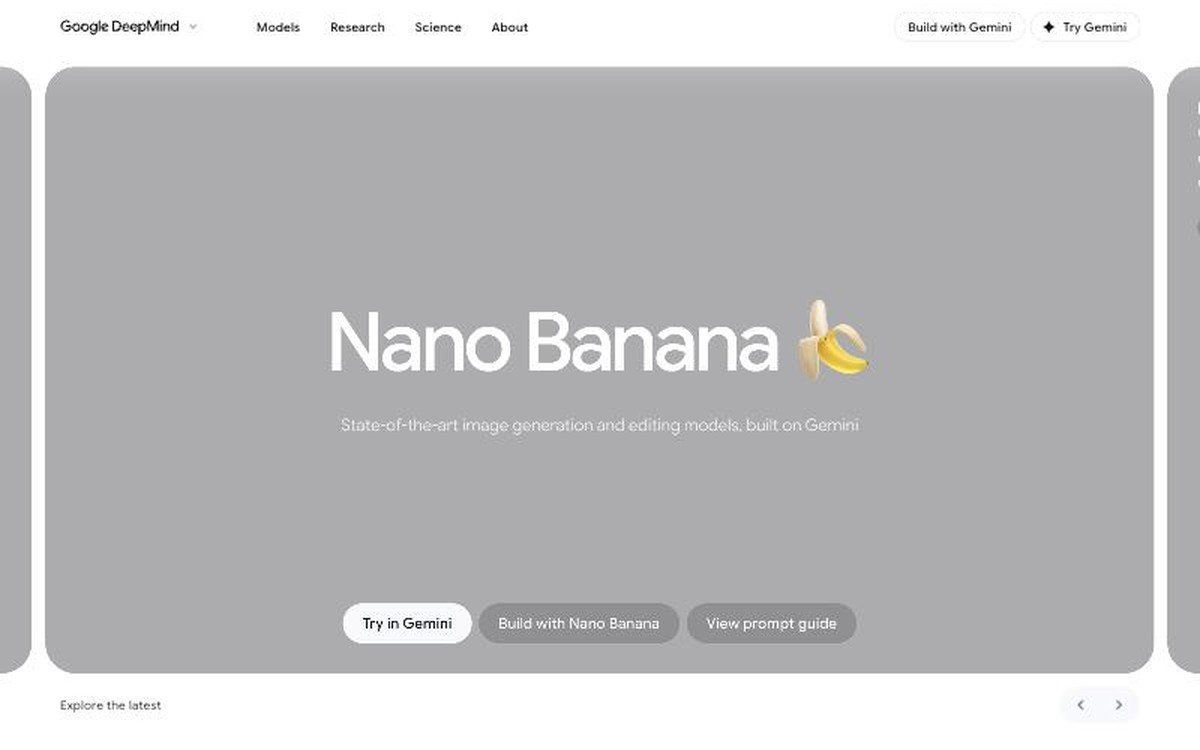
Nano Banana Pro, Nano Banana 2 and Nano Banana 2 Lite · built on Gemini · free to try in the Gemini app · roughly $0.134 per image for the Pro tier through a hosting platform
Google ships three image models under one silly name, and the distinction matters. The Nano Banana family runs from Nano Banana Pro, built on Gemini 3 for what Google calls studio-quality precision and control, through Nano Banana 2, which is Gemini 3.1 Flash Image offering pro-level editing at Flash speed, down to Nano Banana 2 Lite, the fastest and cheapest of the three.
The reason it tops most free comparisons is that you reach it inside the Gemini app without a separate subscription. The models take conversational instructions and accept uploaded images, so editing an existing picture works the same way as describing a new one. If you later want it through an API, third-party platforms list Nano Banana Pro at around 13 cents an image, which places it at the expensive end of the per-image market.
2. Midjourney V8.2: Still the One for Style
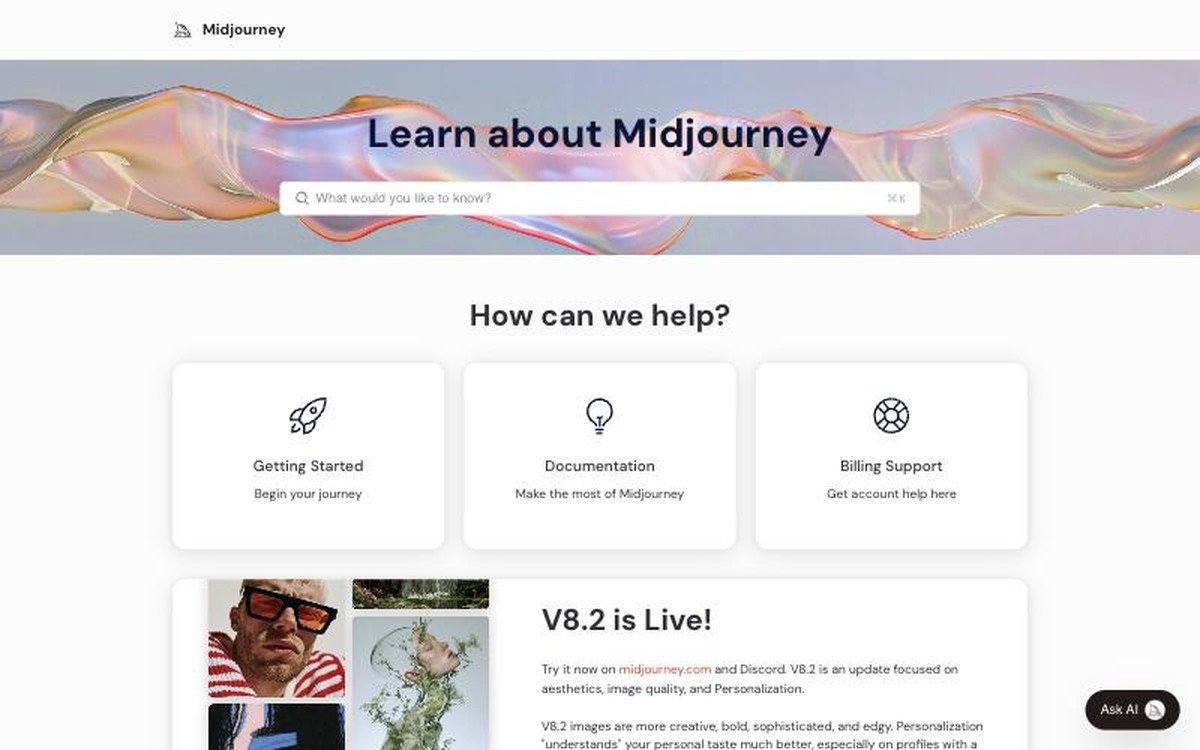
Version 8.2, live now · focused on aesthetics, image quality and Personalization · runs on midjourney.com and Discord · no public pricing page, plans appear after sign-in
Midjourney remains the tool people reach for when the picture has to look like something rather than merely contain the right objects. Its documentation describes V8.2 as an update focused on aesthetics, image quality and Personalization, producing images it characterises as more creative, bold, sophisticated and edgy than before.
Personalization is the feature that separates it from the rest. The system learns your taste from the images you rank, and Midjourney says V8.2 understands that taste considerably better, especially on profiles with a large number of points behind them. The practical catch for anyone comparing costs is that there is no public pricing page any more: plans are shown once you sign in, and the company now presents itself as a research lab of around 60 people rather than as a conventional software business.
3. Ideogram: Readable Text, but Privacy Costs Extra
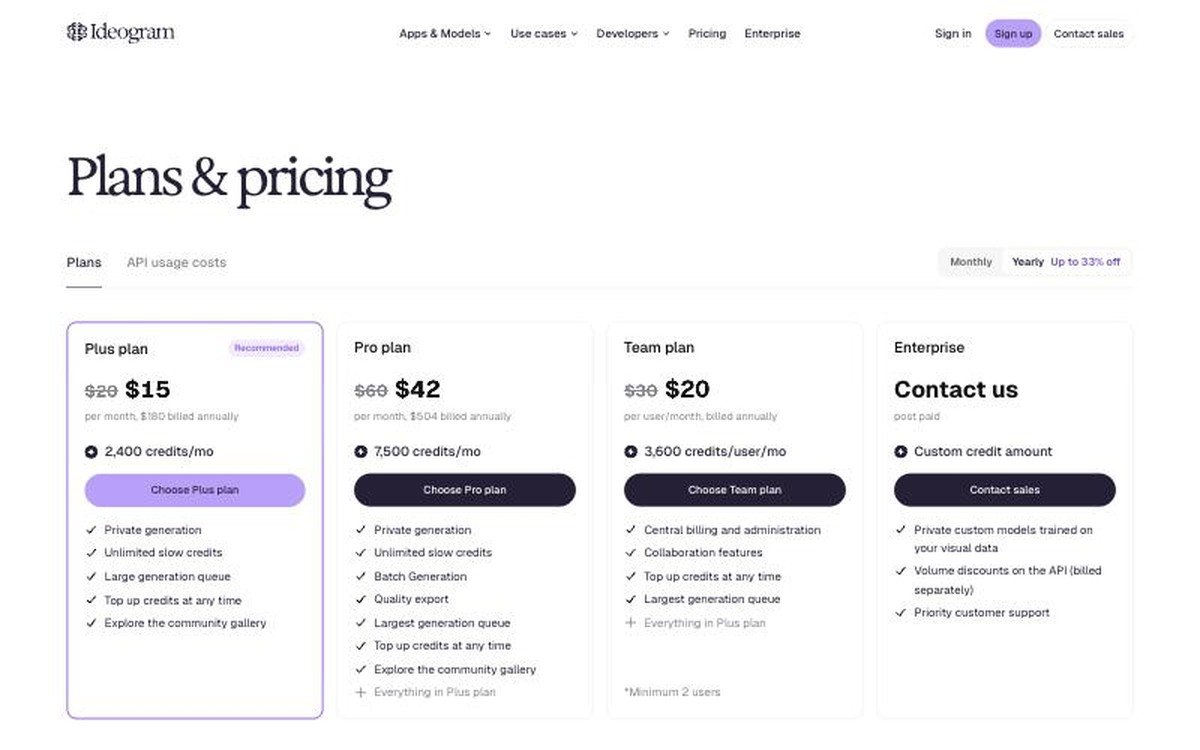
Free tier with weekly slow credits · Plus $15/month billed annually, 2,400 credits · Pro $42, 7,500 credits · Team $20 per user · private generation starts at Plus
Ideogram is the usual answer when the image needs words in it that are actually spelled correctly, and its plan structure is straightforward: Plus at $20 a month or $15 billed annually for 2,400 credits, Pro at $60 or $42 for 7,500, and a Team plan at $30 per user or $20 annually with a two-seat minimum.
The line to read before signing up is private generation. It is listed as a feature of Plus and above, which means free-tier images are not private: the free plan’s own feature list offers exploring the community gallery rather than keeping your work out of it. For personal experimentation that is irrelevant, and for anything client-facing or confidential it is the whole decision. Enterprise goes further and will train private custom models on your own visual data.
4. Leonardo: Free Tokens Daily, Public Creations by Default
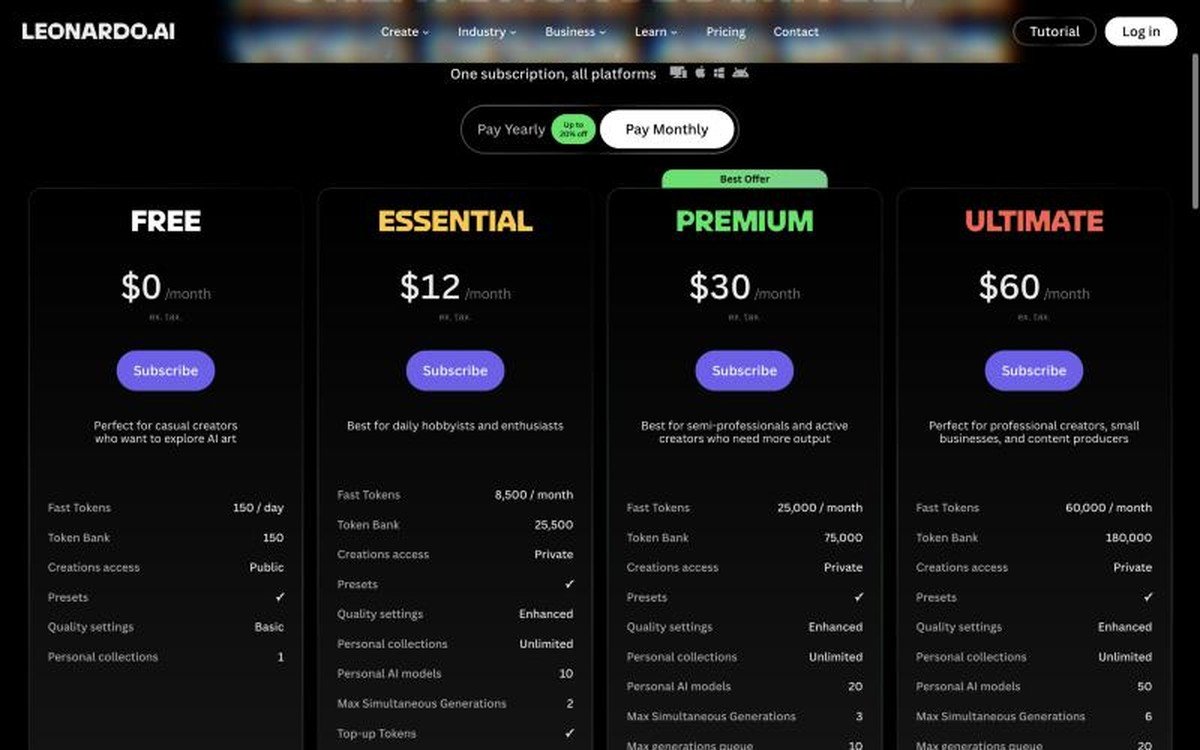
Free $0 with 150 fast tokens a day · Essential $12, 8,500 tokens · Premium $30, 25,000 · Ultimate $60, 60,000 · creations are public on Free and private from Essential · prices ex tax
Leonardo gives away more than most: 150 fast tokens every day on the free plan, which refills rather than running out once. Paid tiers run $12 a month for Essential with 8,500 monthly tokens, $30 for Premium with 25,000, and $60 for Ultimate with 60,000, all quoted before tax, plus a token bank that carries a larger balance than the monthly allowance.
As with Ideogram, the free plan marks creations access as public and every paid tier marks it private. What Leonardo adds further up is custom model training: ten personal AI models on Essential, twenty on Premium and fifty on Ultimate, which is the feature that makes it worth paying for if you need a consistent character or house style rather than one-off pictures. Premium and Ultimate also add unlimited generation at a relaxed pace once your tokens are spent.
5. Krea: Real-Time Generation and Its Own KREA 2 Model
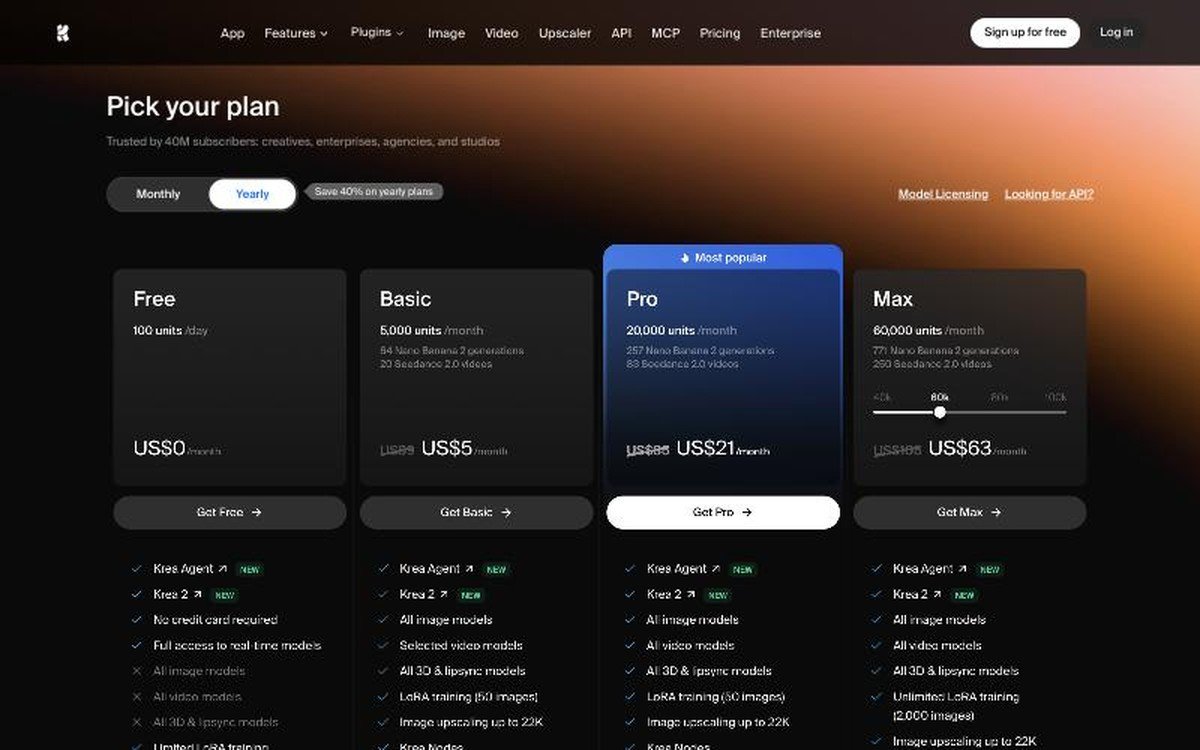
Free 100 units a day, no card · Basic US$5/month billed yearly, 5,000 units · Pro US$21, 20,000 units · Max US$63, 60,000 units · yearly saves 40% · 40M subscribers claimed
Krea’s distinguishing feature is that it generates as you type or draw, which turns prompting into something closer to sketching than to submitting a request and waiting. It now has its own in-house model, KREA 2, alongside an agent that plans and iterates across models for you.
Its plans start free with 100 units a day and no credit card, though the free tier is limited to the real-time models rather than the full library. Basic at US$5 a month billed yearly buys 5,000 units, which Krea puts at about 64 Nano Banana 2 images; Pro at US$21 buys 20,000 units and Max at US$63 buys 60,000. Paying yearly saves 40%, and the commercial licence is listed as a plan feature rather than something you get by default.
Free Does Not Always Mean Private
Two of these five publish your free-tier generations. Ideogram lists private generation as a paid feature and offers free users the community gallery instead. Leonardo is more explicit still, marking creations access as Public on its free plan and Private on every paid one.
This is not a dark pattern so much as how these services subsidise free usage: public output feeds the galleries that attract new users. It does mean that a free account is the wrong place to prototype anything confidential, unreleased or client-owned, and that the cheapest paid tier is often bought for privacy rather than for volume.
- Check for a “private generation” or “creations access” row before uploading anything sensitive.
- Assume free-tier images may appear in a public gallery unless the plan says otherwise.
- A commercial licence and a privacy setting are different things, sold separately.
- Enterprise tiers are usually where custom models trained on your own material appear.
The Model Names Moved Again
Any roundup more than a few months old is describing a different product line. Midjourney is on V8.2. Google splits Nano Banana into Pro, 2 and 2 Lite, which map to Gemini 3 Pro Image and Gemini 3.1 Flash Image respectively. Krea has launched KREA 2 as an in-house model rather than only reselling others.
The practical consequence is that comparing on model version is a losing game, because the versions turn over faster than anybody can publish. Comparing on plan terms is far more stable: what a tier costs, how many generations it buys, whether output is private, and whether you may sell the result. Those change slowly. Our AI video generator comparison reaches the same conclusion about moving targets, and a decent colour-accurate monitor matters more than the version number when judging output.
How These Five Were Checked
Each plan name, price, credit allowance and privacy setting here was read from the vendor’s own pricing or model page in October 2026. Where a page served prices in a local currency rather than dollars, the figures were left out instead of being converted, which is why no price appears for one or two features.
Midjourney, Ideogram and Leonardo all refuse automated requests, so their pages were read in a browser and the outbound links in this article point at sources that do not block readers. No tool was ranked on output quality, which depends too much on prompt and taste to put in a table. The comparison is on what you pay, what you get and what you are allowed to do with it. If you want the background on how these systems work at all, Wikipedia’s text-to-image model overview is a reasonable primer.
How to Pick From the Best AI Image Generators
Start free with Google’s Nano Banana in the Gemini app. It costs nothing, it keeps your images to yourself, and it is good enough that a lot of people never need anything else. If the results are close but the style is wrong, that is the point at which Midjourney earns its subscription, because style is the one thing it is unambiguously best at.
Pay for a specific missing thing rather than for a general upgrade. Ideogram if the image contains words, Leonardo if you need a consistent character and want to train a model on it, Krea if you want to iterate in real time. And if you are working on anything confidential, buy the cheapest paid tier of whichever tool you choose purely to stop the output appearing in a public gallery. A fast machine helps less than people expect, since all five run in the cloud.
- Free and private: Google Nano Banana in Gemini, or Krea’s free tier.
- Words rendered correctly inside the image: Ideogram.
- A consistent character or house style: Leonardo, for its personal model training.
- Pure aesthetics: Midjourney V8.2.
- Iterating fast while you sketch: Krea.
Frequently Asked Questions
Which AI image generator is free?
Google’s Nano Banana models are free to use in the Gemini app, Krea gives 100 units a day with no credit card, Leonardo gives 150 fast tokens daily and Ideogram grants weekly slow credits. Midjourney is the exception with no free tier.
Are free AI image generations private?
Not always. Ideogram sells private generation as a paid feature, and Leonardo marks creations access as public on its free plan and private on every paid tier. Check that specific row before putting anything confidential through a free account.
Can you sell images made with these tools?
It depends on the plan, not the tool. Krea lists a commercial licence as a plan feature rather than a default, and several competitors do the same. Read the licence line on the exact tier you are buying rather than assuming payment covers commercial use.
Which version of Midjourney is current?
V8.2, which Midjourney describes as an update focused on aesthetics, image quality and Personalization. It runs on midjourney.com and on Discord, and the company no longer publishes a pricing page, showing plans after you sign in instead.
Related Articles

Get the Fox Bulletin briefing
The stories that matter, in your inbox. No spam, unsubscribe anytime.
Newsletter signup will be available soon.
Related stories
Best AI Video Generators: 7 Compared on Price and Output
Seven AI video generators compared on cost per second, maximum resolution, native audio and commercial licensing, with Sora gone and three platforms now reselling each other.
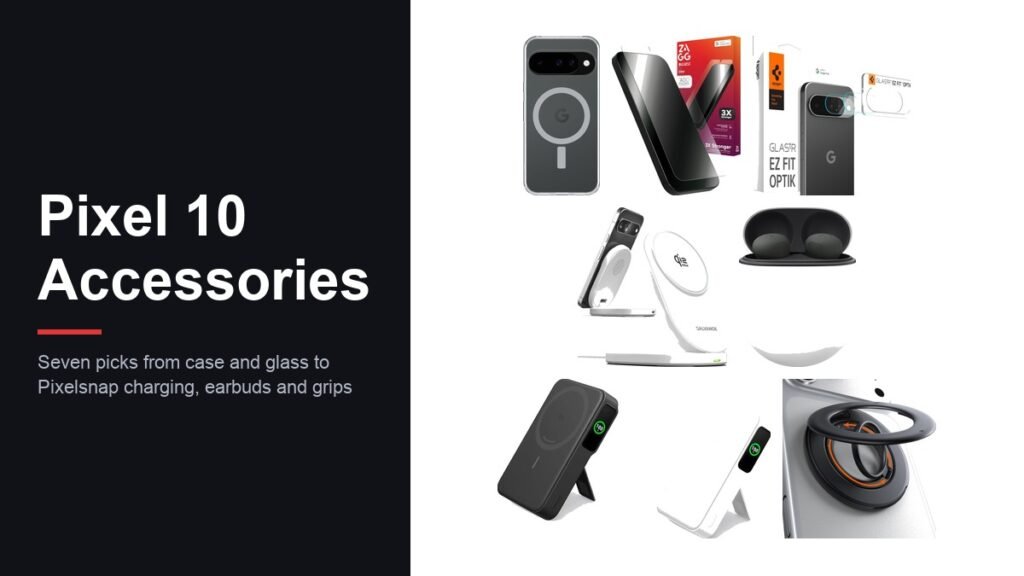
Best Pixel 10 Accessories: 7 Picks From Case to Power Bank
Seven Pixel 10 accessories covering a case, screen and camera glass, a Pixelsnap charging stand, Pixel Buds Pro 2, a magnetic power bank and a grip ring.
Best Pixel 10a Alternatives: 7 Android Phones Compared
Seven alternatives to the Google Pixel 10a compared on processor, battery, display and how long each maker supports the phone, from budget Motorola to the Galaxy S26.