
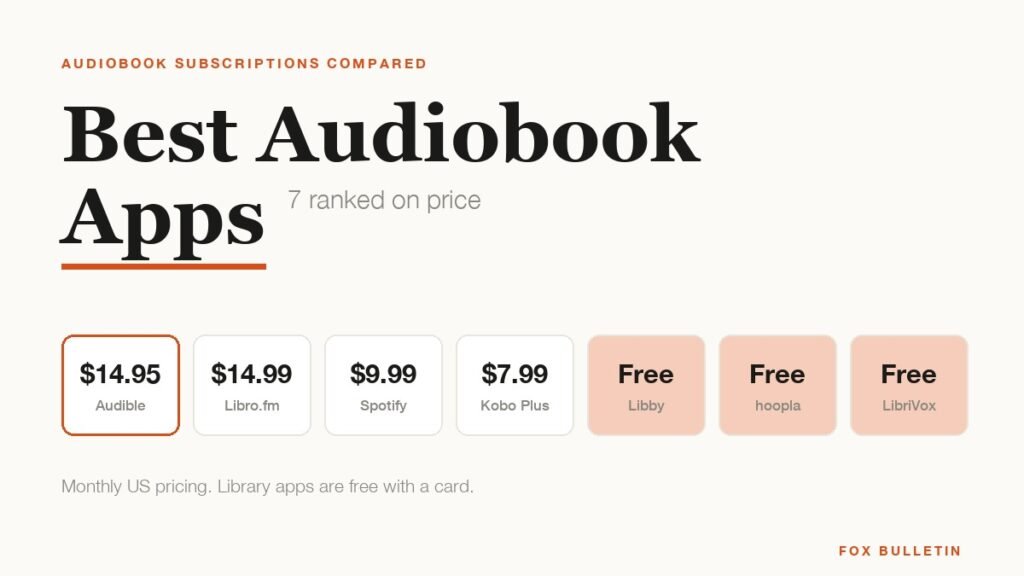
Audiobook apps have split into three different businesses wearing the same coat. Some sell you a book a month that you keep forever, some rent you unlimited listening that disappears when you stop paying, and some are free because your taxes already paid for them. The monthly price tells you almost nothing about which is which.
Every price below was taken from the vendor’s own United States page in October 2026, and the comparison covers what you actually get for the money: catalog size, whether the book stays yours, and what happens when you cancel. Good listening hardware matter less than picking the right ownership model, so that is what this ranking is built around. If you only want the short answer, Audible has the largest catalog and opens with a 30 day free trial, which is long enough to test whether it holds the books on your list.
The 7 Best Audiobook Apps, Ranked on Price and What You Keep
| Rank | App | Monthly Price | How It Works | Best For |
|---|---|---|---|---|
| 1 | Audible | $14.95/mo | 1 credit a month | The widest selection and exclusives |
| 2 | Libro.fm | $14.99/mo | 1 credit a month | Supporting a local bookshop |
| 3 | Spotify | $9.99/mo | 15 listening hours a month | People already paying for Premium |
| 4 | Kobo Plus Listen | $7.99/mo | Unlimited from the Plus catalog | Heavy listeners on a budget |
| 5 | Libby | Free | Library borrowing | Reading current bestsellers for nothing |
| 6 | hoopla | Free | Capped instant borrows | Skipping the wait list |
| 7 | LibriVox | Free | Public domain downloads | Classics and out-of-copyright titles |
1. Audible: The Biggest Catalog and Books You Keep
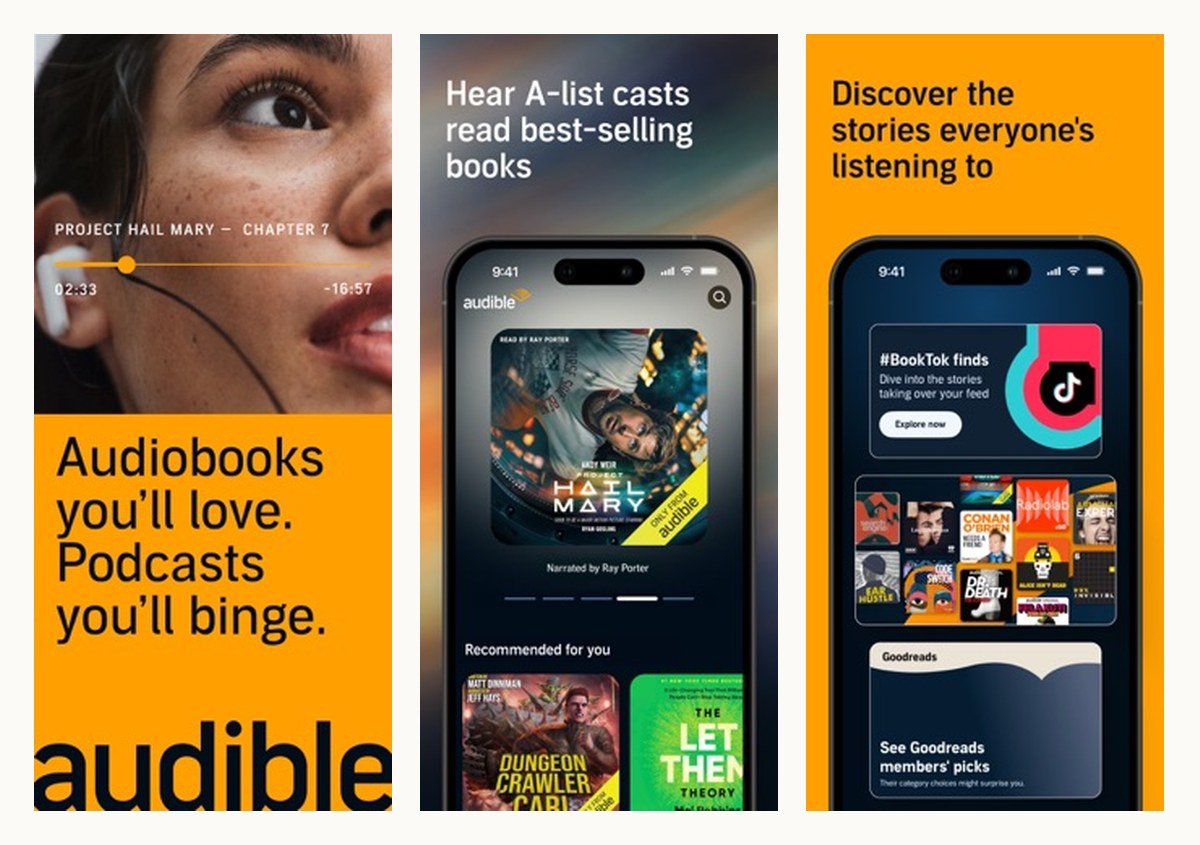
Audible is Amazon’s audiobook service and still the default for most listeners, largely because nothing else matches its catalog. Premium Plus runs $14.95 a month and hands you one credit every month, which buys any title in the store no matter what that title costs on its own. The book is then yours permanently, including after you cancel, which is the single biggest difference between Audible and the all-you-can-listen services below.
Membership also opens an included catalog you can listen to without spending a credit, plus member pricing on anything extra you buy. A cheaper Standard plan at $8.99 a month gives you the monthly credit without that included catalog. Credits expire twelve months after they are issued, so there is no point hoarding them indefinitely, and both plans start with a Audible 30 day trial.
2. Libro.fm: Credits That Never Expire and DRM-Free Files
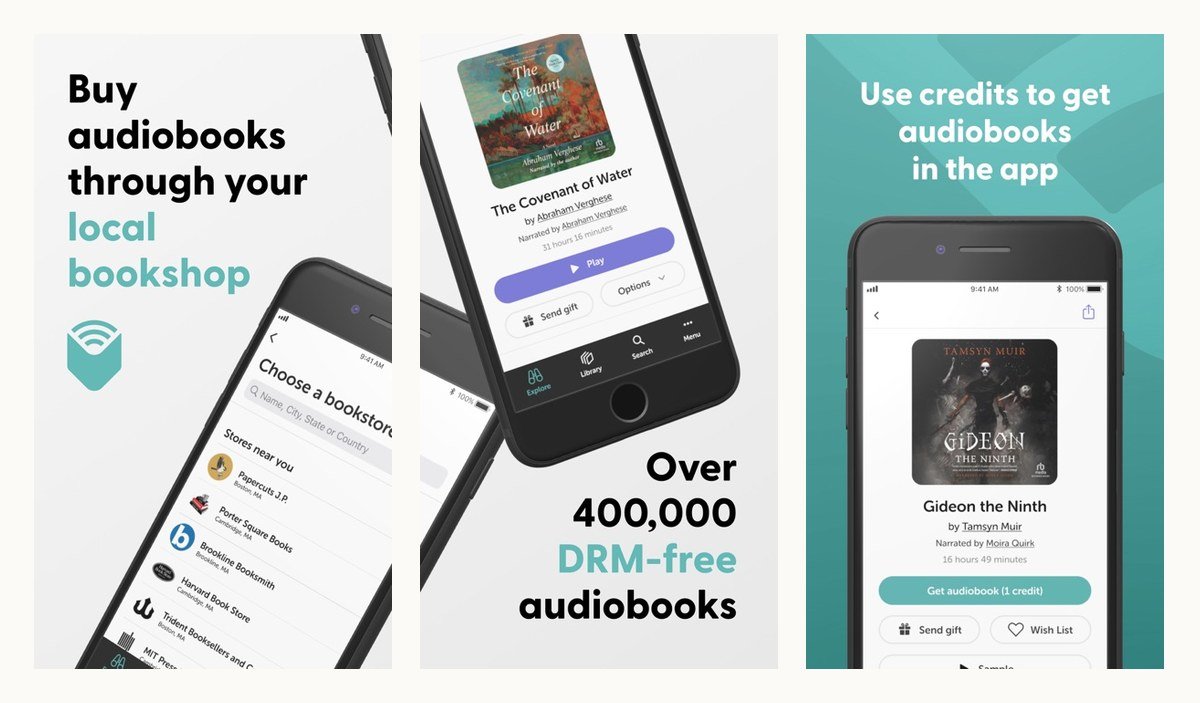
Libro.fm sells the same major-publisher audiobooks as Audible at the same $14.99 a month for one credit, with one structural difference: you pick a local bookshop at signup and that shop earns from everything you buy. For listeners who would rather their audiobook money did not go to Amazon, this is the closest like-for-like swap available.
The catalog runs past 750,000 titles, and two details genuinely beat Audible on the mechanics. Credits never expire, so a month you do not listen is not a month you lose. Downloads are DRM-free, meaning the files play in any app you like rather than only the vendor’s own. A two credit plan runs $23.99 a month.
3. Spotify: Audiobook Hours Bundled With Music
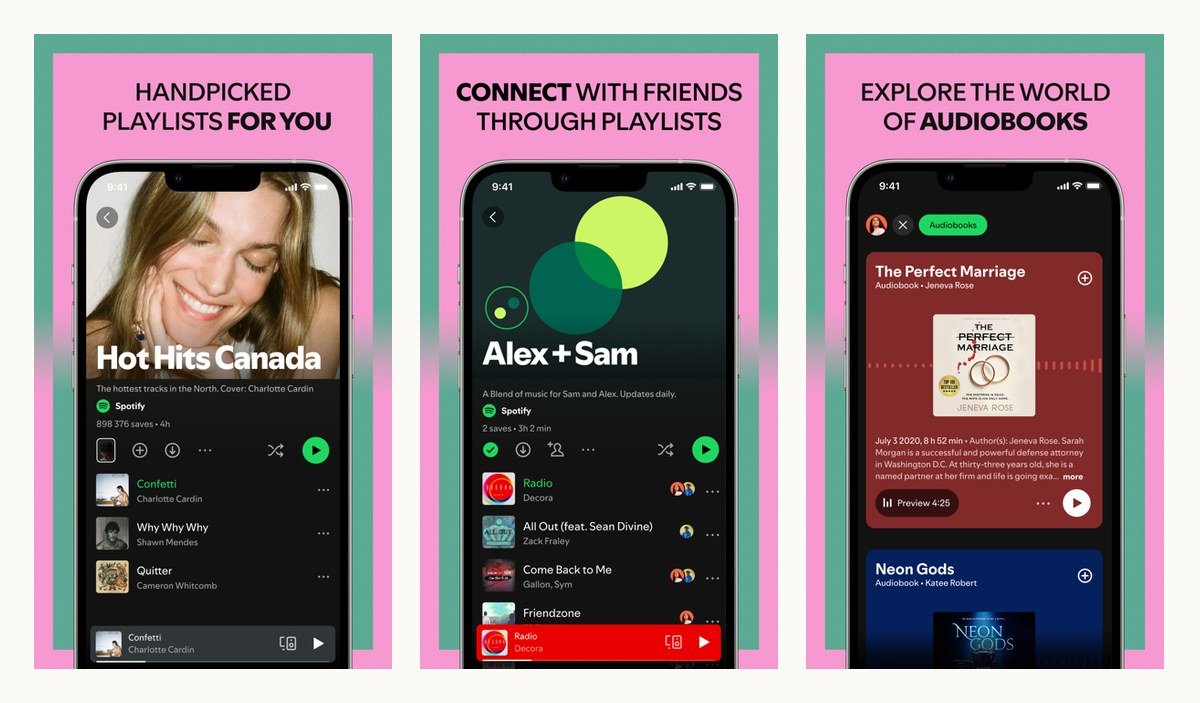
If you already pay for Spotify Premium, you already have audiobooks and may not have noticed. Every Premium tier includes 15 hours of audiobook listening a month drawn from a catalog of more than 700,000 titles, which is roughly one to two full-length books depending on length.
For people who want the books without the music subscription, an Audiobooks Access plan costs $9.99 a month and carries the same 15 hour allowance while leaving music on the ad-supported tier. The limitation worth understanding before you commit: unused hours do not roll over, and running out mid-book means buying top-up hours in 10 hour blocks. It suits one-book-a-month listeners and frustrates everyone else.
4. Kobo Plus Listen: Unlimited Listening for the Least Money
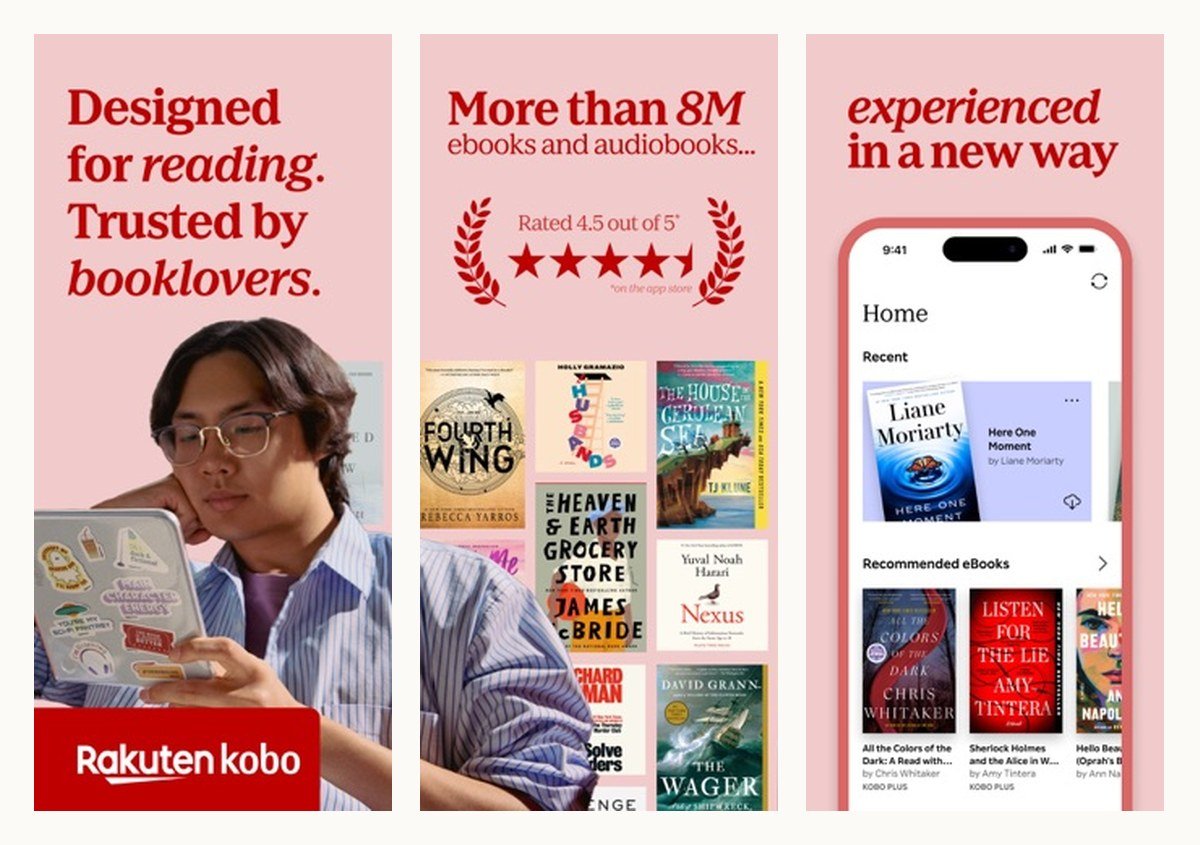
Kobo Plus Listen is the cheapest paid option here at $7.99 a month, and it is the only one of the paid services with no credit arithmetic at all. You listen to as much as you want from the Kobo Plus catalog for a flat fee, in the same way a music subscription works.
The trade is catalog depth. Kobo Plus is a curated selection rather than the entire store, so the specific new release you are chasing may not be in it, and nothing you listen to stays with you after you cancel. A combined Read and Listen plan covering ebooks as well runs $9.99 a month, and both start with a 14 day trial.
5. Libby: A Library Card Turned Into a Subscription
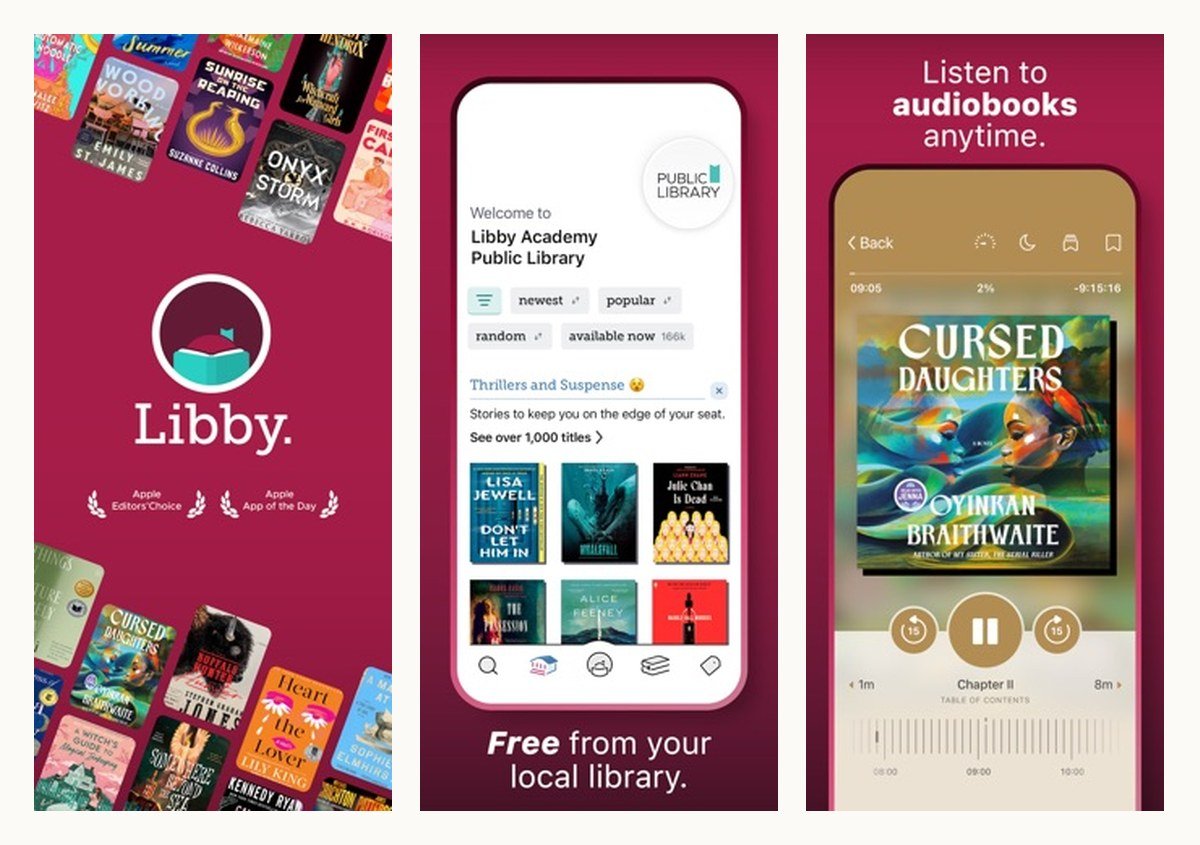
Libby is the app most people do not realize they already qualify for. It is made by OverDrive, the company that supplies digital collections to public libraries, and with a library card it gives you your library’s full audiobook catalog at no cost whatsoever. Not a trial, not a limited tier, genuinely free.
The catalog is real, current and includes bestsellers, because libraries license the same titles the paid services sell. What you trade is immediacy. Popular books have hold queues that can run weeks, loans return themselves automatically after a set period, and the selection depends entirely on what your particular library system has bought.
6. hoopla: Instant Library Borrows With No Hold Queue
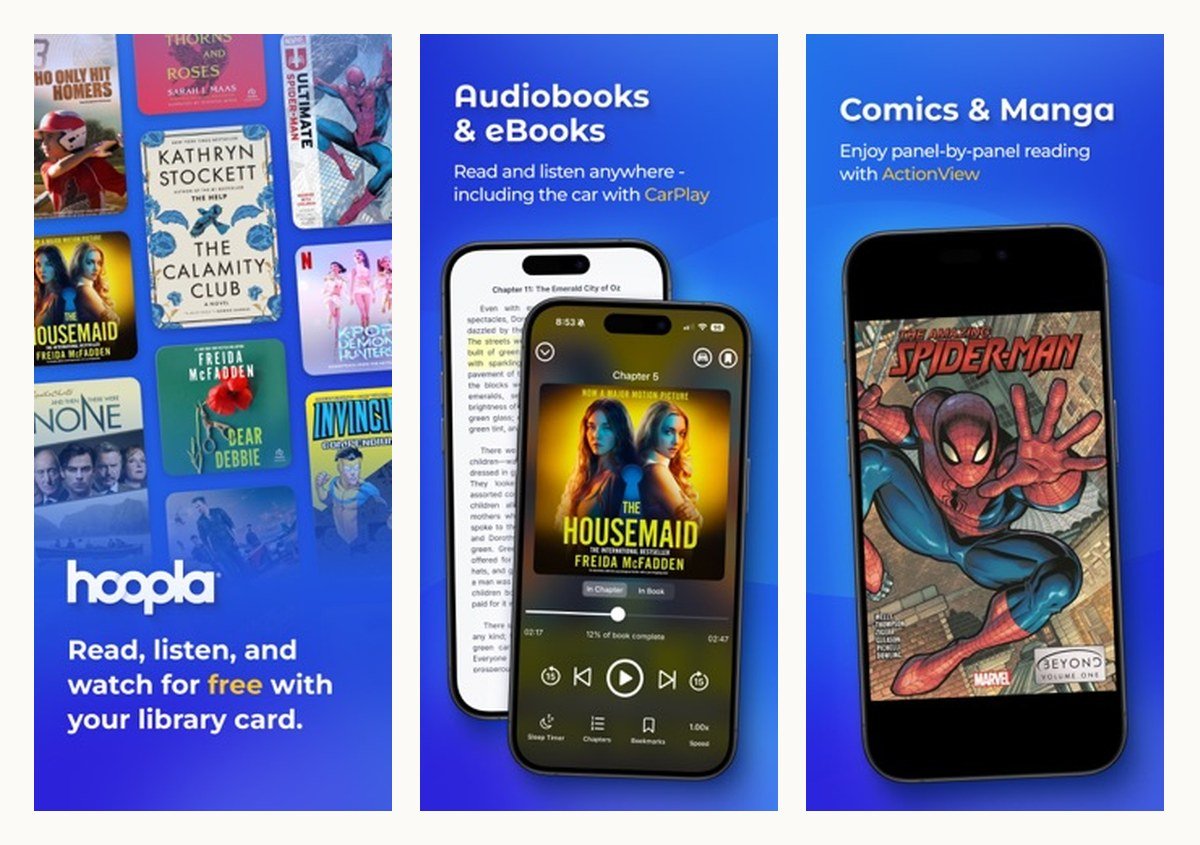
hoopla is the other library app, run by Midwest Tape, and it solves the one problem Libby cannot. There are no holds. Every title in the catalog is available the moment you want it, because the service bills your library per borrow instead of licensing a fixed number of copies.
That billing model is also the catch. Your library caps how many items you can borrow each month, commonly somewhere between six and ten, and when you hit the cap you wait for the calendar to turn over. The catalog also leans more heavily on back catalog and independent publishers than on the current bestseller list. Most people who use both run Libby for new releases and hoopla for whatever they want tonight.
7. LibriVox: Public Domain Classics Read by Volunteers
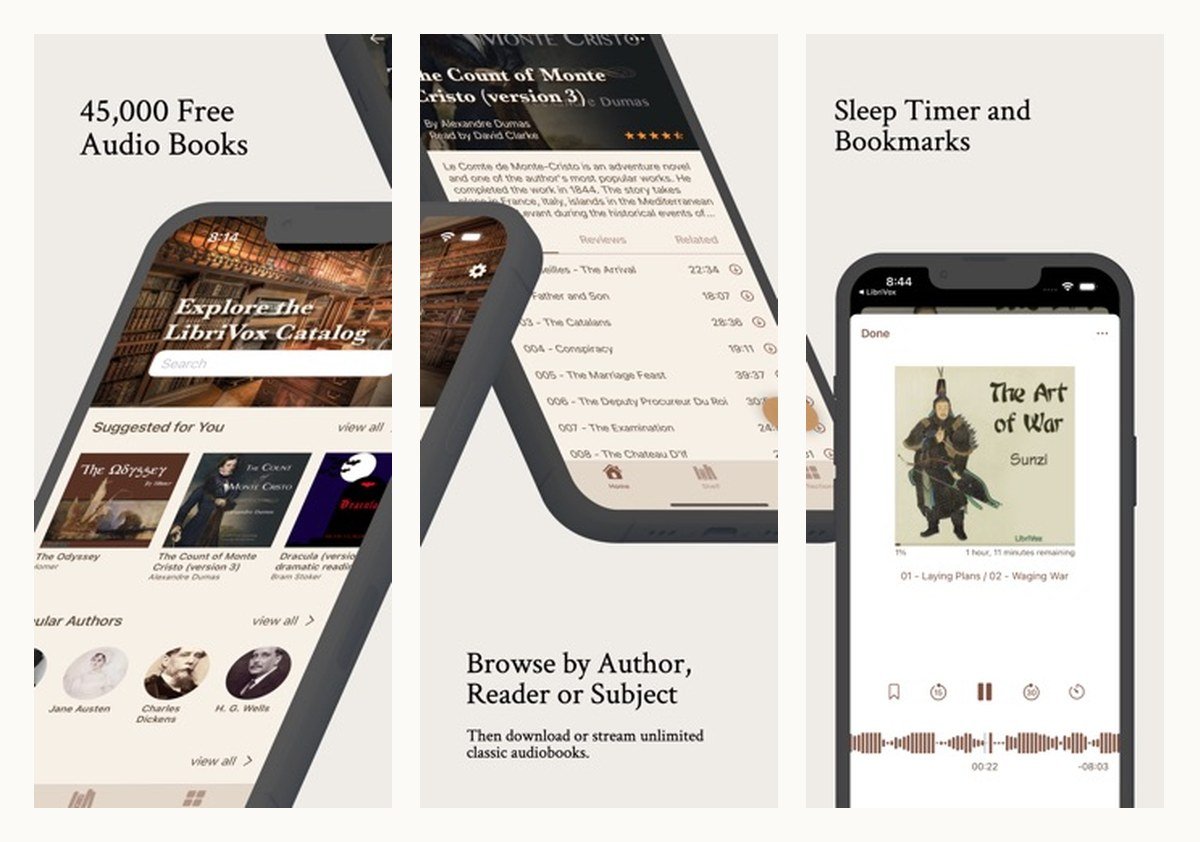
LibriVox is a volunteer project that records books whose copyright has expired and releases the recordings into the public domain. There is no subscription, no account and no advertising, and the files are yours to download and keep. If your listening runs to Austen, Dickens, Conan Doyle, Marcus Aurelius or anything else old enough to be out of copyright, the entire thing costs nothing.
Two honest caveats. Narration is volunteer work and quality varies considerably between recordings, sometimes within the same book when chapters have different readers. And LibriVox itself does not publish an official mobile app, so the catalog is reached through the website or through third party apps that index it. Source texts come from Project Gutenberg and the Internet Archive.
Credits, Unlimited Access and Borrowing Are Three Different Deals
Nearly every complaint about audiobook subscriptions traces back to someone buying one model while expecting another. There are only three, and the difference decides what you own at the end.
- Credit services (Audible, Libro.fm) sell you roughly one book a month at a fixed price. The book is permanently yours. This is buying, on a payment plan.
- Access services (Kobo Plus, Spotify) rent you listening from a catalog. Cancel and the library empties. This is renting, and it is cheaper per hour if you listen a lot.
- Library apps (Libby, hoopla) lend you titles your local library already licensed. You own nothing and you pay nothing.
A listener who finishes four books a month is throwing money away on a credit plan. A listener who finishes one carefully chosen book a month and wants to keep it is throwing money away on unlimited access. Count your actual finished books over the last three months before you pick.
What a Year of Audiobooks Actually Costs
Monthly prices flatten out differences that only show up annually, and the gap between the top and bottom of this list is wider than it looks.
- Audible Premium Plus: about $179 a year, and you finish the year owning twelve audiobooks.
- Libro.fm: about $180 a year for twelve owned audiobooks, with credits that do not expire if you fall behind.
- Spotify Audiobooks Access: about $120 a year for roughly 180 listening hours, owning nothing.
- Kobo Plus Listen: about $96 a year for unlimited catalog listening, owning nothing.
- Libby, hoopla and LibriVox: nothing at all.
Set against a single hardcover audiobook bought outright, which commonly runs $20 to $30, the credit plans are a genuine discount rather than a convenience fee. Stacked next to what video streaming now costs, an audiobook plan is also the cheapest monthly subscription most households carry.
Set against a library card, every paid plan here is a convenience fee, and whether that is worth paying depends entirely on how long your library makes you wait.
Where the Free Library Apps Run Out of Road
The honest case for paying is narrower than the subscription services suggest, but it is real. Libby and hoopla fail in three specific situations.
- A new release you want immediately. Library hold queues on a popular title routinely run several weeks, and hoopla often does not carry the biggest new books at all.
- A book you want to keep and return to. Library loans expire and nothing stays on your device, so reference listening and annual rereads do not work.
- Heavy listening past a monthly cap. hoopla stops at your library’s borrow limit, and Libby stops at whatever your library happened to license.
If none of those three describe you, there is no financial argument for a subscription at all. Start with a library card and only upgrade when you hit a wall you can name.
Matching an App to How Much You Listen
A short version for each kind of listener, assuming you have already tried your library and sorted out the rest of your audio subscriptions:
- One book a month, wants to keep it: Audible, or Libro.fm if the bookshop matters to you.
- Three or more books a month: Kobo Plus Listen, where the flat fee stops punishing volume.
- Already pays for Spotify: use the 15 hours you have before buying anything else.
- Classics and public domain: LibriVox, and spend nothing.
- Patient and price sensitive: Libby for the catalog, hoopla for the nights you will not wait.
Most of the paid services run a trial, which is the only reliable way to find out whether a catalog actually contains the books on your list. Audible runs 30 days and Kobo runs 14. Check for three or four specific titles you intend to listen to before the trial ends rather than browsing in general.
Frequently Asked Questions
What is the best audiobook app overall?
Audible, on catalog size and because the credit model leaves you owning the books. At $14.95 a month it is not the cheapest, and a listener who gets through several books a month will pay less on Kobo Plus Listen, but no other service comes close on selection.
Can you listen to audiobooks free without a trial?
Yes, and it is the single most overlooked option here. Libby and hoopla are free permanently with a public library card, and LibriVox needs no account at all because everything in it is in the public domain. Between them they cover most listening without a subscription.
Do you keep audiobooks after cancelling a subscription?
Only on credit based services. Anything bought with an Audible or Libro.fm credit stays yours after you cancel. Everything on Kobo Plus, Spotify, Libby and hoopla disappears the moment the subscription or loan ends, because you were renting access rather than buying a file.
Is Audible worth it compared with a library card?
It depends on patience. A library card gets you the same bestsellers for nothing if you are willing to sit in a hold queue for a few weeks. Audible is worth $14.95 a month when you want new releases immediately, want to keep what you listen to, or want the exclusives that libraries cannot license.
Related Articles

Get the Fox Bulletin briefing
The stories that matter, in your inbox. No spam, unsubscribe anytime.
Newsletter signup will be available soon.
Related stories
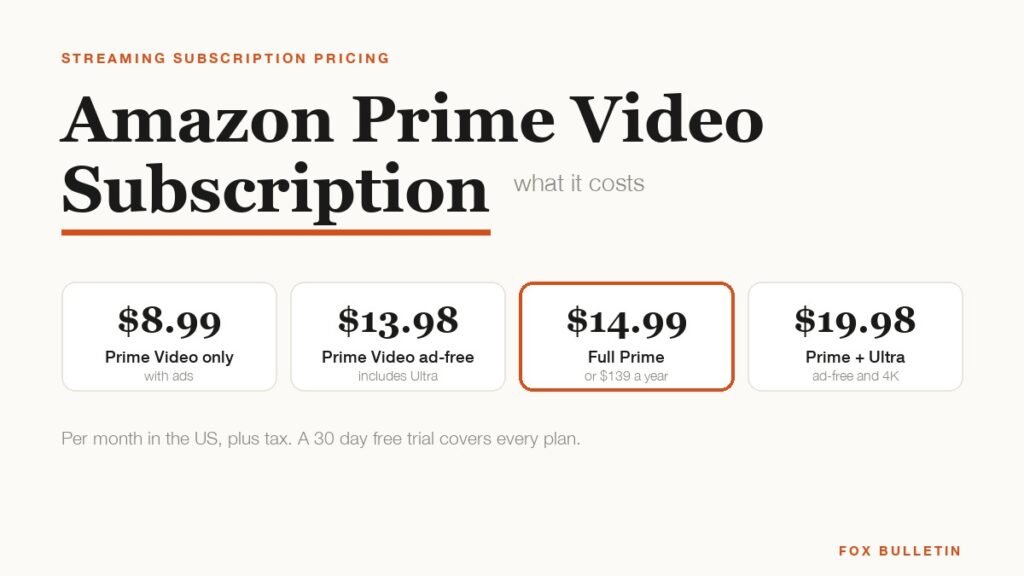
Amazon Prime Video Subscription: What It Costs and What You Get
An Amazon Prime Video subscription costs $8.99 standalone or $14.99 with full Prime, plus $4.99 for ad-free Ultra and 4K. Every plan, the discounted tiers and what the trial covers.
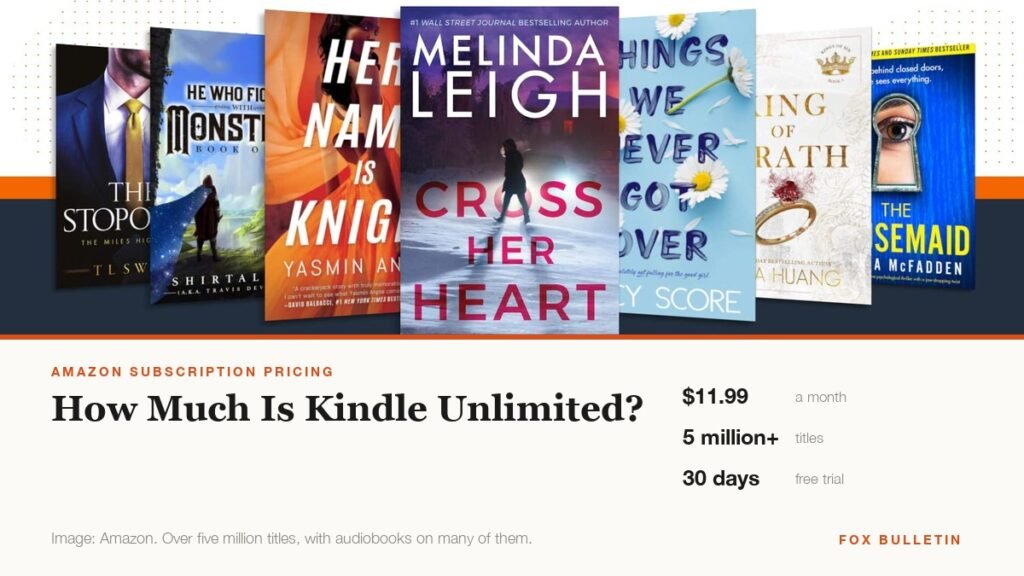
How Much Is Kindle Unlimited? Price, Trial and What You Get
Kindle Unlimited costs $11.99 a month plus tax with a 30 day free trial. What the fee covers, how it differs from Prime Reading, and how to tell whether it pays for itself.
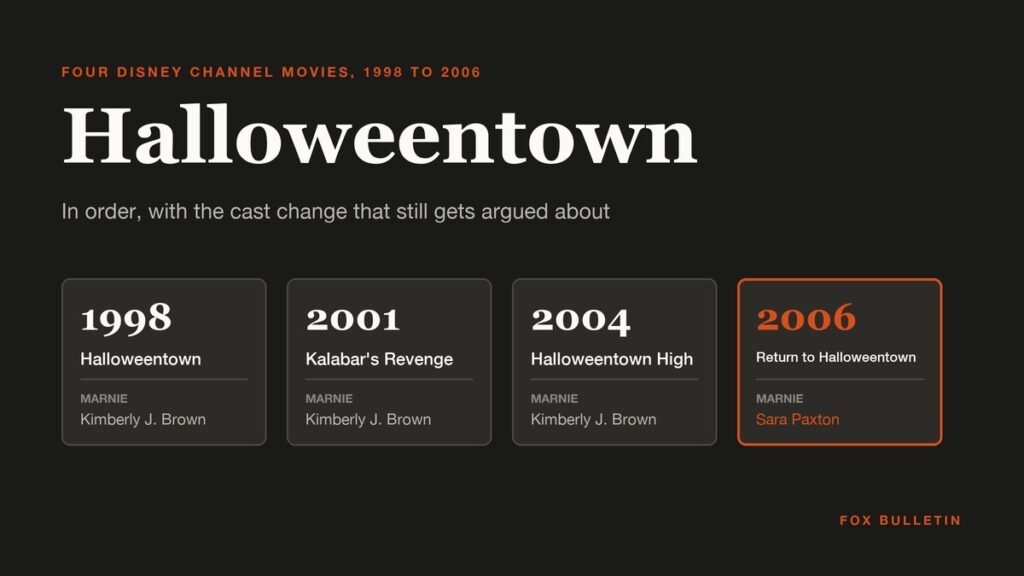
Halloweentown: All Four Movies, the Cast and the Recast
Four Disney Channel movies between 1998 and 2006, one family of witches, and a lead actress swapped out for the finale. Here is the order, the cast and what each film actually did in the ratings.