

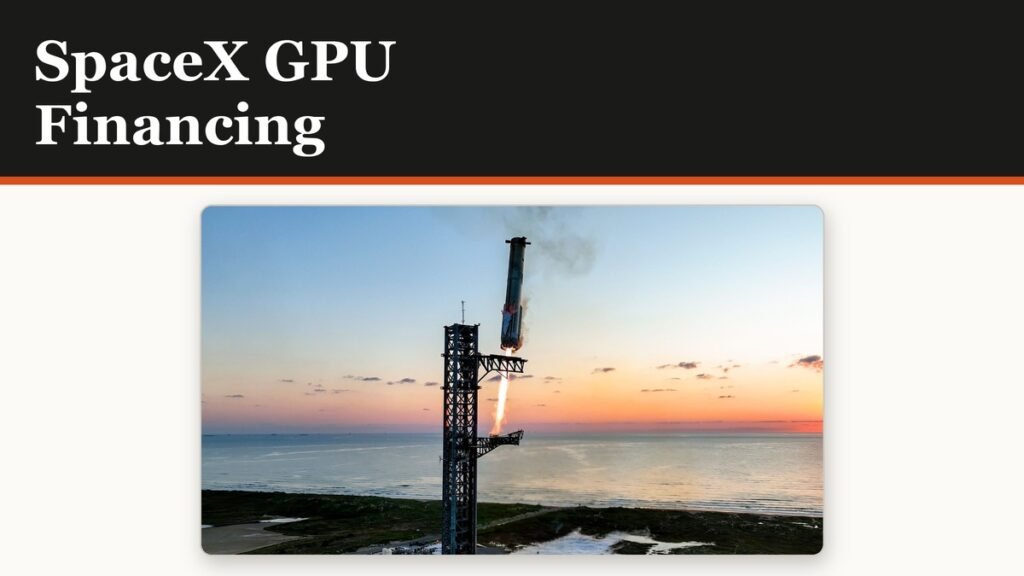
SpaceX GPU financing has reached a size normally associated with governments. Elon Musk said on X on Sunday 25 October that the company had closed the deal, and a regulatory filing the following day described a binding commitment for roughly $40bn of GPU financing with an entity managed by Apollo.
In a follow-up post Musk said the arrangement “primarily consisted of callable debt for graphics processing units”. The chips are expected to arrive in the first and second quarters of 2027.
Why a rocket company needs GPU financing
Because SpaceX is no longer mainly a rocket company by revenue. Its AI business, which the company calls Super Intelligence, is now its largest unit. Third-quarter revenue there came in at $7.56bn, up roughly ninefold from $813m a year earlier, which puts it ahead of Starlink and the launch business together.
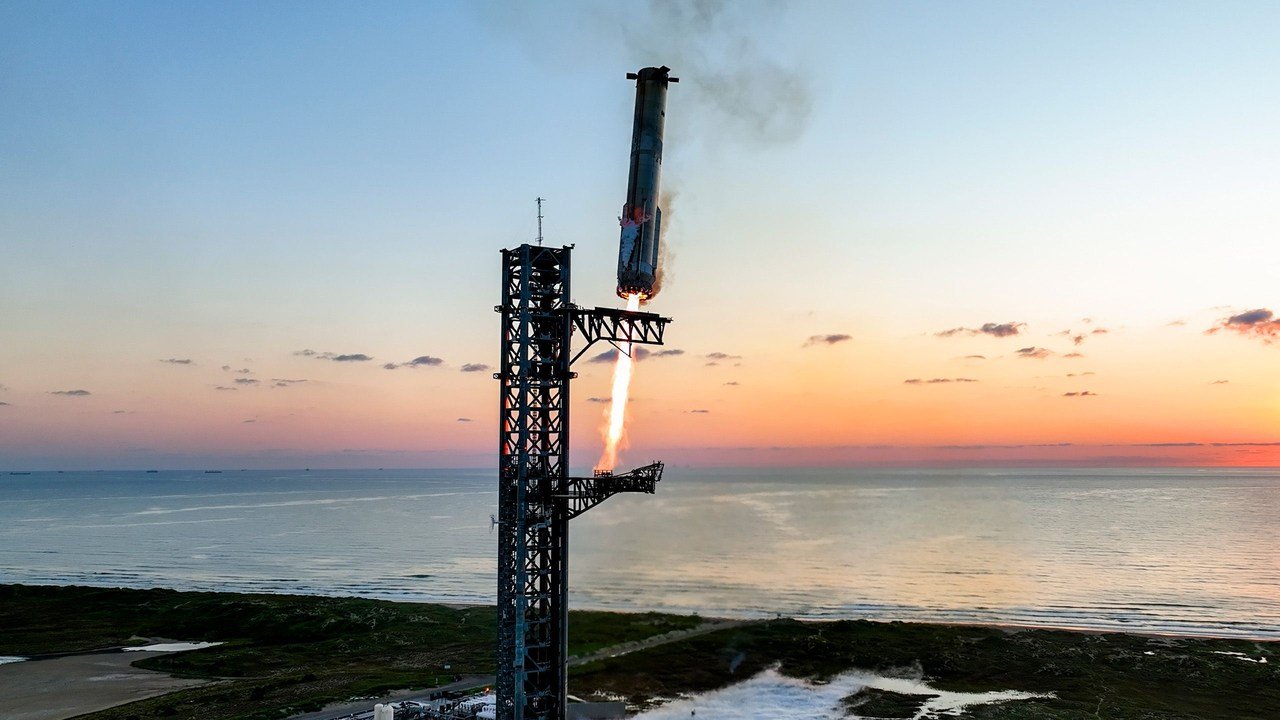
Musk’s stated reason for being able to borrow at this scale is that SpaceX is investment grade and has revenue from Starlink and rocket launches that does not depend on AI demand. That is the pitch, and it doubles as a description of who cannot borrow right now.
The scale of that growth is the part worth pausing on. A unit going from $813m to $7.56bn in four quarters is not a division being expanded, it is a different company growing inside the old one, and the chips are what it runs on.
The warning attached to the deal
Musk did not present the financing as a sign of easy conditions. In remarks paraphrased by CNBC he said debt markets have largely shut off funding for companies without substantial revenue outside AI data centres, and predicted that the more than 200 so-called neocloud providers face widespread failure and consolidation.
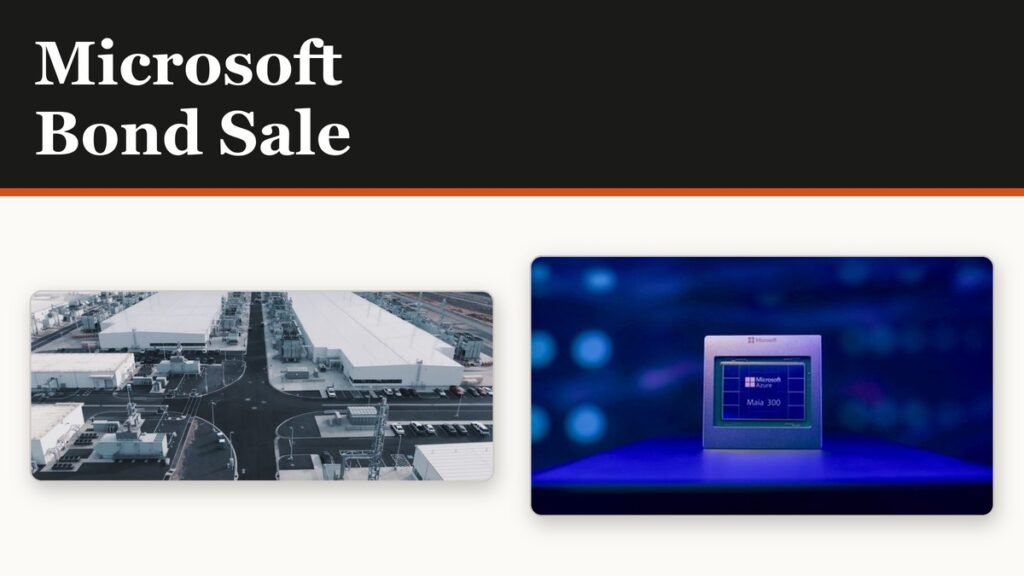
Read alongside the deal, that is a fairly pointed argument: the capital is available, but only to borrowers whose existing business can service it if the AI build disappoints. Microsoft raising $25bn in bonds the same week, against $115bn of orders, fits the same pattern.
What is settled and what is not
The filing is the firmest part. A binding commitment with a named counterparty for a stated amount is a document rather than a statement, and it is the reason this story carries weight that a post on X would not.
Reporting has been less settled on the terms. Earlier coverage described a proposal split between bank loans and investment-grade debt at indicative rates, and separate reporting said pricing discussions were continuing even after Musk announced the close. The borrowing entity, the repayment schedule and any guarantees have not been laid out publicly.
Why 2027 is the number that matters
Delivery in the first half of 2027 means the hardware arrives into a market that will look nothing like today’s. By then Amazon intends to be selling its own chips to outside buyers, and several alternatives to Nvidia will have reached general availability. A deal struck now is a bet that demand for capacity outruns all of it.
For background on the hardware itself, CNBC reported the filing and the segment figures behind it.
Related Articles

Get the Fox Bulletin briefing
The stories that matter, in your inbox. No spam, unsubscribe anytime.
Newsletter signup will be available soon.
Related stories
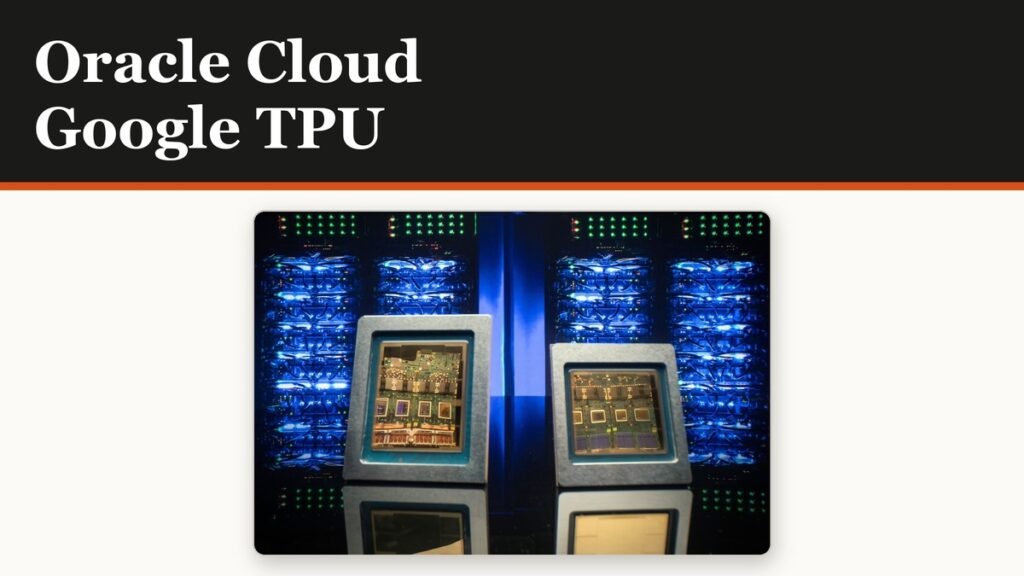
Oracle Cloud Adds Google TPUs and Rival AI Chips
Oracle would be the first major cloud outside Google to offer TPUs, with the eighth generation arriving on OCI during 2027.
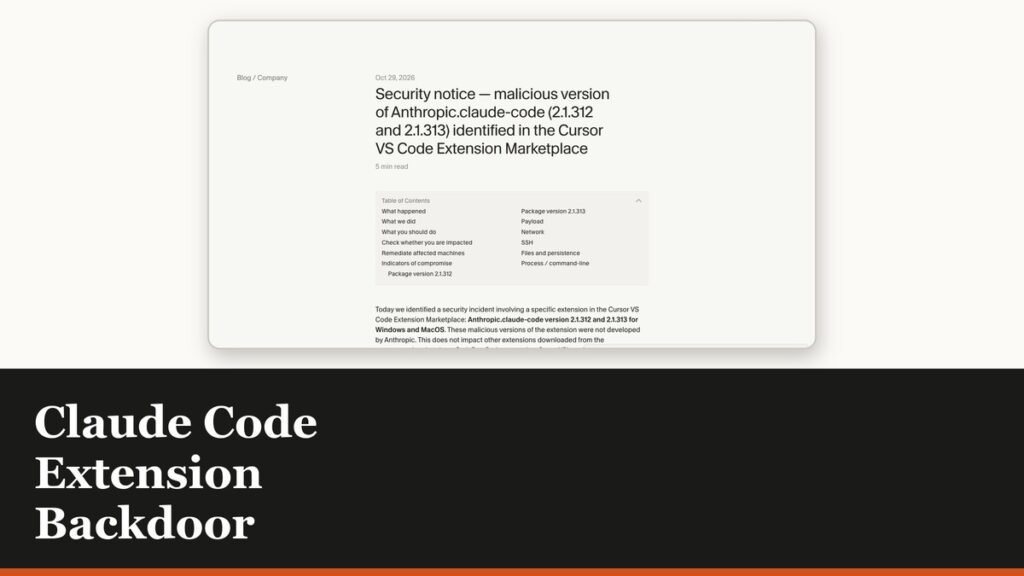
Claude Code Extension Backdoor Hits Cursor Users
Two versions of Anthropic's extension were modified to plant an SSH key and open a reverse tunnel. Cursor took its whole marketplace offline.
Microsoft Bond Sale Raises $25bn for AI Spending
Ten tranches, maturities out to 2066 and an order book 4.6 times the deal size. Microsoft has returned to the bond market after nine years.