

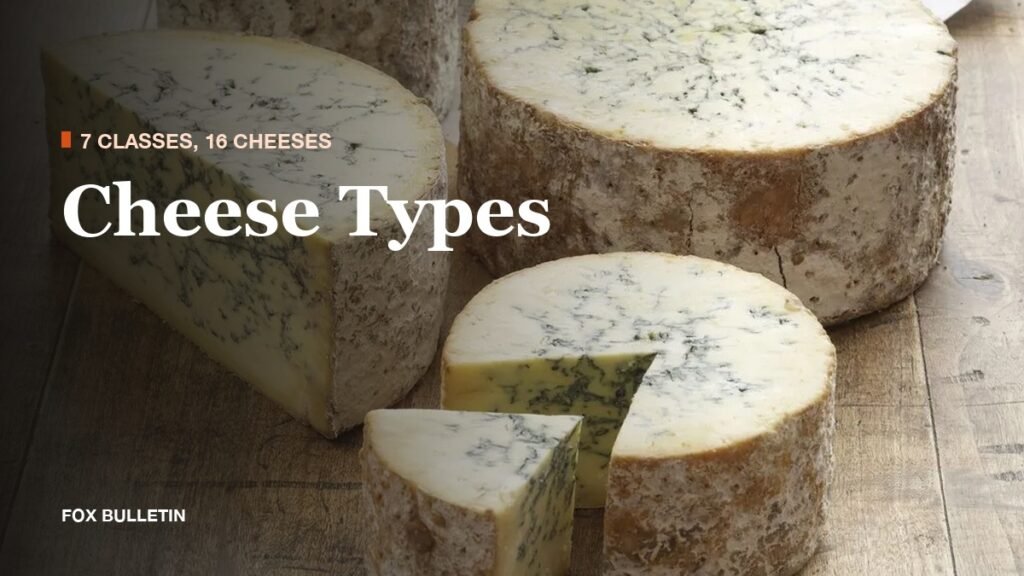
There are seven classes of cheese: fresh, soft-ripened, semi-soft, semi-hard, hard, blue and processed. Learning those cheese types is the quickest way to read a cheese counter, because each class has a look and a feel you can judge before you taste anything. A cheese that gives under your thumb, one with a white bloom on the rind, and one with a rind you could not bite through are in three different classes already.
The class names follow the Codex general standard for cheese from the FAO and WHO, which separates cheeses by firmness and by how they ripen, and the moisture limits come from the US federal standards in 21 CFR Part 133. The page covers 16 classic cheeses, their milk, origin and ageing. By some estimates there are more than 1,800 cheeses worldwide, and these 16 stand in for the rest.
The Seven Cheese Types Chart: Feel, Examples and Ageing
| Class | What it looks and feels like | Exemplar cheeses | Typical ageing |
|---|---|---|---|
| Fresh | Wet, soft and springy or spoonable; no rind; sold in brine or tubs | Mozzarella, Ricotta | Eaten within days to about a week |
| Soft-ripened | Bloomy white rind, creamy paste that runs when ripe | Brie, Camembert | Brie 4 to 8 weeks, Camembert about 35 days |
| Semi-soft | Smooth, supple and elastic; slices without crumbling | Havarti, Muenster | Havarti about 3 months |
| Semi-hard (firm) | Dense and sliceable, sometimes waxed; smooth when young, crystalline when old | Gouda, Cheddar, Gruyere | Weeks to years; Gruyere 90+ days (US rule) |
| Hard | Dry, granular or crumbly; made for grating; rind is tough | Parmesan, Pecorino Romano, Manchego | Parmesan 10+ months, Pecorino Romano 5+ months |
| Blue | Green-blue veins through a creamy or crumbly paste; salty tang | Roquefort, Stilton, Gorgonzola | Blue Stilton 6 to 12 weeks, Roquefort 3 to 5 months |
| Processed | Uniform, rindless slices or loaves that melt evenly | American cheese | No ripening; blended and heat-treated |
Reading Cheese Types at the Counter, Class by Class
Moisture does most of the work. Generally, the longer a cheese is aged, the lower its moisture and the harder it becomes, so age, firmness and rind all point the same way. Buy by that rule and the classes below are easy to tell apart.
Fresh: No Rind, No Ageing
Mozzarella: Keep It in Its Water
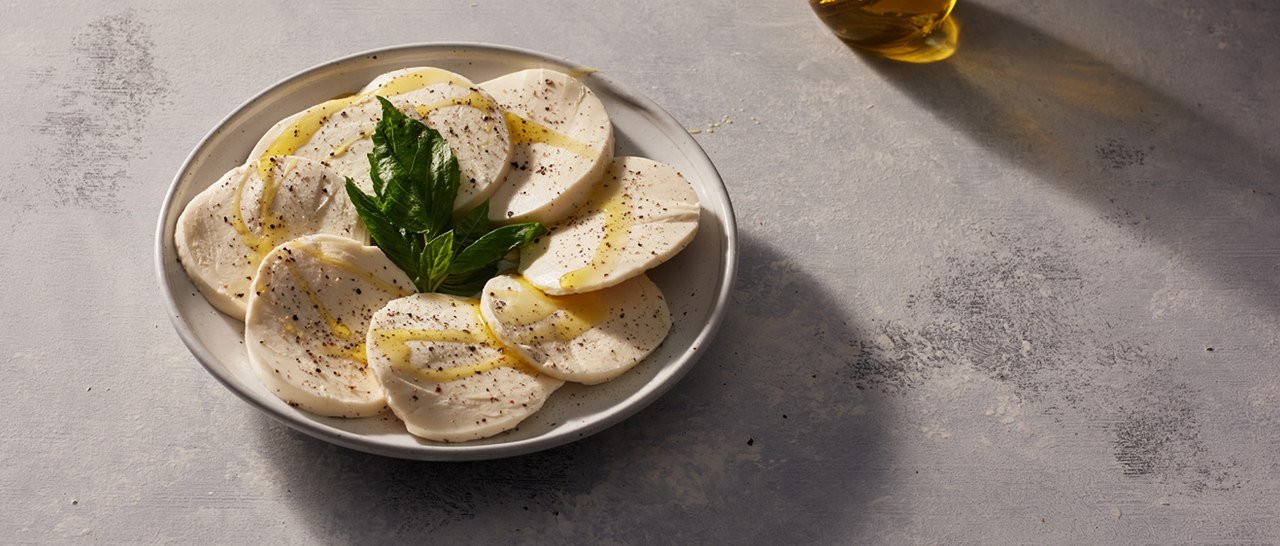
Fresh mozzarella is soft and springy, with a mild milky taste, and it should stay submerged in its liquid until you eat it. It is a pasta filata cheese, meaning the curd is stretched, and it comes from Italy, traditionally from Italian buffalo milk. The US standard allows fresh mozzarella more than 52 and up to 60% moisture, while the low-moisture block you shred for pizza sits between 45 and 52%.
Ricotta: The Whey Cheese That Is Gone in a Week
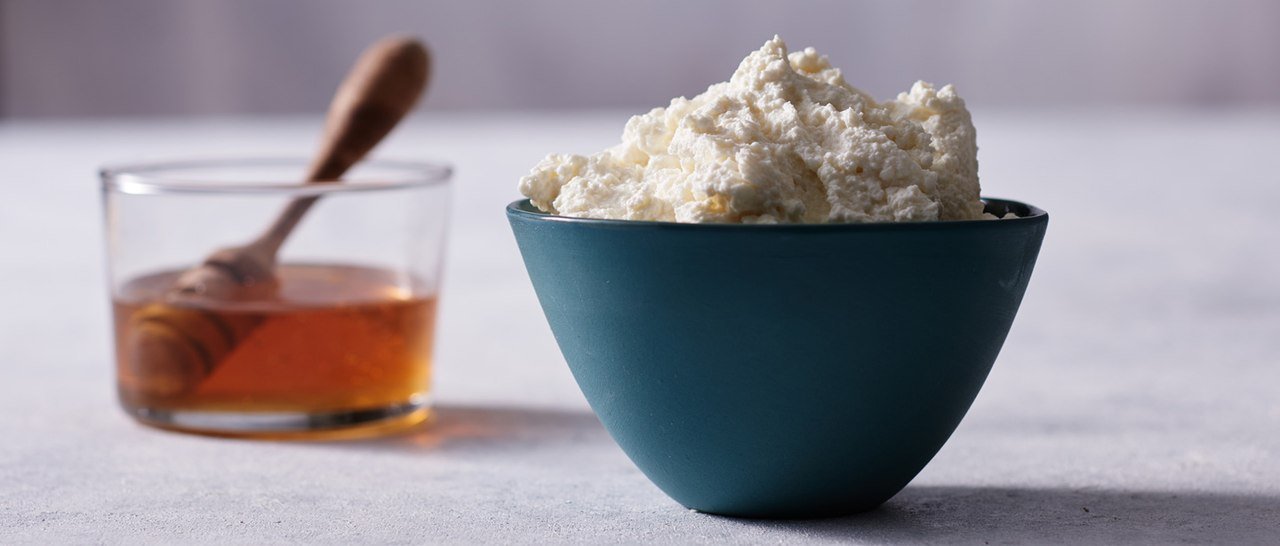
Ricotta is unsalted and unripened, with moist, delicate grains and a spoonable creaminess. The name means recooked, because it is made from the whey left after other cheese is made, which technically makes it a whey cheese. Use it within about a week of buying it.
It goes into stuffed pasta shells, lasagna, cheesecake and cannoli. The types of pasta guide shows which shapes take a filling.
Soft-Ripened: A White Bloom on the Outside
Brie: The Wheel Sold in Wedges
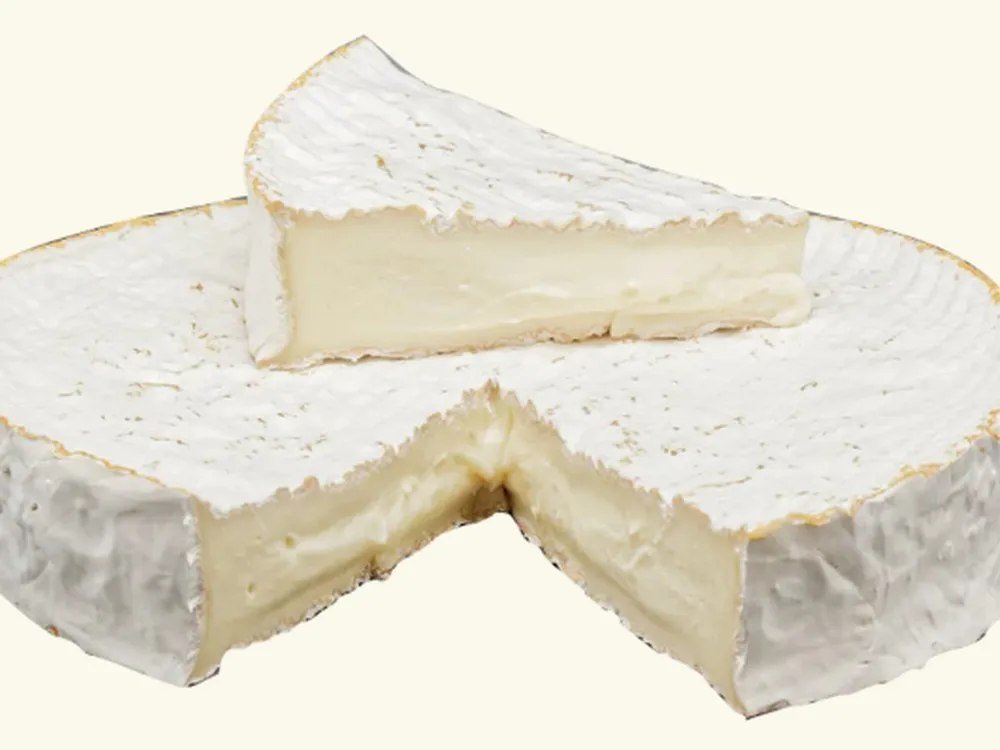
Brie de Meaux is a raw cow milk cheese from the Brie region of Ile-de-France, ripened for 4 to 8 weeks. The full wheel is about 14 inches across and weighs 5.7 to 7.3 pounds, which is why most counters sell it by the wedge. Let it sit at room temperature for at least 30 minutes before serving.
Camembert: Ripe at About 35 Days
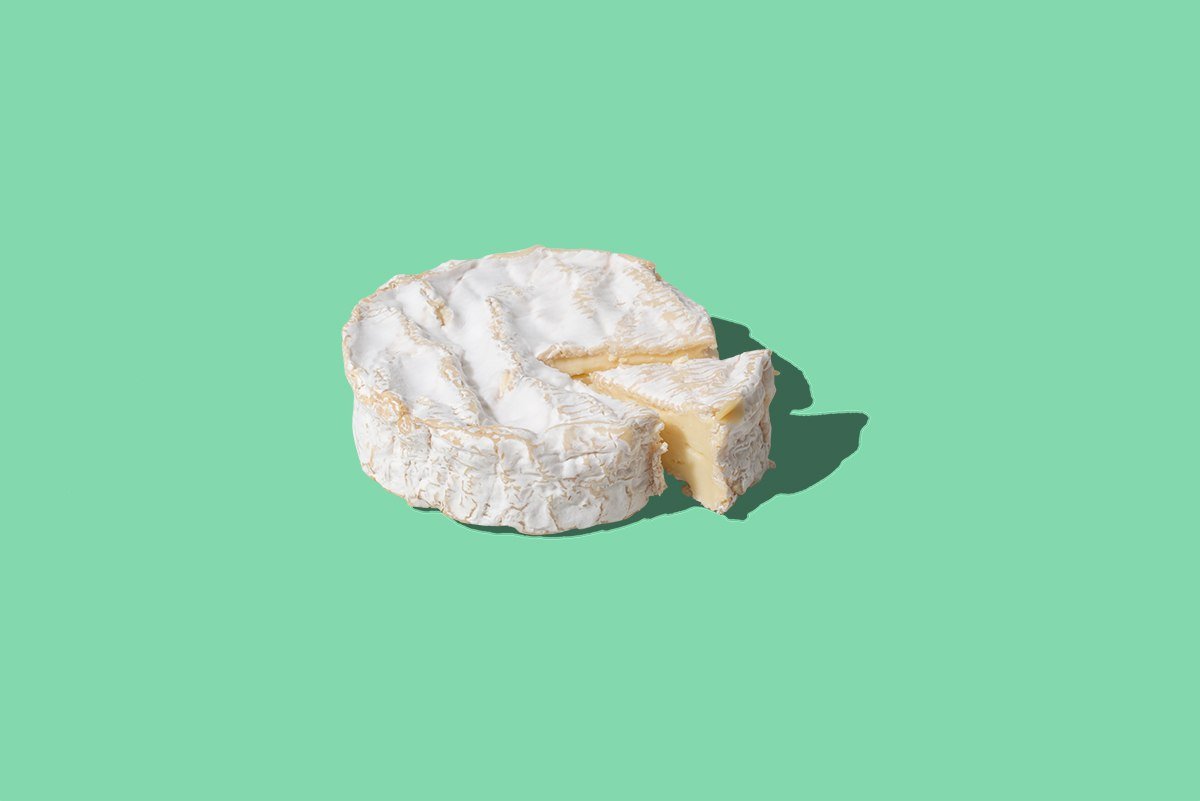
Camembert de Normandie is the compact one, a wheel of about 4.5 inches. The protected version is made from raw cow milk, spends 14 days in a cellar and then at least three more weeks before sale. It is fully ripe about 35 days after production, and its pairings run to Normandy cider.
Semi-Soft: Supple Enough to Slice Cleanly
The FDA puts semisoft cheese at more than 39 and up to 50% moisture. At the counter that means a block that bends slightly before it breaks, with no crumble and no runny centre.
Havarti: Tiny Holes and a Buttery Paste
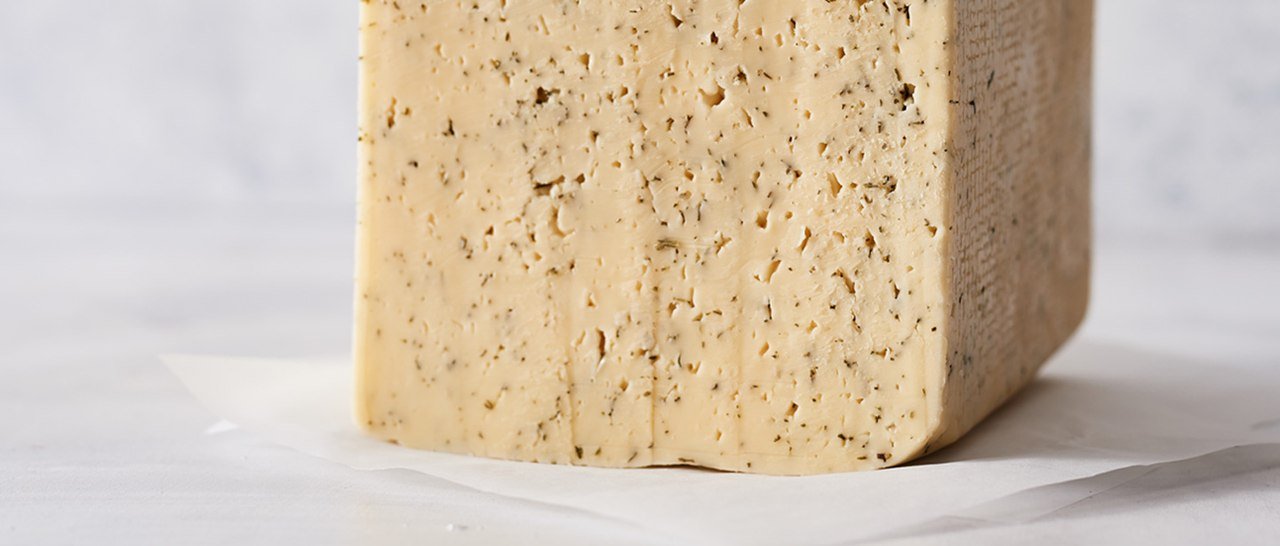
Havarti is Denmark’s best-known cheese, made from pasteurized cow milk and interior-ripened for about three months. Look for tiny holes in a smooth, supple paste. The block shown here is a flecked version with herbs, and plain Havarti is the pale, buttery one.
Muenster: Orange Outside, Creamy White Inside
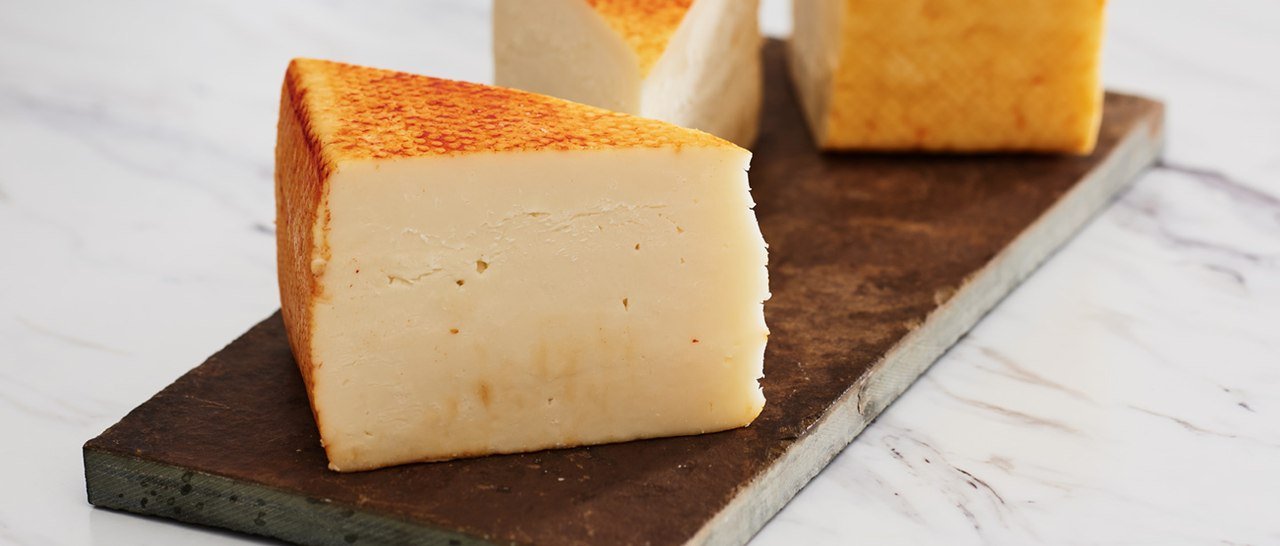
Muenster has an orange surface, a creamy white interior and a smooth, elastic bite that tastes mild and a little nutty. The FDA caps it at 46% moisture and requires at least 50% milkfat in the solids. It started in Alsace, and the style found in US stores is made in the United States.
Semi-Hard (Firm): The Block You Can Cut, Melt or Grate
Gouda: Peel the Wax, Read the Age
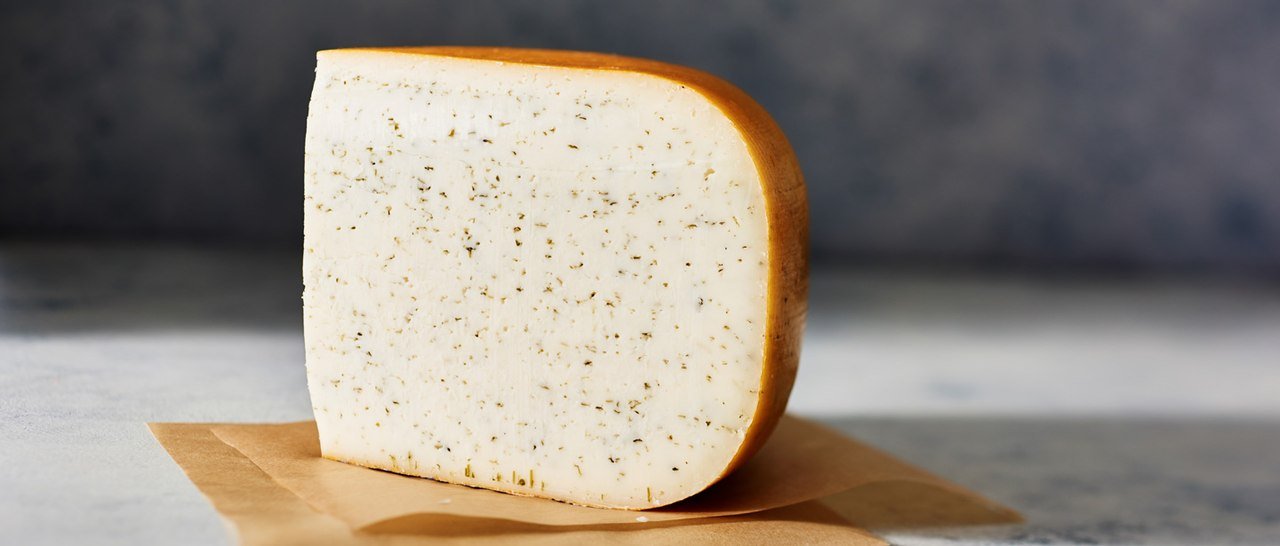
Gouda is named for the Dutch city and is made mostly from cow milk. The FDA allows up to 45% moisture and at least 46% milkfat in the solids. The wax coating comes off before serving. Young Gouda is smooth and sweet and melts, while aged Gouda turns dense with protein crystals and is better grated.
Cheddar: Sharper and Flakier With Every Year
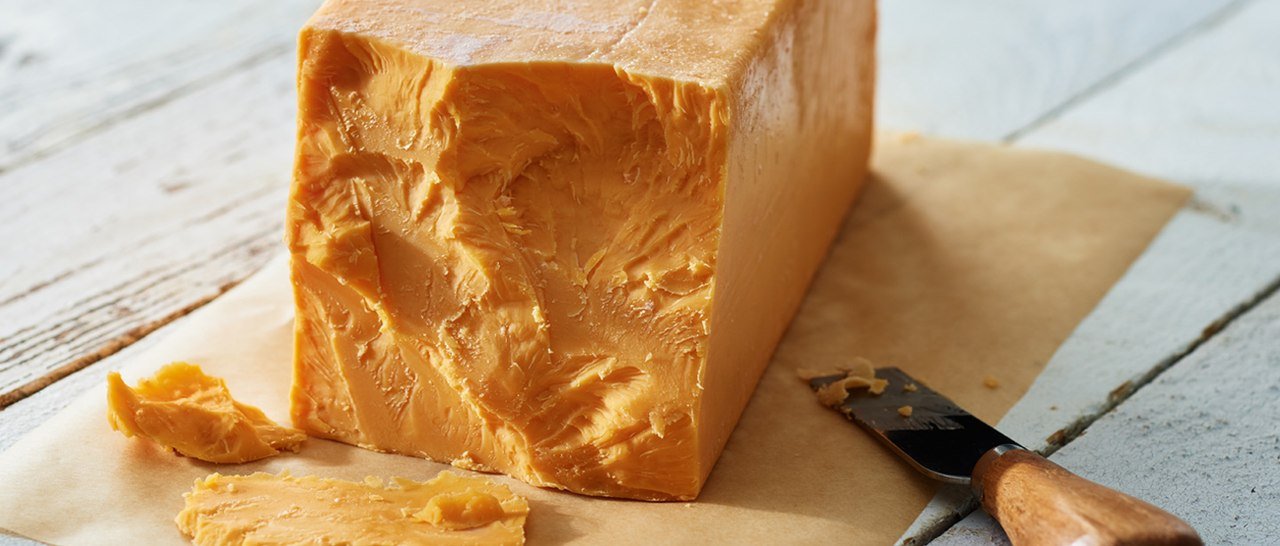
Cheddar comes from the village of Cheddar in Somerset, England, with production going back to the 12th century. US cheddar is capped at 39% moisture with at least 50% milkfat in the solids. Mild blocks are smooth, and aged ones turn dense, sharp and flaky.
Gruyere: The Fondue Wheel
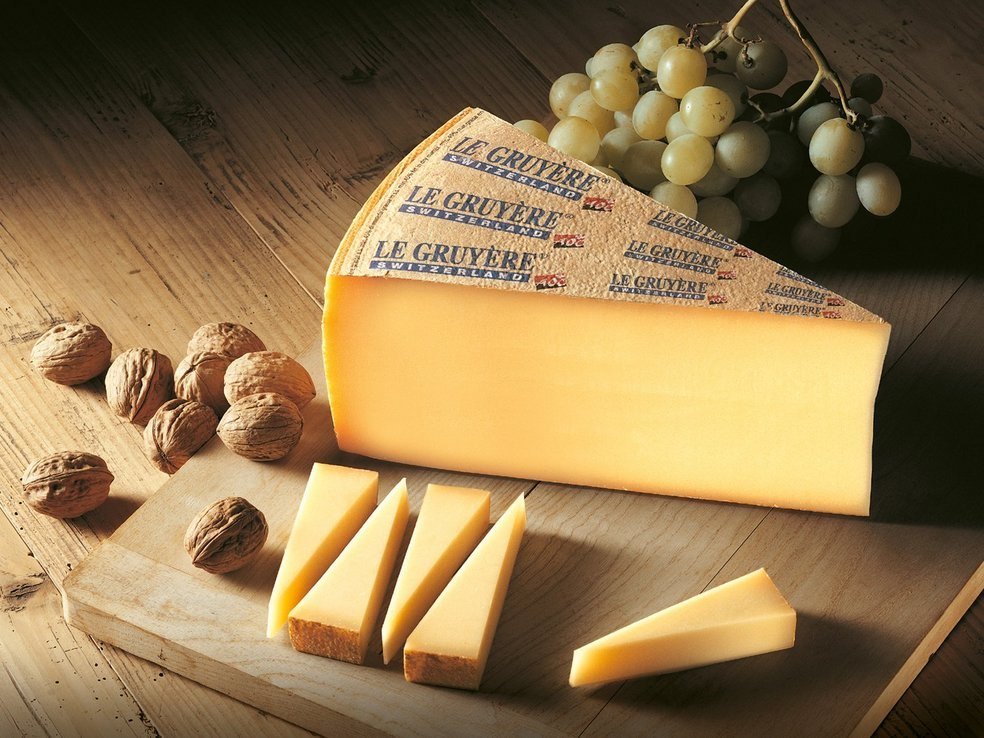
Le Gruyere AOP is a raw cow milk cheese from western Switzerland. Wheels run 55 to 65 centimetres across and 25 to 45 kilograms, and about 400 litres of milk go into a 35-kilogram wheel. It matures for several months with a brine-washed rind, and it belongs in fondue and French onion soup.
Hard: Dry, Granular and Made for the Grater
Parmesan: A 10-Month Minimum
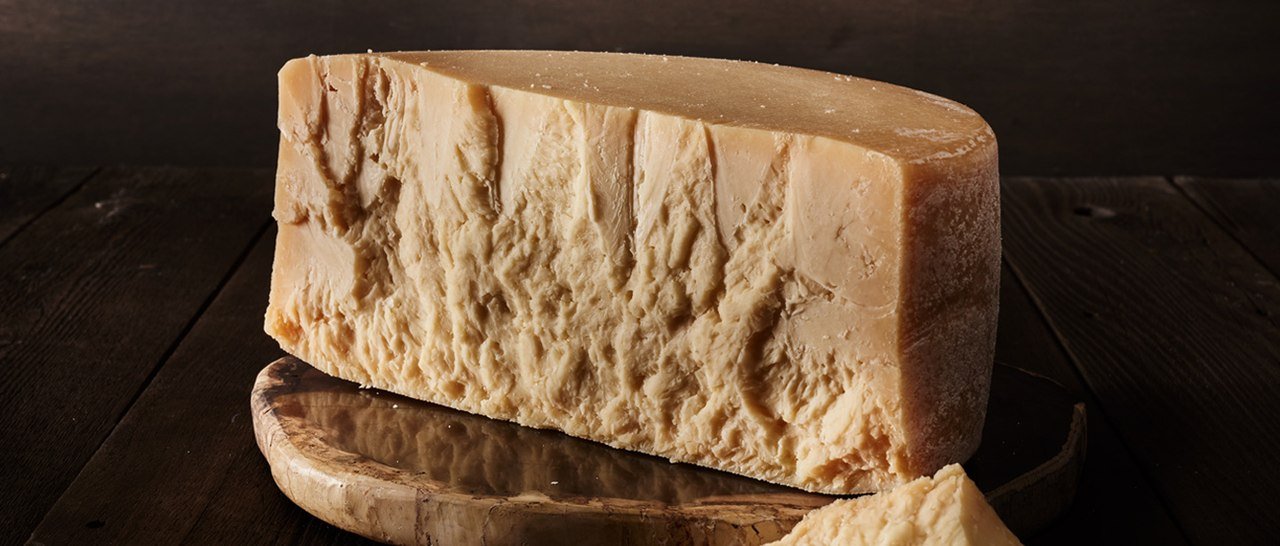
Parmigiano-Reggiano is the Italian cheese made from unpasteurized cow milk in a designated zone around Parma, Reggio Emilia and Modena, plus parts of Bologna and Mantua. The US standard for Parmesan and reggiano allows no more than 32% moisture and at least 32% milkfat, with a cure of not less than 10 months. The texture is granular and brittle, and the rind is hard.
Pecorino Romano: Sheep Milk, Salty and Sharp
Pecorino Romano is a sheep milk cheese from Lazio and Sardinia, hard and crumbly and grainy, with a salty, sharp bite. The minimum age is five months. The American Romano on a US shelf follows a separate standard of 34% moisture and may use cow, sheep or goat milk, so the name on the label is the check.
Manchego: A Basket-Weave Rind
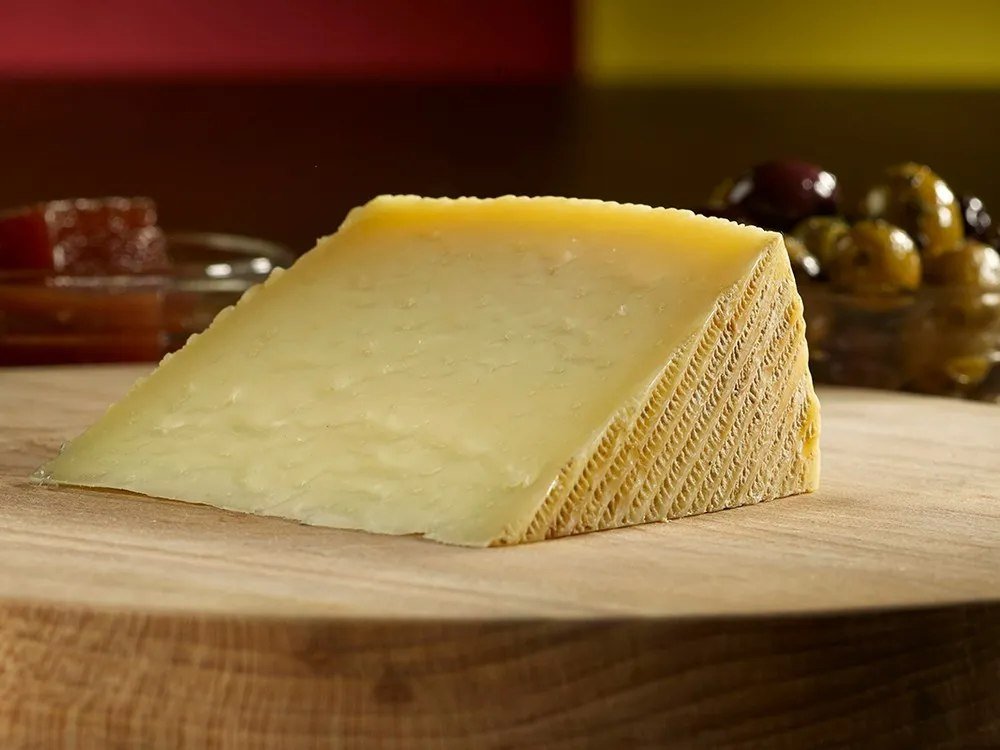
Manchego is a pressed Spanish cheese made only from Manchega sheep milk in La Mancha, and the basket-weave pattern on the rind is the giveaway. The PDO sets a minimum maturation of 30 days for pasteurized wheels of 1.5 kilograms or less and 60 days for the larger formats. Curado is aged 3 to 6 months and viejo 1 to 2 years, so the label tells you how dry it will be.
Blue: Veins You Can See Across the Counter
Roquefort: Sheep Milk Aged in Caves
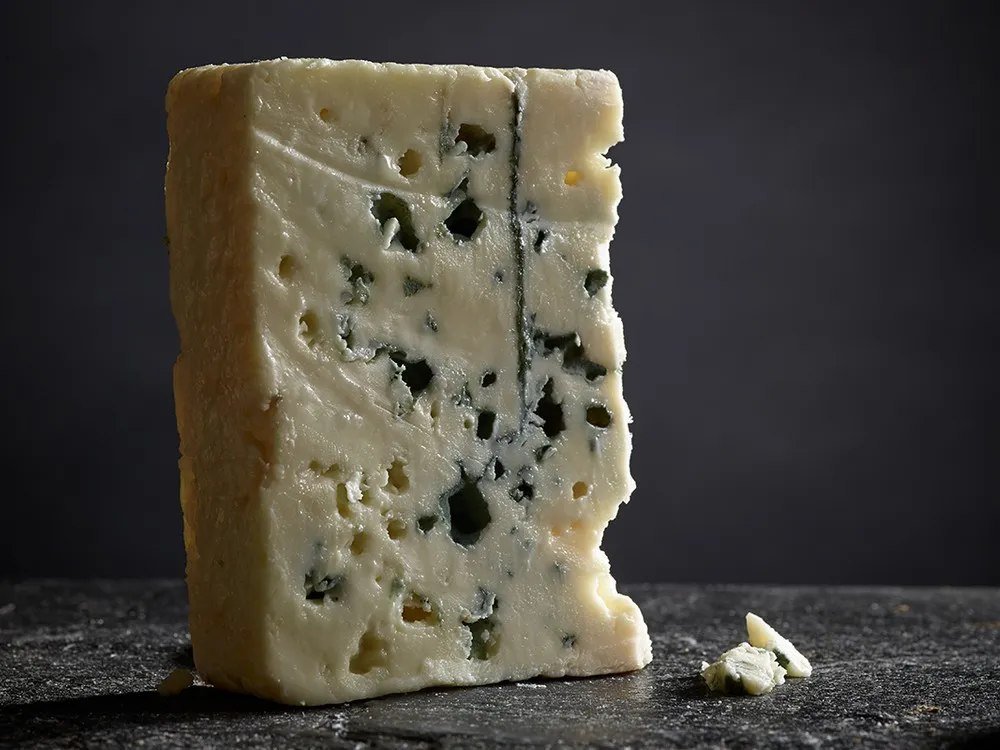
Roquefort is made from the raw whole milk of Lacaune sheep and aged only in the caves of Roquefort-sur-Soulzon in Occitanie. It became the first French cheese with PDO status in 1925. The FDA caps it at 45% moisture with at least 50% milkfat in the solids, and cave ageing runs about 3 to 5 months.
Stilton: Three Counties, Three Ages
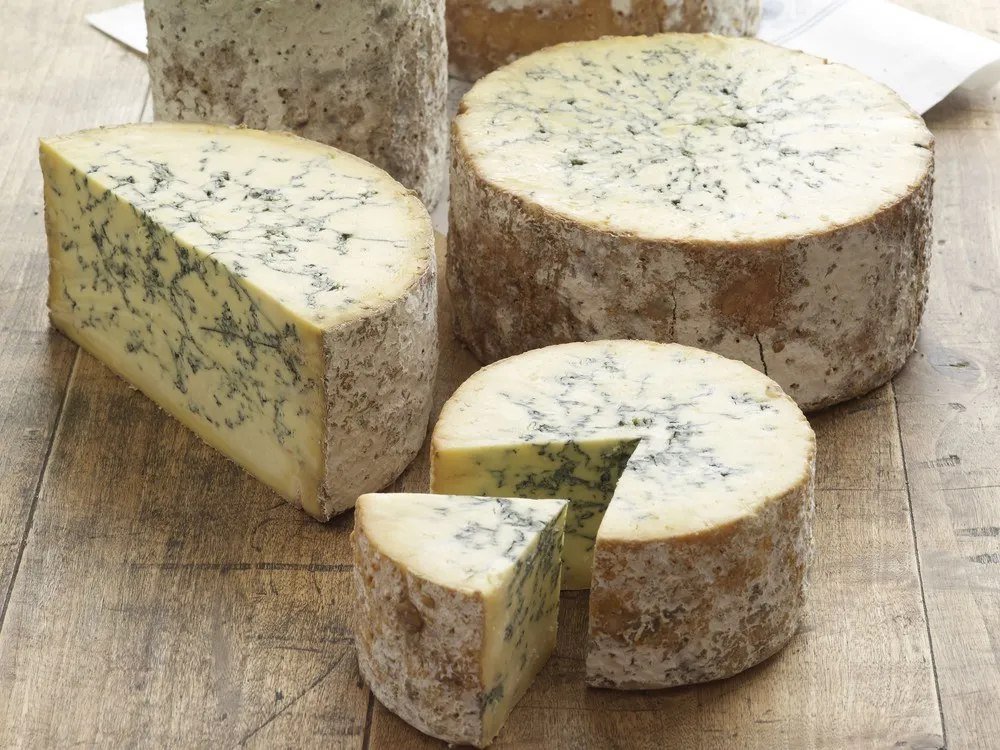
Stilton may be made only in Leicestershire, Derbyshire and Nottinghamshire, and only from pasteurised cow milk. The PDO specification covers White, Blue and Mature or Vintage Blue. Blue Stilton ripens for 6 to 12 weeks, Mature Blue for 10 to 15 weeks and Vintage Blue for more than 15 weeks.
Gorgonzola: Choose Dolce or Piccante
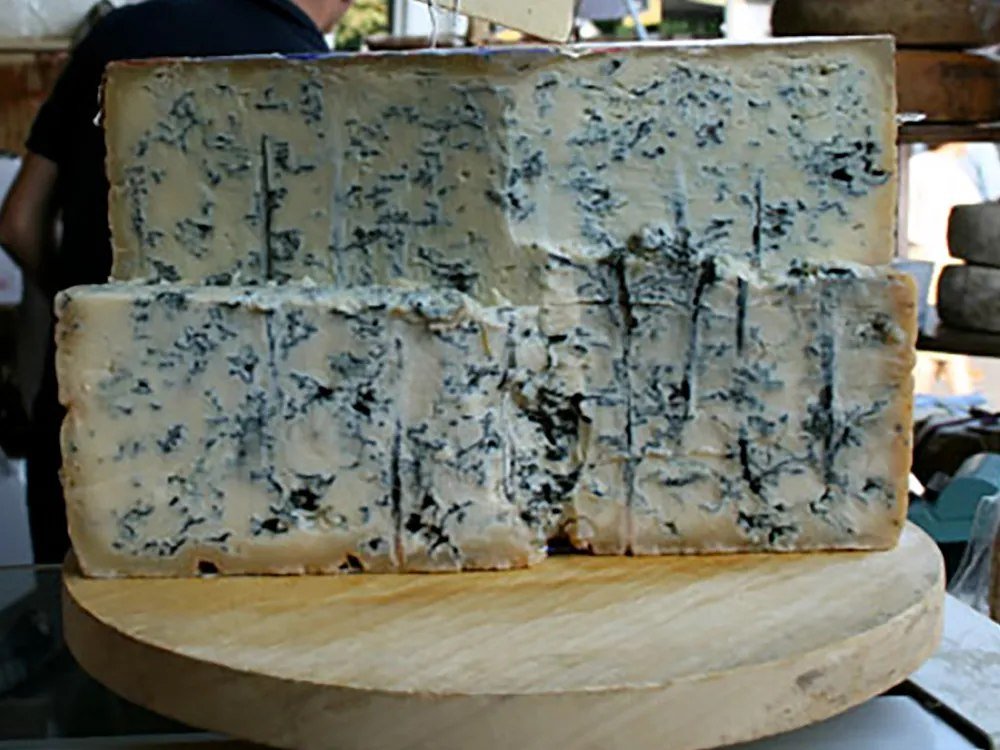
Gorgonzola is an Italian blue made from pasteurized cow milk, and the counter often offers two ages. Dolce is creamy and soft, while piccante is firmer and more crumbly. The FDA caps it at 42% moisture, and a drizzle of honey on a board is the classic way to serve it.
Processed: Uniform, Rindless and Built to Melt
Processed cheese is the only class that is blended instead of ripened. The FDA standard for pasteurized process cheese describes cheeses ground and mixed with heat and an emulsifying agent into a uniform plastic mass, heated at least 30 seconds at 150 degrees Fahrenheit. Codex does not cover it, so the US standard is the one that applies.
American cheese is the familiar example, made from cow milk with a moisture cap of 43%, or 40% when it is made from washed curd or colby. It is smooth, rindless and mild, and it melts evenly into cheeseburgers, grilled cheese and macaroni.
Milk and Origin Across All 16 Cheeses
| Cheese | Milk | Origin |
|---|---|---|
| Mozzarella | Cow, goat, sheep or water buffalo | Italy |
| Ricotta | Whey of cow, sheep, goat or buffalo milk | Italy |
| Brie de Meaux | Raw cow | France |
| Camembert de Normandie | Raw cow, reduced fat | France |
| Havarti | Pasteurized cow | Denmark |
| Muenster | Pasteurized cow | Alsace origin; American style from the US |
| Gouda | Cow, also goat or sheep | Netherlands |
| Cheddar | Cow, with goat and sheep variants | England |
| Gruyere | Raw cow | Switzerland |
| Parmigiano-Reggiano | Unpasteurized cow | Italy |
| Pecorino Romano | Sheep | Italy |
| Manchego | Manchega sheep only | Spain |
| Roquefort | Raw sheep (Lacaune breed) | France |
| Stilton | Pasteurized cow | England |
| Gorgonzola | Pasteurized cow | Italy |
| American cheese | Cow | United States |
The Federal Moisture Caps That Separate the Hard From the Soft
| Cheese (US standard) | Maximum moisture | Minimum milkfat in solids | Cure or age rule |
|---|---|---|---|
| Parmesan and reggiano | 32% | 32% | At least 10 months |
| Romano (US standard) | 34% | 38% | At least 5 months |
| Cheddar | 39% | 50% | Raw milk: 60 days at 35F or more |
| Gruyere (US standard) | 39% | 45% | At least 90 days |
| Gorgonzola | 42% | 50% | Not stated |
| Gouda | 45% | 46% | Not stated |
| Roquefort | 45% | 50% | Not stated |
| Muenster | 46% | 50% | Not stated |
| Mozzarella, low moisture | 52% | 45% | Not stated |
| Mozzarella | 60% | 45% | Not stated |
| Process cheese | 43% | Not given | Heated 30 seconds at 150F |
Codex measures firmness on a fat-free basis, setting extra hard below 51, hard at 49 to 56, firm or semi-hard at 54 to 69 and soft above 67. Because those bands overlap, Cheddar and Gruyere, whose FDA caps convert to roughly 56 and 54 (derived by arithmetic from the caps, not published figures), sit on the border between hard and firm. This page files both as firm.
Protected Names and Why the Label Can Change the Cheese
A protected designation of origin ties a name to a place and a method. Roquefort was the first French cheese to get one, in 1925, and Brie de Meaux, Camembert de Normandie, Le Gruyere, Manchego and Stilton each carry their own, with milk, region and minimum ripening written in.
The same word can mean less elsewhere. A US cheese labelled Parmesan, Romano or Gruyere follows the American standard, with different cure times, so the European name on a wedge is worth a look when it matters.
What the Class Labels Rest On and Where They Stop
Firmness bands and ripening terms are the ones in Codex Standard 283-1978 as amended through 2013, and the moisture and milkfat limits are the US legal standards. Those say what a cheese may contain, not what every wheel does. Ageing, milk and origin for the named cheeses come from the bodies that regulate each name.
No authority assigns all 16 cheeses to a class, so the filing here follows moisture and ripening method. Ricotta, Brie, Camembert, Havarti, Manchego and Stilton have no US moisture cap written for them, which is why the chart gives ageing for them instead.
Using the Counter Rules: Rind, Feel and Age
- White bloom on the rind means soft-ripened; an orange rind on a supple block means semi-soft; veins inside mean blue.
- Cheese that bends is fresh or semi-soft, cheese that holds a clean edge is firm, and cheese that breaks into grains is hard.
- An age statement of months, such as 3 to 6 for curado Manchego, signals a drier cheese than the same name at a few weeks.
- Take soft-ripened cheese out of the fridge at least 30 minutes before serving, and do not leave it out for more than 2 hours.
For cooking, match the class to the job. Semi-soft and young firm cheeses melt, hard cheeses grate and blue cheeses crumble. A toaster oven browns a melt on toast well, and a mixed board for a holiday table usually takes one cheese from each of three classes.
Frequently Asked Questions
How many classes of cheese are there?
This guide uses seven: fresh, soft-ripened, semi-soft, semi-hard, hard, blue and processed. The wider count of cheeses is more than 1,800 by some estimates, and the most common way to sort them is by texture.
How do you tell soft-ripened cheese from fresh cheese?
Check the rind. Fresh cheeses such as mozzarella and ricotta have none and are eaten within days to about a week, while Brie and Camembert have a white bloomy rind and ripen for 4 to 8 weeks and about 35 days.
How long should Parmesan be aged?
The US standard calls for at least 10 months, with moisture at 32% or lower. Pecorino Romano is aged a minimum of five months.
Why does Gouda have a wax coating?
The paraffin wax protects the cheese during ageing, which can run from a few weeks to years. Remove it before serving, since it is not meant to be eaten.
Related Articles

Get the Fox Bulletin briefing
The stories that matter, in your inbox. No spam, unsubscribe anytime.
Newsletter signup will be available soon.
Related stories

How Many Bones in the Human Body: 206, Region by Region
The adult human skeleton has 206 bones, and this page counts every one by region in a single chart. It then walks through the skull, spine, ribs, arms and legs, explains why babies have roughly 270 to 300 bones, and covers the longest and smallest bones and the extra bones some adults carry.

Periodic Table Groups: All 18 With Names and Members
The periodic table has 18 numbered groups, and six of them carry family names approved by IUPAC. This page lists every group with its members and valence pattern, then walks through the families one at a time. It also explains groups against periods, the lanthanoid and actinoid rows, hydrogen and the older roman numeral labels.

A4 Paper Size: 210 x 297 mm, 8.27 x 11.69 Inches
A4 measures 210 x 297 millimetres, or 8.27 x 11.69 inches. This page gives the size in cm and in pixels at 72, 150 and 300 DPI, compares it with US Letter, and walks the A series from A0 to A6. It also covers which countries use which sheet and what changes when a document crosses between them.