

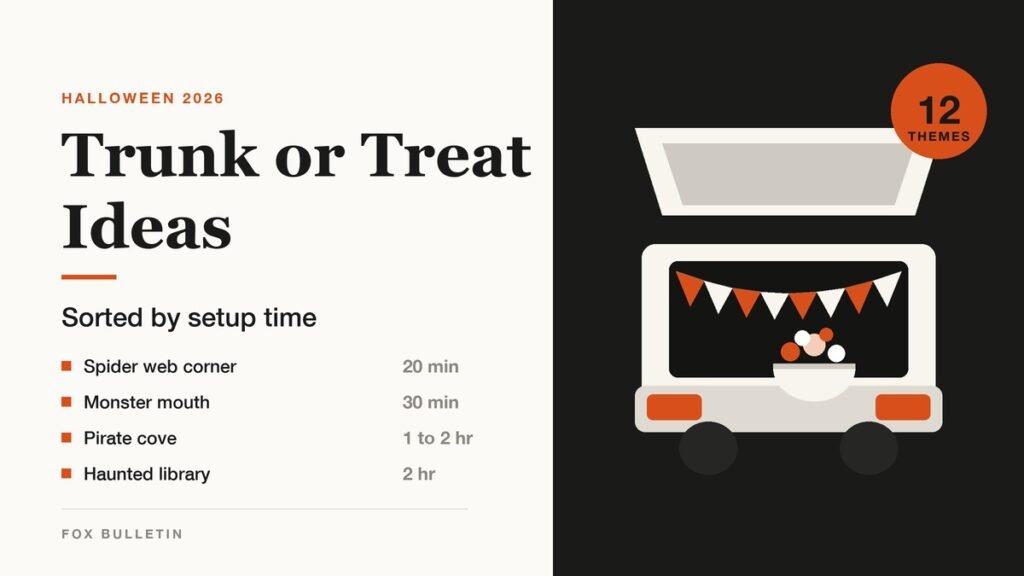
Trunk or treat ideas come down to one decision: how much time you have before the cars line up. A spider web stretched across an open hatch takes twenty minutes and reads from across the lot. A pirate cove with a sail and a treasure chest takes two hours and wins the costume contest. Both work, and the twelve themes below are sorted by build time so you can pick by the hour you actually have.
A trunk or treat is a Halloween event where families walk between parked cars and collect candy from decorated trunks, usually in a church, school or community parking lot. The format started in the 1990s with Christian church groups, with one account placing an early event in Alabama in 1994, and it has since spread to schools, towns and car dealerships. Here is what each theme needs and how long it takes to put up:
| Theme | What the trunk holds | Setup time |
|---|---|---|
| Spider web corner | Black plastic tablecloth on the hatch, stretch cobweb across the opening, plastic spiders, one clip light | 20 minutes |
| Monster mouth | Cardboard teeth taped around the hatch opening, two foam eyes on the lid, candy bowl as the tongue | 30 minutes |
| Pumpkin patch stand | Two wooden crates, six small pie pumpkins, a checked cloth, chalkboard price sign with everything free | 30 minutes |
| Candy shop counter | Striped paper backdrop, four lidded jars of wrapped candy, paper awning on the open lid | 45 minutes |
| Barnyard | One straw bale, stuffed farm animals, red paper barn front cut to the width of the hatch | 45 minutes |
| Under the sea | Blue streamers hung from the lid, paper jellyfish, a battery bubble machine on the bumper | 45 minutes |
| Fishing dock | Blue fabric for water, cardboard dock edge, magnet-and-string rods, paper fish with prizes on the back | 1 hour |
| Drive-in movie | White sheet on the hatch, small battery projector playing a silent cartoon loop, two folding chairs | 1 hour |
| Campfire site | Dome tent behind the car, log circle with an LED flame, s’mores kits in paper bags | 1 hour |
| Space launch | Black backdrop, foil planets on fishing line, cardboard rocket beside the bumper, star string lights | 1 to 2 hours |
| Pirate cove | Kraft paper hull along the car side, bedsheet sail on a pole, cooler as the treasure chest | 1 to 2 hours |
| Haunted library | Bookcase printed on a backdrop, candelabra with LED candles, cobwebbed armchair, low fog from a dry-ice bowl | 2 hours |
Trunk or Treat Ideas You Can Build in Under an Hour
The quick themes all follow the same logic. One surface gets covered, one shape gets suggested, one light gets aimed, and the candy sits where a four-year-old can reach it. Skipping any of those four steps is what makes a trunk look unfinished, not the size of the budget.
- Work with the shape you have: the open hatch of an SUV is a proscenium arch, a sedan trunk lid is a signboard and a pickup bed is a stage you can stand a person in.
- Cover the inside first. One black or colored plastic tablecloth taped inside the hatch hides seat backs, child seats and grocery bags, and it does the work of an entire backdrop for about a dollar.
- Light the opening, not the lot. A single battery clip light aimed into the trunk makes the display read from twenty feet; a lantern on the bumper lights the candy bowl without blinding anyone.
- Put the candy at child height. A bowl on the bumper or a crate at knee level ends the reaching and the dropped candy, and it keeps hands away from the hatch strut.
- Dress to match the trunk. A pirate shirt beside a pirate cove costs nothing extra and finishes a plain setup faster than more props will.
A monster mouth is the clearest example. Two strips of white poster board cut into triangles and taped inside the top and bottom of the hatch opening make teeth, two paper plates with black centers become eyes on the lid, and the candy bowl sits on the bumper as a tongue. That is a thirty-minute build from a dollar store bag, and small children line up for it ahead of displays that took an afternoon.
Matching the Theme to a Hatchback, Sedan, Pickup or Minivan
The vehicle decides the shape of the display more than the theme does. A pirate cove that looks right in a pickup bed will not fit a sedan trunk, and a drive-in screen needs a tall flat lid to hang from. Read your car first, then pick:
| Vehicle | How to build on it |
|---|---|
| Hatchback or SUV | The lid becomes a roof, so hang the lightest items from it and anchor the heavy ones to the floor of the cargo area. Keep anything you tape clear of the strut and the rear wiper. |
| Sedan trunk | The lid is a flat vertical sign once it is open. Clip a foam board or fabric panel to the inside face of the lid and build the scene on the trunk floor and bumper below it. |
| Pickup bed | You get a deep stage with a tailgate counter. Stand the backdrop against the cab, use the tailgate for the candy and keep a step stool at the side for shorter visitors. |
| Minivan with sliding doors | Open one side door instead of the rear and the whole cabin becomes a walk-past window. Remove or cover the middle row and treat the floor as the display surface. |
Weight is the one constraint that catches people out. A hatch strut is rated for the lid, not for a bedsheet sail full of wind, so anything heavier than paper belongs on the cargo floor, the bumper or a crate on the ground. Tie a sail or a backdrop to a free-standing pole instead of the lid and the whole build becomes safer and easier to take down in the dark.
Taping, Clipping and Weighting Decorations Without Marking the Paint
Everything on a trunk display has to come off in twenty minutes at the end of the night and leave the car as it was. Painter tape on glass and plastic trim is safe for an evening, gaffer tape is not, and neither belongs on paint in direct sun. Strong clips on the lip of the hatch, suction hooks on the rear glass and magnetic hooks on steel body panels hold more than tape and leave nothing behind.
Outdoors, wind is the problem that ruins setups. Weight the base of every free-standing prop with a sand bag, a water jug or a brick wrapped in fabric, and keep backdrops shorter than the car so they do not act as a sail. Use LED candles and LED flame lights rather than anything with a flame, because costumes, dry straw bales, paper props and open fire sit far too close together at a trunk or treat.
Games and Activities That Keep the Candy Line Moving
A game at your trunk is what turns a ten-second candy stop into the display families remember, but only if it resets in seconds. Anything that needs scoring, refilling or retrieving from under a car will stall the whole lane. These five are built for throughput:
- Pumpkin bowling. Six white plastic bottles weighted with an inch of sand, a small sugar pumpkin as the ball, a strip of tape as the foul line. Resets in four seconds, which matters when thirty children are waiting.
- Magnetic fishing. Paper fish with a paper clip in the nose, a dowel with a magnet on a string, a blue bin as the pond. Write a treat on the back of each fish so the prize is instant.
- Ring toss on pumpkin stems. Three pie pumpkins on a crate and glow bracelets for rings. Short throws keep the line moving and nothing breaks when a ring lands on the asphalt.
- Spider web walk. Two cones and a stretch web for a limbo bar, lowered one notch after each pass. It takes a single volunteer and no reset at all.
- Guess the jar. Candy corn in a sealed jar, a clipboard of guesses, winner announced before the lot clears. One jar entertains an entire evening of visitors.
One volunteer per game is the rule that keeps the evening pleasant. The driver hands out candy and talks to parents, the second person runs the game and resets it, and nobody has to abandon the bowl to chase a bouncing pumpkin across the asphalt.
Candy, Non-Food Treats and the Teal Pumpkin Project
Trunk or treat lines move fast and parents cannot read every label at the bumper, which is why a second bowl of non-food treats is worth bringing. The Teal Pumpkin Project, which Food Allergy Research and Education adopted nationally in 2014, asks households and events to offer non-food treats in a separate bowl and to mark that they have them with a teal pumpkin or a printed sign. FARE puts the number of people in the United States affected by food allergy at 33 million.
- Non-food treats: glow bracelets, bubble bottles, spider rings, mini notebooks, stickers, pencils, bouncy balls, vampire teeth, mini play dough tubs.
- Allergy-aware service: two separate bowls, the non-food bowl nearest the walking lane, and a teal pumpkin or printed sign so parents can see the option before they reach you.
- Quantity: plan for 300 to 400 pieces per trunk at a church or school event, and bring a sealed backup bag you only open if the line outlasts the first bin.
- Wrapping: factory-sealed only, nothing homemade, and nothing that needs refrigeration or a napkin.
Glow bracelets do double duty here. They cost less than chocolate per piece, no parent has to inspect them, and a child wearing three of them is far easier to see in a dark parking lot. If you want a sense of which sweets disappear first from a shared bowl, our state-by-state look at the most popular Halloween candy lines up the usual winners.
How Organizers Lay Out the Parking Lot
The layout is the part of a trunk or treat that is invisible when it works. Families should never be in the same space as a moving car, and the candy lane should never dead-end into a line coming the other way. Six rules cover almost every lot:
- Park in a horseshoe or a single line with the trunks facing in, and leave one full parking space empty between cars so children can step back without stepping into the next display.
- Set the walking lane at least ten feet wide and make it one way, with the entrance nearest the lot entrance so arriving families do not cross the flow.
- Ask every driver to arrive at least an hour early, back into the space, switch the engine off and stay parked until the published end time.
- Keep two cones and a volunteer at each lot entrance for the whole event, because the only moving vehicles should be the ones being turned away.
- Run power from batteries and power banks rather than extension cords across the walking lane, and tape down any cord that cannot be rerouted.
- Post the end time and have one volunteer sweep the lane with a trash bag before any car moves.
Timing follows the layout. Most events run ninety minutes to two hours in the early evening, which fits the window when younger children are out and before the streets fill up. Halloween 2026 falls on Saturday, October 31, so many churches and schools will run their trunk event on the Friday or the weekend before to avoid competing with neighborhood trick-or-treating; our guide to Halloween 2026 dates and trick-or-treat hours has the local timing patterns.
What a Trunk Display Costs and When to Start Buying
A trunk or treat is one of the cheaper ways to take part in the season, because the car is the set and the props are mostly paper, tape and light. Expect to spend the price of a costume on a full themed build, and far less on the quick themes, which lean on a tablecloth, a stretch web and a clip light you will reuse next year.
Supply, not money, is the reason to start early. The National Retail Federation puts 2026 Halloween spending at 13.5 billion dollars, an average of 115.14 dollars per person, with 74 percent of consumers celebrating and 61 percent planning to hand out candy. Nearly half of shoppers, 49 percent, started buying in September or earlier, which is why specific props and the large bags of name-brand candy thin out in the last week of October. If your theme needs inflatables or a large yard piece, our roundup of the best Halloween inflatables covers the sizes that fit beside a car rather than across a lawn.
Frequently Asked Questions
What is a trunk or treat?
It is a Halloween candy event held in a parking lot, where drivers decorate the trunks or cargo areas of their parked cars and children walk from vehicle to vehicle collecting treats. Churches, schools and towns run most of them, often with games, a costume contest and food alongside the candy.
How much candy do you need for a trunk or treat?
Plan on 300 to 400 pieces per trunk for a church or school event, then keep a sealed backup bag in the car. Attendance swings with the weather and with whether the event is on Halloween itself, so a reserve bag is more useful than one enormous open bin.
What are the easiest trunk or treat ideas for a small car?
A spider web across the open hatch, a monster mouth taped around the opening or a pumpkin patch stand on two crates all work on a compact car and take half an hour or less. Each one covers the inside of the trunk, suggests one clear shape and puts the candy bowl at child height on the bumper.
Is trunk or treat safer than trick-or-treating?
It removes the two biggest street risks, walking in the road after dark and crossing in front of moving traffic, which is why churches and schools adopted the format. That depends on the lot being closed to traffic for the whole event, with cars parked and switched off and volunteers turning late arrivals away at the entrance.
Related Articles

Get the Fox Bulletin briefing
The stories that matter, in your inbox. No spam, unsubscribe anytime.
Newsletter signup will be available soon.
Related stories

Most Expensive House in the World: Top 10, Sold or Valued
Ten of the most expensive houses in the world, split into those with a recorded or reported sale price and those valued only by estimate, with the deed, auction or accounts behind each figure.
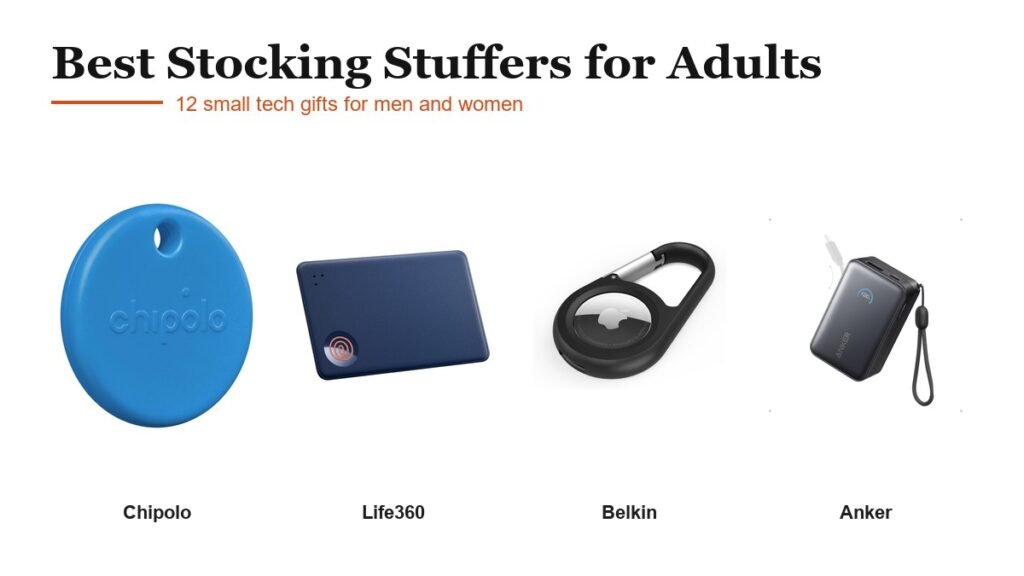
Best Stocking Stuffers for Adults 2026: 12 Small, Useful Gadgets
The best stocking stuffers for adults are small gadgets that fix an everyday annoyance, like lost keys or a dying phone. Our top pick is the Chipolo POP, a bright Bluetooth tracker…
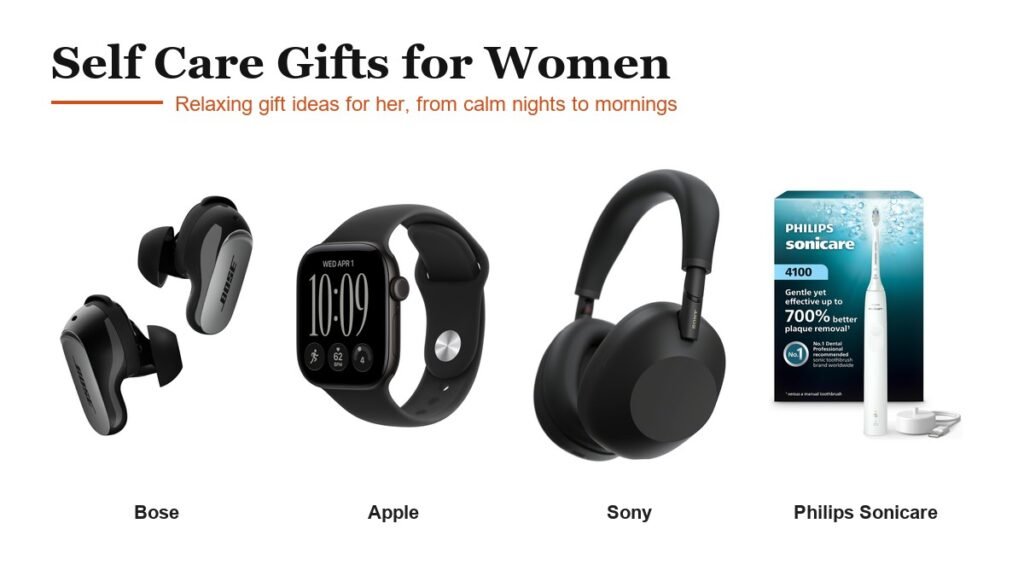
Self Care Gifts for Women 2026: 10 Relaxing Gift Ideas for Her
The best self care gift for a woman is one that makes an ordinary part of her day calmer, like the Himalayan Glow Salt Lamp for a soft amber glow at bedtime…