
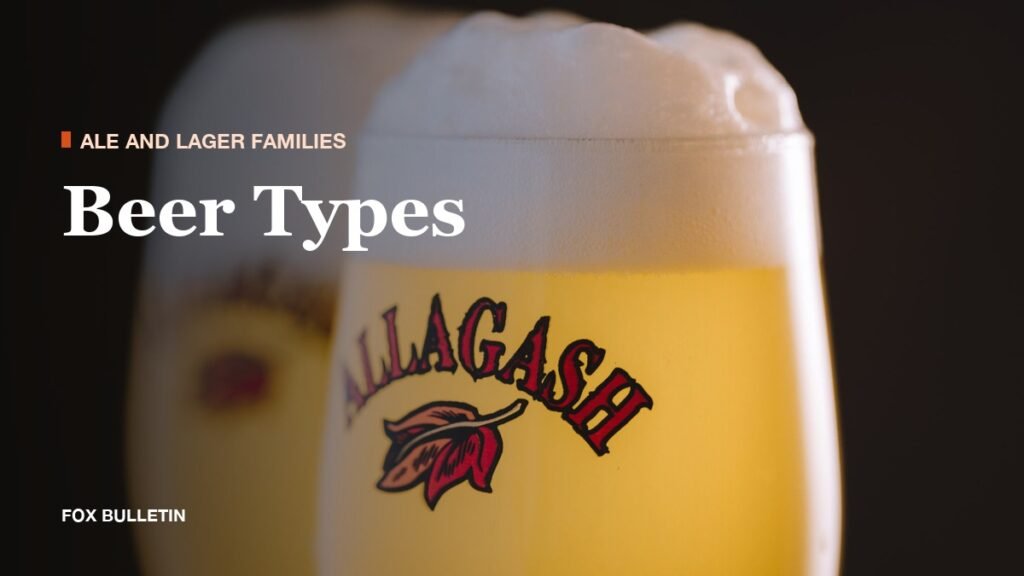
Every one of the beer types on this page sits on one side of a single line: ale yeast, Saccharomyces cerevisiae, working warm at the top, or lager yeast, Saccharomyces pastorianus, working cold at the bottom. Thirteen of the 17 styles are ales and four are lagers. Kolsch is the exception, fermented with ale yeast and then conditioned cold like a lager.
Strength, bitterness and colour use the Brewers Association’s 2026 ranges. The table groups the styles by family, ales first, and the sections after it walk the same order as a family tree: British and American ales, German ales, Belgian ales, then the lagers.
Beer Types by Family: ABV, IBU, SRM, Colour and Origin for All 17 Styles
| Style | Family | ABV % | IBU | SRM | Colour in words | Origin |
|---|---|---|---|---|---|---|
| American pale ale | Ale | 4.4-5.4 | 30-50 | 4-7 | Straw to light amber | USA, 1970s-80s |
| India pale ale | Ale | 6.3-7.5 | 50-70 | 4-12 | Pale to copper | England, late 1700s; modern US version 1970s |
| English brown ale | Ale | 4.2-6.0 | 12-25 | 12-24 | Copper to dark brown | England, 20th century |
| Brown porter | Ale | 4.4-6.0 | 20-30 | 20-35 | Dark brown to very dark | London, early 1700s |
| Irish dry stout | Ale | 4.1-5.3 | 30-40 | 40+ | Black | Ireland and England, c.1800-1900 |
| Barleywine | Ale | 8.5-12.2 | 40-65 British, 60-100 American | 11-36 British, 11-18 American | Tawny copper to deep red | England, 19th century |
| Hefeweizen | Ale | 4.9-5.6 | 10-15 | 3-9 | Straw to amber, cloudy | Bavaria, modern form from 1872 |
| Berliner weisse and gose | Ale (with lactic bacteria) | 2.8-5.0 Berliner, 4.4-5.4 gose | 3-6 Berliner, 5-15 gose | 2-4 Berliner, 2-7 gose | Straw to light amber, hazy | Berlin and Leipzig |
| Kolsch | Ale, cold-conditioned like a lager | 4.8-5.3 | 22-30 | 3-6 | Straw to gold, clear | Cologne, late 1800s |
| Witbier | Ale | 4.0-5.5 | 10-17 | 2-4 | Straw to pale, very cloudy | Belgium, medieval; revived 1966 |
| Saison | Ale | 4.5-6.5 | 20-38 | 2-15 | Straw to amber | Wallonia, Belgium |
| Belgian dubbel | Ale | 6.3-7.6 | 20-40 | 16-36 | Brown to very dark | Belgium, Westmalle 1922 |
| Belgian tripel | Ale | 7.1-10.1 | 20-50 | 4-9 | Pale to light amber | Belgium, Westmalle 1931 |
| German pilsner | Lager | 4.6-5.3 | 25-50 | 3-4 | Straw to pale | Plzen, Bohemia, 1842; Germany 1870s |
| Munich helles | Lager | 4.8-5.6 | 15-25 | 2.5-5 | Pale to gold | Munich, 1894 |
| Marzen | Lager | 5.1-6.0 | 18-25 | 4-15 | Pale to reddish-brown | Bavaria |
| Traditional bock | Lager | 6.3-7.6 | 20-30 | 20-30 | Dark brown to very dark | Einbeck, 14th-17th century |
Ale Yeast Against Lager Yeast: The Line Every Beer Type Falls On
Lager yeast is a hybrid of S. cerevisiae and the cold-tolerant S. eubayanus, and it ferments about 89 percent of the beer brewed worldwide. It is maintained for cold fermentations of 8 to 15 C, which is why lagers are slow, clean and crisp.
Ales typically ferment at 60 to 75 F (16 to 24 C) and lagers at 45 to 55 F (7 to 13 C). The rule bends: some saison strains need 95 to 100 F to finish, and California common strains act like lagers up to 65 F. Kolsch, fermented around 15 C and held near freezing for up to a month, is the clearest crossover.
Beer Types Walked Through by Family, Ales First and Lagers Second
American Pale Ale: The Hop-Forward Baseline
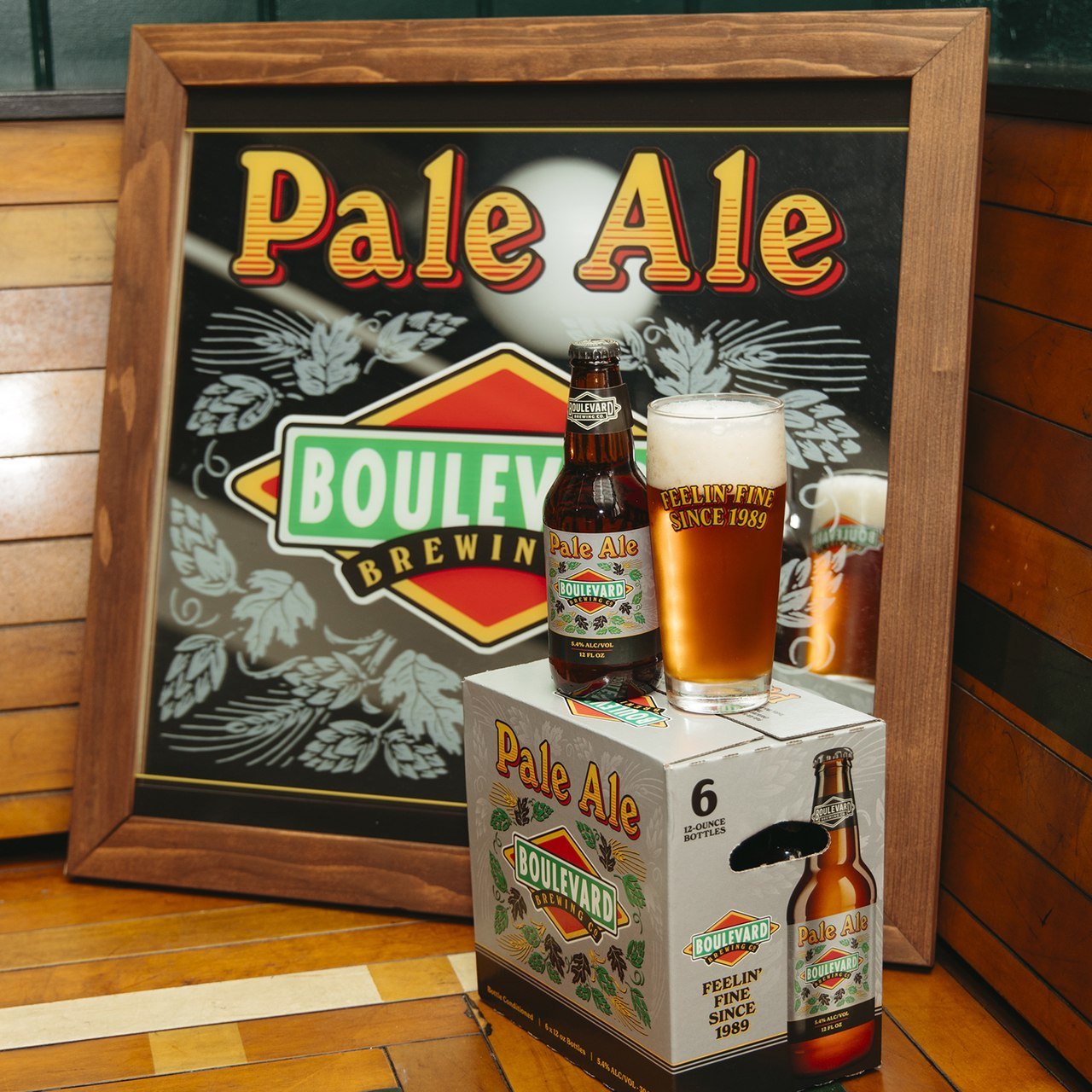
The Brewers Association puts an American pale ale at 4.4 to 5.4 percent ABV and 30 to 50 IBU; the BJCP’s range runs to 6.2 percent. It adapts English pale ale with American hops and a clean ale yeast. Boulevard Pale Ale is 5.4 percent, and Oskar Blues Dale’s Pale Ale, at 6.5, sits above both ceilings.
India Pale Ale: Stronger, Bitterer, Split Four Ways
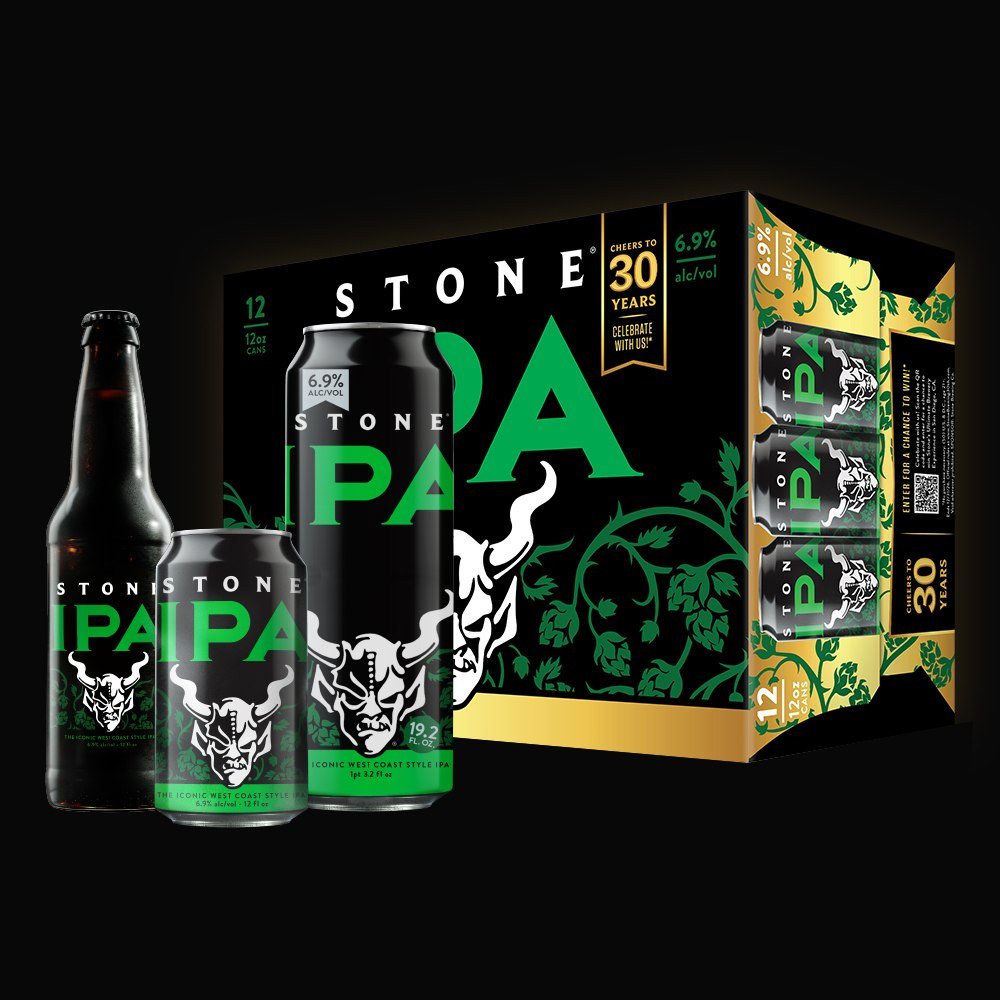
American IPA runs 6.3 to 7.5 percent and 50 to 70 IBU. Lagunitas IPA is 6.2 percent, Stone IPA 6.9 and Founders Centennial IPA 7.2. West Coast IPA is dry and resinous at 50 to 75 IBU; hazy IPA is soft, at 20 to 50 IBU; double IPA runs 7.6 to 10.6 percent, and Victory DirtWolf is 8.7.
English Brown Ale: Malty Without the Roast
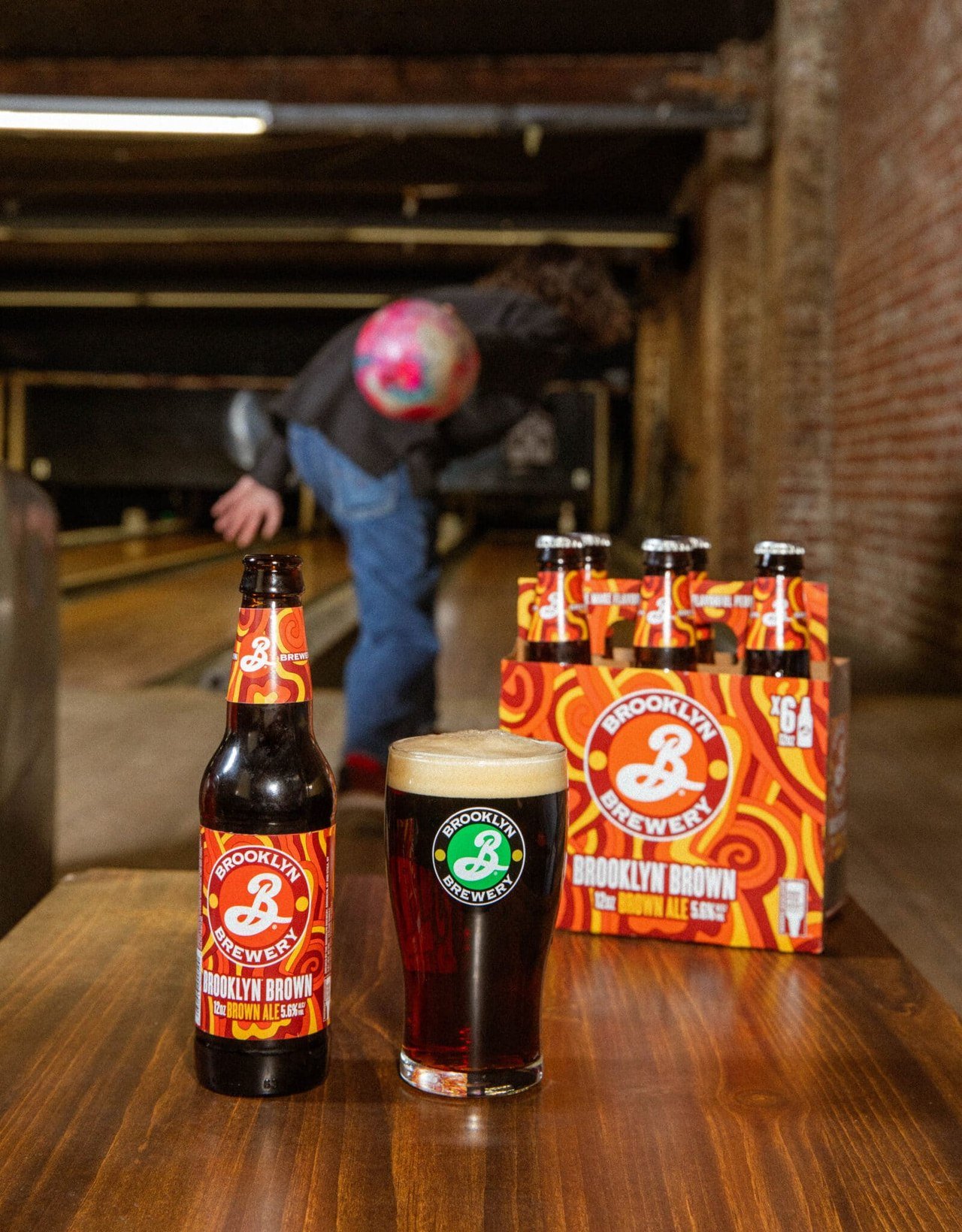
English brown ale runs 4.2 to 6.0 percent, 12 to 25 IBU and SRM 12 to 24. It is malty, caramelly and nutty without porter’s roast, and the modern style dates to the 20th century. Brooklyn Brown Ale is 5.6 percent. The American version is hoppier, at 30 to 45 IBU.
Porter: London Origins and Restrained Roast
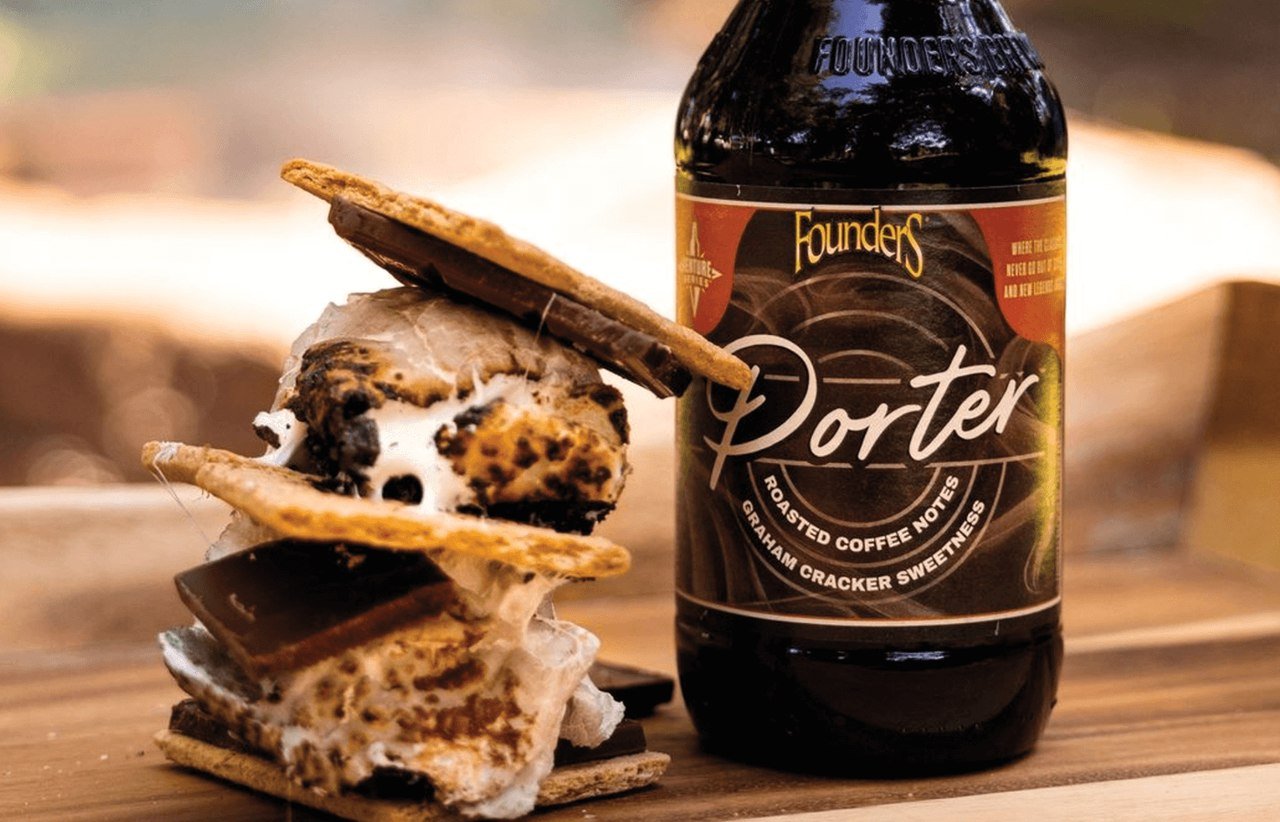
Brown porter runs 4.4 to 6.0 percent, 20 to 30 IBU and SRM 20 to 35. It dates to London in the early 1700s, and black malt was not invented until 1817. Great Lakes Edmund Fitzgerald Porter is 6.0 percent and Founders Porter is 6.5.
Irish Dry Stout and Its Stronger Cousins
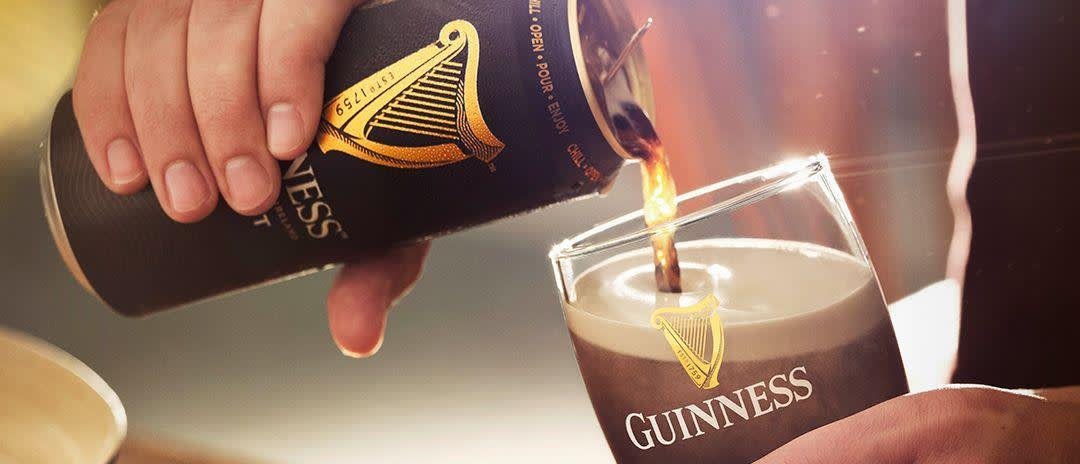
Irish dry stout runs 4.1 to 5.3 percent, 30 to 40 IBU and SRM 40 or more, black. Guinness Draught is 4.2 percent. Guinness brewed only porter from 1799 and a stouter kind from about 1810; Guinness Foreign Extra Stout, 7.5 percent, was once West India Porter. Imperial stout runs 7.0 to 12.0 percent, and Victory Storm King is 9.1.
Barleywine: The Strongest Ale a Brewery Makes
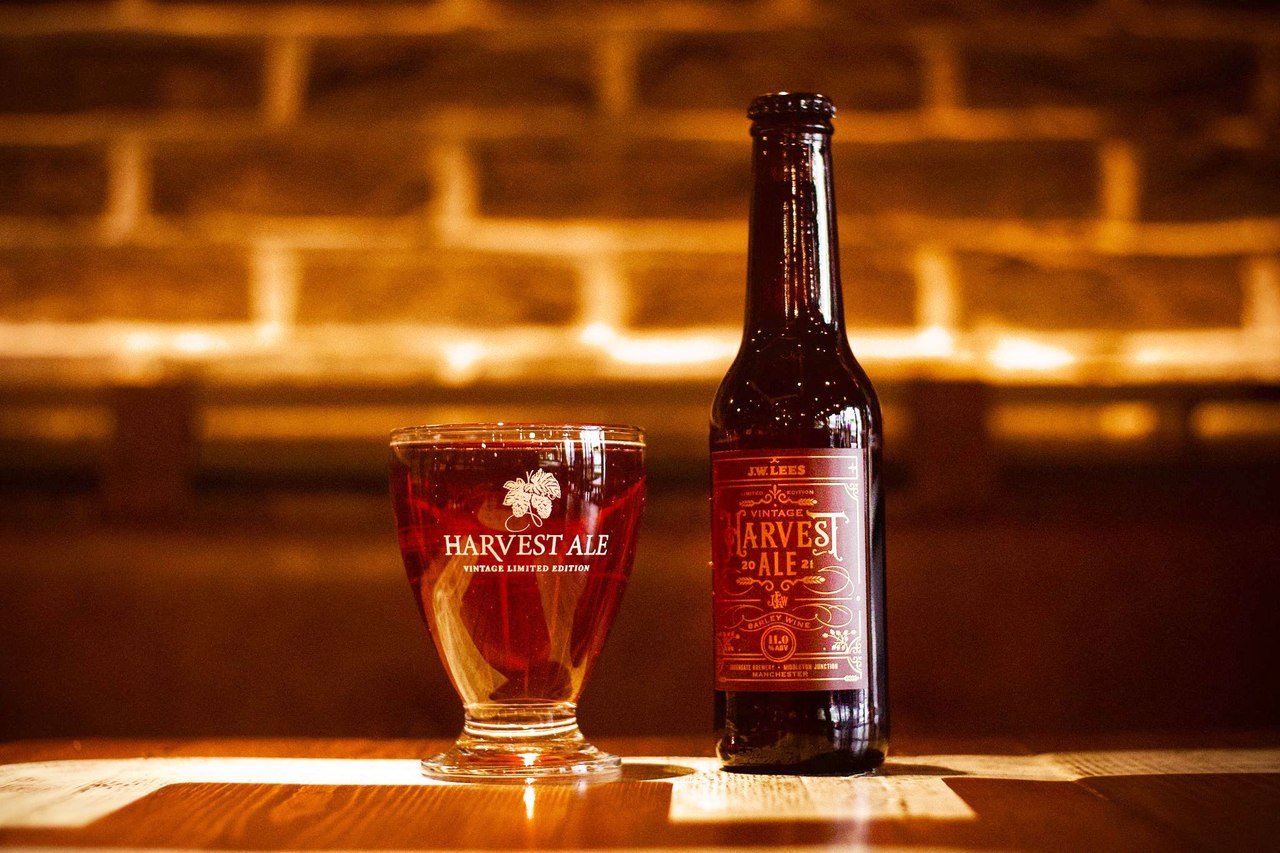
Barleywine runs 8.5 to 12.2 percent, with British-style at 40 to 65 IBU and American-style at 60 to 100. It is brewed from grain, not grapes, and ages for years. Bass No. 1 was first called a barley wine in 1872. Dogfish Head Olde School, at 15 percent, is above the ceiling; J.W. Lees Harvest Ale is a British example.
Hefeweizen: Banana, Clove and Cloud
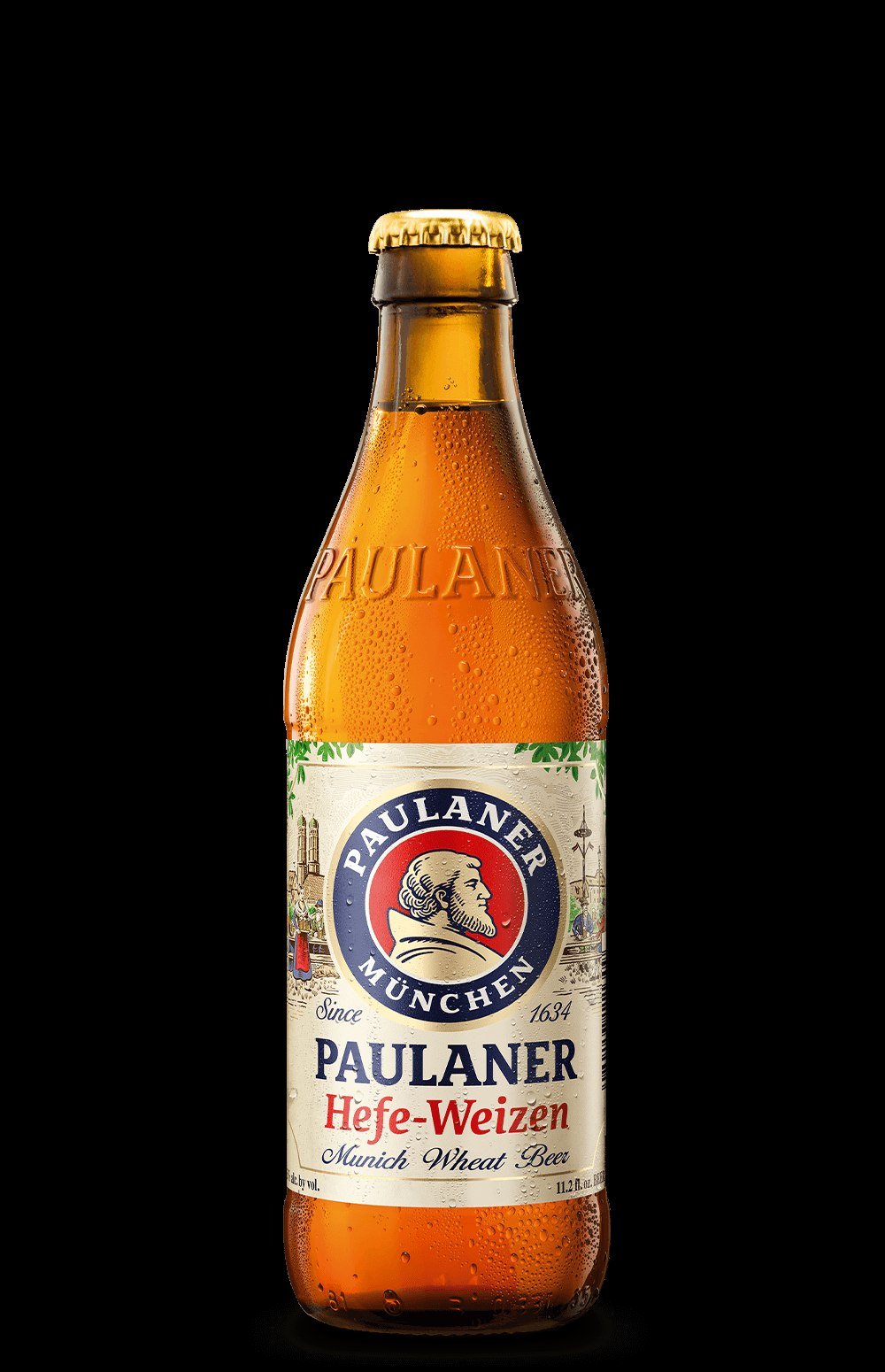
Hefeweizen runs 4.9 to 5.6 percent, 10 to 15 IBU and SRM 3 to 9. At least half the grist is malted wheat, and a weizen yeast gives banana and clove. Weihenstephaner Hefeweissbier is 5.4 percent and Paulaner Hefe-Weizen is 5.5.
Berliner Weisse and Gose: The Sour Wheat Ales
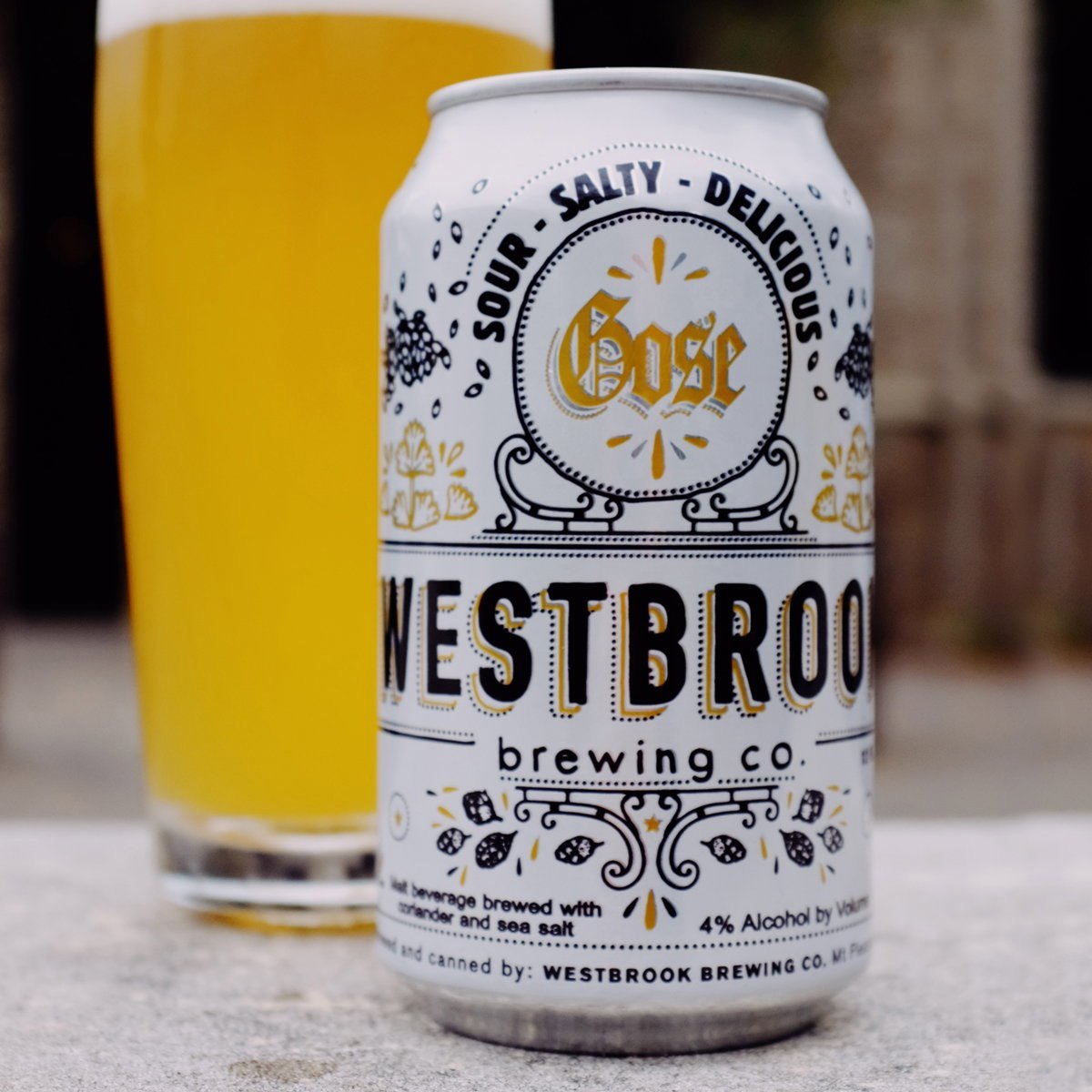
Lactobacillus sours these ales alongside the yeast. Berliner weisse runs 2.8 to 5.0 percent and 3 to 6 IBU; gose runs 4.4 to 5.4 percent and 5 to 15 IBU, with salt and coriander. Westbrook Gose is 4.0 percent and Anderson Valley Holy Gose is 4.2. Berliner Kindl Weisse is the Berlin classic.
Kolsch: The Ale That Lagers
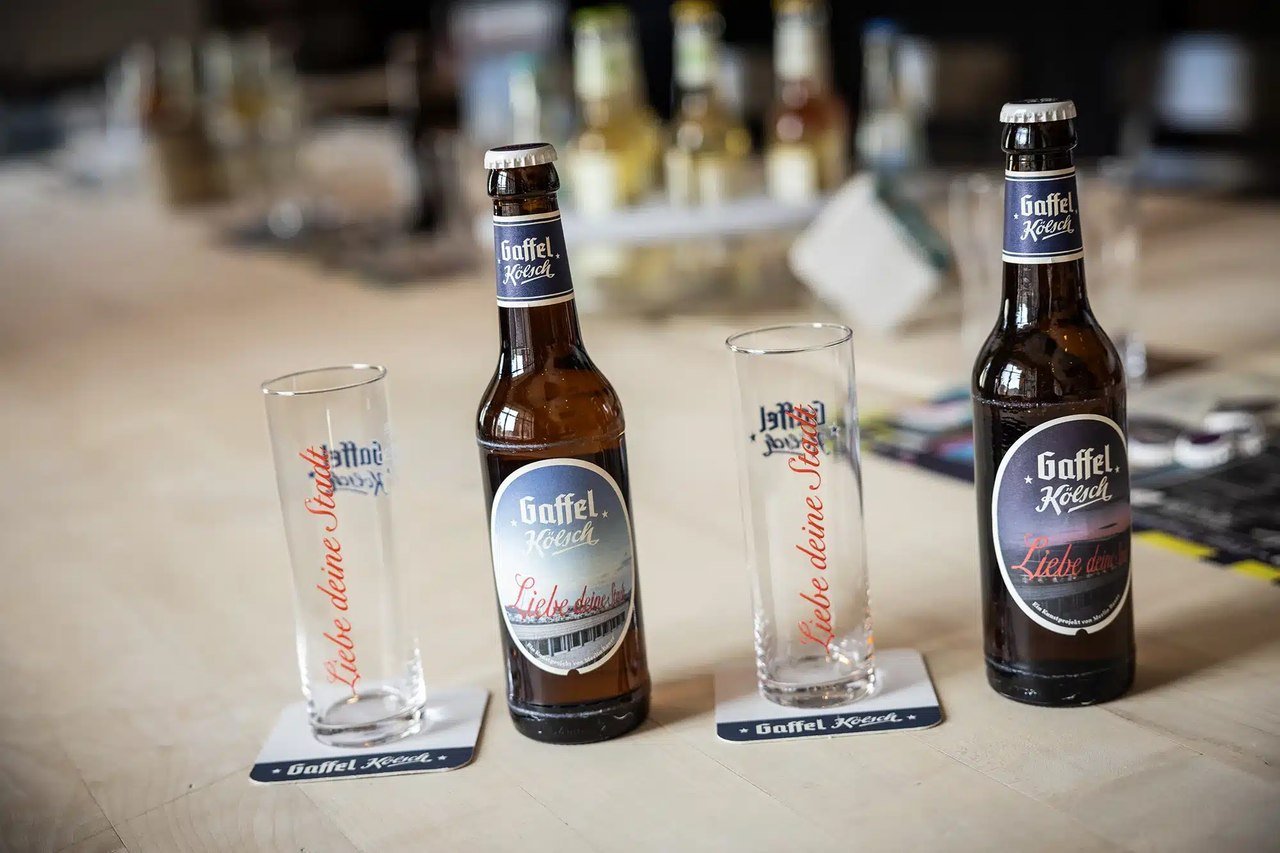
Kolsch runs 4.8 to 5.3 percent, 22 to 30 IBU and SRM 3 to 6. Reissdorf Kolsch is 4.8 percent; Gaffel is another Cologne brand. The name is a protected appellation under the 1986 Kolsch Konvention, restricted to breweries in and around Cologne.
Witbier: Unmalted Wheat, Coriander and Orange Peel
Witbier runs 4.0 to 5.5 percent, 10 to 17 IBU and SRM 2 to 4. Unmalted wheat is 30 to 60 percent of the grist, spiced with coriander and Curacao orange peel. It died out in 1957 and Pierre Celis revived it in 1966. Allagash White and Ommegang Witte are both 5.2 percent.
Saison: The Dry Farmhouse Ale
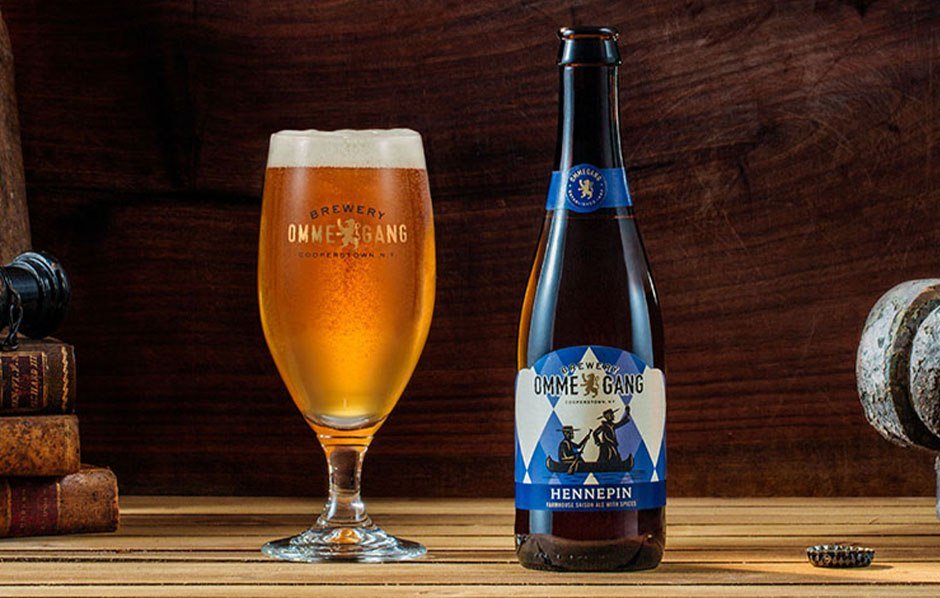
Saison runs 4.5 to 6.5 percent, 20 to 38 IBU and SRM 2 to 15, very dry and peppery. Saison Dupont, 6.5 percent, was first produced in the 1920s in Wallonia. Ommegang Hennepin is 7.7 and Boulevard Tank 7 is 8.5.
Belgian Dubbel: Dark Fruit and Caramelised Sugar
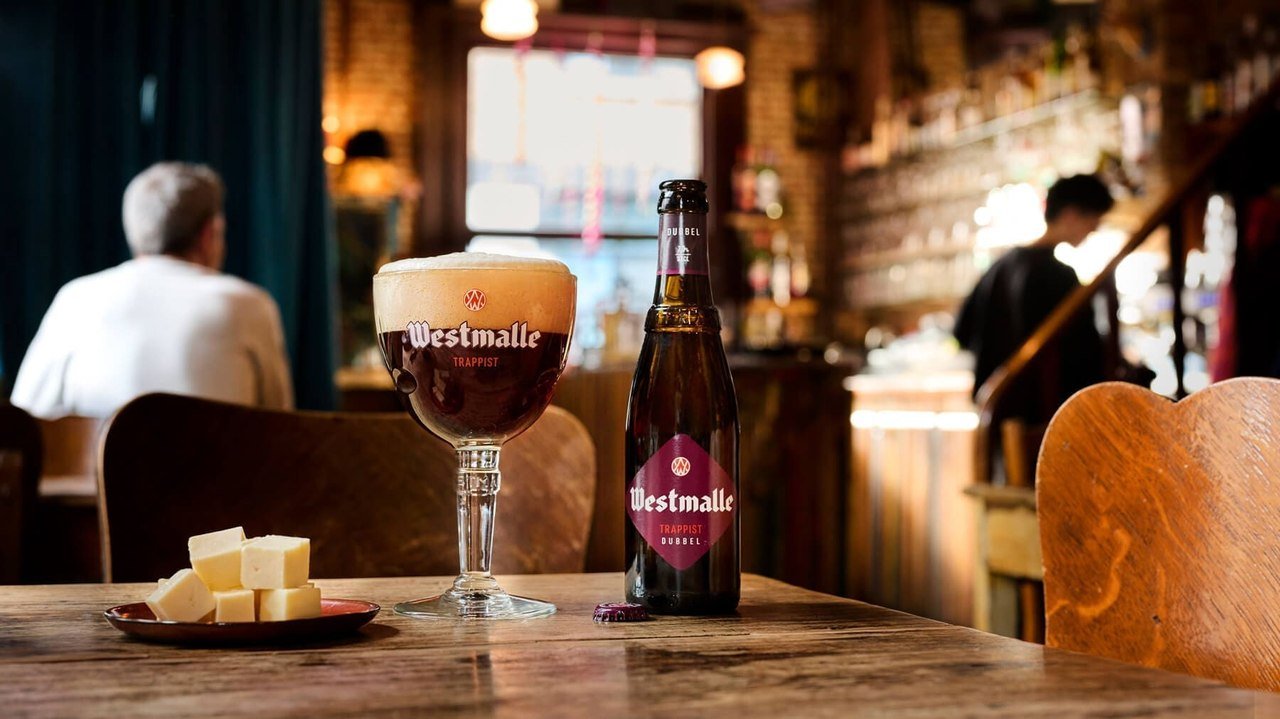
Dubbel runs 6.3 to 7.6 percent, 20 to 40 IBU and SRM 16 to 36. The modern style traces to the double brown first produced at Westmalle in 1922. Westmalle Dubbel and Chimay Red are both 7.0 percent; Ommegang Abbey Ale, 8.2, is above the ceiling.
Belgian Tripel: Strong but Pale
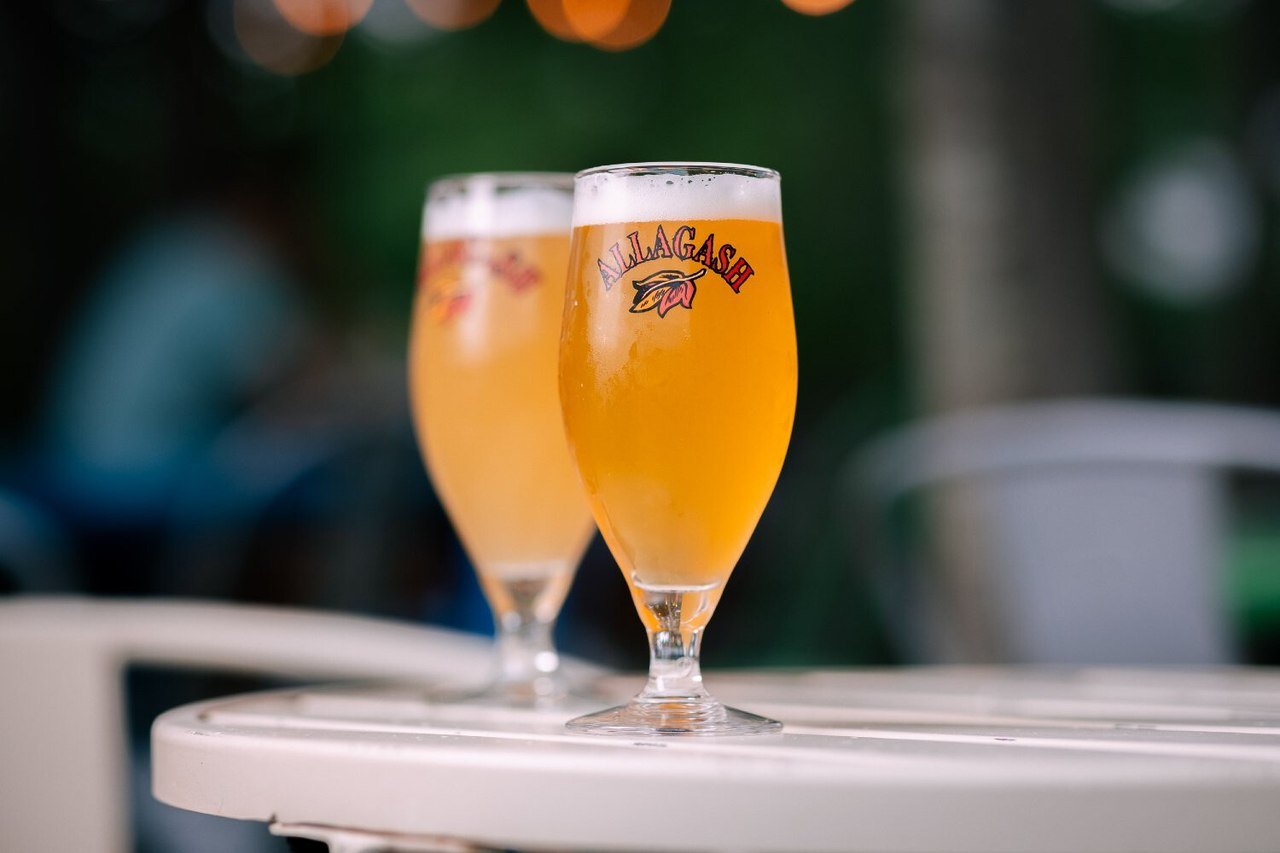
Tripel runs 7.1 to 10.1 percent, 20 to 50 IBU and SRM 4 to 9. Pilsner malt and pale sugar give high attenuation and a dry finish; Westmalle popularised it from 1931. Allagash Tripel is 9.0 percent and Victory Golden Monkey 9.5.
German Pilsner: Pale Malt, Noble Hops, Cold Yeast
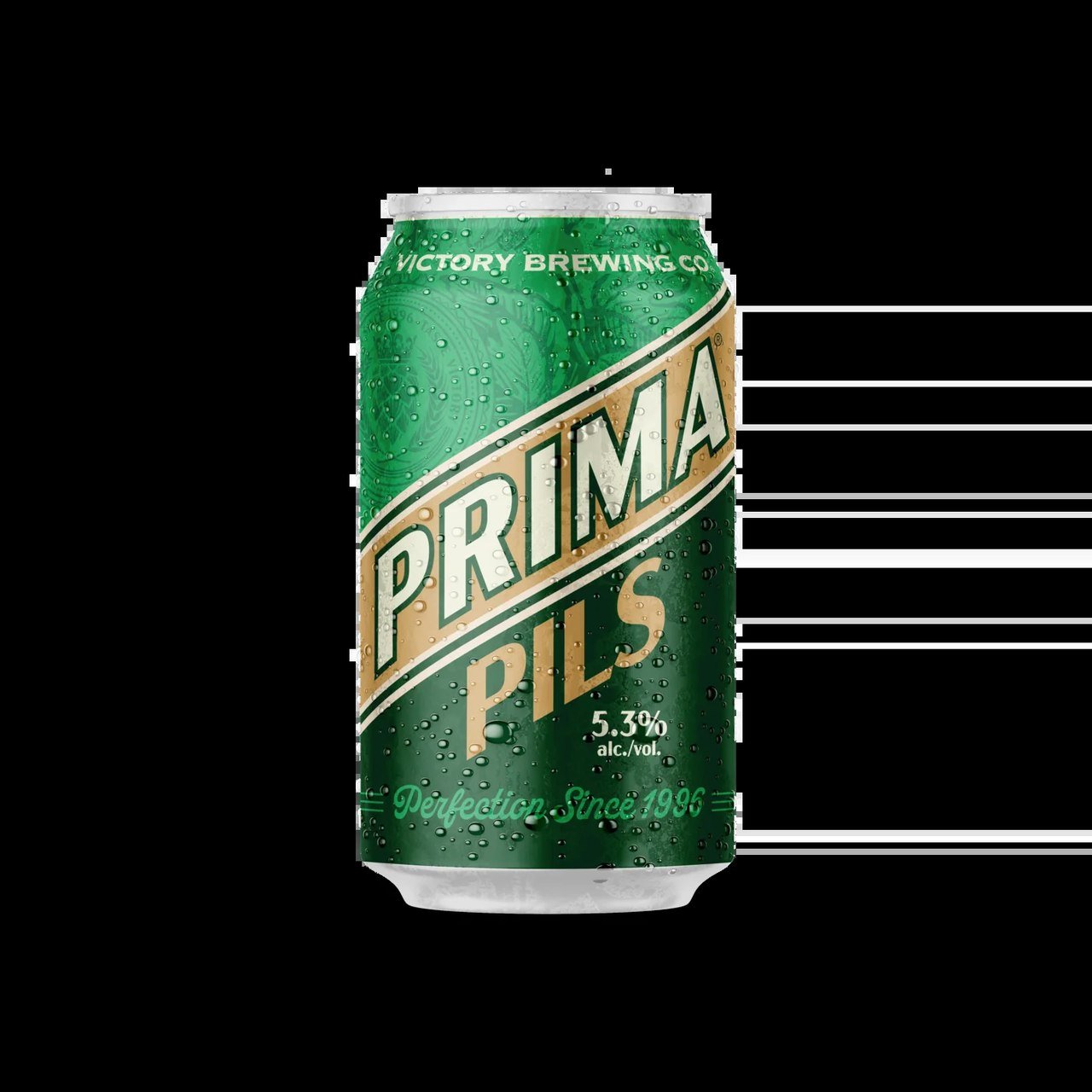
German pilsner runs 4.6 to 5.3 percent, 25 to 50 IBU and SRM 3 to 4. Pilsner Urquell began in Plzen, Bohemia, in 1842, credited to Josef Groll; German Pils followed in the early 1870s. Victory Prima Pils is 5.3 percent, Weihenstephaner Pils 5.1 and Brooklyn Pilsner 5.0.
Munich Helles: Malt-Forward and Soft
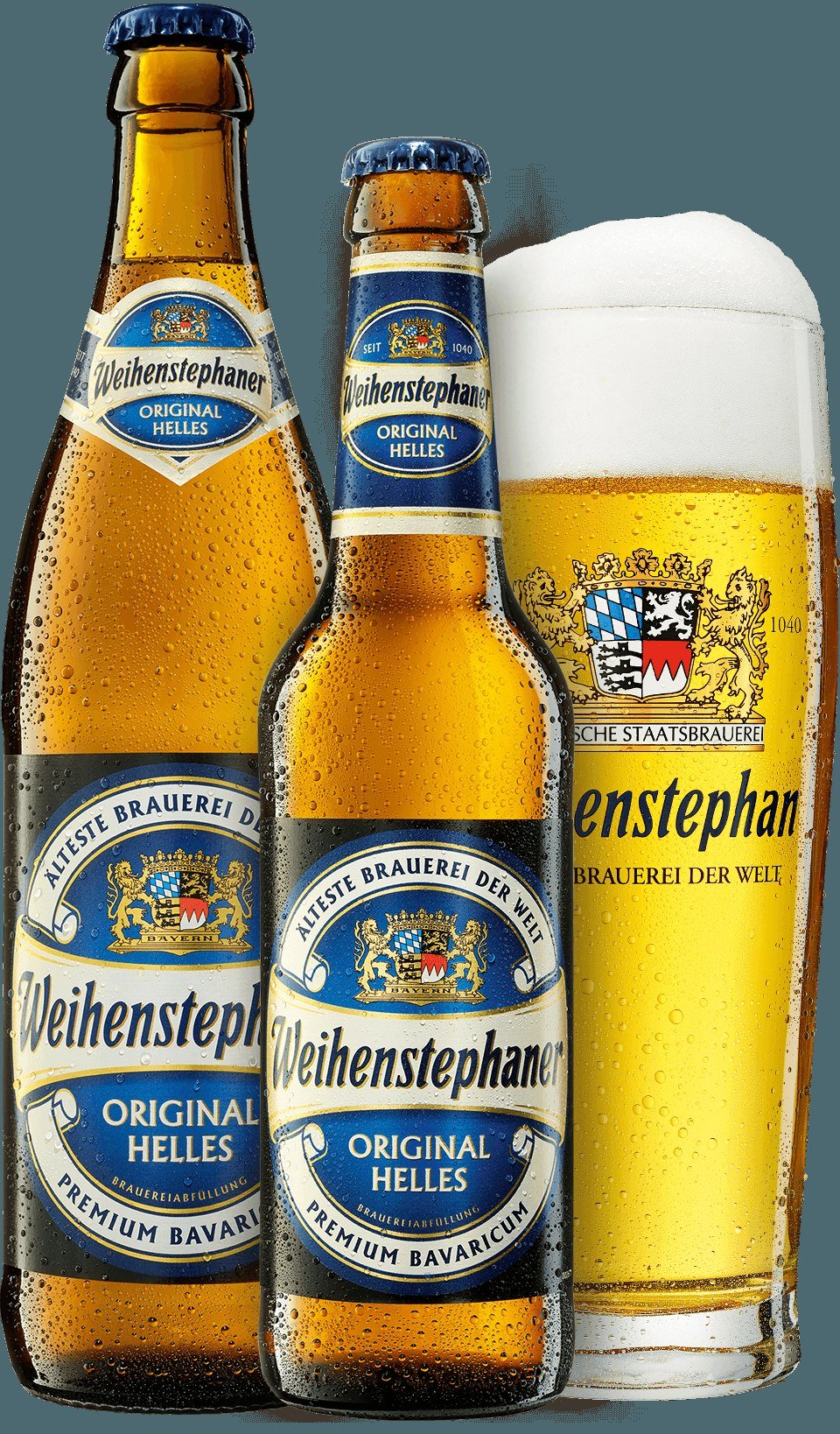
Helles runs 4.8 to 5.6 percent, 15 to 25 IBU and SRM 2.5 to 5: the pilsner’s pale malt with far less hop bitterness. It dates to Munich in 1894, often credited to Spaten. Weihenstephaner Original Helles is 5.1 percent.
Marzen: The Amber Lager of Oktoberfest
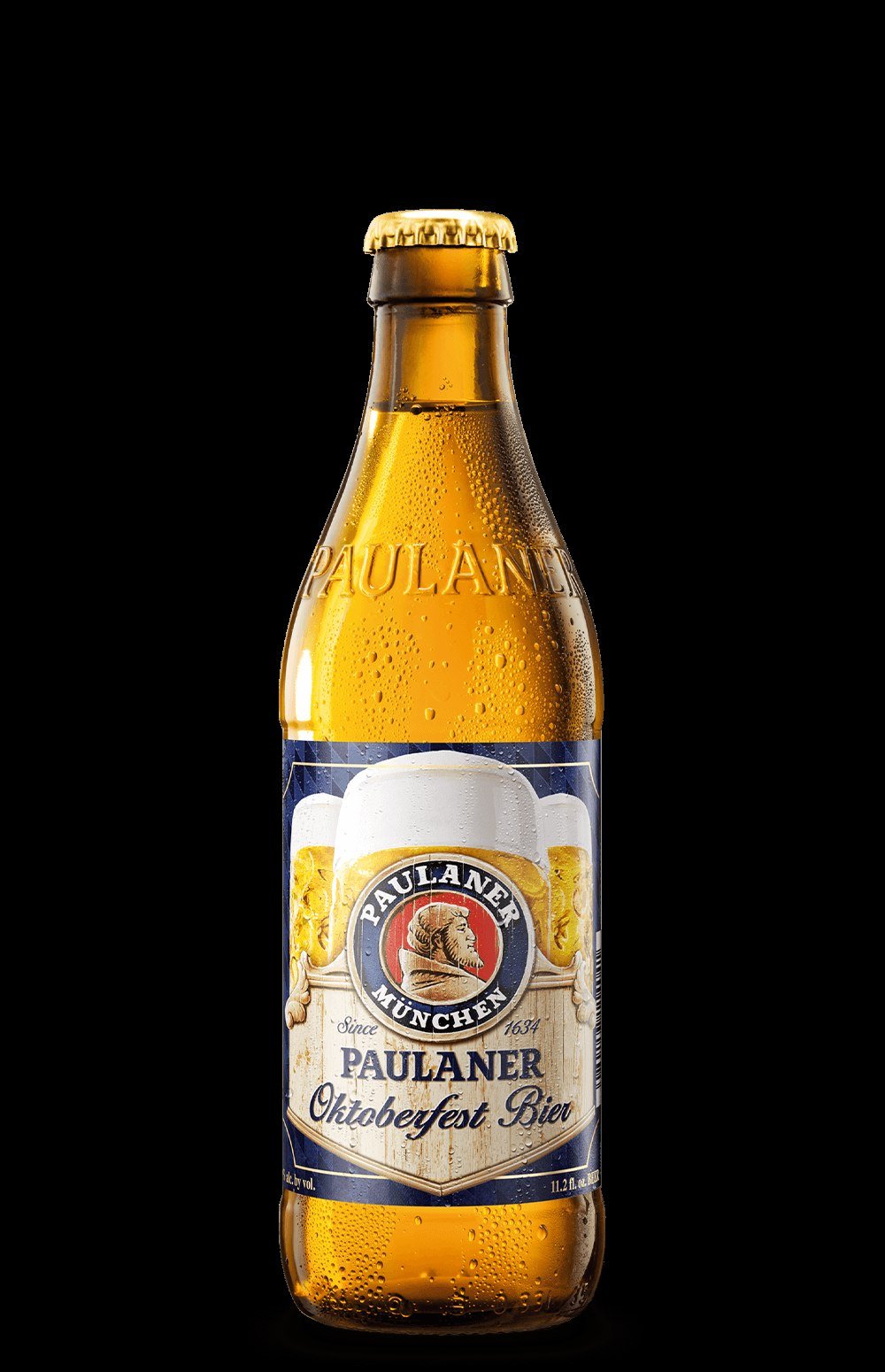
Marzen runs 5.1 to 6.0 percent, 18 to 25 IBU and SRM 4 to 15, toasty and bready from Munich malt. It was brewed in March and lagered in cold caves over summer. Paulaner Oktoberfest Bier is 6.0 percent and Samuel Adams Octoberfest 5.3. The modern pale Festbier is 5.1 to 6.1 percent.
Bock and Doppelbock: Strong, Malty Lagers
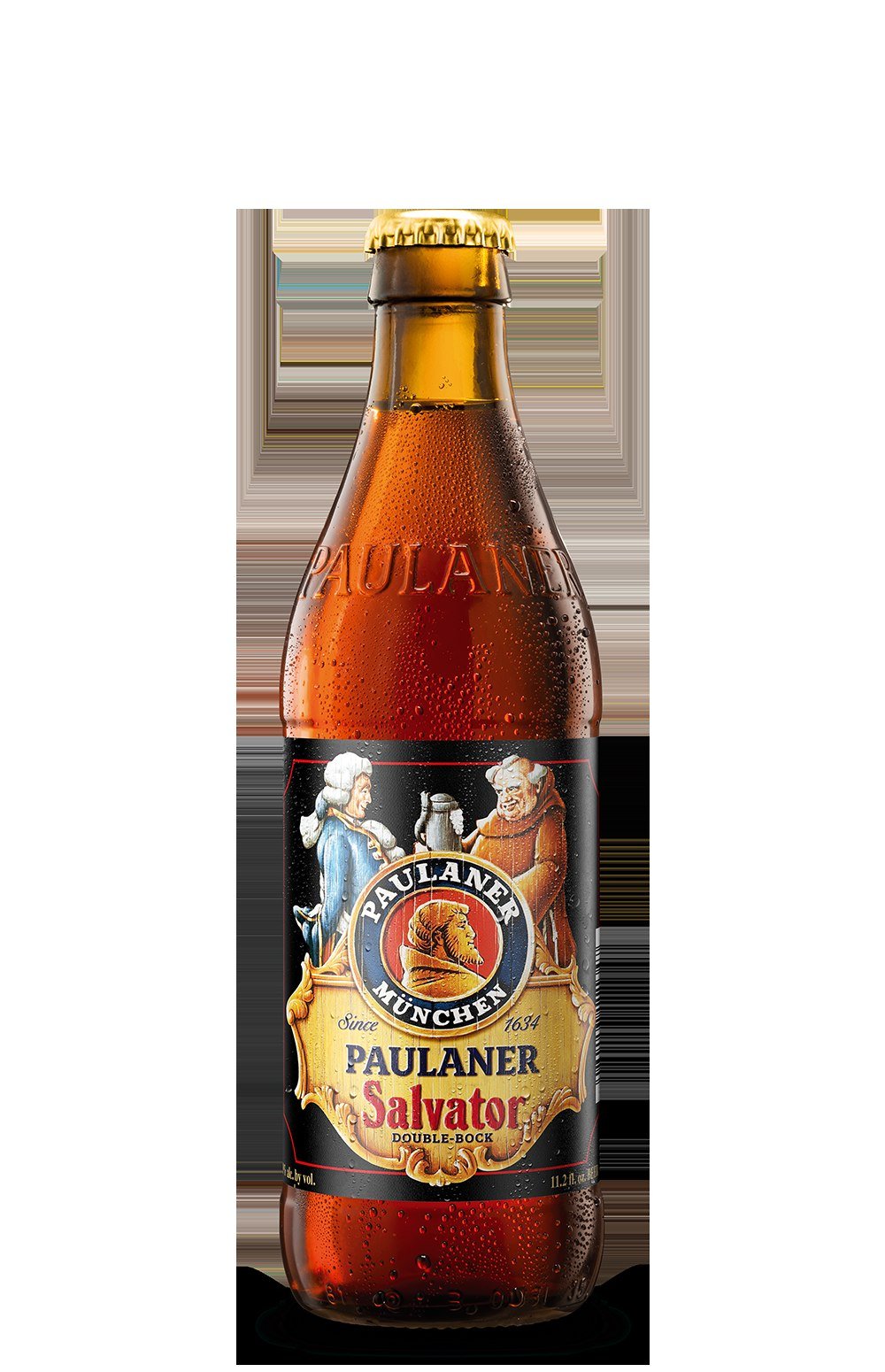
Traditional bock runs 6.3 to 7.6 percent, 20 to 30 IBU and SRM 20 to 30; it began in Einbeck, Germany. Doppelbock runs 6.6 to 7.9 percent in the Brewers Association’s range and 7 to 10 in the BJCP’s. Munich monks made it as liquid bread for Lent. Paulaner Salvator is 7.9 percent, Weihenstephaner Korbinian 7.4. Eisbock reaches 14.3.
What IBU and SRM Actually Measure
IBU is a laboratory number: the beer is acidified, extracted into isooctane, and the absorbance at 275 nm is multiplied by 50. It catches anything isooctane-soluble that absorbs at that wavelength, not only hop acids. Malt sweetness, body and hop oils change what a drinker tastes, so the Brewers Association notes that hazy IPA’s 20 to 50 IBU may differ significantly from perceived bitterness.
SRM measures the loss of blue light at 430 nm through 1 cm of beer. EBC uses a multiplier of 25 instead of 12.7, so EBC equals SRM times 1.97: 10 SRM is 19.7 EBC. The scale runs from straw at 2 to 3, gold at 5 to 6 and copper at 10 to 12, to dark brown at 18 to 24 and black at 40 and above.
The IPA Story: What Is Documented and What Is Myth
The tale that George Hodgson of Bow invented IPA is a myth. English IPA began as a pale stock ale from London first shipped to India in the late 1700s. Hodgson dominated the trade, with beer for India on sale in Liverpool by 1825, and Samuel Allsopp recreated the beer in 1823 using Burton water.
The first known use of ‘East India Pale Ale’ in a British publication is a Liverpool newspaper of 1835, and IPA took off in advertising in the 1840s. The popular wreck story dates from an 1869 book, and the real wreck, the Crusader, was at the end of the 1830s, not 1827. Anchor Liberty Ale, first brewed in 1975, is generally believed to be the first modern American IPA.
Reinheitsgebot and the Gap Between a Style and the Law
The Reinheitsgebot was issued on 23 April 1516 at Ingolstadt by Dukes Wilhelm IV and Ludwig X of Bavaria. It limited ingredients to barley, hops and water, since yeast was unknown. It also fixed beer prices per Mass and kept brewers from competing with bakers for grain. The German brewers’ federation now states water, malt, hops and yeast.
A style guideline is a judging framework, not a legal definition. It underpins competitions such as the Great American Beer Festival and World Beer Cup, and a brewery can label a beer with any style name. Kolsch is the exception on this page. The same logic applies to cheese types, where some names are protected and most are not.
Where Beer Classification Blurs: Bands, Boundaries and Glass Depth
The ranges are bands, not rules. Dale’s Pale Ale at 6.5 percent, Ommegang Abbey Ale at 8.2 and Dogfish Head Olde School at 15 all sit outside their style ceilings and are sold under the style name anyway. The BJCP puts American IPA at 40 to 70 IBU where the Brewers Association has 50 to 70.
Boundaries blur too. Porter and stout overlap in colour and roast, and the BJCP and the Brewers Association separate them mainly on roast intensity, not yeast. SRM is read through 1 cm of beer, so the same pour looks darker in a tall glass than the number suggests.
How to Read a Beer Label Against These Ranges
Find the ABV, then the family. A 5.5 percent beer called a hazy IPA, as Lagunitas Hazy IPA is, sits below that style’s 6 percent floor, so treat the style word as a hint. For a party table, one pilsner, one wheat beer and one amber or dark ale cover most guests, and Halloween party ideas has the food side.
- Low strength: hefeweizen, witbier and Berliner weisse, all under 5.6 percent.
- Hop-forward: start with American pale ale, then step up to IPA.
- Dark and roasty: stout is blacker than brown porter, SRM 40 or more against 20 to 35.
- Strong sipping: barleywine, tripel and doppelbock run from 6.6 to 12.2 percent.
Frequently Asked Questions
What Is the Difference Between Ale and Lager?
Yeast and temperature. Ales use S. cerevisiae and ferment warm, about 16 to 24 C. Lagers use S. pastorianus and ferment cool, about 7 to 13 C, then condition cold. Kolsch is an ale conditioned cold like a lager.
Which Beer Style Is the Strongest?
Eisbock: 9 to 14 percent in the BJCP and 8.6 to 14.3 in the Brewers Association. Belgian-style quadrupel runs 10.0 to 14.2 percent. Of the 17 styles above, barleywine tops out at 12.2 percent and imperial stout at 12.0.
What Does IPA Stand For?
India pale ale. It began as a pale, well-hopped beer shipped from England to India from the late 1700s. Hodgson did not invent it, and Allsopp recreated it in 1823.
Are Stout and Porter Different?
Related but separate. Stout evolved from London porter as a stouter, roastier beer, and Irish stout diverged in the late 1800s. Irish dry stout is SRM 40 or more; brown porter is 20 to 35.
Related Articles

Get the Fox Bulletin briefing
The stories that matter, in your inbox. No spam, unsubscribe anytime.
Newsletter signup will be available soon.
Related stories

Bra Sizes: What the Letters Mean and How to Check Fit
No standards body defines a bra size, so the band number and cup letter on a label belong to the brand that printed them. This page shows what the letters measure, how one body gets four different sizes from four sets of instructions, how sister sizes work, and nine signs that a bra does not fit.
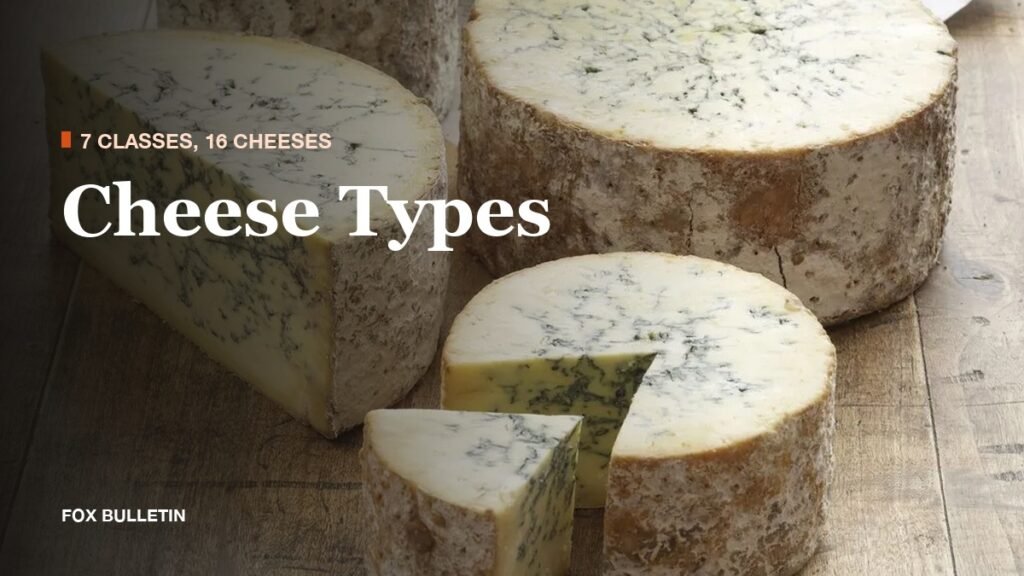
Cheese Types: 7 Classes and How to Spot Each One
Every cheese at the counter belongs to one of seven classes: fresh, soft-ripened, semi-soft, semi-hard, hard, blue or processed. This guide shows how to recognise each by feel, rind and age, with milk, moisture limits and ageing times for 16 familiar cheeses.
How Many Bones in the Human Body: 206, Region by Region
The adult human skeleton has 206 bones, and this page counts every one by region in a single chart. It then walks through the skull, spine, ribs, arms and legs, explains why babies have roughly 270 to 300 bones, and covers the longest and smallest bones and the extra bones some adults carry.