

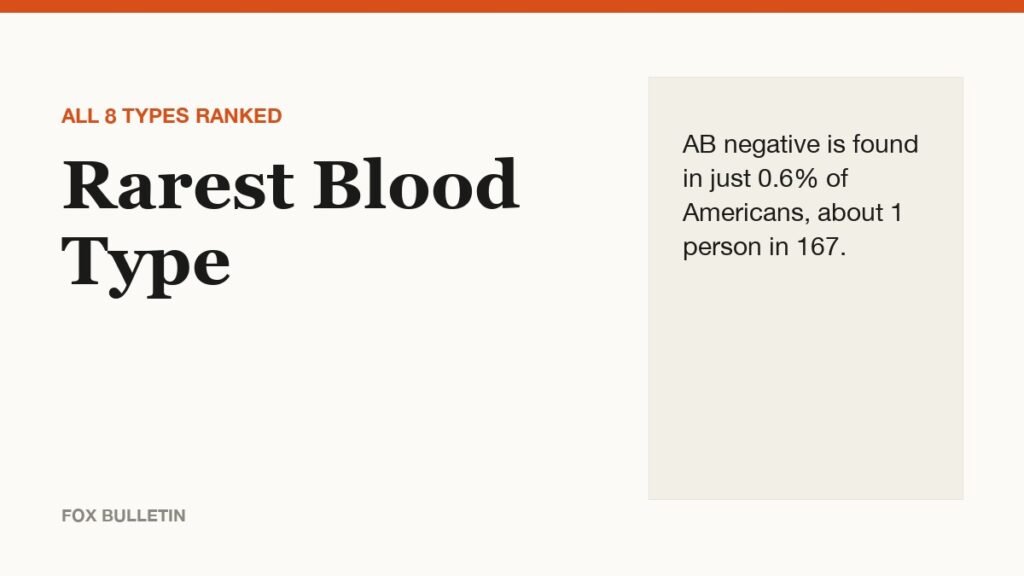
The rarest blood type is AB negative, found in 0.6% of the US population, or about 1 person in 167. It is the rarest of the 8 main blood types, which are the four ABO groups (A, B, AB and O) each split by the Rh factor into positive and negative. The American Red Cross calls it the least common type among Americans, and it is the only one of the 8 that falls below 1%.
This page uses the one-decimal US population shares published by Stanford Blood Center from the AABB Technical Manual, and the compatibility rules the American Red Cross publishes for red cells. Below you will find all 8 types ranked from rarest to most common, a section on each, and the far rarer Rh-null type that sits outside the 8 entirely.
The 8 Blood Types Ranked Rarest to Most Common, With Donate-To and Receive-From
Shares are the percentage of the US population. The last two columns describe red cell transfusions: who each type can give red cells to, and whose red cells it can receive.
| Rank | Blood type | US share | Can give red cells to | Can receive red cells from |
|---|---|---|---|---|
| 1 | AB- | 0.6% | AB-, AB+ | A-, B-, AB-, O- |
| 2 | B- | 1.5% | B-, B+, AB-, AB+ | B-, O- |
| 3 | AB+ | 3.4% | AB+ | All 8 types |
| 4 | A- | 6.3% | A-, A+, AB-, AB+ | A-, O- |
| 5 | O- | 6.6% | All 8 types | O- |
| 6 | B+ | 8.5% | B+, AB+ | B+, B-, O+, O- |
| 7 | A+ | 35.7% | A+, AB+ | A+, A-, O+, O- |
| 8 | O+ | 37.4% | O+, A+, B+, AB+ | O+, O- |
The shares add up to 100.0%. The two rarest types together, AB negative and B negative, account for 2.1% of Americans, while O positive and A positive together cover 73.1%.
Rarest Blood Type to Most Common, Type by Type
The ranking runs from 1 person in 167 at the top to roughly 1 person in 3 at the bottom. Each section below gives the share and the compatibility rules for that type.

1. AB Negative: The Rarest Blood Type at 0.6%
AB negative appears in about 1 person in 167.
AB negative patients can receive red cells from all negative types: A negative, B negative, AB negative and O negative. Their own red cells can go to AB negative and AB positive patients, since both carry A and B antigens. As a member of the AB group, an AB negative donor is also a universal plasma donor.
2. B Negative: Under 2% of Americans
B negative makes up 1.5% of the US population, about 1 person in 67. The Red Cross puts it below 2%, which makes it the second rarest of the 8 and the only other type below that mark.
B negative red cells can go to B and AB patients, whether positive or negative, so the donate-to list is B negative, B positive, AB negative and AB positive. A B negative patient can only receive red cells from B negative or O negative donors.
3. AB Positive: The Universal Recipient at 3.4%
AB positive is 3.4% of the population, about 1 person in 29, and sits third in the rarity order. The Red Cross puts it below 4%. It is the other half of the AB group, which together with AB negative makes 4.0% of Americans.
AB positive is called the universal recipient because it can receive red cells from all 8 types. In the other direction it is the most restricted: AB positive red cells can only go to AB positive patients. AB positive donors are universal plasma donors, as with all of the AB group.
4. A Negative: 1 in 16 Americans
A negative accounts for 6.3% of the population, or about 1 person in 16. It is the first of the 8 to pass 5%, and it trails the type ranked fifth by only 0.3 percentage points.
A negative red cells can go to anyone with type A or AB, regardless of the plus or minus. That gives a donate-to list of A negative, A positive, AB negative and AB positive. A negative patients can only receive from A negative or O negative donors.
5. O Negative: The Universal Red Cell Donor at 6.6%
O negative is 6.6% of the US population, about 1 person in 15, which makes it the fifth rarest of the 8. Its rank is low, yet the demand placed on it is among the highest, as the figures below show.
O negative is the universal red cell donor, since its red cells can go to all 8 types. The reverse is strict: O negative patients can only receive O negative blood. The Red Cross notes that a single car accident victim can require up to 100 units of O negative, and that it is the first supply to run out in a shortage.
6. B Positive: About 1 in 12
B positive makes up 8.5% of Americans, about 1 person in 12. The Red Cross rounds this to about 9%. It is the most common of the three types in the B and AB groups that carry the Rh protein other than AB positive, and the first of the 8 above 7%.
B positive red cells can go to B positive and AB positive patients. A B positive patient can receive red cells from B positive, B negative, O positive and O negative donors, so four types can supply them.
7. A Positive: Roughly 1 Person in 3
A positive is 35.7% of the population, about 1 person in 3, and the second most common type. The jump from B positive at 8.5% to A positive is the largest step anywhere in the ranking, more than 27 percentage points.
A positive red cells go to A positive and AB positive patients. A positive patients can receive from A positive, A negative, O positive and O negative donors. The Red Cross adds that chemotherapy patients have high demand for platelets from A positive donors.
8. O Positive: The Most Common Blood Type at 37.4%
O positive is the most common type, at 37.4% of the population, or about 1 person in 3. The Red Cross lists it as the most frequently occurring type.
O positive red cells are compatible with any Rh positive patient, so they can go to A positive, B positive, AB positive and O positive. An O positive patient can only receive O positive or O negative red cells. Even as the commonest type, it gives red cells to four of the 8.
Rh-Null “Golden Blood”: Rarer Than Anything in the Table
Rh-null is the complete absence of all Rh antigens on red cells. A 2025 paper in Human Molecular Genetics, which uses the name golden blood, gives its prevalence as 1 in 6,000,000 and says Rh-null blood is compatible with all other Rh phenotypes. That makes it far rarer than AB negative, which is about 1 in 167.
A 2026 scoping review in Immunohematology found only 8 published individuals with Rh-null. That is a count of cases in the literature, not a count of people alive with the type. The review describes Rh-null as the rarest of the Rh system phenotypes and links it to chronic hemolytic anemia. Patients are limited to Rh-null units from family members, frozen inventories or rare donor registries.
Why the Rarity Ranking Shifts With Ancestry
Blood type shares are not the same in every population. The Red Cross reports the share of type O, positive and negative combined, by group: 45% of Caucasians, 51% of African-Americans and 57% of Hispanics (Latinos) are type O.
For the US as a whole the type O share works out at 44.0%, which is O positive at 37.4% plus O negative at 6.6%. The Red Cross diversity page makes the same point: type O is more common among Latino and African American donors than among Caucasian donors. The figures in the table are national averages and do not describe any one group.
Beyond these type O shares, the Red Cross publishes no per-group figures for the other types in its page text, so this page makes no further claims about how rarity differs by ancestry. For another comparison across countries, see life expectancy by country.
What Rarity Means for Donors: AB Plasma and O Negative Red Cells
Rarity and demand are separate questions. AB negative is the rarest type, yet the most requested type is O negative, because its red cells can go to a patient of any type. The Red Cross says O negative is the first supply to run out in a shortage.
Plasma follows the reverse of the red cell rules. The Red Cross states that Rh negative blood goes to Rh negative patients, while Rh positive patients can receive either, and that plasma rules run the opposite way. The result is that type AB is the universal plasma donor, which includes AB negative, the rarest type of all.

Rare types in the wider sense are a separate category. The Red Cross counts more than 300 other known antigens beyond the ABO and Rh groups. A rare type lacks an antigen that 99% of people have, and an extremely rare type lacks one that 99.99% have. Its rare donor page defines a rare type as one present in fewer than 1 in 1,000 people, and the Red Cross is part of the American Rare Donor Program.
How the 8 Types Arise: Two Antigens, One Protein and a 1901 Discovery
Blood types were discovered in 1901. Before that, the Red Cross notes, transfusions given regardless of type caused many deaths. The ABO groups are set by two antigens, A and B, on red cells, and the Rh factor, a cell-surface protein present in Rh positive blood and absent in Rh negative blood, creates the 8 common types.
Blood type is inherited from both parents in the way eye colour is, and the Red Cross states that ABO typing alone cannot prove or disprove paternity. The donate-to entries for AB negative, AB positive and A positive in the table follow directly from the Rh and ABO rules above. Someone in the US needs a transfusion every 2 seconds, and the average donor gives 1 pint.
What the 0.6% Figure Rests On and Where It Stops
The one-decimal shares are US estimates published by Stanford Blood Center from the AABB Technical Manual, 18th edition. They describe the whole US population, not donors. The compatibility columns cover red cells only and plasma runs the other way.
The Red Cross rounds its statements differently, for example “less than 1%” for AB negative and “1 in 16” for A negative, and the decimals here fit those statements. A one-decimal share is still an estimate. Treat 0.6% as a rank-setting figure, not a count of individuals. The Rh-null figure of 1 in 6,000,000 comes from a 2025 journal paper and the 8 cases from a 2026 literature review, so those two numbers measure different things and should not be compared directly.
How to Read the Chart and Check Your Own Type
Start with the rank column to see how rare a type is, then read across for who can give to it and who it can give to. A type near the top of the table is rarer, and a type with a short donate-to list reaches fewer patients.
- Read the share first: 0.6% is 1 in 167, while 6.6% is 1 in 15.
- Read the receive-from column for whose blood a patient can accept: AB positive accepts all 8, O negative only O negative.
- Read the give-to column for reach: O negative gives to all 8, AB positive only to AB positive.
- Remember that an average share does not describe a single family or group; type O alone ranges from 45% to 57% across the groups the Red Cross reports.
The Red Cross notes that blood type is inherited like eye colour, and a family can differ from the national table. For other reference figures on people, see average height by country and the most common last names in the US.
Frequently Asked Questions
What is the rarest blood type?
AB negative is the rarest of the 8 main blood types, found in 0.6% of Americans, or about 1 person in 167. The Red Cross describes it as the least common type among Americans and puts it below 1% of the population.
What is the most common blood type?
O positive is the most common, at 37.4% of the US population, or about 1 person in 3. A positive follows at 35.7%, and together the two cover 73.1% of Americans.
Which blood type is the universal donor and which is the universal recipient?
O negative is the universal red cell donor, at 6.6% of the population. AB positive is the universal recipient at 3.4%, and can receive red cells from all 8 types. Type AB is the universal plasma donor.
What is Rh-null golden blood?
Rh-null is the absence of all Rh antigens on red cells. A 2025 paper gives its prevalence as about 1 in 6,000,000, and a 2026 literature review found only 8 published cases.
Related Articles

Get the Fox Bulletin briefing
The stories that matter, in your inbox. No spam, unsubscribe anytime.
Newsletter signup will be available soon.
Related stories

Cheese Types: 7 Classes and How to Spot Each One
Every cheese at the counter belongs to one of seven classes: fresh, soft-ripened, semi-soft, semi-hard, hard, blue or processed. This guide shows how to recognise each by feel, rind and age, with milk, moisture limits and ageing times for 16 familiar cheeses.
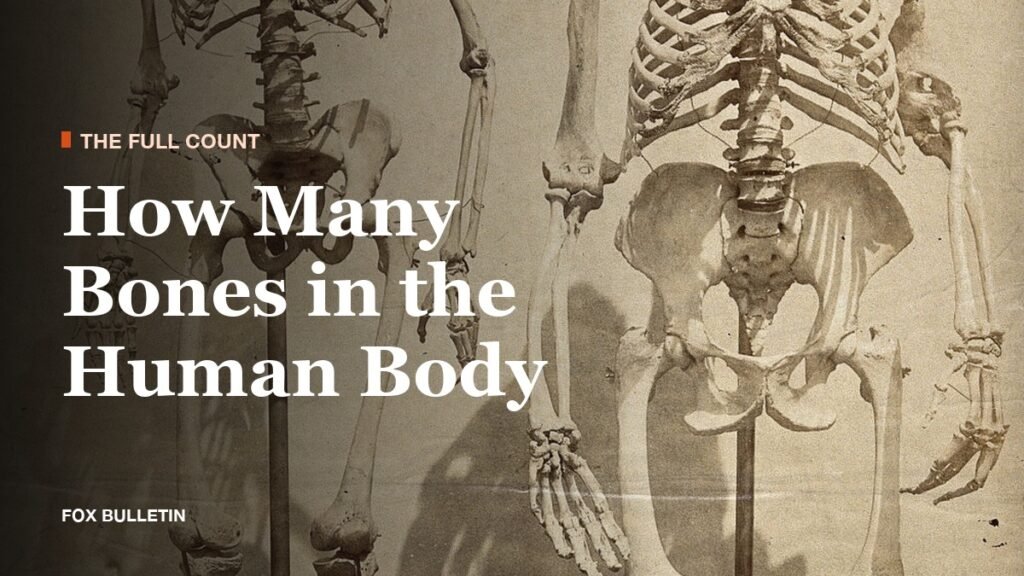
How Many Bones in the Human Body: 206, Region by Region
The adult human skeleton has 206 bones, and this page counts every one by region in a single chart. It then walks through the skull, spine, ribs, arms and legs, explains why babies have roughly 270 to 300 bones, and covers the longest and smallest bones and the extra bones some adults carry.
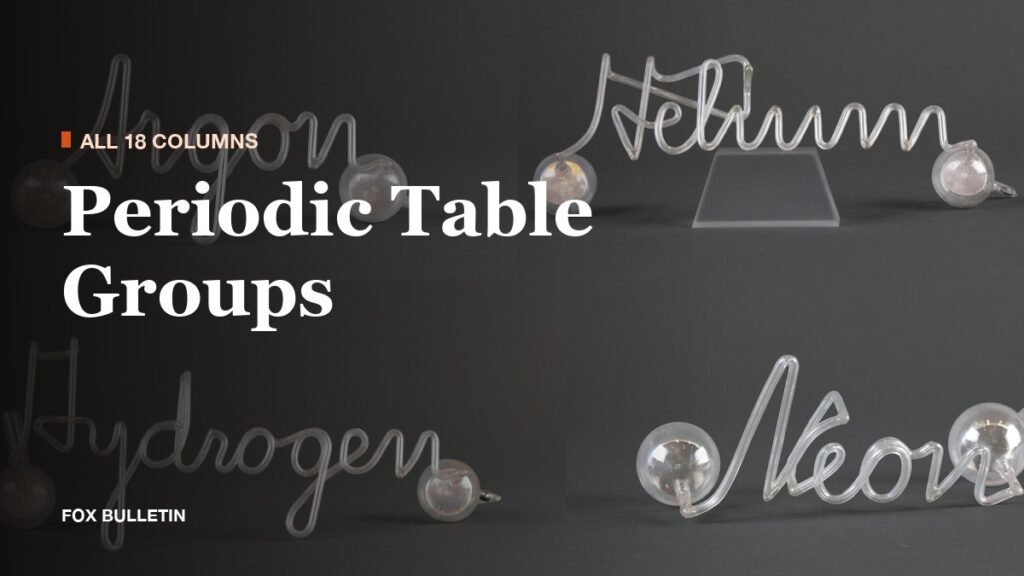
Periodic Table Groups: All 18 With Names and Members
The periodic table has 18 numbered groups, and six of them carry family names approved by IUPAC. This page lists every group with its members and valence pattern, then walks through the families one at a time. It also explains groups against periods, the lanthanoid and actinoid rows, hydrogen and the older roman numeral labels.