

Where you launch a business in the United States can shape its odds of survival as much as the idea itself. The best states combine a healthy entrepreneurial environment, low business costs, and easy access to financing and talent, giving new companies room to grow.
WalletHub’s 2026 study ranks all 50 states across 25 metrics covering exactly those factors, from startups per capita to office-space affordability. Below we rank the ten best states to start a business in the US for 2026, with each state’s score and standout advantage, so founders can see where the odds tilt in their favor.
| Rank | State | Score | Region | Standout Advantage |
|---|---|---|---|---|
| 1 | Florida | 56.30 | Southeast | Most startups, no income tax |
| 2 | Utah | 55.24 | West | Financing and job growth |
| 3 | Texas | 54.07 | South | Talent pool, no income tax |
| 4 | Oklahoma | 53.22 | South | Low operating costs |
| 5 | Idaho | 52.49 | West | Fast growth, low costs |
| 6 | Mississippi | 52.43 | South | Affordable resources |
| 7 | Georgia | 52.32 | Southeast | Atlanta business hub |
| 8 | Indiana | 52.14 | Midwest | Low-cost, pro-business |
| 9 | Nevada | 51.83 | West | Small-business growth, no income tax |
| 10 | California | 51.11 | West | Top talent and capital |
The 10 Best States to Start a Business in the US, Ranked
1. Florida: The Nation’s Top Startup State
Score: 56.30 | Region: Southeast | Best For: High-energy entrepreneurship
Florida ranks first for 2026, boasting the third-most startups per capita and the highest percentage of adults engaged in entrepreneurship. A low corporate tax burden and no personal income tax leave founders with more capital to reinvest.
An expanding working-age population keeps the talent pipeline full, offsetting weaker financing access. For entrepreneurs who want momentum, sunshine, and a tax-friendly base, Florida is the clear national leader.
2. Utah: Easy Financing and Booming Employment
Score: 55.24 | Region: West | Best For: Funding-dependent startups
Utah takes second place as the second-easiest state to secure business loans, a decisive edge for founders who need capital early. It also posts the fifth-largest year-over-year employment growth in the country at over 3%.
The Silicon Slopes tech corridor anchors a young, skilled workforce and a thriving startup culture. For funding access paired with fast growth, Utah is hard to beat.
3. Texas: A Vast Talent Pool With No Income Tax
Score: 54.07 | Region: South | Best For: Scaling with talent and space
Texas returned to the top three in 2026, driven by the third-highest growth in working-age population and a deep, expanding talent pool. No state income tax and abundant, affordable space make it easy to scale.
Its high entrepreneurship rate and rising share of fast-growing firms signal strong upside. Founders exploring the market can also see our guide to the best places to live in Texas for where to base a team.
4. Oklahoma: Low Costs Across the Board
Score: 53.22 | Region: South | Best For: Cost-conscious founders
Oklahoma ranks fourth thanks to some of the lowest operating costs in the country, from labor to office space. For bootstrapped businesses, that low overhead can be the difference between survival and failure.
Reasonable regulations and decent infrastructure round out its appeal for early-stage companies. Oklahoma City and Tulsa provide growing markets without big-city expenses.
5. Idaho: Fast Growth at a Low Price
Score: 52.49 | Region: West | Best For: Riding population and job growth
Idaho places fifth, powered by rapid population and job growth that expands the customer base for new businesses. Boise has become a magnet for young workers and entrepreneurs relocating from pricier western states.
Low costs and a business-friendly climate reinforce that momentum. For founders who want to grow alongside a booming region, Idaho offers a rare mix of affordability and expansion.
6. Mississippi: Affordable Resources for New Firms
Score: 52.43 | Region: South | Best For: Ultra-low startup costs
Mississippi ranks sixth on the strength of its rock-bottom costs, one of the most affordable states to run a business day to day. Low labor and real estate expenses stretch limited startup capital further.
State incentives and accessible resources support small businesses looking to establish themselves. For founders prioritizing the leanest possible launch, Mississippi delivers.
7. Georgia: The Atlanta-Powered Hub
Score: 52.32 | Region: Southeast | Best For: Access to a major metro market
Georgia ranks seventh, anchored by Atlanta, one of the strongest business and talent hubs in the Southeast. The metro’s diverse economy spans logistics, film, tech, and corporate headquarters.
A growing, educated workforce and a business-friendly climate draw founders across industries. Atlanta also tops our best cities for young professionals guide, underscoring its deep talent pool.
8. Indiana: Pro-Business and Low-Cost
Score: 52.14 | Region: Midwest | Best For: Manufacturing and logistics
Indiana ranks eighth, long known for a pro-business regulatory environment and low operating costs. Its central location and strong logistics network make it ideal for companies moving physical goods.
Affordable real estate and a steady workforce keep expenses predictable for new firms. For founders in manufacturing or distribution, Indiana is a practical, low-friction base.
9. Nevada: Small-Business Growth With No Income Tax
Score: 51.83 | Region: West | Best For: Tax-friendly small businesses
Nevada places ninth, posting the nation’s fourth-highest growth rate in its number of small businesses. No state income tax and a light regulatory touch make it especially attractive to solo founders and small teams.
Las Vegas and Reno offer growing markets and tourism-driven demand. For entrepreneurs who want tax savings and momentum, Nevada is a strong western option.
10. California: Unmatched Talent and Capital
Score: 51.11 | Region: West | Best For: High-growth, funded ventures
California rounds out the top ten with the nation’s highest availability of human capital and the deepest venture funding market. For ambitious, high-growth startups, no state offers more talent or investor access.
The trade-off is cost, since taxes, wages, and real estate rank among the highest in the country. California rewards well-funded ventures that need elite talent more than lean operators watching every dollar.
What the Best Business States Have in Common
WalletHub scores states across three big areas: business environment, business costs, and access to resources like financing and talent. The top performers tend to combine low costs with strong entrepreneurship rates and growing populations.
Tax policy is a recurring theme, since Florida, Texas, and Nevada all skip personal income tax, a detail we explore in our guide to states with no income tax. Lower taxes leave founders more capital to reinvest in growth.
The Cost Versus Capital Trade-Off
The rankings reveal a clear tension between affordability and access to resources. Low-cost states like Oklahoma, Mississippi, and Indiana keep overhead minimal but offer thinner funding networks, ideal for bootstrapped businesses.
High-cost states like California provide unmatched talent and venture capital but demand deep pockets. Founders should match the state to their model, since a funded tech startup and a lean local service business thrive in very different environments.
How We Ranked the Best States to Start a Business
This ranking follows WalletHub’s 2026 methodology, which compared all 50 states across 25 metrics grouped into business environment, business costs, and access to resources. A higher composite score signals stronger overall conditions for launching a company.
We present the official top ten with each state’s score and headline advantage, then add cost and capital context. No single factor guarantees success, so we flag where a top rank comes with a specific trade-off, drawing on the WalletHub business study.
How to Choose the Right State for Your Business
Start with your funding model, because it dictates what you need most from a state. Bootstrapped founders should prioritize low-cost states like Oklahoma or Mississippi, while venture-backed startups benefit from the talent and capital in Utah, Texas, or California.
Then weigh taxes, talent, and proximity to your customers together, not in isolation. A no-income-tax state saves money, but only if it also offers the workforce and market your business depends on to grow.
Frequently Asked Questions
What is the best state to start a business in 2026?
Florida ranks first for 2026 with a WalletHub score of 56.30, driven by the third-most startups per capita, the highest rate of adult entrepreneurship, and no state personal income tax.
Which states have no income tax for business owners?
Among the top ten, Florida, Texas, and Nevada charge no state personal income tax, which lets founders keep more earnings to reinvest, though other taxes and costs still apply.
What is the cheapest state to start a business?
Oklahoma, Mississippi, and Indiana rank among the most affordable, with low labor, real estate, and operating costs that make them ideal for bootstrapped or early-stage companies.
Is California still good for startups despite the cost?
For well-funded, high-growth ventures, yes, since California offers the nation’s deepest talent pool and venture capital market, though its high taxes and costs make it tough for lean operators.
What factors matter most when choosing a state?
The biggest factors are business costs, access to financing and talent, and the overall entrepreneurial environment, along with tax policy and how close you are to your target customers.
Related Articles
- Best Cities for Young Professionals in the US: Top 10 for 2026
- States With No Income Tax in the US: All 9 Ranked for 2026
- Best Places to Live in Texas in 2026: Top 10 Cities Ranked
- Best Accounting Software for Small Business in 2026: Top 7
- Best Website Builders in 2026: Top 7 Compared
- LLC vs S-Corp vs Sole Proprietorship: Structures Compared
- Largest Companies in the World: Top 10 by Revenue
- Best Payment Processors for Small Business: Top 6
- Right-to-Work States: All 26 Listed and Explained
- How Does Dropshipping Work? The Model, the Margins and the Catch

Get the Fox Bulletin briefing
The stories that matter, in your inbox. No spam, unsubscribe anytime.
Newsletter signup will be available soon.
Related stories
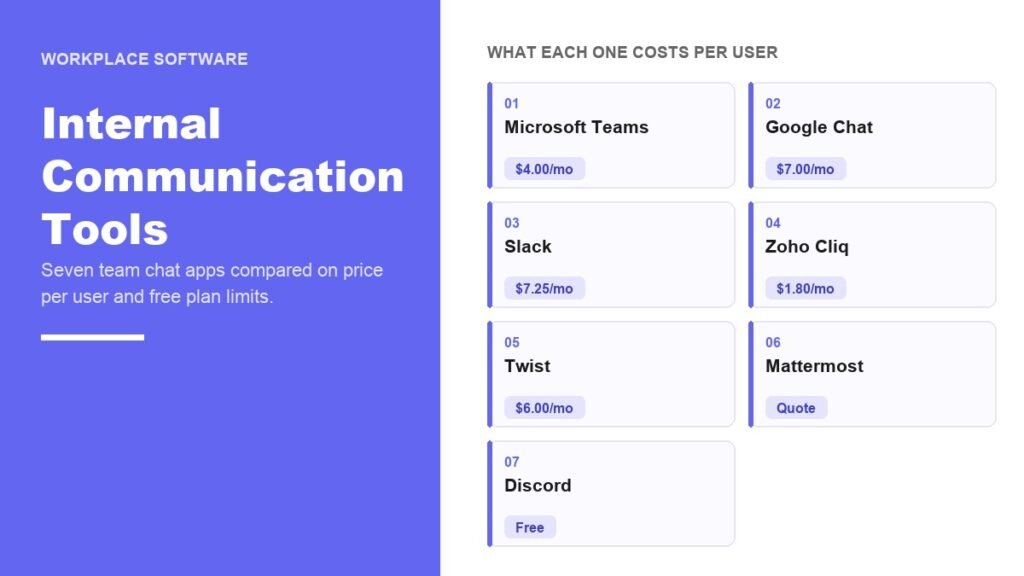
Internal Communication Tools: 7 Team Chat Apps Compared
Seven internal communication tools compared on price per user and free plan limits, starting with whether your existing subscription already includes one.
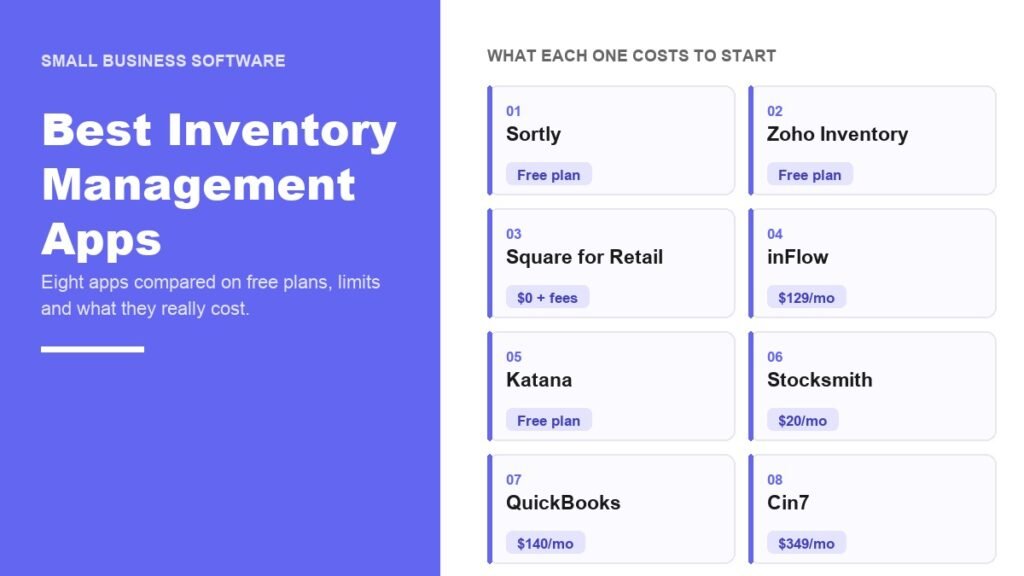
Best Inventory Management Apps: 8 Compared for Small Business
Eight inventory apps compared on free plans, item and order caps, and what each one costs once add-ons and per location charges are included.
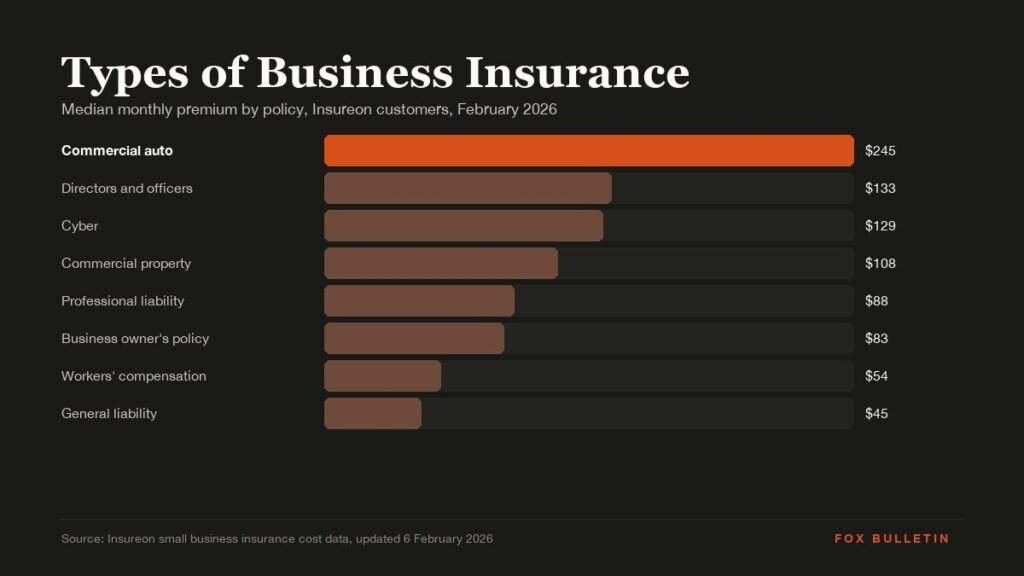
Types of Business Insurance: What Each Policy Covers and Who Must Carry It
General liability, professional liability, workers' compensation, property, BOP, cyber, commercial auto, product liability and D&O: what each covers, when the law requires it, and what small firms pay.