

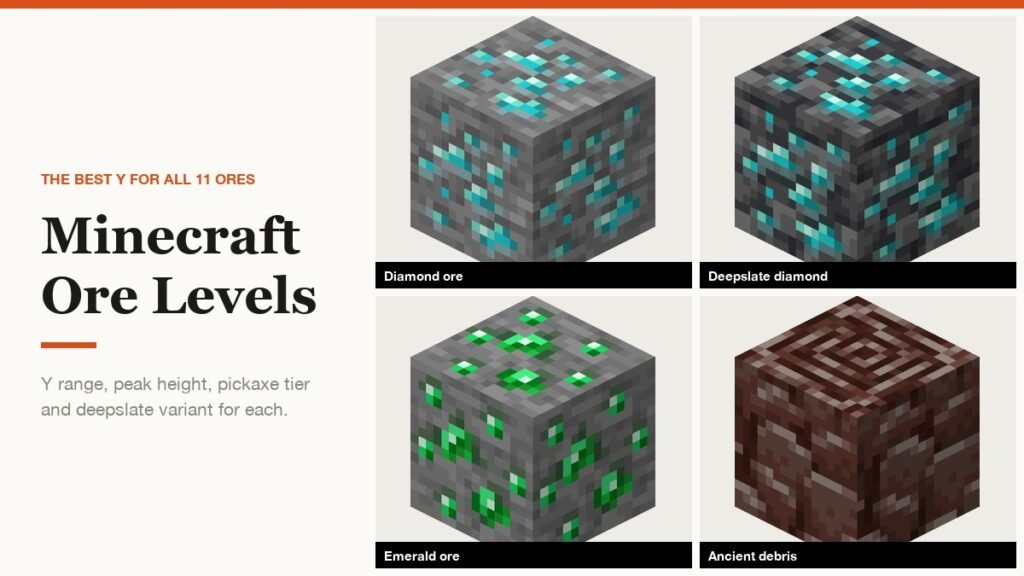
The best Minecraft ore levels are Y -59 for diamond and redstone, Y 16 for iron and ancient debris, Y 48 for copper, Y 96 for coal, Y -16 for gold, and Y 0 for lapis lazuli. Nether gold and nether quartz have no best height at all, because they are spread evenly from Y 10 to Y 117.
These figures hold for Java Edition 26.3 “Wilderness Bound”, released on 15 September 2026, which is the current version in November 2026. The next drop, 26.4 “Deep Freeze”, is not out yet and is due in December. Below is the single best level for every ore, the full table of ranges, and the mechanics that explain why guides disagree by a layer or two.
Minecraft Ore Levels: The Best Y Level for Each Ore
Each ore generates in several overlapping batches, so “best” means the height where the main batch is densest. The list below is ordered by how often players go looking for each ore.
| Ore | Best Y level | Why that height |
|---|---|---|
| Diamond | Y -59 | The first layer below bedrock; Y -53 if you want to avoid lava |
| Ancient debris | Y 16 | Nether only, with a diamond pickaxe |
| Redstone | Y -59 | Shares the diamond layers, so one trip collects both |
| Gold | Y -16 | Peak of the main triangle batch; badlands add a second source higher up |
| Lapis lazuli | Y 0 | Peak of the triangle batch that runs from Y -32 to Y 32 |
| Iron | Y 16 | Middle batch peaks here; a second peak sits far above at Y 232 |
| Copper | Y 48 | Peak of a single triangle between Y -16 and Y 112 |
| Coal | Y 96 | Peak of the main triangle; more coal sits in a flat batch at Y 136 and above |
| Emerald | Around Y 90 | Mountain and windswept biomes only |
| Nether gold and nether quartz | Anywhere from Y 10 to Y 117 | Both are spread evenly, so no height beats another |
Two ores deserve a warning. Diamond and redstone peak at the bottom of the world on paper, but bedrock fills that bottom, so the working level is the first layer above it. Iron has two separate peaks, and only the lower one at Y 16 is reachable by tunnelling.
All 11 Ores With Y Range, Pickaxe Tier and Deepslate Variant
The table runs from the most common ores down to the Nether pair. Ranges are inclusive and cover every batch an ore has. The peak column gives the height where the densest batch tops out, and “in practice” marks the two ores where bedrock moves the real peak.
| Ore | Y range | Peak level | Dimension | Pickaxe tier | Deepslate variant |
|---|---|---|---|---|---|
| Coal | 0 to 320 | 96 | Overworld | Wooden | Yes, rare, only below Y 8 |
| Copper | -16 to 112 | 48 | Overworld | Stone | Yes |
| Iron | -64 to 320 | 16 and 232 | Overworld | Stone | Yes |
| Gold | -64 to 32, plus 32 to 256 in badlands | -16 | Overworld | Iron | Yes |
| Redstone | -64 to 15 | -59 in practice | Overworld | Iron | Yes |
| Lapis lazuli | -64 to 64 | 0 | Overworld | Stone | Yes |
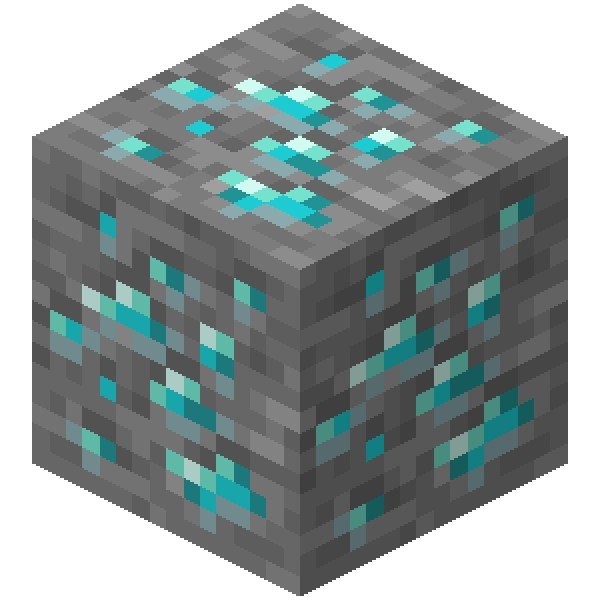
| Diamond | -64 to 16 | -59 in practice | Overworld | Iron | Yes, more common than the stone kind |
| Emerald | -16 to 320 | Around 90 | Overworld, 10 mountain biomes | Iron | Yes, extremely rare, -16 to 8 |
| Ancient debris | 8 to 119 | 16 | Nether | Diamond | No |
| Nether gold ore | 10 to 117 | None, uniform | Nether | Wooden | No |
| Nether quartz ore | 10 to 117 | None, uniform | Nether | Wooden | No |
Every Overworld ore has a deepslate version, and ores that generate below Y 0 swap to it automatically wherever the surrounding rock is deepslate. Deepslate only appears below Y 8 and is solid by Y 0. Deepslate ore is harder to break, at hardness 4.5 against 3 for the stone kind, and ancient debris is far tougher at 30.
- Wooden pickaxe: coal, nether gold ore and nether quartz ore.
- Stone pickaxe: copper, iron and lapis lazuli.
- Iron pickaxe: gold, redstone, diamond and emerald.
- Diamond pickaxe: ancient debris only.
Why Diamonds Sit at Y -59 and Not Y -64
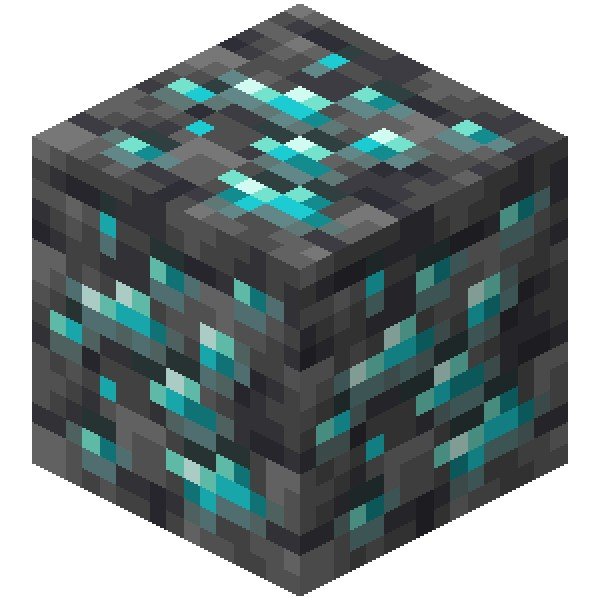
Diamond generates between Y -64 and Y 16 and follows a triangle, which means it grows steadily more common toward the bottom of the world. On paper the richest layer is Y -64. In a real world that layer is solid bedrock.
Bedrock occupies the bottom five layers, Y -64 to Y -60. The lowest layer is completely flat, and the four above it are mostly flat with occasional gaps. That makes Y -59 the first layer with no bedrock at all, and it is where deepslate diamond ore turns up most often, along with Y -58.
Diamond also behaves differently from the ores above it. It is not made rarer by exposure to water or lava, so a diamond sitting in a flooded cave is as likely as one buried in rock.
Why Y -53 Is the Safer Diamond Level
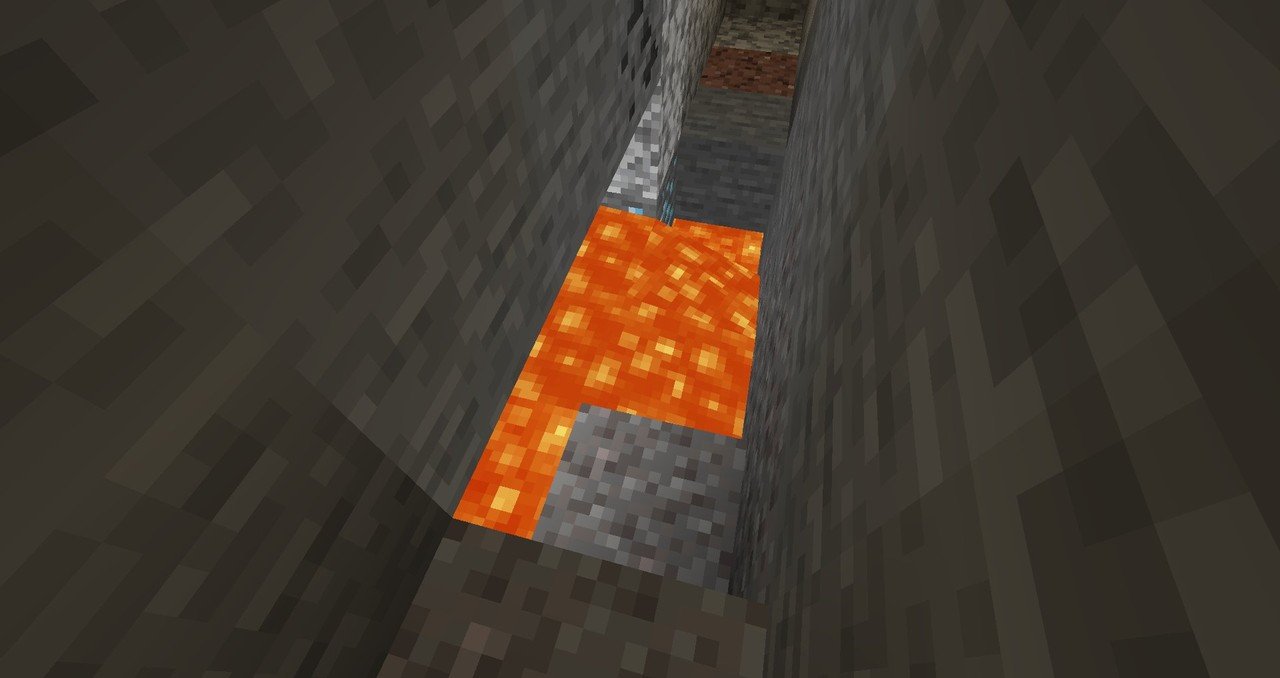
Lava replaces cave air from about Y -54 downward. Every cave and canyon that dips below that line fills with lava instead of air, and the lowest layers hold the largest pools. A player strip-mining along Y -59 is therefore working inside the lava band.
Y -53 sits just above it. You are still deep enough to be inside the dense part of the triangle, and the tunnel ceiling and floor are rock rather than lava lakes. Caves you break into at that height contain air, not lava.
- Dig a staircase down to Y -53 and check the level on the F3 screen.
- Mine a straight tunnel two blocks high and look at every wall as you pass.
- Branch every few blocks, and keep a bucket of water in the hotbar for lava breaches.
- Drop to Y -59 only to collect a diamond you can already see.
Light the tunnel with torches as you go, because a dark tunnel hides lava pools until you are standing next to them. Bring plenty.
The Four Diamond Batches and Where Each One Lives
Diamond is the most layered ore in the game. Four separate placements stack on top of each other, and they differ in vein size, frequency and what they do near air. The table below shows the whole set.
| Batch | Frequency | Vein size | Height | Air exposure |
|---|---|---|---|---|
| Main batch | 7 veins per chunk | 1 to 5 blocks | Y 16 down to -63 | 50% of veins touching air are skipped |
| Rare large batch | 1 vein every 9 chunks | 1 to 23 blocks | Y 16 down to -63 | 70% of veins touching air are skipped |
| Buried batch | 4 veins per chunk | 1 to 10 blocks | Y 16 down to -63 | Never touches air |
| Deep uniform batch | 2 veins per chunk | 1 to 10 blocks | Y -4 down to -63, flat | 50% of veins touching air are skipped |
The buried batch is the reason a sealed-in diamond can appear with no cave nearby. It never touches air, so it only appears in solid rock. The rare large batch can leave a vein of up to 23 diamonds, which is the jackpot players find once in a long while.
Triangle Versus Uniform Distribution
Ore placement uses one of two shapes. A uniform ore is equally likely at every height inside its range, while a triangle ore climbs steadily toward a centre height and falls away on either side. The game files call the triangle a trapezoid with no flat top.
- Triangle: copper, the main batches of coal, iron, gold, lapis and diamond, emerald, and the lower ancient debris batch. Aim for the peak.
- Uniform: nether gold, nether quartz, the upper coal batch, and the badlands gold batch. Any height inside the range works equally well.
- Mixed: redstone, lapis and ancient debris pair a triangle with a flat batch, so the peak helps but is not essential.
Ancient debris is the clearest example of the mixed shape. One batch peaks at Y 16 inside a narrow Y 8 to 24 band, and a second scatters small clusters flat across Y 8 to 119. Java Edition generates fewer clusters than Bedrock Edition, so the Y 16 advice is specific to Java.
Air Exposure and Which Veins Disappear
A vein has a chance to be discarded if any block of it touches air. The rule keeps ore from lining cave walls, which is why caves look sparse next to a solid-rock tunnel at the same height. Water and lava do not count as air for this rule.
- Coal: the lower batch skips half of its air-exposed veins; the upper flat batch skips none.
- Gold: the main and deep batches skip half; the badlands batch skips none.
- Diamond: 50%, 70% or 100% depending on the batch, as in the table above.
- Lapis: the main batch skips none, while the buried batch is never exposed.
- Redstone: unaffected, so it shows freely on cave walls.
- Ancient debris: never exposed to air by design, so you will not spot it from a Nether cavern wall.
The practical lesson is to mine, not walk. Strip-mining through solid rock reveals ore that cave-hopping never will, and a mined tunnel shows you every block on four sides.
Emerald in the Mountain Biomes
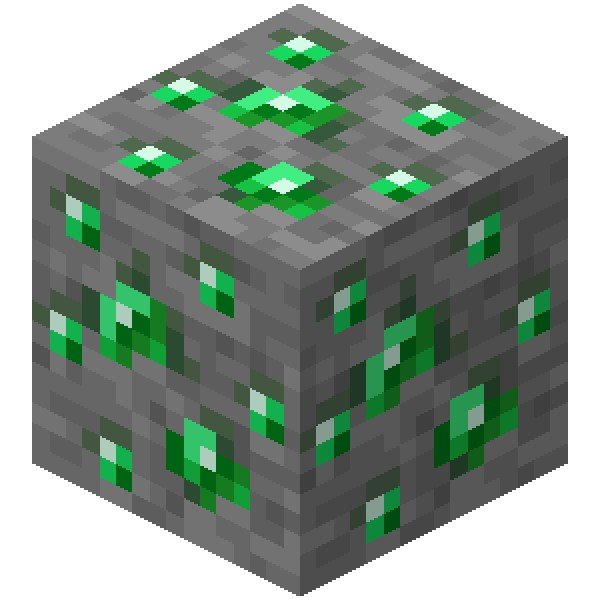
Emerald is the one ore tied to biomes. It only generates in ten of them: Meadow, Cherry Grove, Grove, Snowy Slopes, Jagged Peaks, Frozen Peaks, Stony Peaks, Windswept Hills, Windswept Gravelly Hills and Windswept Forest. The Minecraft biomes guide shows where each one forms.
Each chunk makes 100 placement attempts, but veins are single blocks and many are lost to air or empty sky. The range runs from Y -16 to Y 320 on a triangle whose mathematical peak is at Y 232, yet the quantity found peaks near Y 90 because the terrain thins out higher up. Head for the slopes and scan the exposed stone.
Deepslate emerald exists only between Y -16 and Y 8 and is extremely rare. Do not plan a trip around it.
What the Fortune Enchantment Adds to Each Ore
Fortune III raises the average drop of most ores to 2.2 from 1. Copper, lapis lazuli and nether gold gain far more because they drop several items per block. Ancient debris ignores Fortune entirely, so there is nothing to gain from enchanting for it. The Minecraft enchantments list page covers how to get the book.
- Coal, diamond, emerald, iron, gold and nether quartz: average 2.2, maximum 4.
- Copper: average 7.7, maximum 20.
- Lapis lazuli: average 14.3, maximum 36.
- Nether gold: average 8.8, maximum 24 nuggets.
- Redstone: 4 to 8 dust per block, average 6.
Keep a Fortune pickaxe for diamond and lapis, and a plain diamond pickaxe for ancient debris. A world seed with exposed ore near spawn also saves time, and our Minecraft seeds list picks several.
Frequently Asked Questions
What is the best Y level for diamonds in Minecraft?
Y -59 is where diamond is most common, because it is the first layer without bedrock. Y -53 is the safer choice, since lava replaces cave air from about Y -54 down. Both sit inside the deepslate layers.
Is Y -64 a good level to mine?
No. Y -64 is a flat sheet of unbreakable bedrock, and the four layers above it contain bedrock too. Nothing can be mined there, so start at Y -59.
What level is ancient debris at?
Y 16 in the Nether is the best height in Java Edition. Debris generates between Y 8 and Y 119 but is densest around Y 16, and it needs a diamond pickaxe.
Did the ore levels change in the latest version?
The levels above apply to Java 26.3 “Wilderness Bound”. Version 26.4 “Deep Freeze” is still in pre-release as of November 2026, so these figures stand until it ships.
Related Articles

Get the Fox Bulletin briefing
The stories that matter, in your inbox. No spam, unsubscribe anytime.
Newsletter signup will be available soon.
Related stories

GTA 6 Radio Stations: All 23 With Hosts and Genres
All 23 GTA 6 radio stations in one table with genre and host, the two talk stations, the real names behind the DJs, and how The Vault Radio gets added to the wheel.
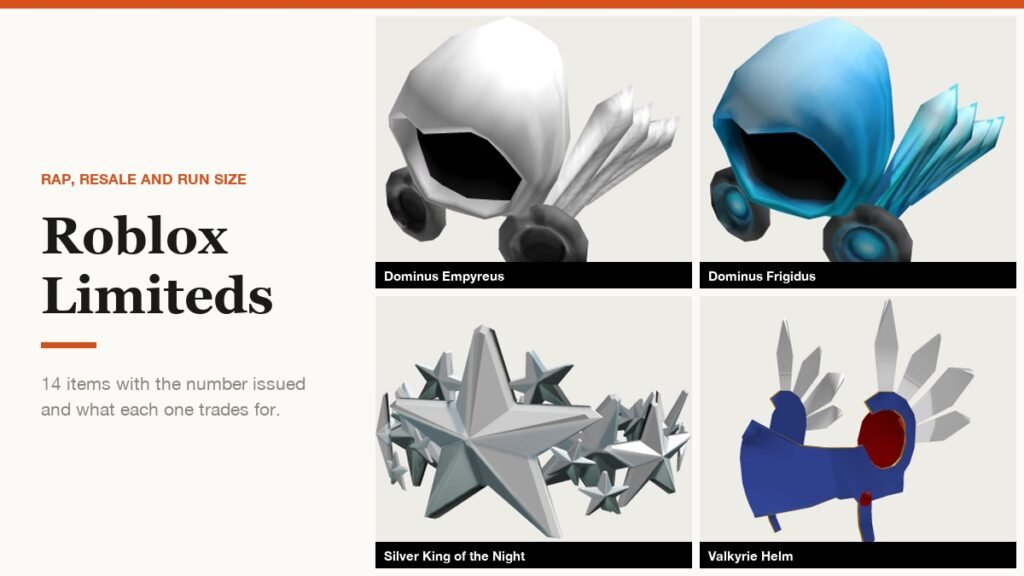
Roblox Limiteds: What RAP Means and 14 Items Priced
What a Roblox Limited is, how RAP differs from the cheapest listing, and a 14-item table of copies issued, original price and RAP, all as listed on 25 November 2026.

Roblox Avatar Ideas: 9 Styles Built Piece by Piece
Nine Roblox avatar looks built from named catalog items: Preppy, Goth, Y2K, Cottagecore, Emo, Softie, Cyberpunk, Fairycore and Minimalist, each with a total cost in Robux.