

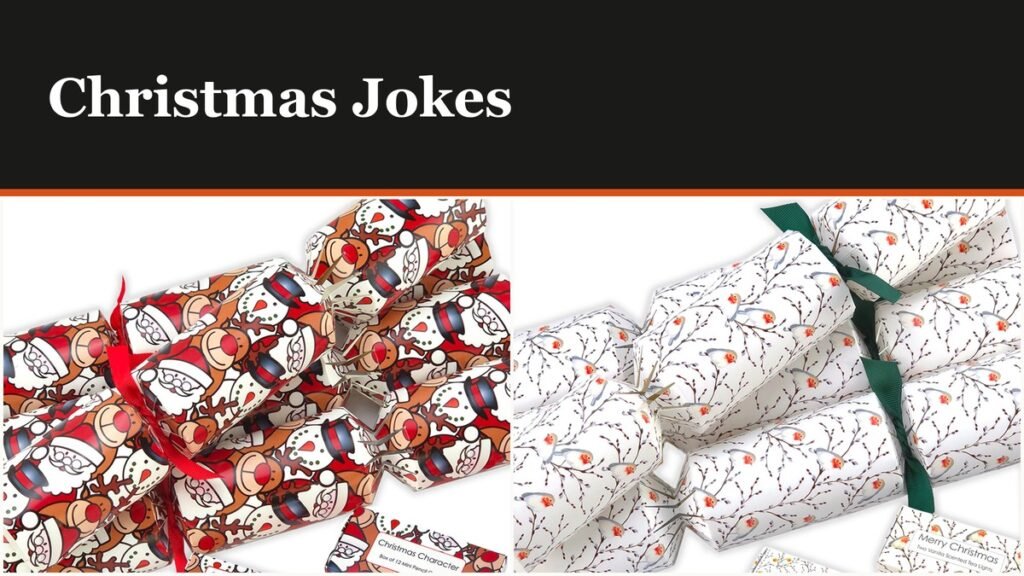
The best Christmas jokes are short, groan-worthy puns built to be answered out loud: What do you call Santa when he stops moving? Santa Pause. They run from Santa and reindeer wordplay to snowman one-liners, knock-knocks and dad jokes, and a good one takes only a few seconds to deliver across a crowded table.
The groan is a tradition with a past. The Christmas cracker was invented in London in 1847, it still carries a joke in the box, and the Victorians who loved puns set the standard for jokes that are terrible and a little bit wonderful. Christmas Day falls on Friday, December 25, 2026, and the full calendar for the holiday shows how many dinners are left to practice on. Anyone who wants to pair the puns with names can start with the names of Santa’s reindeer.
What Are the Best Christmas Jokes? Santa, Elves and Reindeer First
The best Christmas jokes pair a question that sounds innocent with an answer that twists one word. Santa, elf and reindeer jokes lead the field because their names bend so easily into wordplay, as in Santa Claws, Elfis Presley and Rude-olph. These eight are the ones to open with.

- What is Santa’s favorite pizza? One that’s deep pan, crispy and even.
- Why does Santa have three gardens? So he can ho, ho, ho.
- What do you get if Santa gets stuck in the chimney? Claus-trophobia.
- What goes “oh oh oh”? Santa walking backwards.
- What do you call an elf who sings? A wrapper.
- What do you call a greedy elf? Elfish.
- Which reindeer has bad manners? Rude-olph.
- What do reindeer say before telling you a joke? “This will sleigh you!”
Elf jokes lean on a single swapped syllable, which is why an elf who sings becomes a wrapper and a greedy one becomes elfish. Reindeer jokes borrow from the animal’s most famous trait, so a polite one never appears and the rude one is always Rudolph in disguise. Read each one slowly and let the table supply the last word.
Christmas Jokes by Theme: Which Group Fits Which Moment
| Theme | Style | Best moment |
|---|---|---|
| Santa, elves and reindeer | Question and answer pun | Opening the first cracker |
| Snowmen and winter | Short visual gag | Anyone watching snow fall |
| Trees, cards and mistletoe | Object pun | Decorating the tree |
| Pudding and turkey | Food pun | Waiting for dinner to be served |
| Knock-knock | Call and response | The doorstep or a family group chat |
| One-liners and dad jokes | Single-line quip | After dinner with adults |
Snowman, Christmas Tree and Mistletoe Jokes
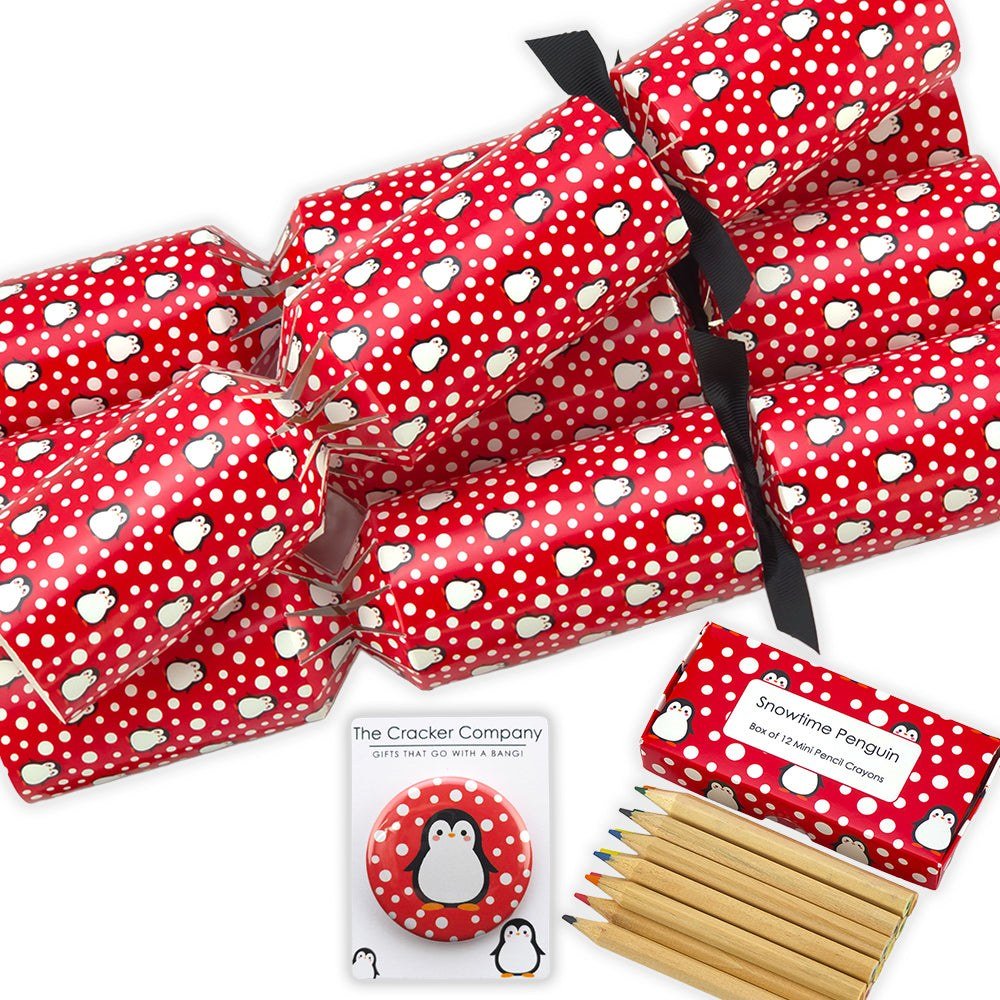
Winter objects make gentle punchlines. A snowman can only melt, freeze or smell carrots, so the jokes about him stay simple and a child can follow each one. Trees, cards and mistletoe give the grown-ups something drier to enjoy.
- How do snowmen travel? By icicle.
- Where do snowmen dance? At a snowball.
- Why was the snowman looking through the carrots? He was picking his nose.
- What did one snowman say to the other? “Funny, I smell carrots too.”
- What kind of ball doesn’t bounce? A snowball.
- Why did the Christmas tree go to the barber? It needed a trim.
- What did the stamp say to the Christmas card? “Stick with me and we’ll go places.”
- What do you call a bug that hates Christmas? A humbug.
- What looks like half a mistletoe leaf? The other half.
The mistletoe riddle works because the answer is a pure logic trap, and the humbug joke gets its laugh from a word that sounds like a bug.
Christmas Dinner Jokes: Pudding, Turkey and Knock-Knocks

Food jokes and knock-knocks suit the long wait between sitting down and the first serving. The pudding joke is a Victorian classic: a version of it turned up in an 1871 newspaper, and it still works because currants sounds like currents.
- Why is a Christmas pudding like the Atlantic Ocean? Because it is full of currants.
- What do you get if you eat Christmas decorations? Tinsel-itis.
- What’s the best Christmas present? A broken drum: you can’t beat it.
- Knock knock. Who’s there? Wanda. Wanda who? Wanda wish you a Merry Christmas.
- Knock knock. Who’s there? Yule. Yule who? Yule be sorry if you don’t open the door.
- Knock knock. Who’s there? Olive. Olive who? Olive the other reindeer.
- Knock knock. Who’s there? Rudolph. Rudolph who? Rudolph the Red-Nosed Reindeer.
- Knock knock. Who’s there? Noah. Noah who? Noah good place to hide this present.
Knock-knock jokes work as a game rather than a joke, because the listener has to say ‘who’s there’ twice before the pun arrives. That makes them ideal for a group that wants every voice involved.
One-Liners and Dad Jokes for the Adult End of the Table
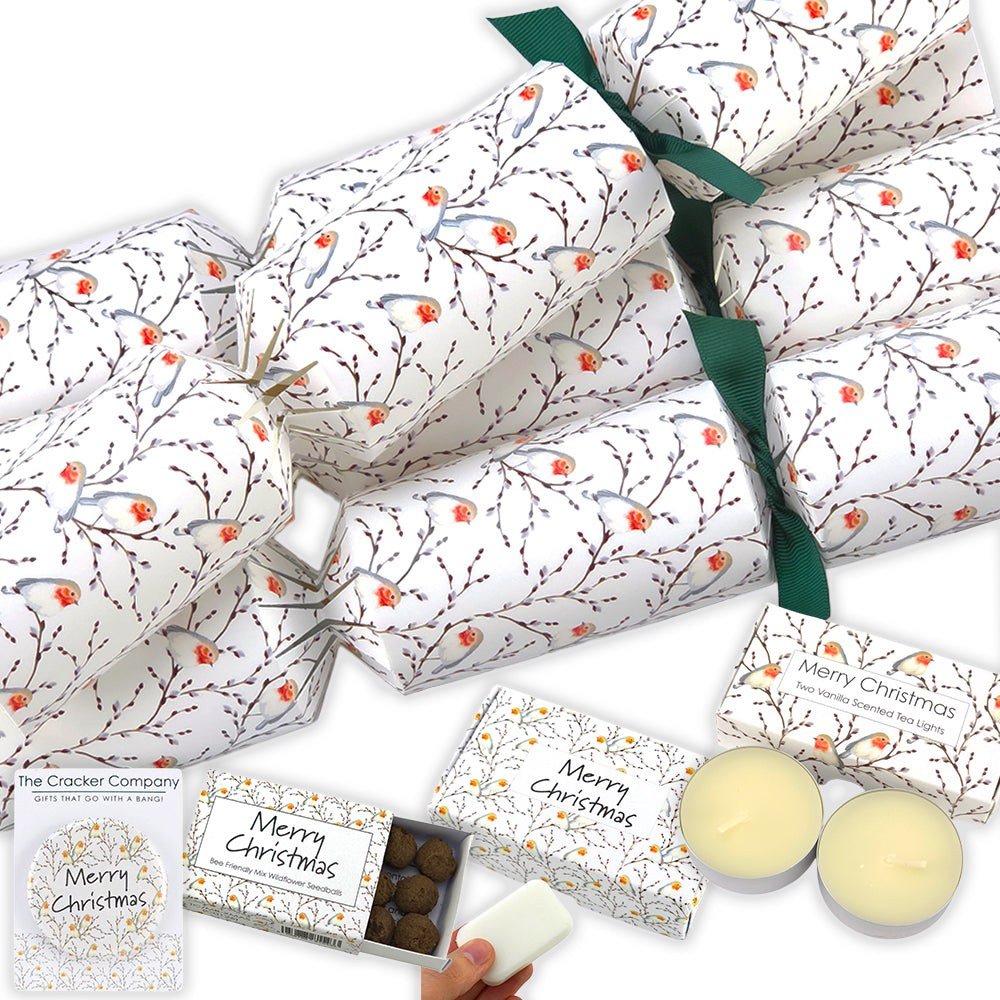
Adults tend to prefer a single line with a little edge. These seven cover a broke Santa, a doomed Advent calendar and a tree with no knitting skills.
- I asked Santa for a book on how to hold your breath. He said, “Wait a minute.”
- Why are Advent calendars hard to sell? Their days are numbered.
- What do you call a broke Santa? Saint Nickel-less.
- What is the best way to send a Christmas message? By snow-mail.
- Why are Christmas trees so bad at knitting? They always drop their needles.
- Why did Rudolph get a bad report card? He went down in history.
- What is white, cold and goes up and down? A snowman on a trampoline.
Why Cracker Jokes Are So Bad, and Why Everyone Loves Them

Good cracker jokes are terrible jokes, and they are innocent at the same time. That combination levels the table: nobody is above groaning, and the youngest and oldest guests get the same punchline. A modern cracker typically holds a paper hat, a joke and a snap, and the joke is usually the part people read aloud.
Most of them are question-and-answer pairs, and that format is the bedrock of conversation. It is nearly impossible to read one silently, or to hear the first half without trying to supply the second. Most are also puns, which depend on a word with two meanings, two words that sound alike, or an invented word such as elf-abet.
The Victorians and their Georgian predecessors adored puns. Whole books of them were published, including Puniana in 1867 and More Puniana in 1875, and joke piracy was rampant, with British editors clipping American jokes and printing them as ‘Yankee Humour’. The cracker inherited that habit of borrowed wordplay, and the background is laid out in a history of the Victorian roots of cracker jokes.
Tom Smith and the Christmas Cracker
Thomas Smith invented the Christmas cracker in London in 1847, almost by accident. In the 1830s he worked in a bakery and confectionery shop, and he later started his own confectionery business, T. Smith and Co., in Clerkenwell. On a trip to Paris in 1840 he discovered bon bons, sugared almonds wrapped in twists of tissue paper, and a year later he began tucking a small love motto into the wrapping.
The crack came next. Legend has it that the inspiration for the crack came when Smith threw a log on the fire at home. His first name for the product was Cosaques, after Cossack soldiers who had a reputation for firing their guns into the air. The pull released a motto, a small gift and other items. In 1910 the company became the official supplier of crackers and wrapping paper to the Royal Household, an honor the Tom Smith Group still holds. The business dates from 1847, and its record is kept in the Tom Smith and Co. company history.
Smith’s mottos began as love poems, and the groan came later. A habit of sharing a little verse grew into a habit of sharing a terrible pun.
How to Tell a Christmas Joke So It Lands
- Say the question clearly, then stop. The pause is where the listener starts building the answer.
- Let the table guess before you finish. A wrong guess is part of the fun and makes the real answer land harder.
- Read cracker jokes aloud with the paper crown on. The costume gives everyone permission to groan.
- Match the joke to the listener: puns that need a second meaning for adults, and animal or Santa sounds for small children.
- Keep a spare for the silence that follows dinner on Christmas Day.
Frequently Asked Questions
Who invented the Christmas cracker?
Thomas Smith, a London confectioner, invented it in 1847. He had discovered tissue-wrapped bon bons in Paris in 1840 and went on to add a motto, a small gift and the crack.
Why are Christmas cracker jokes so bad?
They are mostly puns in question-and-answer form, and the first half sets up a predictable second half. The Victorians loved wordplay, and the groan became the point rather than a flaw.
What is a good Christmas joke for dinner?
Try the pudding line: why is a Christmas pudding like the Atlantic Ocean? Because it is full of currants. It is old, gentle and works for every age at the table.
Are Christmas jokes appropriate for young children?
Most Santa, snowman and reindeer jokes are fine for a five-year-old. The dad jokes in the last list lean on adult wordplay and suit older guests better.
Related Articles

Get the Fox Bulletin briefing
The stories that matter, in your inbox. No spam, unsubscribe anytime.
Newsletter signup will be available soon.
Related stories

Merry Christmas in Different Languages: Say It Like a Local
Merry Christmas in different languages by region, with each greeting in its own script, a say-it-like guide and the countries where each is used.
What Stores Are Open on Christmas Day? Chain by Chain
What stores are open on Christmas Day? Walmart, Target, Home Depot and Lowe's are closed Friday, December 25, 2026, while Denny's and Waffle House stay open.

Is Starbucks Open on Christmas? Dec 24 and 25 Answers
Is Starbucks open on Christmas? Some coffeehouses open on Friday, December 25, 2026 and others close. See why hours vary and how many stores are licensed.