

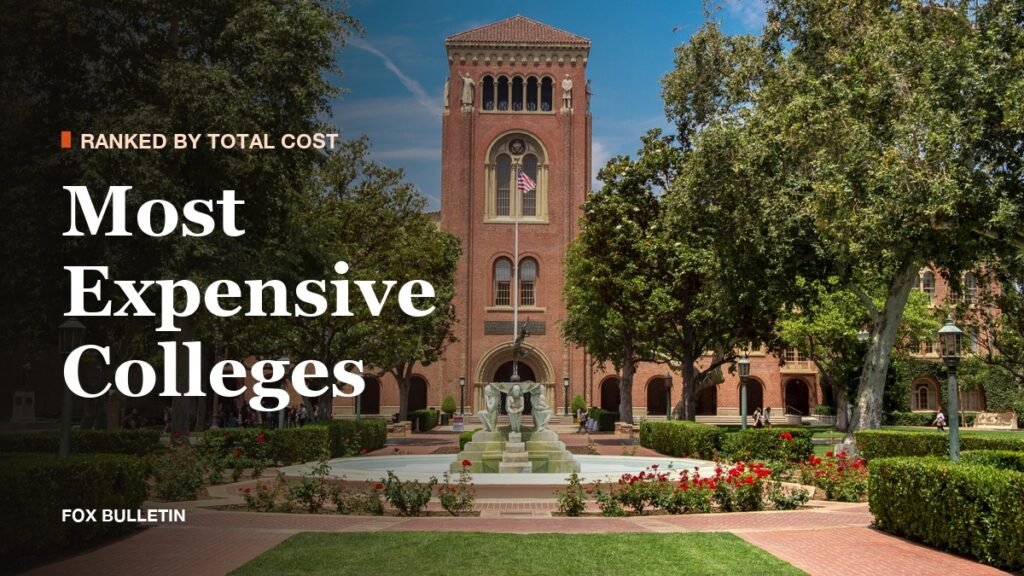
Harvey Mudd College is the most expensive college on this list, with a total cost of attendance of $104,512 for a first-year student living on campus in 2026-27. Duke University follows at up to $103,975 and the University of Southern California at $103,162. The most expensive colleges now sit above $100,000 a year before any aid is subtracted, and five of the ten here have crossed that line.
Every figure below is the full 2026-27 budget each college publishes: tuition, fees, housing, food and the allowances for books and personal costs. The ranking runs from $104,512 down to $99,375, a spread of just $5,137 across ten schools, so the order is tight and several places are decided by a few hundred dollars.
The Most Expensive Colleges by Total Yearly Cost, All 10
| # | College | Total cost of attendance | Tuition and fees | Housing, food and allowances |
|---|---|---|---|---|
| 1 | Harvey Mudd College | $104,512 | $77,280 | $27,232 |
| 2 | Duke University | $103,180 to $103,975 | $76,759 | $26,421 to $27,216 |
| 3 | University of Southern California | $103,162 | $77,336 | $25,826 |
| 4 | Claremont McKenna College | $101,990 | $75,720 | $26,270 |
| 5 | Wesleyan University | $101,080 | $76,370 | $24,710 |
| 6 | Tufts University | $99,998 | $76,558 | $23,440 |
| 7 (tie) | Brown University | $99,994 | $77,652 | $22,342 |
| 7 (tie) | Vanderbilt University | $99,994 | $73,206 | $26,788 |
| 9 | Columbia University | $99,774 | $76,960 | $22,814 |
| 10 | Northwestern University | $99,375 | $73,062 | $26,313 |
Most Expensive Colleges, Ranked
1. Harvey Mudd College: The Only Total Above $104,000

Total cost: $104,512 · Tuition: $76,879 · Housing: $13,293 · Food: $11,489
Harvey Mudd, the engineering and science college in Claremont, California, charges $76,879 in tuition and a $401 student body fee. Housing adds $13,293 and the 19-meal plan adds $11,489, the largest food line of any college in this ranking. Books are budgeted at $800, personal costs at $1,400, and a one-time $250 orientation fee is included in the total.
The price is hard to avoid because 98% of Harvey Mudd students live on campus all four years and every first-year must. A student who lives off campus is budgeted at $90,912, and one living with family at $83,793, but the on-campus figure is the one most first-years face.
2. Duke University: A Range Topping Out at $103,975

Total cost: $103,180 to $103,975 · Tuition: $73,740 · Housing: $11,560 · Food: $10,469
Duke publishes a range instead of a single number because two items depend on the student. Transportation is budgeted from $582 to $1,318 depending on home address, and Pratt School of Engineering students pay dues that others do not. Tuition is $73,740 and estimated fees are $3,019, which together make $76,759.
Billed charges come to $98,788 to $98,848, and the rest of the total is allowance: $536 for books and $3,274 for personal costs. Returning students are budgeted lower, at $101,828 to $102,623, because the first-year budget differs.
3. University of Southern California: $103,162 Before a $450 Fee
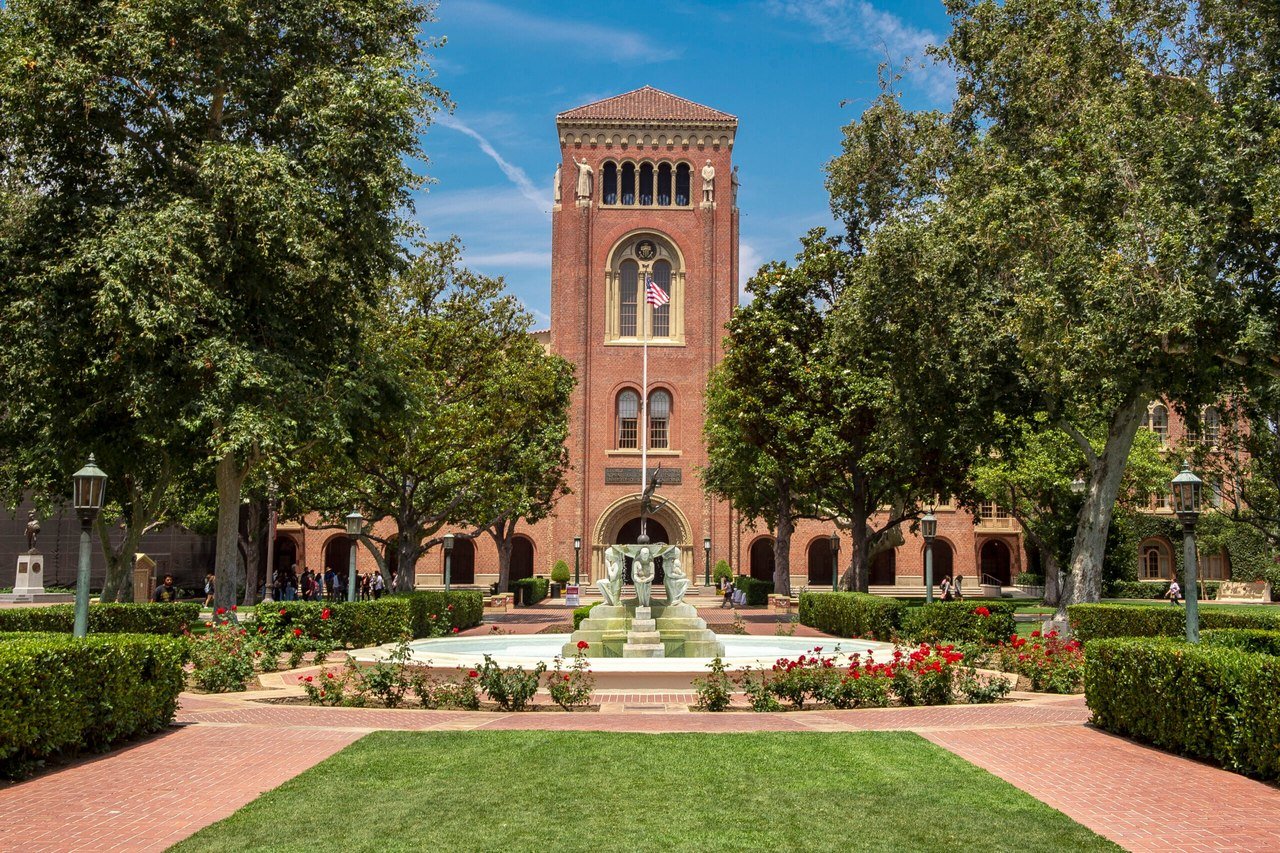
Total cost: $103,162 · Tuition: $75,384 · Housing: $13,510 · Food: $8,442
USC lists $75,384 in tuition and $1,952 in fees, so tuition and fees reach $77,336, the second highest in the ranking. Housing is $13,510 and food is $8,442. Books ($670), transportation ($1,188) and personal expenses ($2,016) complete the budget.
A new-student fee of $450 in the first semester is charged on top of the $103,162 total. Living off campus is budgeted at $102,792, only $370 less, while a student living with parents is budgeted at $94,630.
4. Claremont McKenna College: $101,990 With Insurance Extra

Total cost: $101,990 · Tuition: $75,300 · Housing: $12,490 · Food: $10,780
Claremont McKenna sits next door to Harvey Mudd and prices almost identically on food, at $10,780 for the 19-meal plan. Tuition is $75,300 and the student government fee is $420. Direct costs, meaning what the college bills, total $98,990.
The remaining $3,000 is estimated allowances. Student health insurance is $3,312 and is listed separately, so a student who does not waive it faces a bill above the published total.
5. Wesleyan University: Crossing $100,000 With the Newest Increase

Total cost: $101,080 · Tuition: $75,916 · Residential fee: $21,660 · Increase: 4.8%
Wesleyan trustees raised tuition 4.8% to $75,916 for 2026-27, a rise that outpaces the 4.0% average increase in private tuition and fees. The residential comprehensive fee, which covers housing and food together, is $21,660. With a $404 student activity fee and a $50 green fund fee, tuition and fees come to $76,370.
The total is $100,780 for sophomores through seniors, and first-years pay an extra $300 matriculation fee, which brings the first-year figure to $101,080. Wesleyan meets 100% of demonstrated need without loans in aid packages, and its average grant is $69,744.
6. Tufts University: $99,998 and Just Under the Line

Total cost: $99,998 · Tuition: $74,862 · Housing: $11,220 · Food: $9,374
Tufts bills first-years $97,152 for tuition, fees, housing and food. Fees are $1,696 and first-year housing is $11,220, lower than the $12,588 charged to juniors and seniors. Adding $1,000 for books and $1,846 for personal costs gives the $99,998 total, which is $2 short of $100,000.
Tufts also runs a Tuition Pact: from the 2026 entering class, US students from families earning under $150,000 attend tuition-free. The remaining $2,846 is the out-of-pocket portion the college lists for books and personal costs.
7. Brown University: Highest Tuition and Fees, Tied at $99,994

Total cost: $99,994 · Tuition: $74,568 · Fees: $3,084 · Housing: $10,710
Brown has the highest tuition and fees of the ten at $77,652, ahead of USC at $77,336. Its total lands lower because housing ($10,710) and food ($8,754) are among the cheaper lines here. Direct charges are $97,116.
Personal costs of $2,878 bring the budget to $99,994. That is the same total as Vanderbilt, which reaches it by a very different route.
7. Vanderbilt University: Tied at $99,994 With the Highest Housing Line

Total cost: $99,994 · Tuition: $69,822 · Housing: $15,170 · Food: $8,520
Vanderbilt splits its budget into direct and indirect costs. Direct mandatory costs are $96,896, built from $69,822 in tuition, a $3,384 student support fee, $15,170 for housing and $8,520 for food. The housing figure is the highest of any college in the ranking.
Indirect allowances of $3,098 cover $1,100 for books and $1,998 for personal costs, and transportation varies by student. Together the lines reach $99,994. Vanderbilt tuition and fees ($73,206) are well below Brown, yet the totals match.
9. Columbia University: $99,774 With the Cheapest Food Line

Total cost: $99,774 · Tuition: $72,800 · Fees: $4,160 · Housing: $12,522
Columbia College lists a 2026-27 total budget of $99,774. Tuition is $72,800 and fees are $4,160, so tuition and fees reach $76,960. Housing is $12,522 and food is $7,128, the lowest food figure among the colleges that publish one.
Books are budgeted at $1,320 and personal costs at $1,844, with travel varying by student. Columbia also states that families with income under $150,000 and typical assets attend tuition-free.
10. Northwestern University: $99,375 Built on Combined Housing and Meals

Total cost: $99,375 · Tuition: $71,802 · Fees: $1,260 · Housing and meals: $22,941
Northwestern has the lowest tuition and fees of the ten at $73,062, made up of $71,802 in tuition and $1,260 in fees. It reaches the top ten because housing and meals are priced together at $22,941, one of the larger room and board totals here.
Books add $1,239, personal costs add $2,079 and loan fees add $54, which produces the $99,375 total. That is $399 less than Columbia, the next college up the list, and $5,137 below the leader.
Where the $100,000 Line Falls Among the Most Expensive Colleges
Five of the ten colleges publish a first-year total above $100,000: Harvey Mudd at $104,512, Duke at $103,180 to $103,975, USC at $103,162, Claremont McKenna at $101,990 and Wesleyan at $101,080. Tufts, at $99,998, misses the mark by $2, and Brown and Vanderbilt miss it by $6.
Five colleges sit within $623 of one another, from Tufts at $99,998 down to Columbia at $99,774 and Northwestern at $99,375. Allowance choices alone, such as how much a college budgets for books or personal spending, can move a school across that line, so the cluster at the bottom says less about price than the gap at the top does.
California and the Northeast Fill Most of the Top Ten
Geography is lopsided. Three of the four most expensive colleges are in California: Harvey Mudd, USC and Claremont McKenna. Four more are in the Northeast, namely Wesleyan, Tufts, Brown and Columbia. Duke and Vanderbilt represent the South, and Northwestern is the only Midwestern college on the list.
Price does not follow region on every line. Vanderbilt charges $15,170 for housing against $10,710 at Brown, and Harvey Mudd and Claremont McKenna lead on food at $11,489 and $10,780. For readers weighing where a degree leads, the state tax picture in states with no income tax is a separate comparison from the price of the degree.
Tuition and Fees Alone Would Reorder the Ranking
Brown has the highest tuition and fees of the ten at $77,652, then USC at $77,336, Harvey Mudd at $77,280, Columbia at $76,960 and Duke at $76,759. Tufts ($76,558), Wesleyan ($76,370), Claremont McKenna ($75,720), Vanderbilt ($73,206) and Northwestern ($73,062) follow.
Brown drops from first to a tie for seventh once housing, food and allowances are added. Vanderbilt and Northwestern move up the other way: both have low tuition and fees, but housing, food and allowances of $26,788 and $26,313 lift them into the top ten. The gap between total cost and tuition and fees runs from $22,342 at Brown to $27,232 at Harvey Mudd.
What a Cost of Attendance Figure Includes and Leaves Out
Cost of attendance is a budget concept used for federal student aid. It adds billed tuition, fees, housing and food to each college’s estimate of books, personal spending and sometimes travel. The 2026-27 figures in this article are the budgets each college publishes for a first-year student living on campus, before any aid is subtracted.
Colleges set their own allowances, so gaps of a few hundred dollars between ranks are not meaningful. Duke and Wesleyan show how the same school can have two numbers, depending on year and student. Tufts and Wesleyan first-year totals are the sum of posted components, and Vanderbilt, Brown and Tufts show how a total is built from billed and unbilled lines.
Health insurance is a further limit. Claremont McKenna lists student insurance at $3,312 outside its total, and several of the other budgets treat it the same way, so a student who does not waive the plan pays more than the published total. None of the totals here should be read as everything a family will spend.
Sticker price is also not the amount most students pay. The College Board reports that average tuition and fees at private nonprofit four-year colleges were $45,000 in 2025-26, up $1,750 or 4.0% from $43,250. The top ten above charge between 1.6 and 1.7 times that in tuition and fees alone, and their full budgets run 52% to 60% above the $65,470 average budget at the same type of school. The College Board figure is a year older than the 2026-27 college budgets, so compare the two with that in mind.
How to Compare These Figures Before You Plan Around Them
Start with the total, then separate what the college bills from what it only estimates. Brown bills $97,116 and estimates $2,878; Tufts bills $97,152 and estimates $2,846. A family can control some of the estimated portion, such as books and personal spending, but not the billed charges.
Next, look for the aid commitments posted beside the price. Columbia and Tufts both state that families under $150,000 in income attend tuition-free, and Wesleyan reports an average grant of $69,744 against a $101,080 first-year total. A family eligible for those programs compares a very different number from the sticker.
Finally, put the price against household income. The pages on minimum wage by state and the highest paying jobs in the US give two reference points for earnings, and a $100,000 yearly budget is a multiple of both. Use each college’s net price calculator, which applies the college’s own aid formula to a family’s numbers, before treating any of these totals as a bill.
Frequently Asked Questions
Which college is the most expensive?
Harvey Mudd College has the highest total cost of attendance in this ranking at $104,512 for a first-year student living on campus in 2026-27. Duke University is second, with a first-year range that tops out at $103,975, and USC is third at $103,162.
Does any college charge more than $100,000 a year?
Yes. Harvey Mudd, Duke, USC, Claremont McKenna and Wesleyan all publish first-year totals above $100,000 for 2026-27, from $101,080 at Wesleyan to $104,512 at Harvey Mudd. Tufts misses the mark at $99,998.
What is the average cost of a private college?
The College Board reports average tuition and fees of $45,000 at private nonprofit four-year colleges in 2025-26, with an average full-time undergraduate budget of $65,470. The colleges on this list charge between $99,375 and $104,512 in total.
Do students actually pay the sticker price?
Often not. Columbia and Tufts state that families with income under $150,000 attend tuition-free, and Wesleyan reports an average grant of $69,744 while meeting 100% of demonstrated need. A family with no need-based aid pays close to the published total.
Related Articles

Get the Fox Bulletin briefing
The stories that matter, in your inbox. No spam, unsubscribe anytime.
Newsletter signup will be available soon.
Related stories

Binance Hack Becomes the Biggest Crypto Theft Yet
About $6.3bn left Binance wallets on 29 October across ten blockchains, most of it inside twenty minutes. The exchange says user funds are covered.

Calendly Alternatives: 10 Scheduling Tools Compared
Calendly is free for one event type and $10 a seat beyond it. Ten Calendly alternatives compared on seat price, free tiers and one that costs $29 once.

Etsy Alternatives: 10 Places to Sell and What They Cost
Etsy charges $0.20 a listing, 6.5% a sale and up to 15% on ad orders. Ten Etsy alternatives compared on fees, cuts and who brings the buyers.