

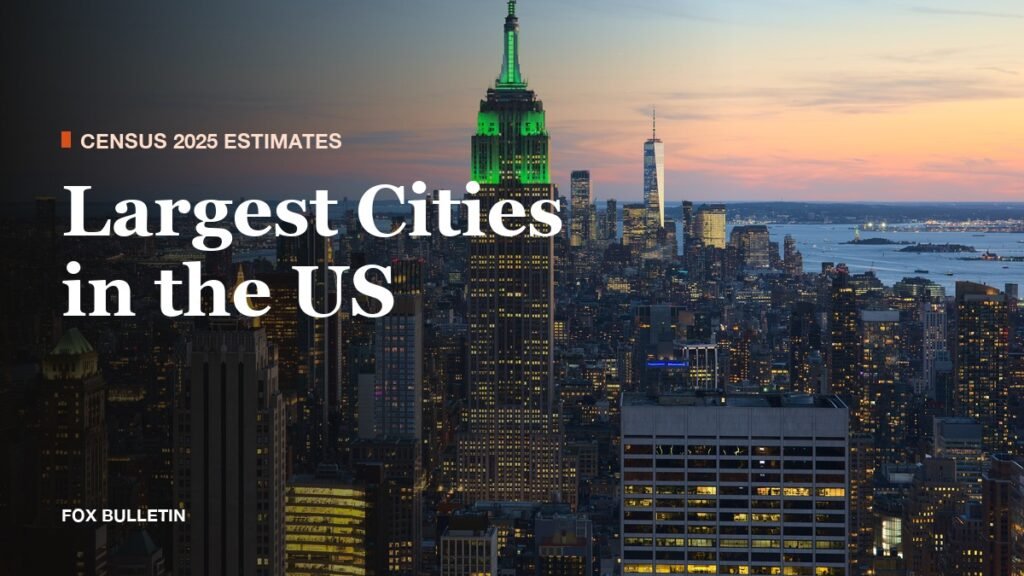
New York City is the largest city in the US in 2026, with 8,584,629 residents on July 1, 2025. That is more than double Los Angeles at 3,869,089, and the order of the nine biggest cities has not changed since 2020. These are the largest cities in the US ranked by the latest population estimates, with growth, land area and density for each.
The figures come from the Census Bureau’s Vintage 2025 estimates, released in May 2026. Each population is the July 1, 2025 estimate, and each change is measured against the April 1, 2020 estimates base. Percent changes are computed from the Bureau’s published estimates, and density is residents per square mile of land. Twelve cities now have at least a million residents.
The 15 Largest US Cities by Population
| # | City | Population (July 1, 2025) | Change since April 2020 | Land area (sq mi) | People per sq mi |
|---|---|---|---|---|---|
| 1 | New York City, New York | 8,584,629 | -220,965 (-2.5%) | 300.5 | 28,569 |
| 2 | Los Angeles, California | 3,869,089 | -30,253 (-0.8%) | 470.5 | 8,223 |
| 3 | Chicago, Illinois | 2,731,585 | -16,748 (-0.6%) | 227.7 | 11,994 |
| 4 | Houston, Texas | 2,397,315 | +97,666 (+4.2%) | 640.8 | 3,741 |
| 5 | Phoenix, Arizona | 1,665,481 | +57,132 (+3.6%) | 518.4 | 3,213 |
| 6 | Philadelphia, Pennsylvania | 1,574,281 | -29,519 (-1.8%) | 134.3 | 11,720 |
| 7 | San Antonio, Texas | 1,548,422 | +115,074 (+8.0%) | 499.0 | 3,103 |
| 8 | San Diego, California | 1,406,106 | +21,625 (+1.6%) | 326.0 | 4,313 |
| 9 | Dallas, Texas | 1,329,491 | +25,150 (+1.9%) | 339.7 | 3,914 |
| 10 | Fort Worth, Texas | 1,028,117 | +109,225 (+11.9%) | 352.0 | 2,921 |
| 11 | Jacksonville, Florida | 1,017,689 | +68,082 (+7.2%) | 747.3 | 1,362 |
| 12 | Austin, Texas | 1,002,632 | +44,481 (+4.6%) | 325.0 | 3,085 |
| 13 | San Jose, California | 989,814 | -23,507 (-2.3%) | 177.9 | 5,563 |
| 14 | Charlotte, North Carolina | 964,784 | +90,076 (+10.3%) | 312.1 | 3,091 |
| 15 | Columbus, Ohio | 938,396 | +32,181 (+3.6%) | 221.9 | 4,228 |
Largest Cities in the US, Ranked
1. New York City: Twice the Size of Los Angeles

Population: 8,584,629 · Change since 2020: -220,965 (-2.5%) · Land area: 300.483 sq mi · Density: 28,569 per sq mi
New York City has more than 4.7 million more residents than Los Angeles, a ratio of 2.2 to 1. Its estimates base in April 2020 was 8,805,594, so the city has shed 220,965 people since.
The loss continued in the latest year: from 2024 to 2025 the city fell by 12,196, the largest numeric decrease of any US city. It is also the densest of the 15 on 300.483 square miles of land, at 28,569 people per square mile, nearly ten times the density of Fort Worth.
2. Los Angeles: Down 0.8% but Still a Clear Second

Population: 3,869,089 · Change since 2020: -30,253 (-0.8%) · Land area: 470.518 sq mi · Density: 8,223 per sq mi
Los Angeles had 3,899,342 residents at the April 2020 base and 3,869,089 in July 2025, a drop of 30,253. It lost another 3,621 residents between July 2024 and July 2025, a small decline beside New York’s.
Los Angeles is about 1.4 times the size of third-placed Chicago. Its 470.518 square miles of land hold 8,223 people per square mile, under a third of New York’s density.
3. Chicago: Growing Again but Still Below 2020
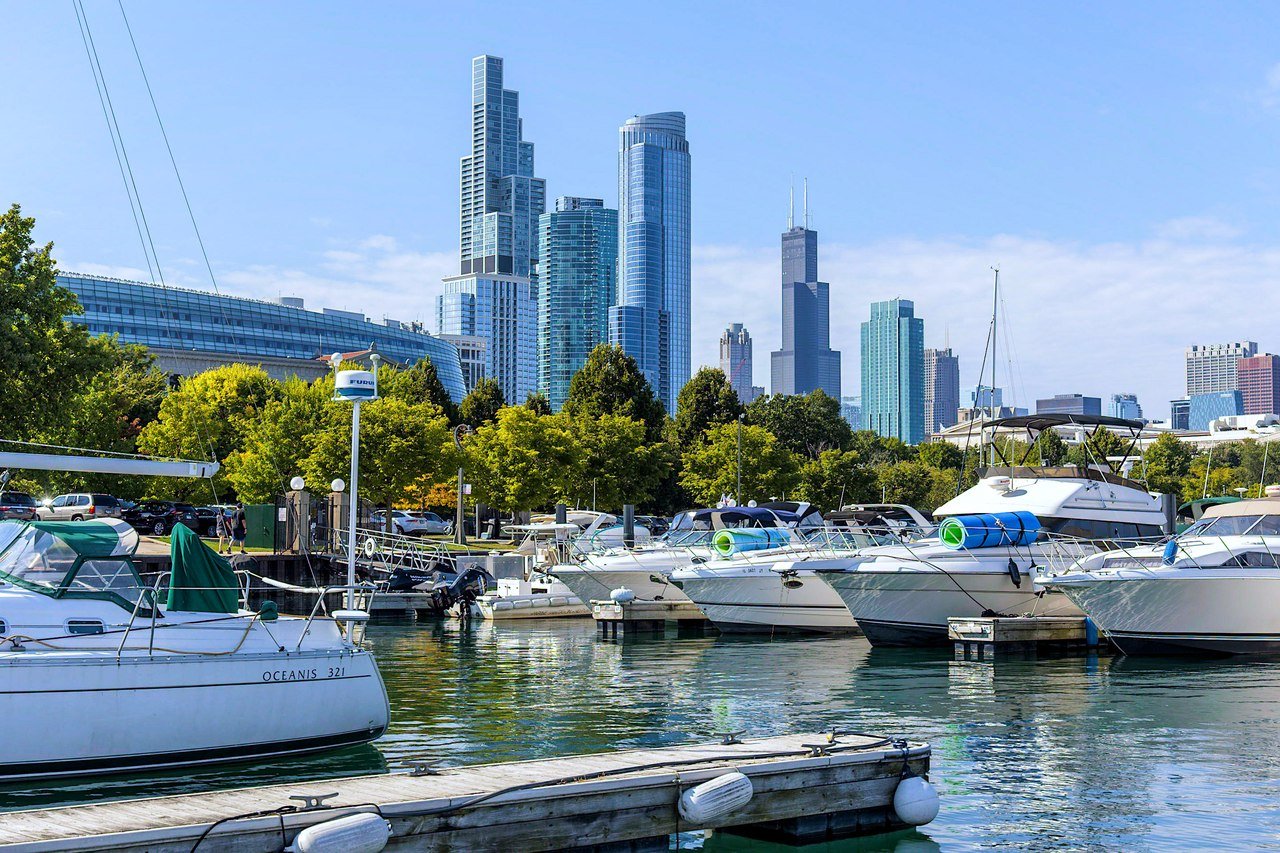
Population: 2,731,585 · Change since 2020: -16,748 (-0.6%) · Land area: 227.748 sq mi · Density: 11,994 per sq mi
Chicago added 5,253 residents from 2024 to 2025, a rise of 0.19%, yet it remains 16,748 below its April 2020 base of 2,748,333. It is one of only five cities in the top 15 that has not recovered to its 2020 level.
Chicago leads fourth-placed Houston by 334,270 residents while using little more than a third of Houston’s land. At 11,994 people per square mile it is the second-densest of the 15, behind only New York.
4. Houston: The Largest Land Area in the Top 10
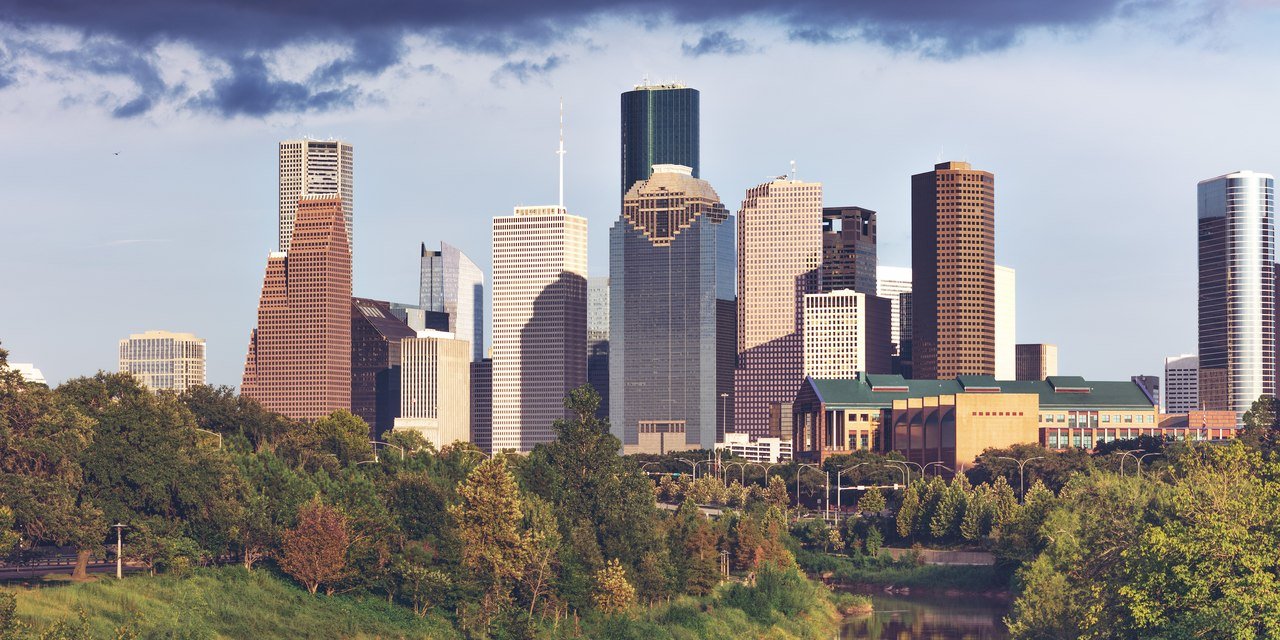
Population: 2,397,315 · Change since 2020: +97,666 (+4.2%) · Land area: 640.819 sq mi · Density: 3,741 per sq mi
Houston grew from 2,299,649 at the April 2020 base to 2,397,315, a gain of 97,666. It added 11,515 residents from 2024 to 2025, the sixth-largest numeric gain among cities of 20,000 or more.
Its 640.819 square miles of land are the most of any city in the top 10 and more than twice the area of New York City. The Houston metro area ranks fifth in the country, and the city holds about 30% of its residents.
5. Phoenix: 57,132 More People Than in 2020
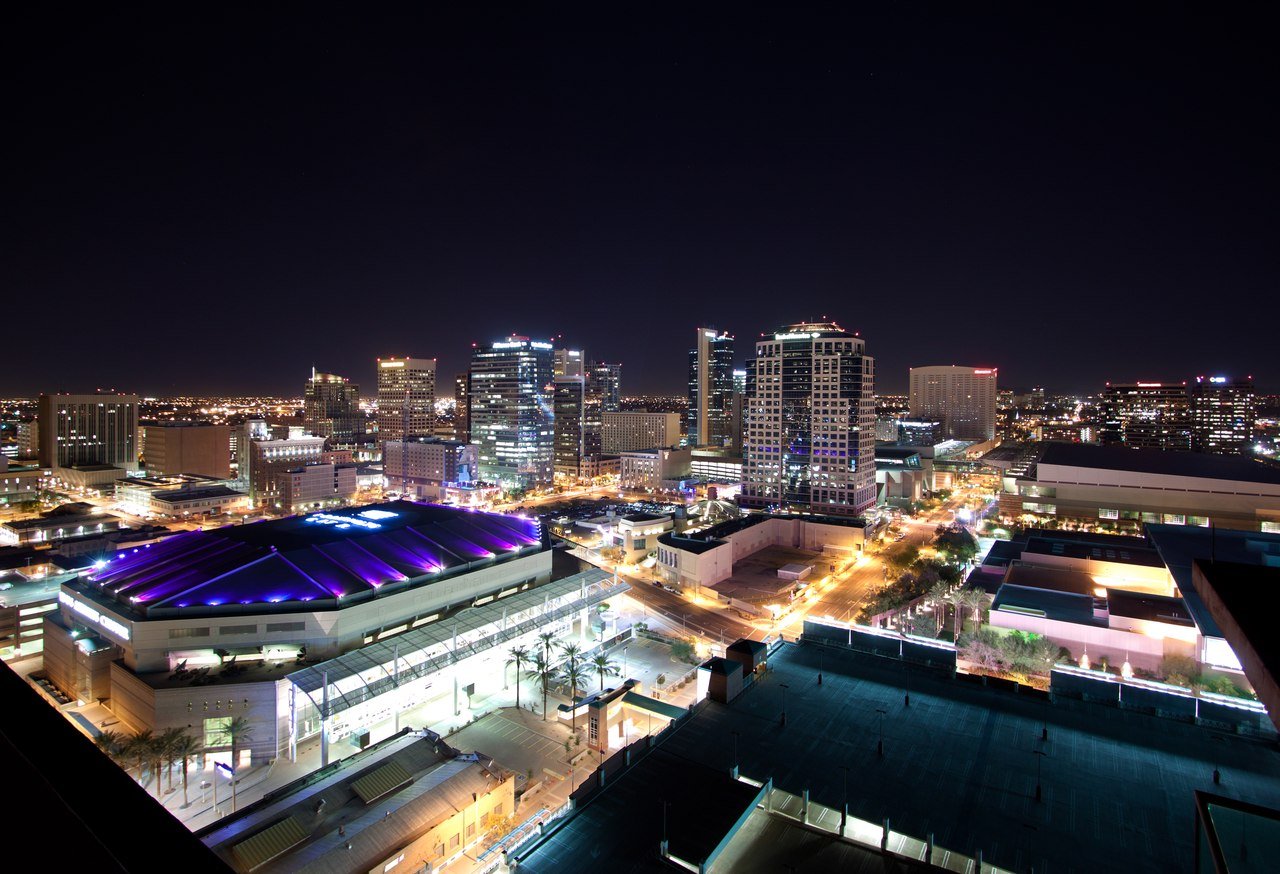
Population: 1,665,481 · Change since 2020: +57,132 (+3.6%) · Land area: 518.423 sq mi · Density: 3,213 per sq mi
Phoenix rose from 1,608,349 at the April 2020 base to 1,665,481, up 3.6%. The city added 3,157 residents in the latest year, a 0.19% rise.
It sits 91,200 residents ahead of Philadelphia in sixth. At 3,213 people per square mile on 518.423 square miles of land, its density is close to San Antonio’s 3,103 and Austin’s 3,085.
6. Philadelphia: Smallest Land Area in the Top 10
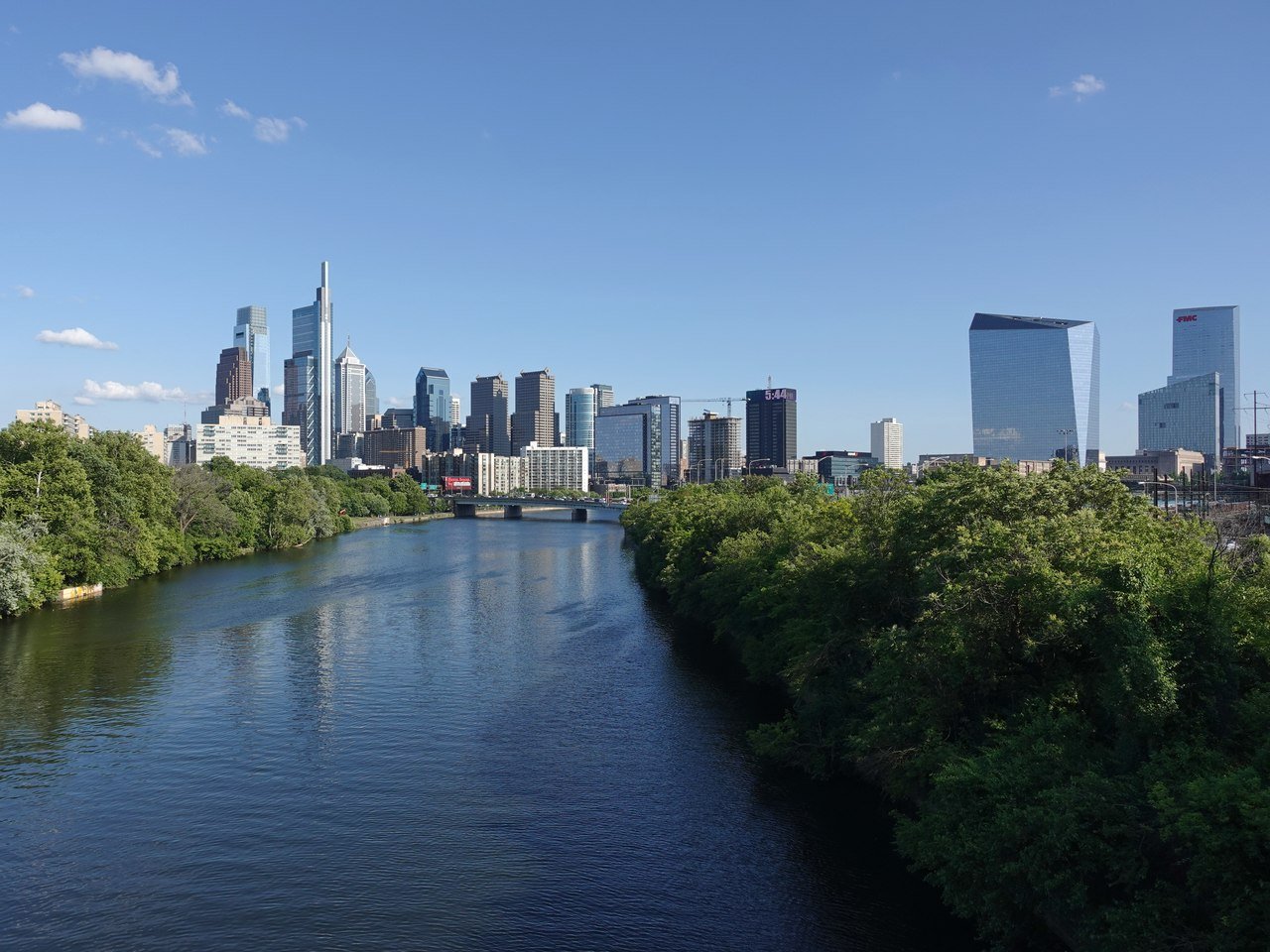
Population: 1,574,281 · Change since 2020: -29,519 (-1.8%) · Land area: 134.325 sq mi · Density: 11,720 per sq mi
Philadelphia stands 29,519 residents, or 1.8%, below its April 2020 base of 1,603,800, though it grew by 1,546 between 2024 and 2025. Its 134.325 square miles of land are about a quarter of Phoenix’s area.
San Antonio is closing in from behind. At the 2020 base the gap to Philadelphia was 170,452 residents, and it has narrowed to 25,859. Philadelphia’s density of 11,720 per square mile is third-highest of the 15.
7. San Antonio: Biggest Numeric Gain in the Top 15
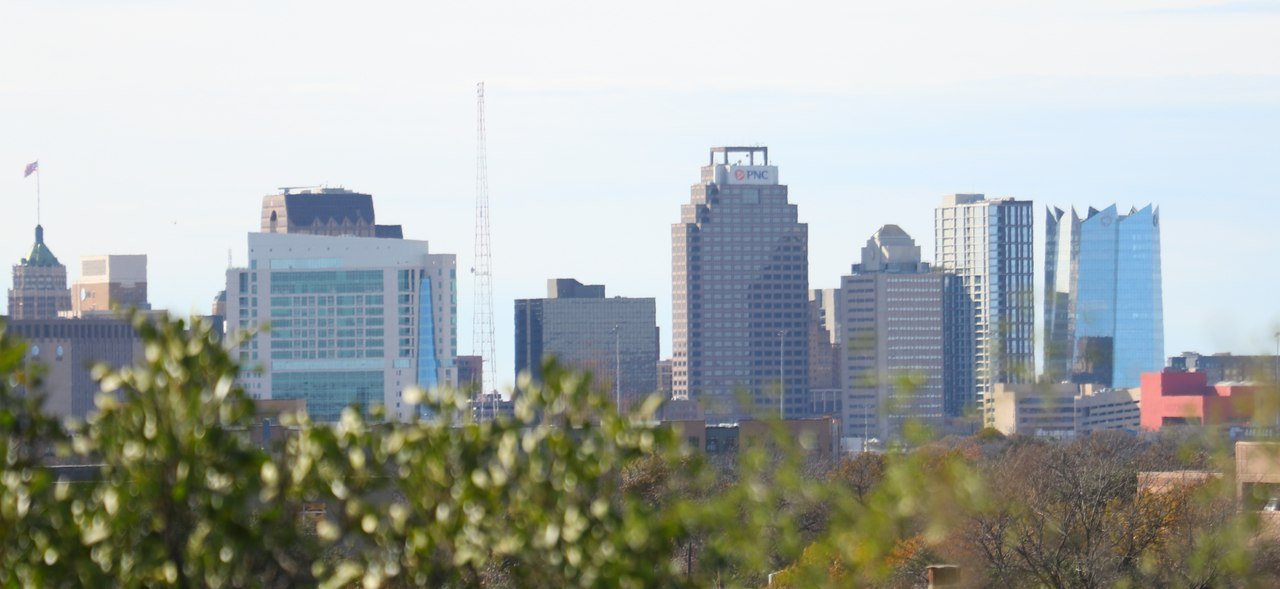
Population: 1,548,422 · Change since 2020: +115,074 (+8.0%) · Land area: 498.979 sq mi · Density: 3,103 per sq mi
San Antonio went from 1,433,348 at the April 2020 base to 1,548,422, a gain of 115,074 that is the largest numeric increase among the 15 biggest cities. From 2024 to 2025 it added 14,359 residents, the third-largest numeric gain of any US city of 20,000 or more.
The city ranks 142,316 residents ahead of San Diego. Its 498.979 square miles of land give it 3,103 people per square mile.
8. San Diego: Slow Growth on the Pacific Coast

Population: 1,406,106 · Change since 2020: +21,625 (+1.6%) · Land area: 326.028 sq mi · Density: 4,313 per sq mi
San Diego grew from 1,384,481 at the April 2020 base to 1,406,106, a rise of 1.6%. It added 5,874 residents in the latest year, a 0.42% increase.
It is the only one of California’s three cities in the top 15 that has grown since 2020, as Los Angeles is down 0.8% and San Jose is down 2.3%. San Diego leads ninth-placed Dallas by 76,615 residents and packs 4,313 people into each square mile of land.
9. Dallas: A Flat City Inside a Fast-Growing Metro
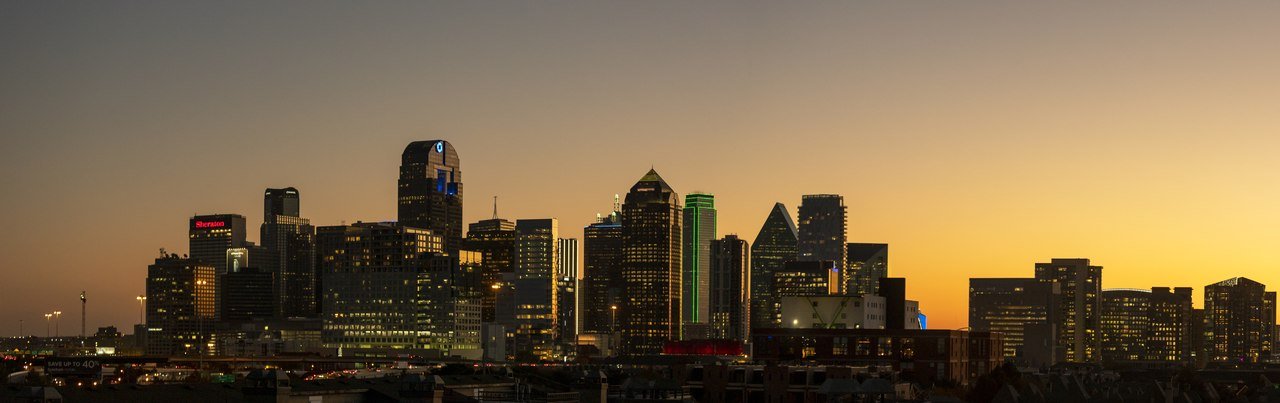
Population: 1,329,491 · Change since 2020: +25,150 (+1.9%) · Land area: 339.685 sq mi · Density: 3,914 per sq mi
Dallas lost 1,808 residents from 2024 to 2025, a fall of 0.14%, but remains 25,150 above its April 2020 base of 1,304,341. Its density is 3,914 per square mile on 339.685 square miles of land.
The metro around it tells a different story. The Dallas-Fort Worth-Arlington area grew 11.0% since 2020, and Celina, inside that metro, was the nation’s fastest-growing city of 20,000 or more in the latest year at 24.6%.
10. Fort Worth: Fastest Growth in the Top 15
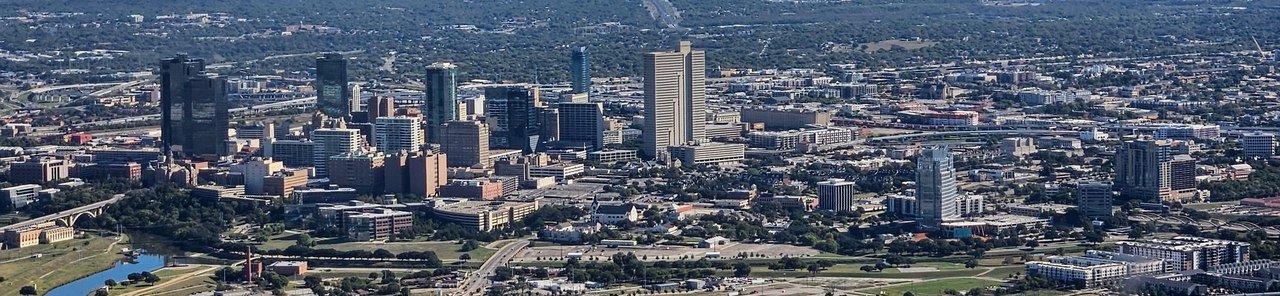
Population: 1,028,117 · Change since 2020: +109,225 (+11.9%) · Land area: 352.011 sq mi · Density: 2,921 per sq mi
Fort Worth passed Jacksonville in 2025 to become the tenth-largest city, having ranked 13th at the April 2020 base. It gained 19,512 residents from 2024 to 2025, the second-most of any US city. Its 11.9% growth since 2020 is the fastest among the 15 biggest.
It now stands 10,428 residents clear of Jacksonville. At 2,921 people per square mile on 352.011 square miles of land, it is the least dense of the ten.
Fastest-Growing Large Cities: Fort Worth, Charlotte and San Antonio
Only 10 of the 15 largest cities have grown since April 2020. New York, San Jose, Philadelphia, Los Angeles and Chicago are all below their 2020 base, while the five fastest-growing large cities are:
- Fort Worth, Texas: +109,225 residents (+11.9%) to 1,028,117
- Charlotte, North Carolina: +90,076 (+10.3%) to 964,784, climbing from 17th to 14th
- San Antonio, Texas: +115,074 (+8.0%) to 1,548,422
- Jacksonville, Florida: +68,082 (+7.2%) to 1,017,689
- Austin, Texas: +44,481 (+4.6%) to 1,002,632, which crossed one million between 2024 and 2025
Charlotte added 20,731 residents from 2024 to 2025, more than any other US city. The South holds 10 of the nation’s 15 fastest-growing cities and 11 of the 12 largest numeric gains, and the five fastest-growing cities of 20,000 or more were all in Texas. For the cost side of that move, see the cheapest states to live in and the most expensive states to live in.
The Five Largest US Metro Areas Compared With the Cities
The metro figures below come from the same Vintage 2025 series, using the July 1, 2025 estimate against the April 2020 base.
| # | Metro area | Population (July 1, 2025) | Change since April 2020 |
|---|---|---|---|
| 1 | New York-Newark-Jersey City, NY-NJ | 20,112,448 | +29,048 (+0.1%) |
| 2 | Los Angeles-Long Beach-Anaheim, CA | 12,844,441 | -360,252 (-2.7%) |
| 3 | Chicago-Naperville-Elgin, IL-IN | 9,434,123 | -20,309 (-0.2%) |
| 4 | Dallas-Fort Worth-Arlington, TX | 8,477,157 | +838,863 (+11.0%) |
| 5 | Houston-Pasadena-The Woodlands, TX | 7,904,627 | +754,400 (+10.6%) |
New York’s metro area has 20.1 million residents, about 2.3 times the city proper. Dallas-Fort Worth, with 8,477,157, is about 3.6 times the combined population of Dallas and Fort Worth. The Los Angeles metro lost 360,252 people since 2020, while Dallas-Fort Worth added 838,863 and Houston added 754,400.
City Limits and Metro Areas Rank the Same Places Differently
A city figure counts people inside the legal limits of an incorporated place. A metropolitan statistical area is a core of at least 50,000 urban residents plus the counties around it that are tied together by commuting, and the federal government delineates it, not the city. That is why Dallas-Fort Worth is fourth among metros while Dallas and Fort Worth rank only ninth and tenth as cities.
Boundaries also change the density story. Jacksonville spreads over 747.33 square miles of land and holds only 1,362 people per square mile, while Philadelphia packs 11,720 into 134.325. Big-city growth has slowed as well: the average one-year gain for cities of 250,000 or more fell to 0.3% in 2024-25 from 0.9% the year before, and the Bureau’s statistician Matt Erickson noted that smaller suburbs in a metro often outgrow the big city at its center.
What the Population Estimates Count and What They Leave Out
The rankings use the Census Bureau’s city and town totals, which are estimates rather than census counts. Each new vintage revises the whole 2020-2025 series, so figures should be compared only within Vintage 2025. Only 824 of the 19,483 incorporated places in the data have 50,000 or more residents.
Indianapolis (901,116) and Nashville-Davidson (721,074) appear in the data as balance figures, meaning the consolidated city minus the semi-independent places inside it, and neither affects the top 15. Density here is the 2025 estimate divided by the 2025 land area, so it is approximate and ignores water.
How to Compare City Populations Before You Use a Figure
Three checks keep a city comparison honest:
- Match the dates. Every city here is a July 1, 2025 estimate measured against an April 1, 2020 base.
- Match the geography. City limits, metro areas and metropolitan statistical areas give very different totals for the same place, such as 8.58 million for New York City and 20.1 million for its metro.
- Match the unit. Compare people per square mile of land, not total area, when size differs as much as Philadelphia’s 134.325 and Jacksonville’s 747.33 square miles.
Frequently Asked Questions
What is the largest city in the US?
New York City, with 8,584,629 residents on July 1, 2025. That is more than double Los Angeles, which has 3,869,089, and 4.7 million ahead of it.
How many US cities have more than 1 million people?
Twelve cities have at least a million residents. Austin, at 1,002,632, was the latest to cross the line between 2024 and 2025. A further 39 cities have 500,000 or more, after Raleigh passed that mark in 2025.
What is the fastest-growing big city?
Among the 15 largest, Fort Worth has grown most since April 2020, up 11.9%, and Charlotte added the most people in the latest year at 20,731. Across all cities of 20,000 or more, Celina, Texas grew 24.6% from 2024 to 2025.
Is New York City still shrinking?
It is 2.5% below its April 2020 base and lost 12,196 residents from 2024 to 2025, the largest numeric decline of any city. It remains the largest city by a wide margin, with 4.7 million more residents than Los Angeles.
Related Articles

Get the Fox Bulletin briefing
The stories that matter, in your inbox. No spam, unsubscribe anytime.
Newsletter signup will be available soon.
Related stories

Types of Pasta: 25 Shapes and What Each One Suits
Long strands, tubes, twists and soup shapes: 25 types of pasta shown and named, with the cooking time for each and the kind of sauce its surface is built to hold.
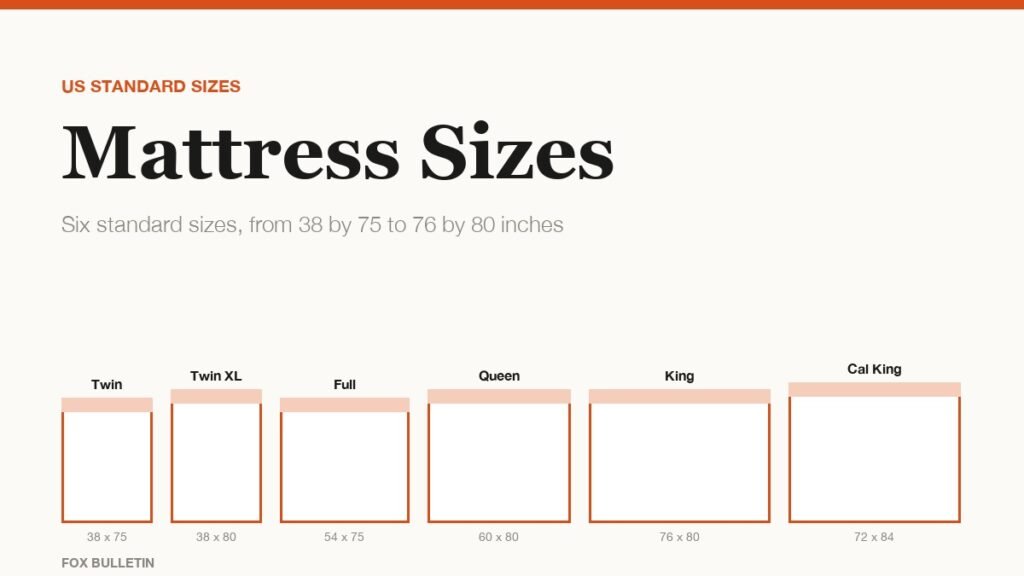
Mattress Sizes: All Six Standard Beds, Measured
Twin through California King, measured in inches and square feet, with the room each size needs and the gap between the size on the label and the mattress that turns up.

ASL Alphabet: All 26 Hand Signs and How to Form Them
The ASL alphabet is 26 handshapes made with one hand. This guide shows every letter, explains the six that are all variations of a fist, and covers the two that need movement.