

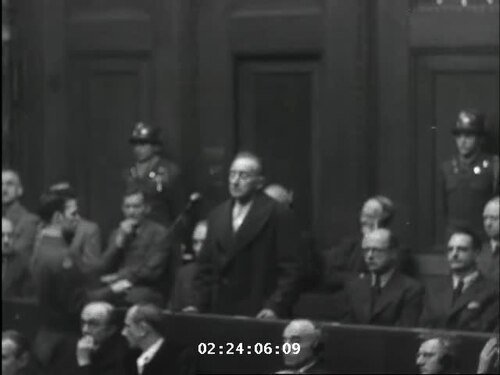
What Is an Arraignment, An arraignment is the first formal court hearing where a defendant learns the exact criminal charge(s) filed against them and is asked to enter a plea. In most U.S. jurisdictions the judge reads the indictment aloud, hands a copy to the accused, and then prompts a response such as guilty, not guilty, or no contest. The process also sets bail, outlines future steps, and confirms the right to counsel. We think the arraignment is the moment that truly turns a police report into a courtroom drama. See also: fair Use in Copyright Explained
How does an arraignment actually work?
After an arrest, the prosecution files a charging document-either an indictment or information. Federal Rule of Criminal Procedure Rule 10(a) requires the court to conduct the arraignment in open session, read the charge, and provide the defendant a copy of the indictment. The judge then asks the defendant to plead. If the defendant cannot appear, a representative may appear on their behalf, but the court still must ensure the accused understands the charges.
During the hearing the judge may address bail. In many states bail is set based on a schedule that ties the amount to the severity of the offense; for example, a Class A felony in Texas often carries a $10,000 bail. If the judge denies bail, the defendant remains in custody until trial. After the plea, the case moves to pre‑trial motions, discovery, or a trial date. See also: right-to-Work States: All 26 Listed and Explained
What rights does a defendant have at arraignment?
The Sixth Amendment guarantees the right to be informed of the nature and cause of the accusation. The defendant also has the right to counsel; if they cannot afford an attorney, the court must appoint one. This was cemented by Wikipedia entry on arraignment, which notes that the right to counsel is a cornerstone of the process.

Other rights include the right against self‑incrimination and the right to a speedy trial. The judge typically reads a Miranda warning if the defendant is in custody, reminding them that they can remain silent and that anything they say may be used against them. See also: dying Without a Will: Who Inherits Under State Law
What are the different types of arraignment?
Arraignments vary by jurisdiction and by the seriousness of the charge. Common categories include:
- Initial arraignment (first appearance), occurs within days of arrest, sets bail, and records the plea.
- Felony arraignment, more formal, usually requires personal appearance, and may involve detailed bail conditions.
- Misdemeanor arraignment, often quicker, sometimes handled by a magistrate without a jury.
- Video arraignment, the defendant appears via a secure video link, a practice that grew after the pandemic.
In New Zealand, a “no plea” option allows the accused to seek legal advice before entering a formal plea on the second appearance, a nuance that differs from most U.S. courts.
How is bail decided during arraignment?
Bail decisions balance public safety, flight risk, and the seriousness of the offense. Federal courts use the Bail Reform Act of 1984, which lists factors such as the nature of the crime, the defendant’s criminal history, and ties to the community. State courts often follow similar guidelines but may have statutory bail schedules. For example, California’s Penal Code 850 sets a $5,000 bail for a first‑degree misdemeanor, while a felony may start at $25,000.
If the judge denies bail, the defendant remains detained. In some jurisdictions, the defense can request a bail reduction by presenting evidence of employment, family ties, or a low‑risk profile.
What are the differences between a guilty plea and a not‑guilty plea?
Choosing a guilty plea ends the case immediately; the court proceeds to sentencing. A not‑guilty plea preserves the defendant’s right to a trial, where the prosecution must prove the charge beyond a reasonable doubt. The decision influences pre‑trial negotiations, potential plea bargains, and the speed of resolution.
| Aspect | Guilty Plea | Not‑Guilty Plea |
|---|---|---|
| Immediate outcome | Case moves directly to sentencing; no trial. | Case proceeds to discovery, motions, and possibly trial. |
| Effect on sentencing | Often results in reduced sentences through plea bargains. | Sentencing depends on trial verdict; no built‑in discount. |
| Right to appeal | Limited; can appeal only on procedural issues. | Full right to appeal conviction or acquittal. |
| Impact on record | Criminal conviction recorded immediately. | Record remains pending until verdict. |
| Typical use | When evidence is overwhelming or a deal is offered. | When defense believes evidence is weak or wants a jury. |
For instance, in a 2022 federal case involving drug trafficking, the defendant entered a guilty plea after prosecutors offered a 30 percent reduction in the recommended sentence. By contrast, a not‑guilty plea in a 2021 homicide case led to a trial where the jury acquitted the defendant after three weeks of testimony.
What are the consequences of a no‑contest (nolo contendere) plea?
A no‑contest plea means the defendant does not admit guilt but accepts conviction. It has the same immediate effect as a guilty plea-sentencing follows-but it often shields the defendant from civil liability because the plea cannot be used as an admission of fault in subsequent civil suits. However, not all jurisdictions allow it; many state statutes require court approval.
In the landmark case US Law Explained’s discussion of arraignment, a defendant in a fraud case used a nolo contendere plea to avoid a costly civil lawsuit, resulting in a $50,000 fine and no admission of wrongdoing.
Where does an arraignment fit in the criminal process?
The criminal timeline typically follows these steps: arrest, charging, arraignment, pre‑trial motions, discovery, trial, and sentencing. Arraignment is the gateway that transforms a charging document into a live courtroom matter. After the plea, the case either jumps to sentencing (guilty or nolo) or moves into the discovery phase, where both sides exchange evidence.
In England and Wales, arraignment is the first of eleven stages in Crown Court proceedings, whereas in the United States it is usually the second appearance after the initial booking hearing.
Common Misunderstandings
Myth 1: The arraignment is a trial. The hearing is purely procedural; no evidence or witnesses are presented. The real battle begins later if the defendant pleads not guilty.
Myth 2: A defendant must enter a plea at every arraignment. Some jurisdictions allow a “no plea” response, giving the accused time to consult counsel before deciding.
Myth 3: Bail is always set at arraignment. Judges can postpone bail decisions if they need more information about flight risk or public safety.
Further Reading

Frequently Asked Questions
Can I represent myself at an arraignment?
Yes, you can waive counsel and appear pro se, but the judge will still ensure you understand the charges and your rights. Courts often advise against self‑representation because procedural missteps can harm your case.
What happens if I miss my arraignment?
Missing an arraignment can result in a bench warrant for your arrest. The court may also set a higher bail amount because failure to appear suggests a flight risk.
Do all states require a plea at arraignment?
No. Some states, like California, allow a “no plea” response, letting the defendant seek advice before formally pleading. Other states, such as Texas, require an immediate plea.
Is a video arraignment as valid as an in‑person one?
Yes, courts treat video appearances as equivalent, provided the technology meets security standards. The defendant must still be able to hear the charges and address the judge.
Can bail be reduced after the arraignment?
Defendants can file a bail reduction motion, presenting evidence of stable employment, family ties, or lack of flight risk. A judge may lower the amount or replace cash bail with conditions like electronic monitoring.
What is an Alford plea?
An Alford plea lets a defendant maintain innocence while acknowledging that the prosecution has enough evidence for a conviction. It results in the same sentencing as a guilty plea but preserves the claim of innocence for future civil proceedings.
The Bottom Line
Arraignment marks the point where charges become public and the defendant’s legal journey truly begins. Knowing your rights, the plea options, and bail mechanics can dramatically affect the case’s trajectory. If you’re facing an arraignment, get competent counsel early and treat the hearing as the first strategic decision in your defense.
Related on Fox Bulletin
- fair Use in Copyright Explained
- right-to-Work States: All 26 Listed and Explained
- dying Without a Will: Who Inherits Under State Law
Frequently Asked Questions
Who is #1 in What Is an Arraignment?
The #1 entry leads on the core metric (explained with state-by-state rules). See the full ranking above for the verified figure and context.
How was this top 10 ranked?
We used independently verifiable figures and broke ties by longevity and breadth of sources.
How often is this list updated?
We review Fox Bulletin rankings regularly and update when new certified figures are published.

Get the Fox Bulletin briefing
The stories that matter, in your inbox. No spam, unsubscribe anytime.
Newsletter signup will be available soon.
Related stories

Fair Use in Copyright Explained
Fair Use in Copyright Explained – Fair use is a U.S. legal doctrine that lets you borrow small portions of copyrighted material without the owner’s permission when the use meets a narrow set of criter

Italy Moves Toward Paid Leave for Workers With Sick Pets
Italy is set to approve paid leave for workers caring for sick pets, marking a rare step in European labor law. The government plans to introduce a minimum of three days of paid sick‑pet leave, with t

Right-to-Work States: All 26 Listed and Explained
Twenty-six US states have right-to-work laws, meaning no worker can be required to join a union or pay union dues as a condition of employment. That number fell from 27 in February…