

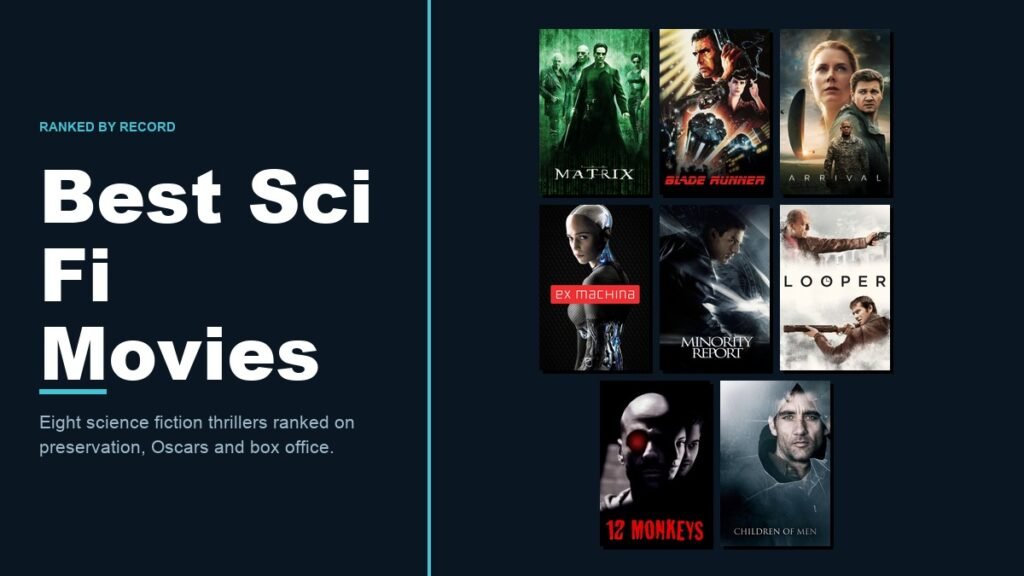
The best sci fi movies that work as thrillers share one trait: the speculative idea creates the danger rather than decorating it. Eight of them are ranked below on preservation first, then Academy Awards won, then worldwide box office.
Two were chosen for the National Film Registry, four won Oscars between them, and the runtimes run from 106 to 145 minutes. The last column is the premise in one line, which is usually the faster way to choose.
| # | Film | Runtime | Record on paper | The idea it runs on |
|---|---|---|---|---|
| 1 | The Matrix (1999) | 2 hours 16 minutes | National Film Registry, 2012 | Reality is a simulation you can bend |
| 2 | Blade Runner (1982) | 1 hour 52 minutes | National Film Registry, 1993 | If a copy can suffer, is it a copy |
| 3 | Arrival (2016) | 1 hour 56 minutes | 1 Academy Award | Learning a language rewires how you see time |
| 4 | Ex Machina (2014) | 1 hour 48 minutes | 1 Academy Award | A Turing test the examiner is failing |
| 5 | Minority Report (2002) | 2 hours 25 minutes | Saturn Award for Best Science Fiction Film | Arrest people for murders they have not committed |
| 6 | Looper (2012) | 1 hour 59 minutes | National Board of Review: Top Ten Films | Your future self is the contract |
| 7 | 12 Monkeys (1995) | 2 hours 11 minutes | Golden Globe for best supporting actor | A survivor sent back to find patient zero |
| 8 | Children of Men (2006) | 1 hour 46 minutes | Saturn Award for Best Science Fiction Film | No child has been born for eighteen years |
What Makes a Science Fiction Film a Thriller
Plenty of science fiction is built on wonder. These eight are built on pressure: a countdown, an investigation or a person who cannot trust what they are seeing. Strip the speculative element out of any of them and the plot collapses.
That is a stricter test than it sounds. It rules out most space opera, where the setting is a backdrop for a quest, and it rules out disaster films, where the threat is weather with better effects. It leaves films where an idea is doing the work.
The result skews recent. Five of the eight were released after 1999, and the two oldest took a decade each to find the audience that now keeps them in circulation.
The Eight Best Sci Fi Movies, Ranked
1. The Matrix (1999): Four Oscars and a Place in the Registry
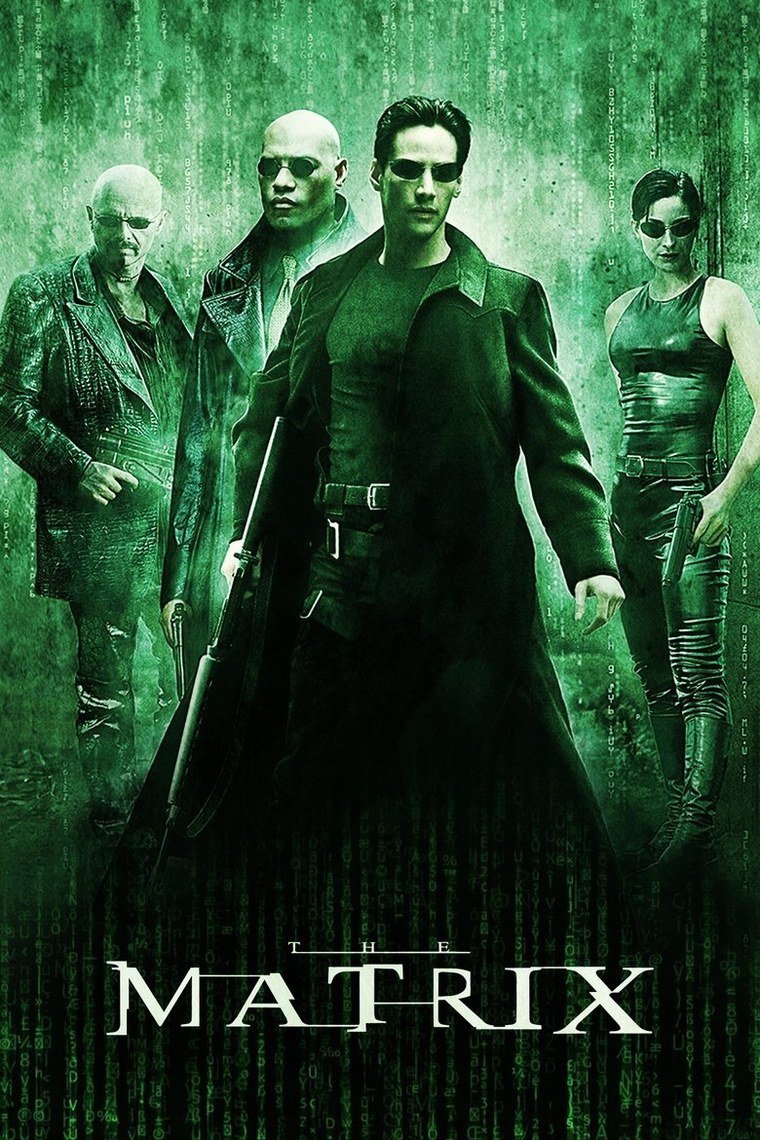
Director: Lana Wachowski and Lilly Wachowski · Runtime: 2 hours 16 minutes · Starring: Keanu Reeves, Laurence Fishburne, Carrie-Anne Moss · National Film Registry, 2012
Lana and Lilly Wachowski built an action film on a philosophy-seminar premise and then invented a camera rig to sell it. The film won four Academy Awards, for film editing, sound, sound editing and visual effects, and the Library of Congress added it to the National Film Registry in 2012.
What keeps it a thriller rather than a spectacle is the rule set. Every power Neo gains is explained before it is used, so the fights stay legible at 136 minutes.
It grossed $473.3 million and reset how mainstream films shoot action. The bullet-dodge is still the most parodied shot in the genre.
2. Blade Runner (1982): The Slowest and the Most Imitated
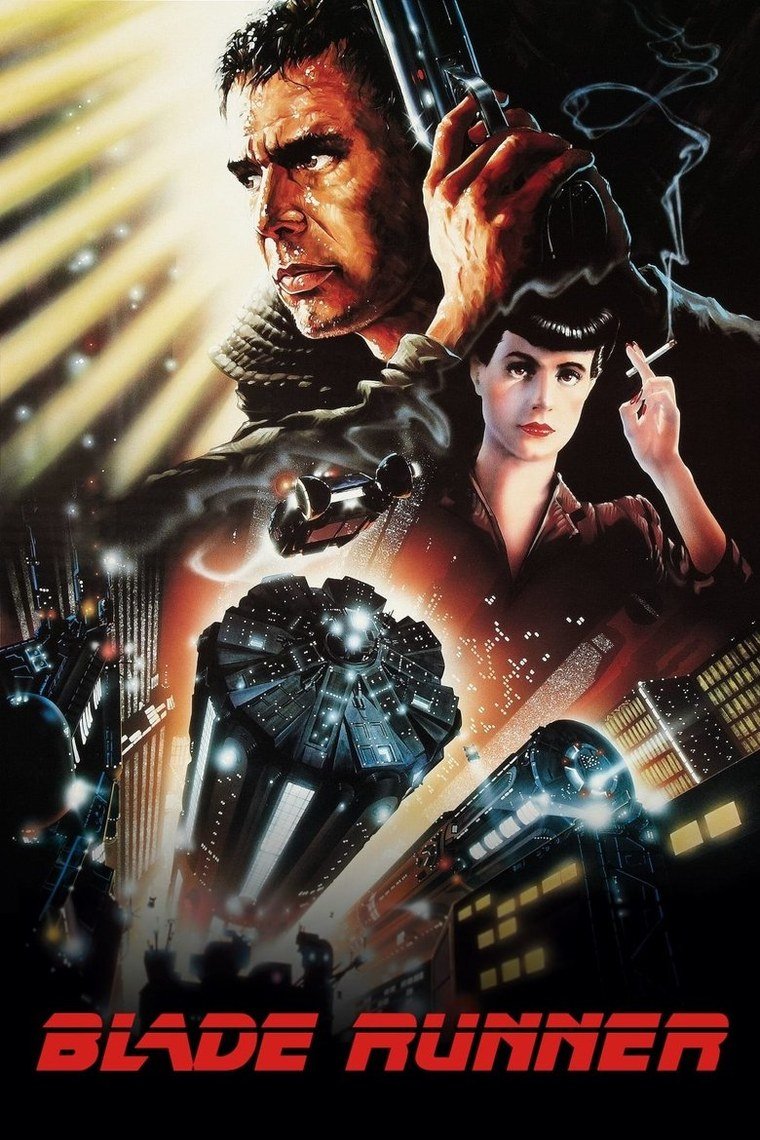
Director: Ridley Scott · Runtime: 1 hour 52 minutes · Starring: Harrison Ford, Rutger Hauer, Sean Young · National Film Registry, 1993
Ridley Scott made a detective picture where the detective is the least interesting person on screen, and it took eleven years for audiences to agree. It entered the National Film Registry in 1993, before several of its own sequels existed.
The tension is moral rather than kinetic. Rutger Hauer gets four minutes at the end that reframe everything before them, and the film does not tell you how to feel about it.
It won BAFTAs for cinematography and production design and took a Hugo Award for best dramatic presentation. Every rainy neon city in science fiction since is quoting it.
3. Arrival (2016): A First-Contact Film About Grammar
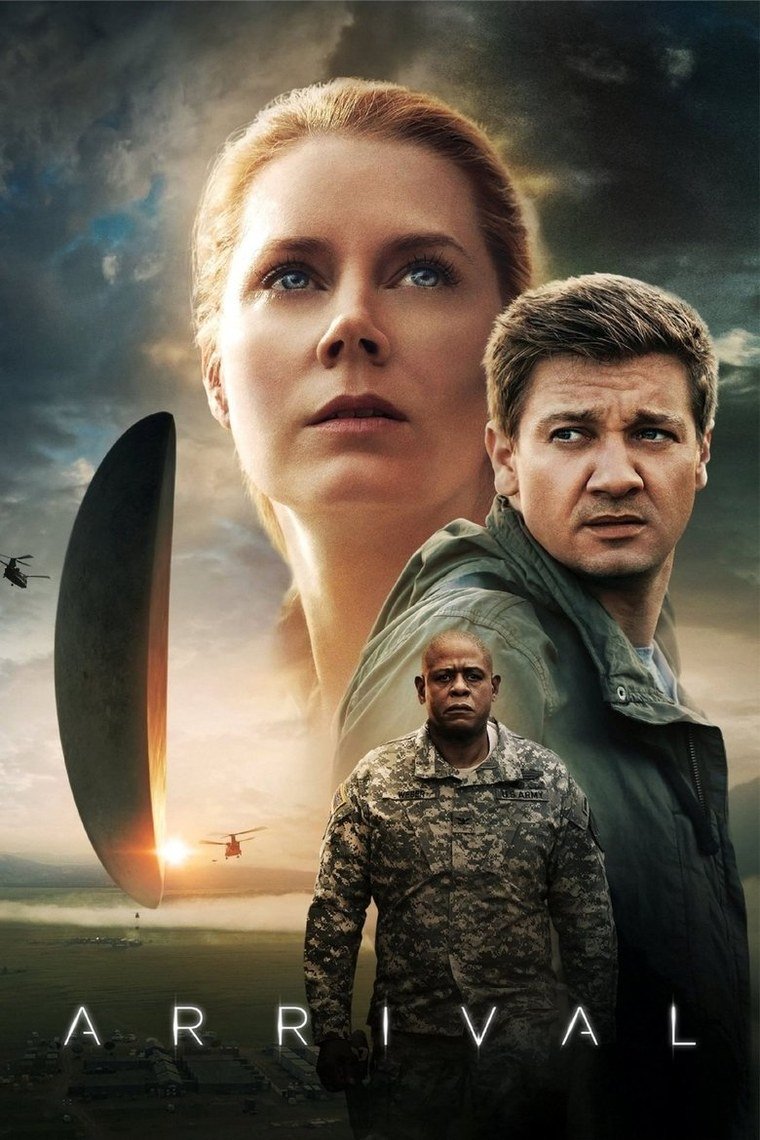
Director: Denis Villeneuve · Runtime: 1 hour 56 minutes · Starring: Amy Adams, Jeremy Renner, Forest Whitaker · One Academy Award
Denis Villeneuve puts a linguist rather than a soldier at the centre and makes the central threat a translation error. It won the Academy Award for sound editing and took $213.6 million worldwide on an idea most studios would consider unfilmable.
Amy Adams carries almost every scene. The structure hides its own twist in plain sight, and a second viewing plays as a different film without changing a frame.
At 116 minutes it is the most efficient of the serious picks here.
4. Ex Machina (2014): Three People, One House, One Test

Director: Alex Garland · Runtime: 1 hour 48 minutes · Starring: Domhnall Gleeson, Alicia Vikander, Oscar Isaac · One Academy Award
Alex Garland shot his first film as a director for a reported fraction of a studio budget and still beat the blockbusters to the Academy Award for visual effects.
The whole picture is a conversation between a programmer, his employer and the machine they are assessing. Alicia Vikander plays Ava so the audience never settles on whether she is performing, which is the entire thriller.
It grossed $38.3 million, the smallest figure on this list, and is the one most likely to start an argument afterwards.
5. Minority Report (2002): The Best-Designed Future on This List
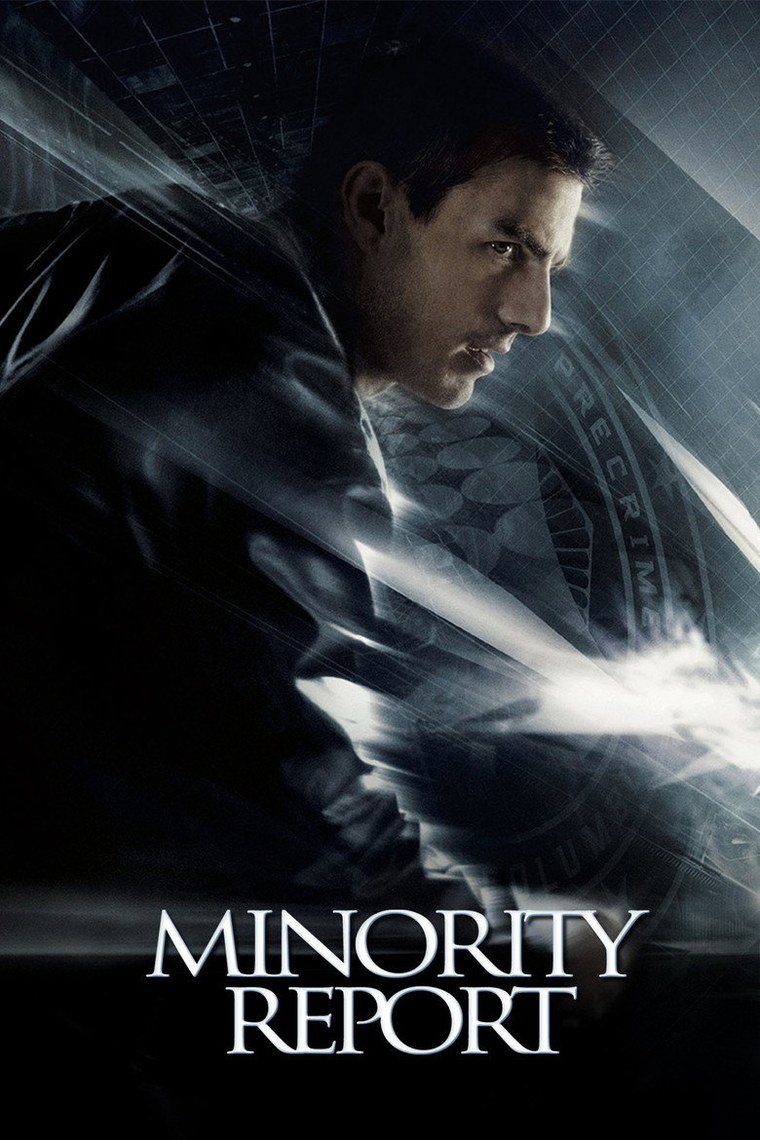
Director: Steven Spielberg · Runtime: 2 hours 25 minutes · Starring: Tom Cruise, Colin Farrell, Samantha Morton · $358.4 million worldwide
Steven Spielberg hired futurists to design 2054 before shooting, which is why the gesture interfaces, targeted advertising and self-driving cars read as predictions rather than set dressing. It won the Saturn Award for best science fiction film.
The plot is a straight chase: the cop who runs the pre-crime unit is accused by his own system. At 145 minutes it is the longest pick here and earns the length with procedure.
It took $358.4 million worldwide, more than any other film on this list except The Matrix.
6. Looper (2012): Time Travel With the Rules Kept Small
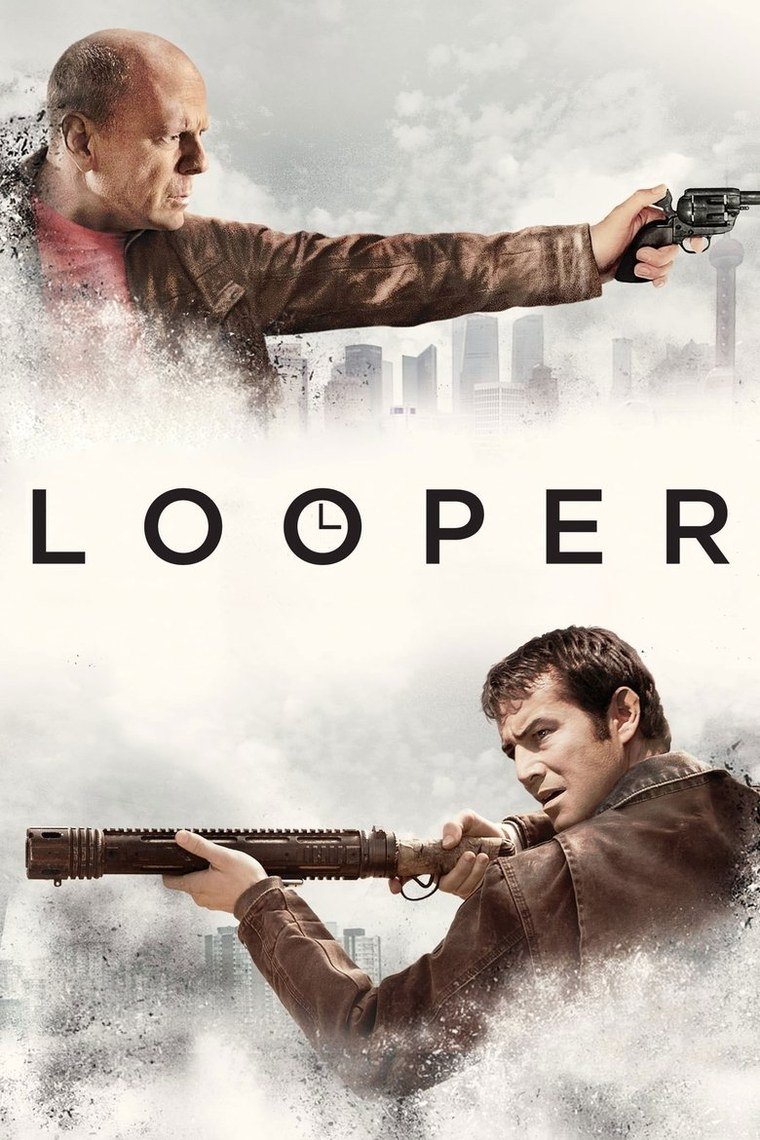
Director: Rian Johnson · Runtime: 1 hour 59 minutes · Starring: Joseph Gordon-Levitt, Bruce Willis, Emily Blunt · National Board of Review top ten film
Rian Johnson refuses to explain the mechanics and has a character say so out loud. That choice keeps 119 minutes moving while most time-travel scripts stall in a diner.
Joseph Gordon-Levitt plays a younger Bruce Willis, and the film turns from a chase into something quieter and more uncomfortable in its last half hour.
The National Board of Review listed it among the ten best films of 2012. It grossed $176.5 million.
7. 12 Monkeys (1995): The One That Never Lets You Feel Safe
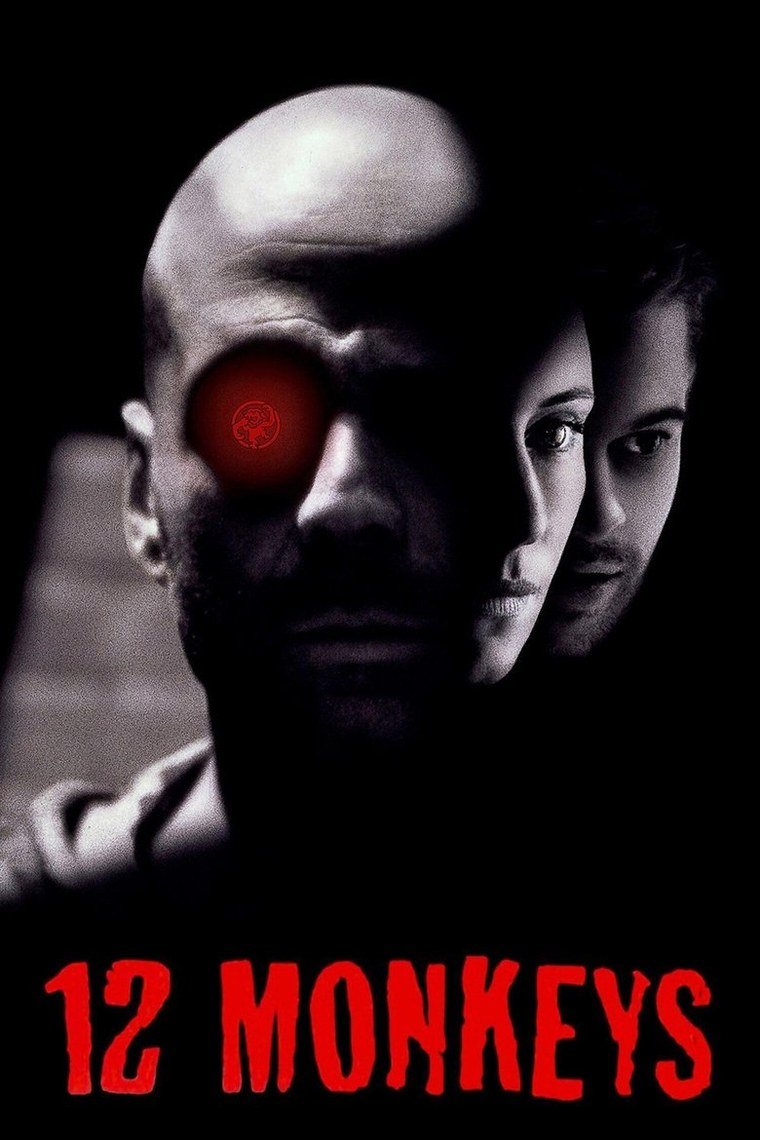
Director: Terry Gilliam · Runtime: 2 hours 11 minutes · Starring: Bruce Willis, Madeleine Stowe, Brad Pitt · Golden Globe for best supporting actor
Terry Gilliam adapted a 28-minute French short into 131 minutes without smoothing out its cruelty. Bruce Willis plays a prisoner sent back to collect a virus sample, not to stop it.
Brad Pitt won the Golden Globe for best supporting actor and the performance still reads as genuinely unstable rather than showy.
It also took the Saturn Award for best science fiction film. The ending is the bleakest on this list and the film never pretends otherwise.
8. Children of Men (2006): The Most Technically Audacious

Director: Alfonso Cuarón · Runtime: 1 hour 46 minutes · Starring: Clive Owen, Clare-Hope Ashitey, Chiwetel Ejiofor · Saturn Award for best science fiction film
Alfonso Cuaron stages two sequences, a car ambush and a street battle, as long takes that run several minutes without a visible cut. They are the reason film schools still screen it.
The science fiction is almost entirely background: refugee cages, advertising, a news crawl. Nobody stops to explain the infertility, which is why the world feels used rather than built.
It won the Saturn Award for best science fiction film and grossed $70.5 million. At 106 minutes it is the shortest pick here.
Hard Ideas Against Easy Ones
Three of these films ask you to accept a single rule and then obey it without cheating: Arrival, Ex Machina and Looper. Three build a whole functioning world instead: Blade Runner, Minority Report and Children of Men. The Matrix and 12 Monkeys do both.
- One rule, followed exactly: Arrival, Ex Machina, Looper
- A world you are dropped into: Blade Runner, Minority Report, Children of Men
- Both at once: The Matrix, 12 Monkeys
The one-rule films are the better entry point if science fiction is not usually your genre, because nothing requires prior knowledge. The action thrillers ranked the same way make a useful comparison, since they are solving the same pacing problem without a speculative premise.
The Three Tests Each Film Had to Pass
Each pick needed a checkable record outside the film: National Film Registry selection, an Academy Award, a Saturn or Hugo award, a National Board of Review listing or a verified worldwide gross. Opinion decided nothing about the order.
Each also had to keep its speculative idea load-bearing from the first act, and had to be in wide enough circulation that you can start it on a streaming service tonight. Where two films held the same credential, the higher gross ranked first.
What the ranking cannot measure is tone, so the table carries the premise in its last column. The most decorated films ever made sit in a different category again, and almost none of them are science fiction.
How to Choose Your Next Science Fiction Thriller
If you want the one that still feels like an event, take The Matrix. If you want the one that rewards full attention and gives nothing to a second screen, take Arrival.
For a short evening, Children of Men at 106 minutes and Arrival at 116 are the two tightest. For a long one, Minority Report at 145 and The Matrix at 136 fill it without sagging. Ex Machina is the pick if you want to argue afterwards.
A double bill of Ex Machina and Arrival runs 3 hours 44 and moves from artificial intelligence to language without repeating a theme. Most months, a single mainstream streaming subscription will carry four or five of these eight.
Frequently Asked Questions
What is the best sci fi movie of all time?
On record rather than opinion, The Matrix has the strongest claim among science fiction thrillers: four Academy Awards in 1999 and selection for the National Film Registry in 2012. Blade Runner entered the Registry earlier, in 1993, but won no Oscars.
Which of these science fiction films is shortest?
Children of Men at 106 minutes, followed by Arrival at 116 and Ex Machina at 108. Minority Report is the longest at 145 minutes, with The Matrix next at 136.
Is sci fi the same as science fiction?
They are the same genre, and sci fi is simply the common short form. Some writers use it for the more commercial end and keep science fiction for the literary end, but no classification body makes that distinction.
How many of these films won Academy Awards?
Four. The Matrix won four awards, and Arrival and Ex Machina won one each, for sound editing and visual effects. Blade Runner, Minority Report, Looper, 12 Monkeys and Children of Men won none, though all five hold other awards or a Registry place.
Related Articles

Get the Fox Bulletin briefing
The stories that matter, in your inbox. No spam, unsubscribe anytime.
Newsletter signup will be available soon.
Related stories
Best Coming of Age Movies: 8 Teen Films Ranked
The best coming of age movies survive because the specific details date and the feeling does not. Eight are ranked below on national preservation first, then awards, then worldwide box office, which…
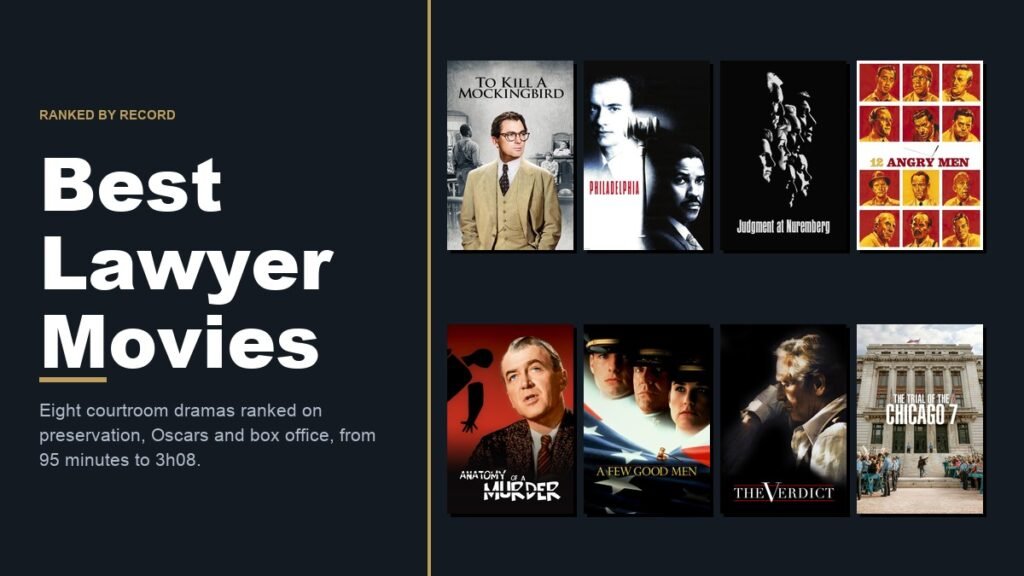
Best Lawyer Movies: 8 Courtroom Dramas Ranked
Good lawyer movies are not about who is guilty. They are about what a rule of evidence does to the truth, and eight of them are ranked below on national preservation first,…
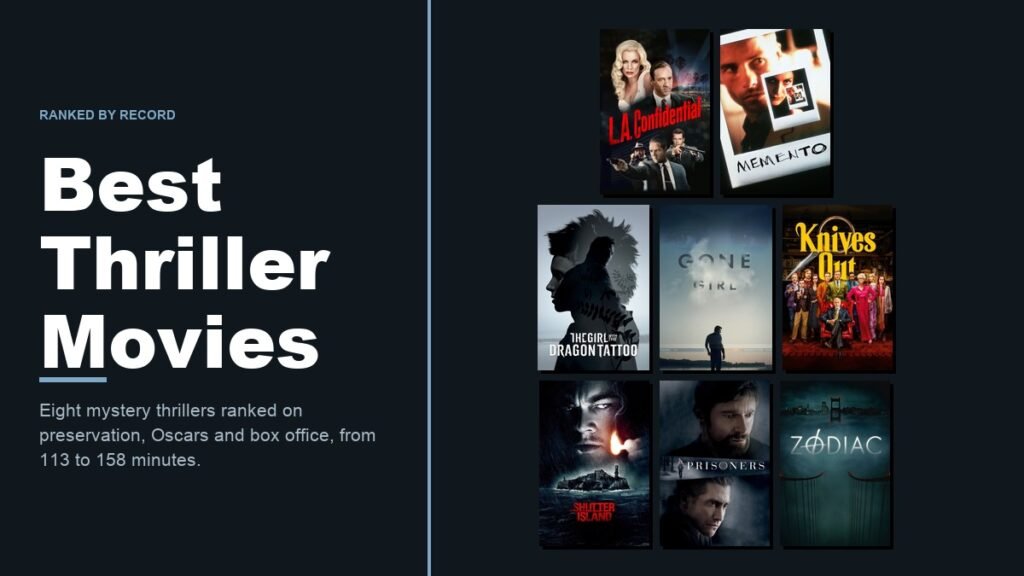
Best Thriller Movies: 8 Mysteries Ranked by Record
The best thriller movies built on a mystery are the ones that let you solve them and still surprise you. Eight are ranked below on national preservation first, then Academy Awards won,…