

Baldur’s Gate 3 has 12 classes, each with its own hit points, key ability, saving throws and a subclass chosen at level 1, 2 or 3. Since Patch 8 on April 15, 2025 there are 58 subclasses in all, and any character can mix classes freely across the 12-level cap. The BG3 classes follow the fifth edition Dungeons and Dragons rules closely, so a Fighter here is the Fighter of the tabletop with a few of Larian’s own additions.
This guide runs through all 12 in alphabetical order, with the figures from the game’s data: hit points at level 1 and per level, the abilities that drive each class, saving throw proficiencies, the level at which the subclass is picked and the full subclass list, followed by how multiclassing works and which class suits a first playthrough.
| # | Class | Hit points | Key ability | Saving throws | Subclass at | Subclasses |
|---|---|---|---|---|---|---|
| 1 | Barbarian | 12 + Con, then 7 | Strength | Str, Con | 3 | 4 |
| 2 | Bard | 8 + Con, then 5 | Charisma | Dex, Cha | 3 | 4 |
| 3 | Cleric | 8 + Con, then 5 | Wisdom | Wis, Cha | 1 | 8 |
| 4 | Druid | 8 + Con, then 5 | Wisdom | Int, Wis | 2 | 4 |
| 5 | Fighter | 10 + Con, then 6 | Strength or Dexterity | Str, Con | 3 | 4 |
| 6 | Monk | 8 + Con, then 5 | Dexterity and Wisdom | Str, Dex | 3 | 4 |
| 7 | Paladin | 10 + Con, then 6 | Strength and Charisma | Wis, Cha | 1 | 5 |
| 8 | Ranger | 10 + Con, then 6 | Dexterity and Wisdom | Str, Dex | 3 | 4 |
| 9 | Rogue | 8 + Con, then 5 | Dexterity | Dex, Int | 3 | 4 |
| 10 | Sorcerer | 6 + Con, then 4 | Charisma | Con, Cha | 1 | 4 |
| 11 | Warlock | 8 + Con, then 5 | Charisma | Wis, Cha | 1 | 4 |
| 12 | Wizard | 6 + Con, then 4 | Intelligence | Int, Wis | 2 | 9 |
The 12 BG3 Classes Explained
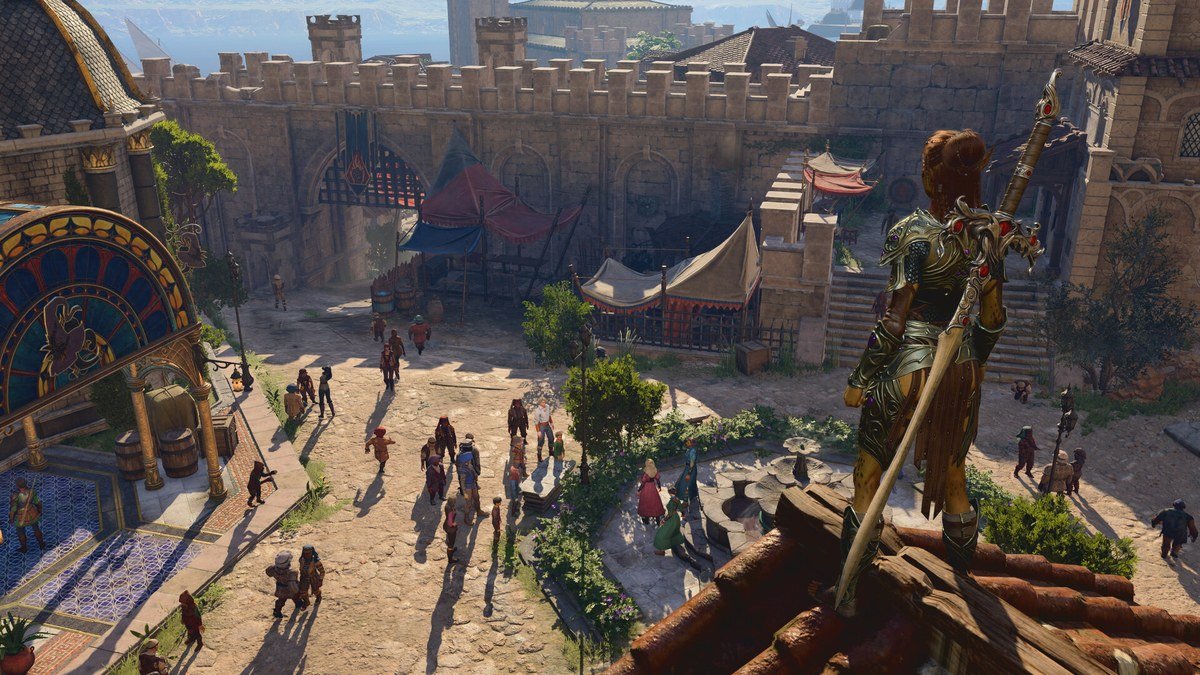
Three things separate the classes in play. Hit points set how much punishment a character absorbs: a Barbarian starts at 12 plus the Constitution modifier and adds 7 a level, a Wizard starts at 6 and adds 4. The key ability decides what to put the highest score into. Saving throw proficiencies decide which effects a character shrugs off, which is why Wisdom and Charisma saves on a Paladin make it the party’s anchor against fear and charm.
The subclass level matters at character creation. Clerics, Paladins, Sorcerers and Warlocks commit to a subclass at level 1, Druids and Wizards at 2, and the other six at 3. The full lists below come from the community wiki, which tracks every patch.
1. Barbarian: Rage and Reckless Attack
The Barbarian is the melee tank. Rage at level 1 adds bonus damage and resistance to physical damage, Unarmoured Defence adds Constitution to armour class, and Reckless Attack at level 2 trades advantage on your attacks for advantage on the enemy’s. Saving throws are Strength and Constitution, proficiencies cover light and medium armour, shields, and simple and martial weapons.
Subclasses, chosen at level 3: Berserker, Giant, Wild Magic and Wildheart. Giant arrived with Patch 8 and lets the Barbarian grow in size and throw enemies.
2. Bard: Inspiration, Expertise and Charisma Casting
The Bard casts with Charisma and supports the party with Bardic Inspiration, three uses that recharge on a long rest at level 1, then Song of Rest and Jack of All Trades at 2 and Expertise in two skills at 3. Saves are Dexterity and Charisma, with light armour, simple weapons, hand crossbows, rapiers, longswords and shortswords.
Subclasses at level 3: College of Glamour, College of Lore, College of Swords and College of Valour. Glamour is the Patch 8 addition, built around charming and commanding crowds.
3. Cleric: Eight Domains From Level 1
The Cleric is a Wisdom caster who picks a Domain at level 1, gains Channel Divinity and Turn Undead at level 2 and two always-prepared Domain spells at level 3. Saves are Wisdom and Charisma, with light and medium armour, shields, simple weapons, flails and morningstars.
Subclasses: Death, Knowledge, Life, Light, Nature, Tempest, Trickery and War Domains. Death Domain came with Patch 8 and turns the healer archetype into a necrotic damage dealer.
4. Druid: Wild Shape at Level 2
The Druid casts with Wisdom, prepares 1 plus the Wisdom modifier in spells at level 1 and gains Wild Shape with two charges at level 2, transforming into badger, cat, spider, wolf or dire wolf before the bigger forms unlock. Saves are Intelligence and Wisdom, with light and medium armour, shields and a short list of weapons from clubs to spears.
Subclasses at level 2: Circle of the Land, Circle of the Moon, Circle of the Spores and Circle of the Stars. Stars, the Patch 8 subclass, adds a Starry Form with archer, chalice and dragon modes.
5. Fighter: Second Wind, Action Surge and Four Subclasses
The Fighter is the most flexible martial class. Second Wind and a Fighting Style arrive at level 1, Action Surge at 2 and the subclass at 3. Hit points start at 10 plus Constitution and add 6 a level. Saves are Strength and Constitution, and the Fighter is proficient with every armour type, shields and all simple and martial weapons.
Subclasses: Arcane Archer, Battle Master, Champion and Eldritch Knight. Arcane Archer joined in Patch 8 with magical arrow shots that banish, beguile or burst.
6. Monk: Ki, Flurry of Blows and Unarmoured Movement
The Monk fights unarmed with Dexterity and uses Wisdom for armour class and Ki save difficulty. Level 1 brings 2 Ki points, Martial Arts, Unarmoured Defence and Flurry of Blows; level 2 adds Patient Defence, Step of the Wind and 10 feet of extra movement; level 3 adds Deflect Missiles and the subclass. Saves are Strength and Dexterity, with simple weapons and shortswords and no armour.
Subclasses at level 3: Way of the Drunken Master, Way of the Four Elements, Way of the Open Hand and Way of Shadow. Drunken Master is the Patch 8 addition.
7. Paladin: Oaths Sworn at Level 1
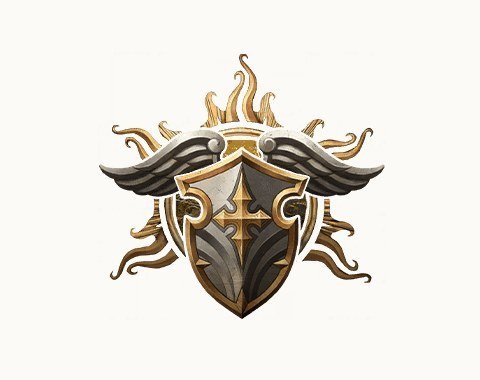
The Paladin chooses an Oath at creation and gains Divine Sense, Lay on Hands and Channel Oath at level 1, then Divine Smite, a Fighting Style and spellcasting at level 2. It is the only class whose subclass can be lost: break the Oath’s tenets and the character becomes an Oathbreaker. Saves are Wisdom and Charisma, with all armour, shields and all weapons.
Subclasses: Oath of the Ancients, Oath of Devotion, Oath of Vengeance, the Patch 8 Oath of the Crown, and Oathbreaker, which is only reachable in play.
8. Ranger: Favoured Enemy and Natural Explorer
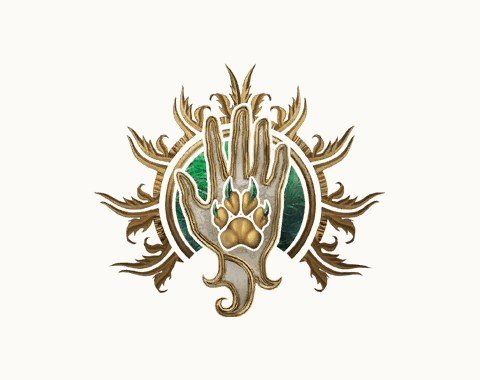
The Ranger starts with Favoured Enemy and Natural Explorer, each a menu of passive bonuses, then gains a Fighting Style and Wisdom-based spellcasting at level 2 and the subclass at 3. Hit points start at 10 plus Constitution. Saves are Strength and Dexterity, with light and medium armour, shields and all weapons.
Subclasses: Beast Master, Gloom Stalker, Hunter and Swarmkeeper. Swarmkeeper arrived in Patch 8 with a swarm of jellyfish, moths or beetles that follows every attack.
9. Rogue: Sneak Attack and Cunning Action
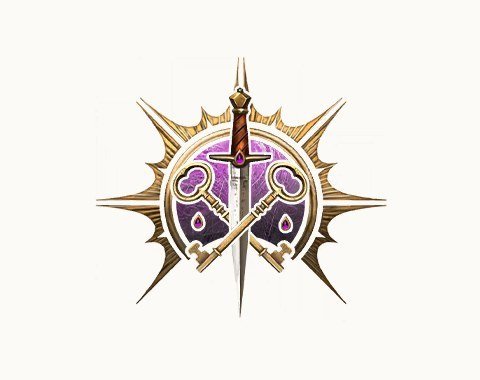
The Rogue deals its damage through Sneak Attack, 1d6 at level 1 rising to 2d6 at level 3 whenever the attack has advantage, with Expertise in two skills from the start and Cunning Action at level 2 for a bonus-action Dash, Disengage or Hide. Saves are Dexterity and Intelligence, with light armour, simple weapons, hand crossbows, longswords, rapiers and shortswords.
Subclasses at level 3: Arcane Trickster, Assassin, Swashbuckler and Thief. Swashbuckler is the Patch 8 entry, with dirty tricks keyed to Charisma.
10. Sorcerer: Metamagic and Sorcery Points
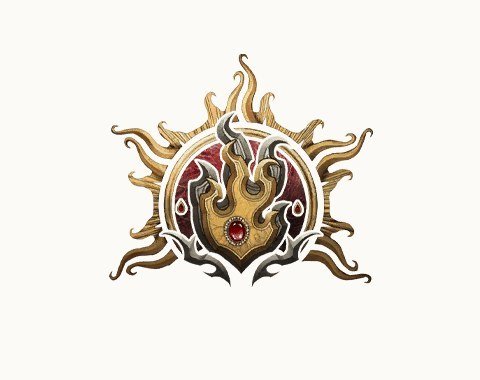
The Sorcerer casts with Charisma, knows two spells and four cantrips at level 1 and chooses its bloodline immediately. Level 2 brings Sorcery Points and two Metamagic options, which twin, quicken or extend spells. Hit points are the lowest in the game alongside the Wizard, 6 plus Constitution and then 4. Saves are Constitution and Charisma, with daggers, quarterstaves and light crossbows.
Subclasses: Draconic Bloodline, Shadow Magic, Storm Sorcery and Wild Magic. Shadow Magic, from Patch 8, grants Darkness and the ability to see through it.
11. Warlock: Pact Magic and Eldritch Invocations
The Warlock picks a patron at level 1 and casts a small number of spells through Pact Magic slots that return on a short rest, one slot at level 1 and two at level 2. Eldritch Invocations arrive at level 2 and the Pact Boon of Blade, Chain or Tome at 3. Saves are Wisdom and Charisma, with light armour and simple weapons.
Subclasses: The Archfey, The Fiend, The Great Old One and The Hexblade. Hexblade joined in Patch 8 and lets the Warlock attack with Charisma from level 1.
12. Wizard: Nine Schools and a Spellbook
The Wizard casts with Intelligence, learns six spells and three cantrips at level 1, recovers slots with Arcane Recovery and can transcribe any scroll into its spellbook, which gives it the widest spell list in the game. The school is chosen at level 2. Saves are Intelligence and Wisdom, with daggers, quarterstaves and light crossbows and no armour.
Subclasses: Abjuration, Bladesinging, Conjuration, Divination, Enchantment, Evocation, Illusion, Necromancy and Transmutation. Bladesinging, the Patch 8 school, turns the Wizard into a melee duellist.
What Patch 8 Added to the BG3 Classes
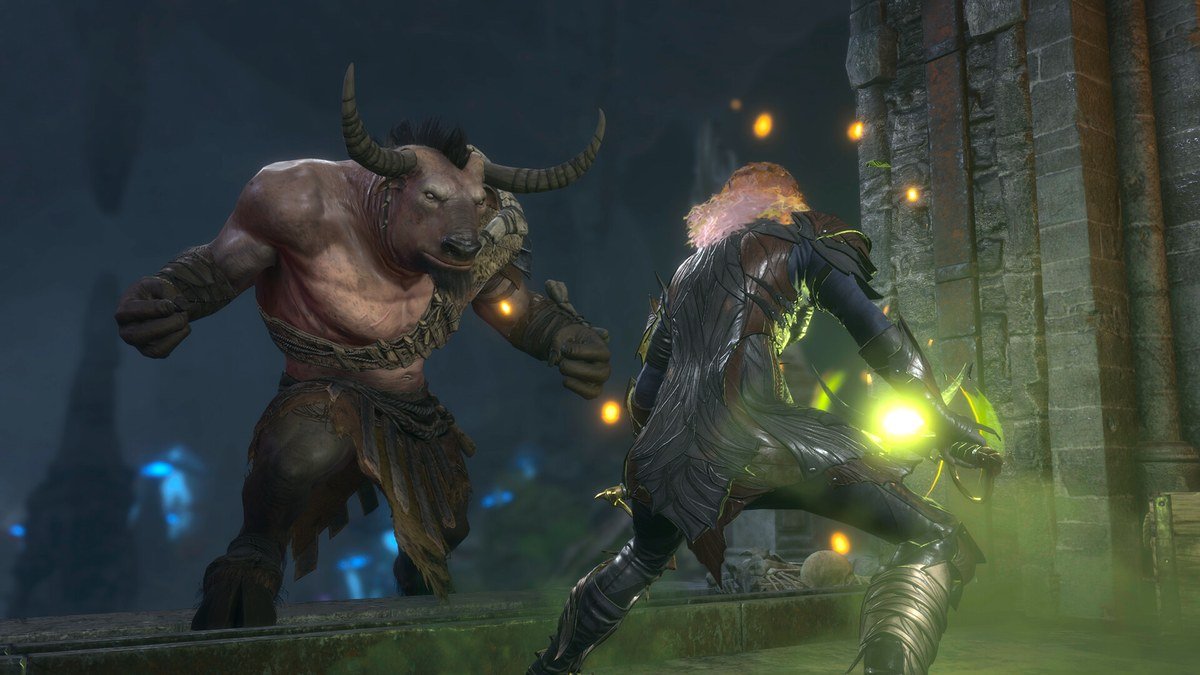
Patch 8, released on April 15, 2025 and described by Larian as the game’s last major content update, added one subclass to every class: Path of the Giant, College of Glamour, Death Domain, Circle of the Stars, Arcane Archer, Drunken Master, Oath of the Crown, Swarmkeeper, Swashbuckler, Shadow Magic, Hexblade and Bladesinging. The patch notes lists each one with new animations, summons and cantrips, alongside cross-play and a photo mode.
Those additions took the subclass count from 46 to 58. The base game on Steam still lists the original launch content, and the patch is a free update on every platform.
Multiclassing and Respeccing
Every level from 2 upwards can go into a different class, up to the cap of 12, and the game does not enforce the tabletop ability-score minimums for doing so. The common combinations lean on level 1 subclasses: a Hexblade Warlock or Draconic Sorcerer dip for Charisma casting, a Fighter dip for Action Surge, a Rogue dip for Expertise and Cunning Action, and Paladin levels for Divine Smite.
Mistakes are cheap to fix. Withers, found in the Dank Crypt near the start of Act One, resets a character’s class and levels for 100 gold, and the Hirelings he offers can be built as any class. Companions such as Shadowheart or Astarion can be respecced out of their default class the same way, and the save carries across PC, PlayStation 5 and Xbox Series X|S through cross-save, so a build started on one of the best gaming consoles continues on a desktop.
- Short-rest classes: Fighter, Warlock and Monk recover their key resources on a short rest
- Long-rest classes: Wizard, Sorcerer, Cleric, Druid, Bard and Paladin spend slots that only return on a long rest
- No resources: Rogue and Barbarian rely on Sneak Attack and Rage, which has limited charges
Which BG3 Class to Pick First
For a first playthrough the Fighter, Paladin and Cleric forgive the most. The Fighter has the best armour and the simplest turns, the Paladin adds healing and strong saving throws, and the Cleric heals and buffs while wearing medium armour. All three start at 8 or more hit points plus Constitution and have a clear role in every fight.
Charisma classes carry dialogue. A Bard, Sorcerer, Warlock or Paladin as the main character passes more persuasion checks, which changes how the story unfolds. Low-hit-point casters such as the Wizard and Sorcerer reward players who already know the rules, and the Monk’s Ki economy is the steepest learning curve. For other long campaigns worth a hundred hours, our list of the best PS2 games covers the rest of the genre.
- Pick a role the party lacks: tank, healer, damage or talker
- Choose a class whose subclass level matches how soon you want to commit
- Put the highest ability score where the table above says
- Keep the origin companions in their default classes until Act Two, then respec with Withers
Frequently Asked Questions
How many classes are in Baldur’s Gate 3?
Twelve: Barbarian, Bard, Cleric, Druid, Fighter, Monk, Paladin, Ranger, Rogue, Sorcerer, Warlock and Wizard. Each has between four and nine subclasses, 58 in total since Patch 8.
What is the best class in BG3?
There is no single answer, but Paladin, Fighter and Cleric are the easiest to play well, and Charisma classes get the most out of dialogue. Multiclass builds such as Paladin with Warlock or Sorcerer are the strongest at high level.
Can you change class in BG3?
Yes. Withers, found in the Dank Crypt in Act One and in camp afterwards, respecs any character for 100 gold, letting you reassign class, subclass and ability scores.
What did Patch 8 add to BG3 classes?
One new subclass per class, twelve in all, including Hexblade, Bladesinging, Swashbuckler, Arcane Archer and Oath of the Crown, released free on April 15, 2025.
Related Articles

Get the Fox Bulletin briefing
The stories that matter, in your inbox. No spam, unsubscribe anytime.
Newsletter signup will be available soon.
Related stories

Anime Apocalypse Codes (October 2026)
The Anime Apocalypse codes that still pay Coins, spins and raid tickets, the retired list, and why a private server is the reliable place to redeem them.

Midnight Chasers Codes (October 2026)
The Midnight Chasers code that pays Cash, how the one-live-code milestone system works, the retired ladder and the Store route to the code box.
Retro Tower Defense Codes (October 2026)
The Retro Tower Defense codes that still pay Tix and a Revive, the ones the developer prints in the game description, the retired seasonal list and the Inventory route to the code box.