

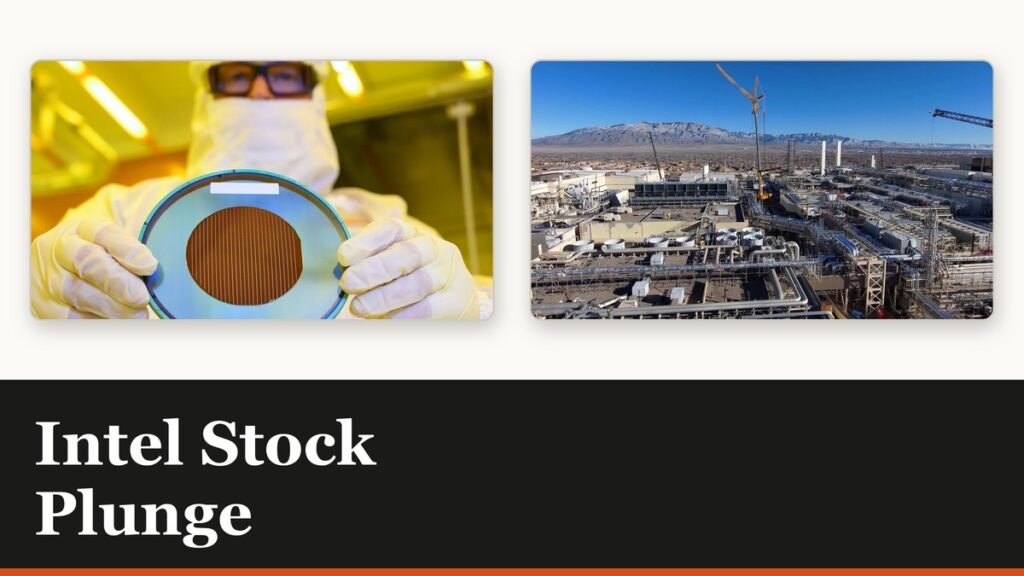
The Intel stock plunge on Friday 30 October was the sharpest single session the company has had in 52 years. Shares closed down almost 29% at $65.76, a fall that CNBC reported as the worst since 1974.
The quarter Intel had just finished was not the problem. The guidance for the one it is in was. Management told investors the personal computer market is still shrinking, and the market repriced the company around that sentence.
What the guidance behind the Intel stock plunge actually said
Intel guided to adjusted earnings of 25 cents a share on revenue of $15bn to $16bn for the current quarter. Analysts polled by LSEG had been looking for $17.1bn and 43 cents. The revenue gap is more than a billion dollars at the top of Intel’s own range.
The quarter that had just closed beat expectations. Intel reported adjusted earnings of 52 cents a share, and data centre revenue came in at $7.3bn. Chief financial officer David Zinsner set out the reason for caution: “We see the PC slowdown continuing at least through the first half of next year.”
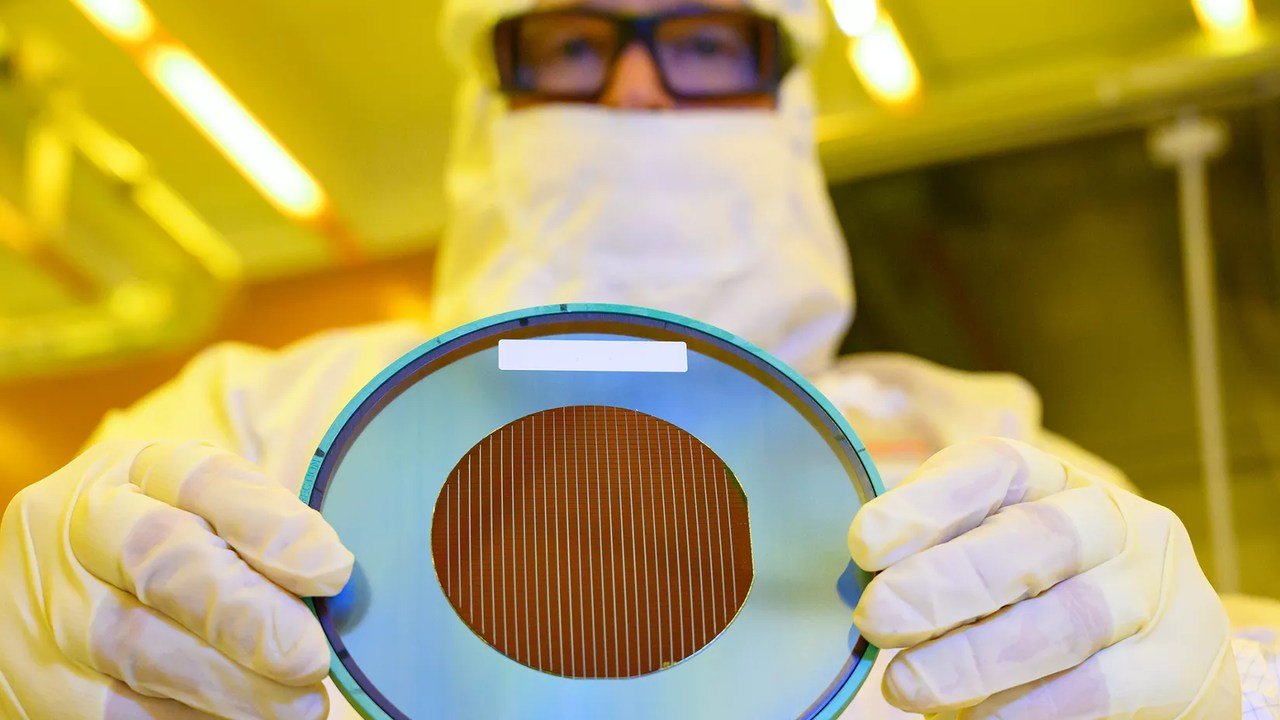
Buyers who track the consumer end of this market, including anyone shopping for one of the best laptops or weighing up a gaming laptop, are the demand Intel is telling investors it does not expect back before the middle of next year.
One accident, two quarters of lost revenue
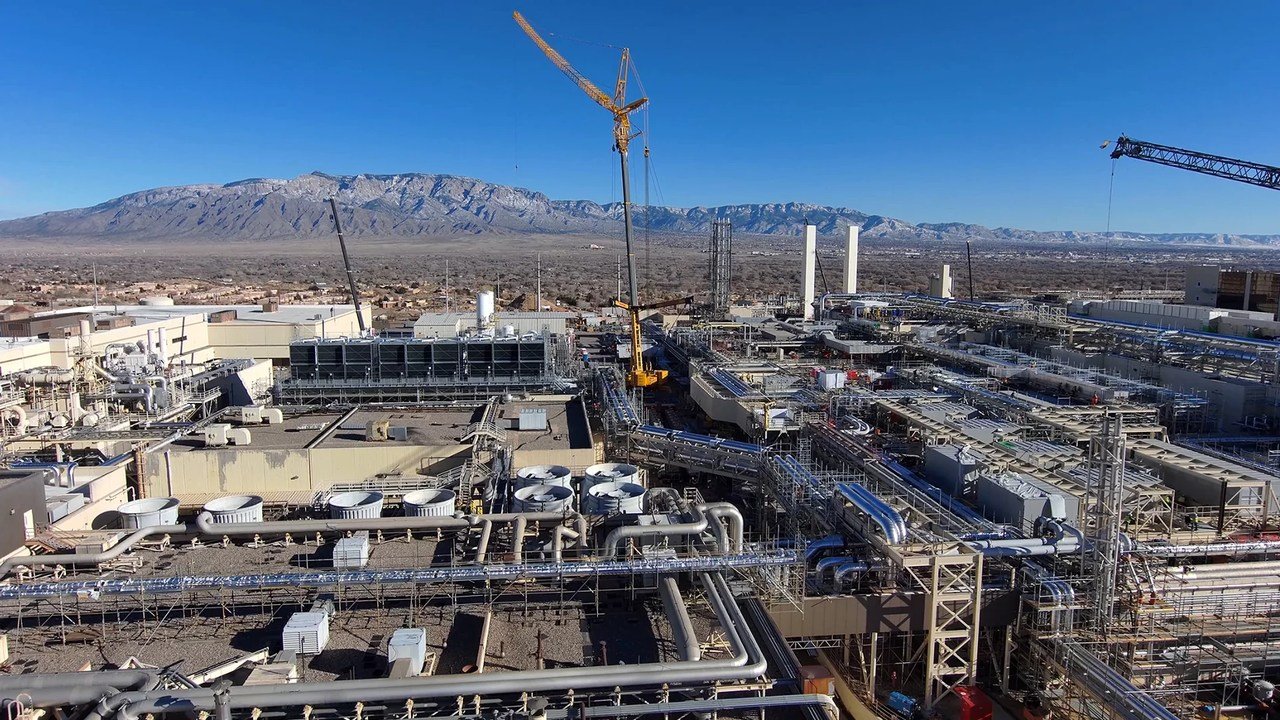
Folded into the forecast is roughly $600m of revenue Intel expects to lose across two quarters after an explosion at a fabrication plant in Israel. Chief executive Lip-Bu Tan called it an “unfortunate and tragic accident”. Tan also said Intel expects to name customers for its foundry business within the next two quarters, which is the part of the turnaround investors have been waiting on.
Who else lost money on the day
The United States government holds about 10% of Intel. That stake lost roughly $12bn in value in the session, although the position is still worth more than Washington paid for it. Nvidia, which is also an Intel shareholder, fell 4% and saw about $6bn come off its own Intel holding.
The selling was not confined to one company. The Nasdaq Composite closed down 2.9%. Amazon slipped 1.4% after missing on third-quarter revenue and earnings while holding its 2026 capital spending forecast at $220bn. Broadcom fell more than 5% and Qualcomm dropped 11%. Alphabet had already fallen more than 12% on the Thursday, its worst day on record.
Four firms cut Intel to neutral from buy on the Friday: Bank of America, Roth Capital Partners, Seaport Research Partners and D.A. Davidson. For readers following the component side of the same slowdown, our guide to PC parts and what each one does covers where these chips sit in a build.
What the fall does not mean
A 29% drop invites the conclusion that the business collapsed in a quarter. It did not. The period Intel had just reported beat expectations on both earnings and the data centre line, and the company is still guiding to $15bn of revenue at the bottom of its range. What changed is the market’s read on how long the client computing business stays weak, and client computing remains the largest single source of Intel revenue.
The record books also need care. This was the worst session since 1974, not the worst in company history. Intel would have had to close below roughly $64.50 for that, and it finished at $65.76. The distinction matters because the 1974 comparison is doing a lot of work in headlines about a company whose data centre unit just grew.
Related Articles

Get the Fox Bulletin briefing
The stories that matter, in your inbox. No spam, unsubscribe anytime.
Newsletter signup will be available soon.
Related stories
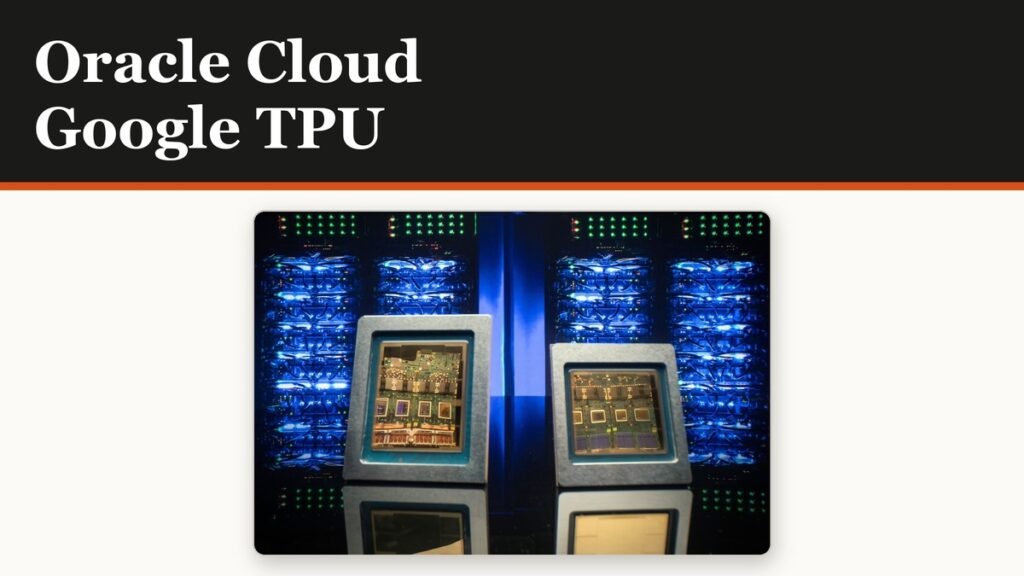
Oracle Cloud Adds Google TPUs and Rival AI Chips
Oracle would be the first major cloud outside Google to offer TPUs, with the eighth generation arriving on OCI during 2027.
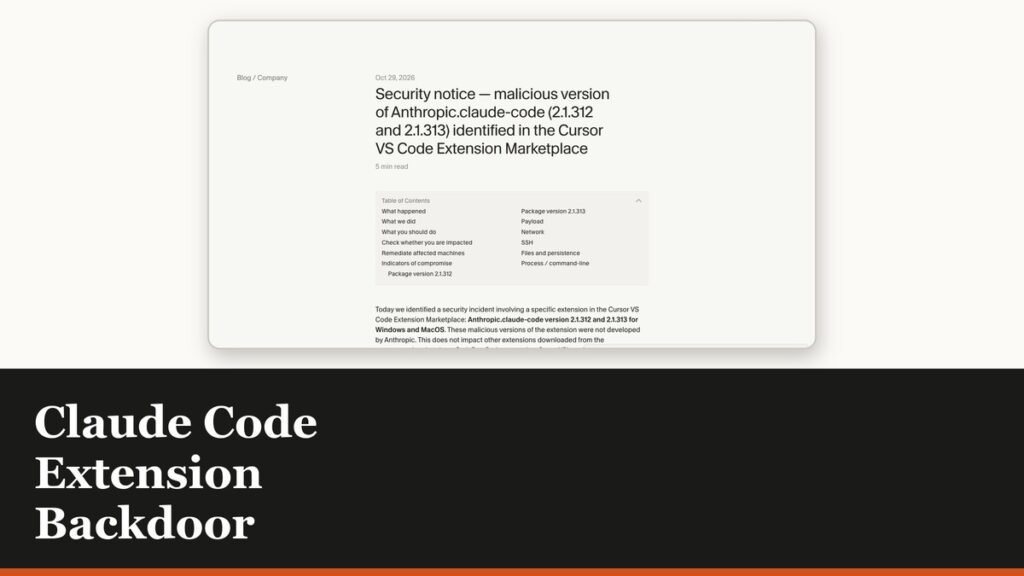
Claude Code Extension Backdoor Hits Cursor Users
Two versions of Anthropic's extension were modified to plant an SSH key and open a reverse tunnel. Cursor took its whole marketplace offline.
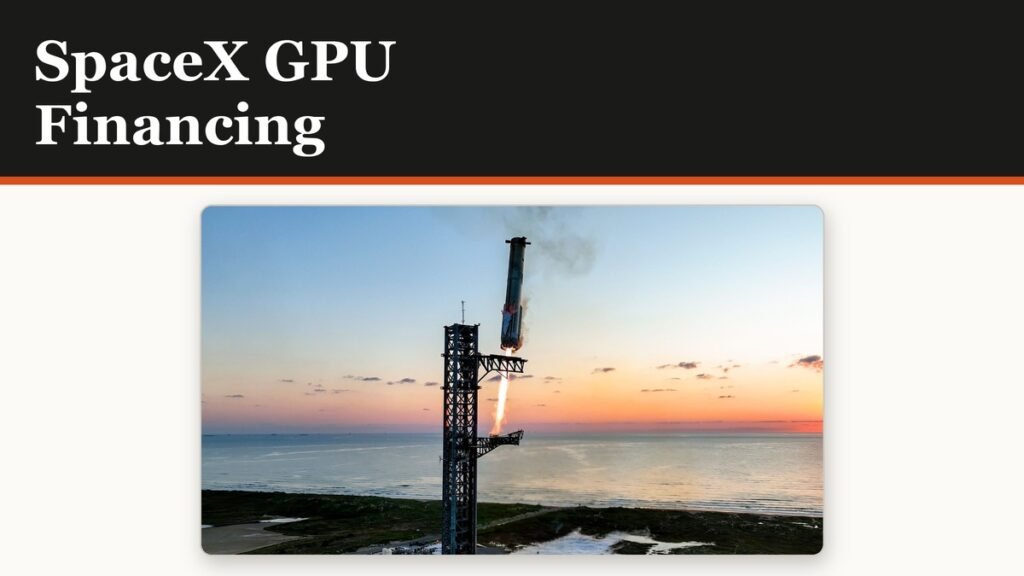
SpaceX Closes $40bn Financing to Buy AI Chips
A rocket company has signed a binding commitment for about $40bn of GPU financing, and its AI unit is now bigger than Starlink and launch combined.