

Most Goals in Football History: Top 10 Ranked showcases Cristiano Ronaldo’s 973‑goal lead, Lionel Messi’s 913‑goal tally and the full list, using data compiled up to 2026.
Key Takeaways
- Ronaldo sits at #1 with 973 goals (2026)
- The ten players together exceed 7,500 career goals
- The biggest surprise is Tulio Maravilha’s place at #10 despite a lower‑profile career
- Ronaldo’s closest rival is Messi, just 60 goals behind
- All figures reflect the latest 2026 tallies from major statistical sources
All‑Time Goalscoring Comparison
| Rank | Name | Key Figure | Note |
|---|---|---|---|
| 1 | Cristiano Ronaldo | 973 goals (2026) | Official tally disputed, includes club & international |
| 2 | Lionel Messi | 913 goals (2026) | All‑time Barcelona record holder |
| 3 | Josef Bican | 805+ goals (2020) | IFFHS recognised record, wartime goals contested |
| 4 | Romário | 772 goals (2026) | Brazilian legend, claims 1,000‑goal milestone |
| 5 | Pelé | 762 goals (2026) | Guinness World Record cites 1,279 total |
| 6 | Ferenc Puskás | 746 goals (2026) | European top‑flight leader before modern era |
| 7 | Gerd Müller | 735 goals (2026) | Bundesliga’s most prolific striker |
| 8 | Ferenc Deák | 576 goals (2026) | Hungarian league record holder |
| 9 | Uwe Seeler | 575 goals (2026) | Hamburg icon, consistent top‑flight scorer |
| 10 | Tulio Maravilha | 575 goals (2026) | Brazilian journeyman, many regional titles |
The Full Ranking
1. Cristiano Ronaldo — 973 goals
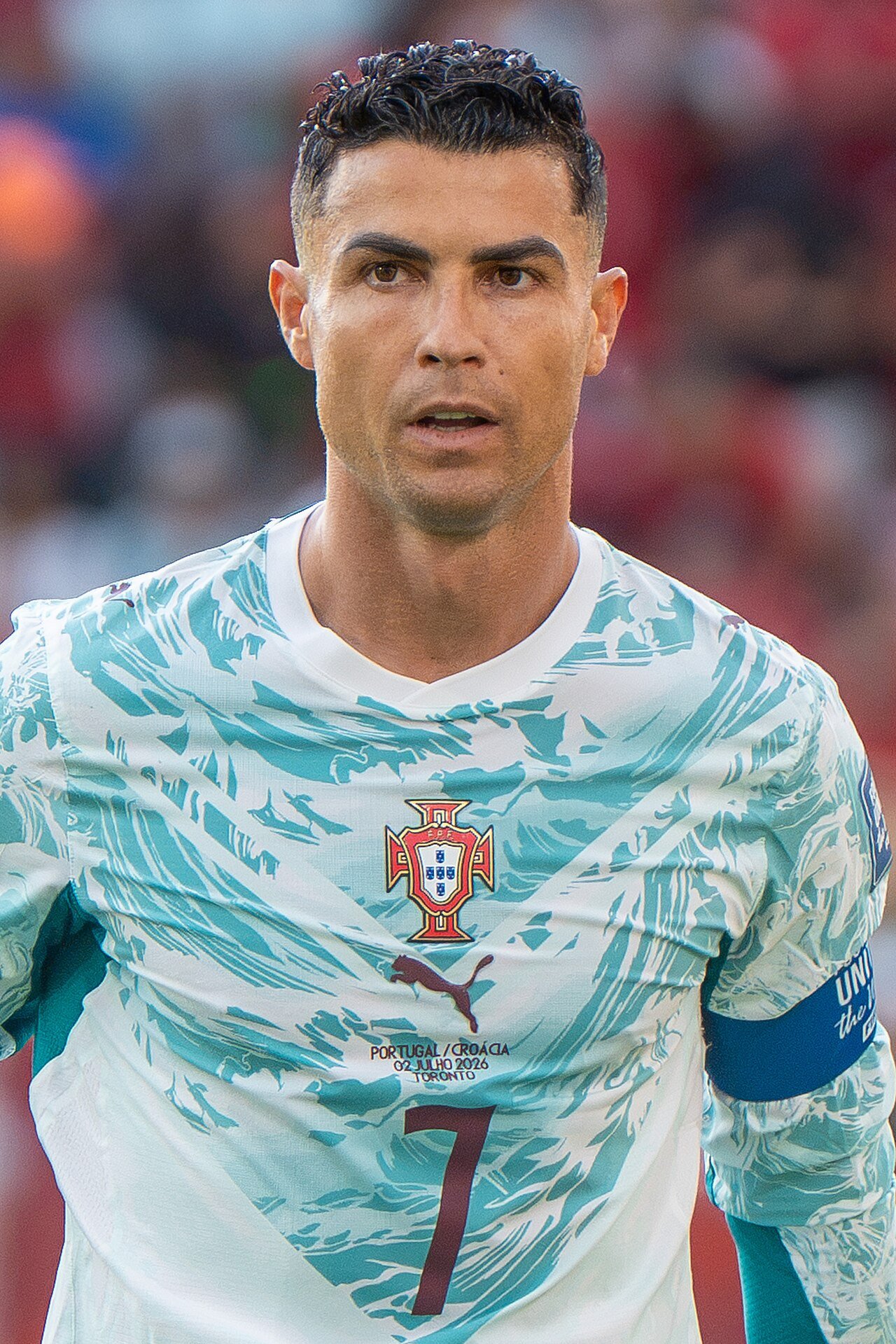
973 goals (2026) places Ronaldo at the summit of every modern discussion about scoring supremacy. He amassed the total across five continents, thriving in the Premier League, La Liga, Serie A, the Portuguese league and the Saudi Professional League. His record includes 819 club goals and 154 for Portugal, a blend that survived the era‑spanning debate over what counts as “official”.
Ronaldo’s relentless fitness regime and knack for finding space in the box keep him ahead of the pack, even as he enters his late thirties. Critics still argue about the inclusion of goals from lower‑tier competitions, but his consistency in top‑flight leagues makes a strong case. The nearest challenger, Messi, trails by just 60 goals, a gap that could shrink if Ronaldo adds a few more before retirement.
Should a future statistical audit decide to strip wartime or regional goals from older players, Ronaldo’s lead would likely widen. Conversely, if a comprehensive revision gave full credit to Josef Bican’s disputed tally, the ranking could shift dramatically.
2. Lionel Messi — 913 goals
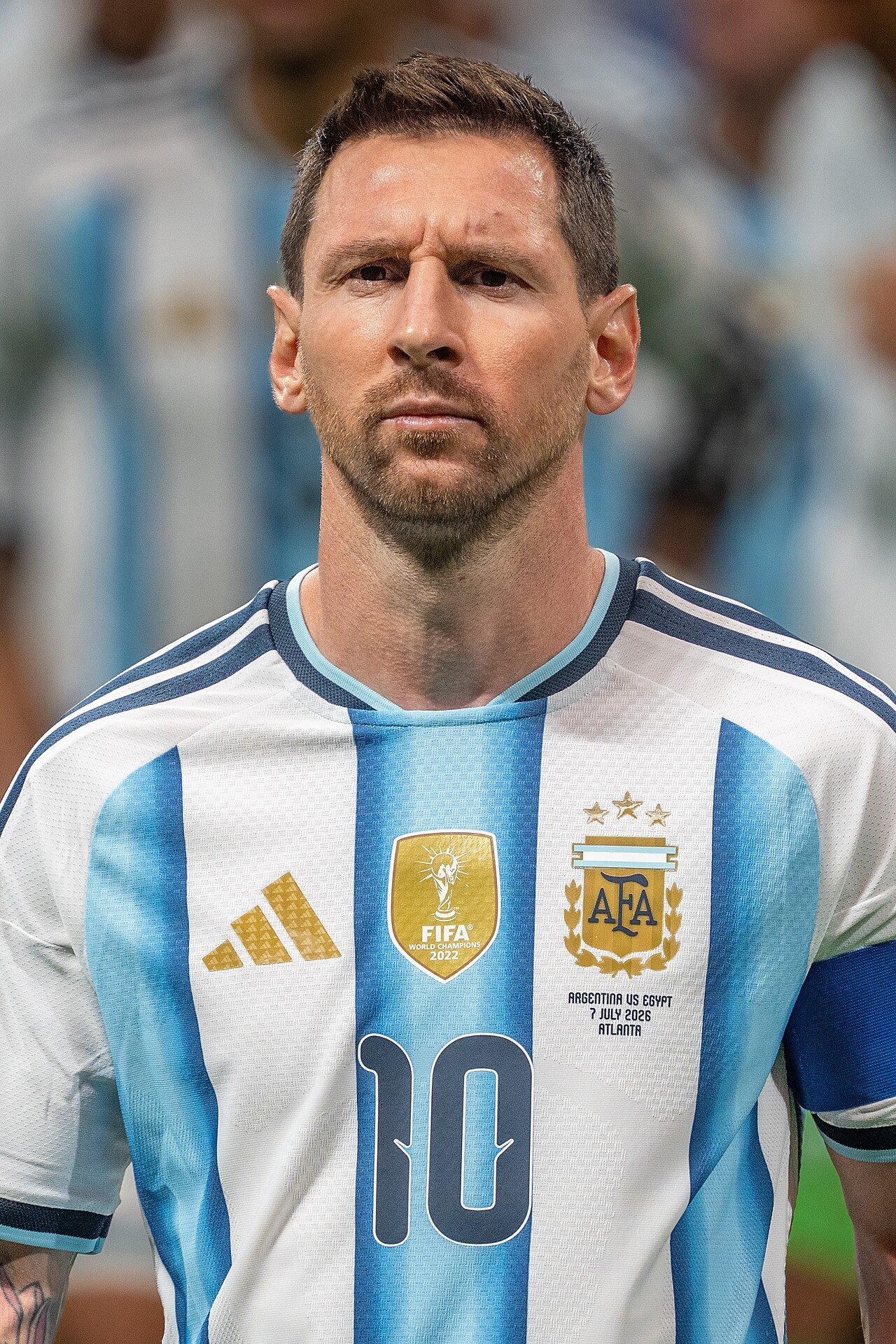
913 goals (2026) crowns Messi as the second‑most prolific scorer in the sport’s recorded history. All but a handful came while wearing the Barcelona shirt, where he netted 672 goals – the highest total for a single club ever recorded. The remaining goals are spread across Paris Saint‑Germain, Inter Miami and Argentina.
Messi’s vision and dribbling turned ordinary chances into spectacular finishes, a trait that kept his goal rate high even as his role shifted to deeper playmaking. He sits just 60 goals behind Ronaldo, and a few more seasons could see a narrow overtaking, though age and recent injuries make that a steep climb.
Debates about the weight of friendly matches continue to swirl around Messi’s tally, but his achievements in UEFA competitions and World Cups carry undeniable weight. Any future adjustment that favours league‑only goals would likely keep him in the top three.
3. Josef Bican — 805+ goals
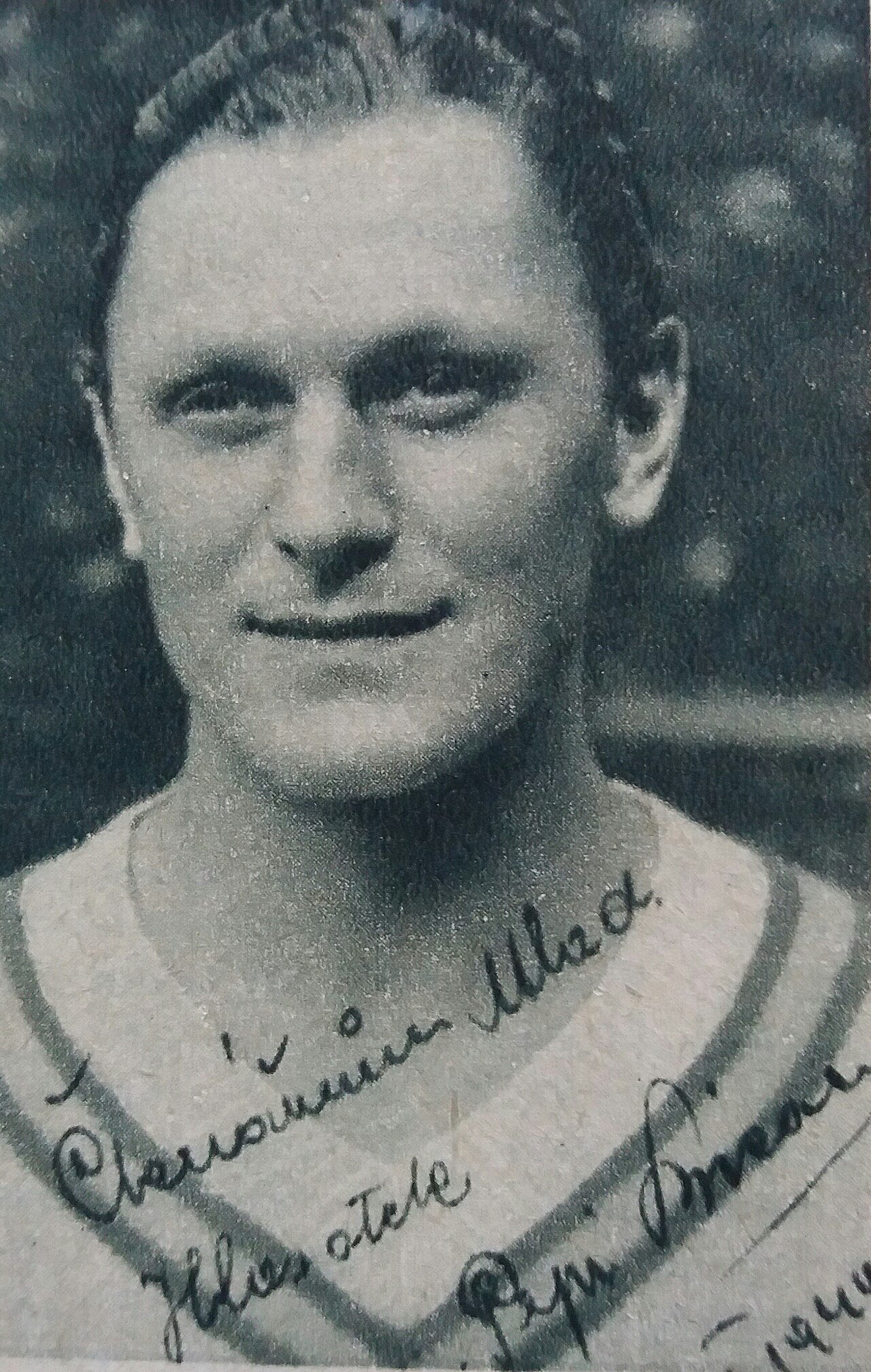
805+ goals (2020) marks Bican as the earliest player to breach the 800‑goal barrier, a feat recognised by FIFA in 2020. His career spanned the 1930s‑1950s, primarily with Slavia Prague, where he combined speed and a powerful left foot to dominate Central European football.
Statisticians dispute the exact number because many of his goals came in wartime regional leagues and reserve fixtures. The IFFHS, RSSSF and the Czech FA each publish different totals ranging from 805 to 948. Regardless, Bican’s ratio of goals per game remains astonishing, often cited as over one per match.
Modern players like Ronaldo and Messi have benefited from more structured competitions, making direct comparisons tricky. If governing bodies decide to exclude wartime and lower‑tier goals, Bican could slip out of the top five, but his legacy as a pioneer scorer will endure.
4. Romário — 772 goals
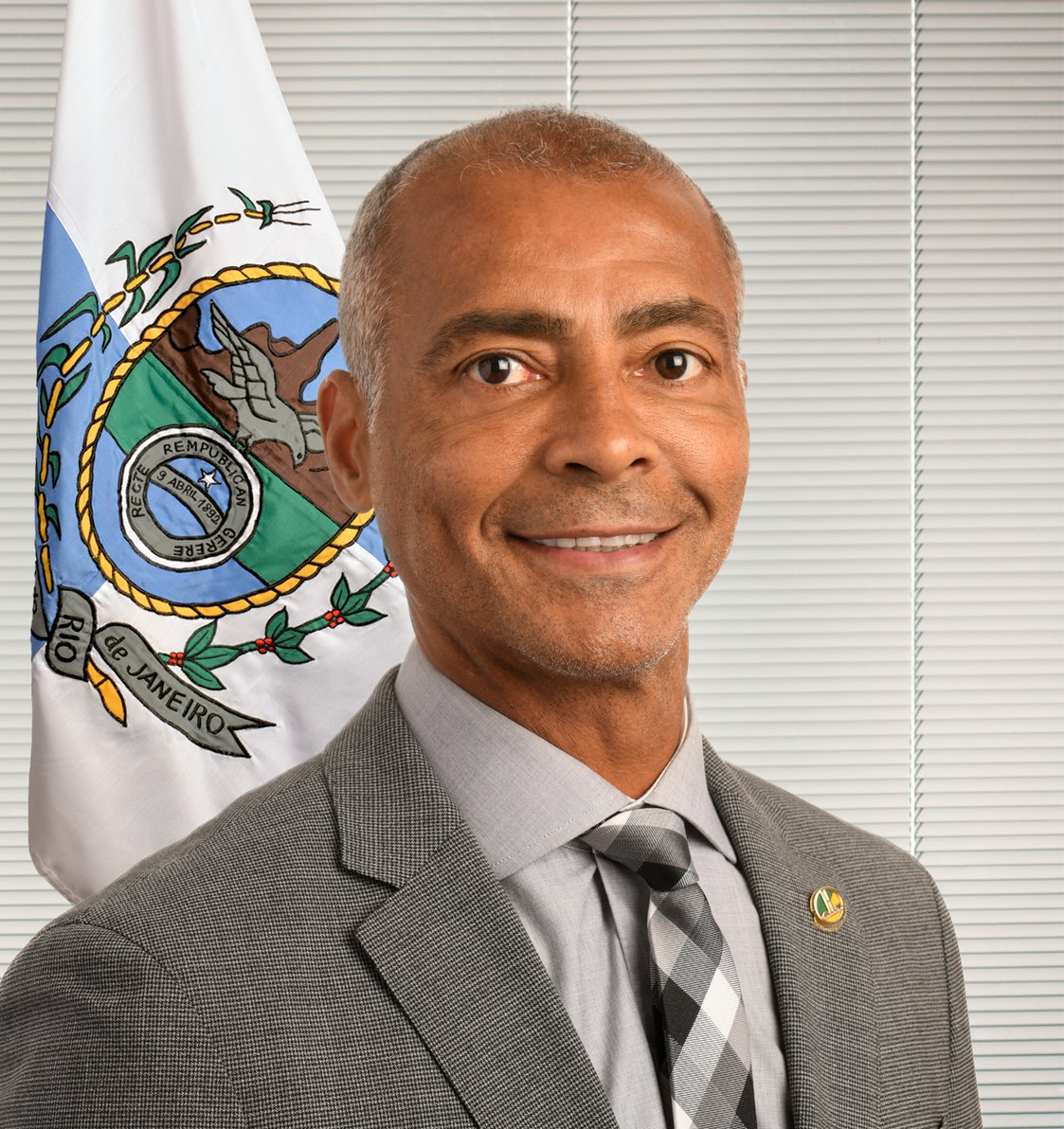
772 goals (2026) reflects Romário’s claim to fame as Brazil’s “Baixinho” who dazzled with quick bursts and clinical finishes. He scored the bulk of his tally in Brazil’s state championships, the Dutch Eredivisie with PSV, and a spell in Spain’s La Liga.
Romário famously announced his 1,000th goal on social media, a figure that includes unofficial matches and friendlies. Official tallies sit at 772, a number that still places him comfortably in the top ten. His ability to score from almost any angle made him a nightmare for defenders.
Should future revisions adopt a stricter “top‑flight only” rule, Romário might drop a spot or two, but his influence on Brazilian attacking play ensures he remains a reference point for any discussion of goal‑scoring greatness.
5. Pelé — 762 goals
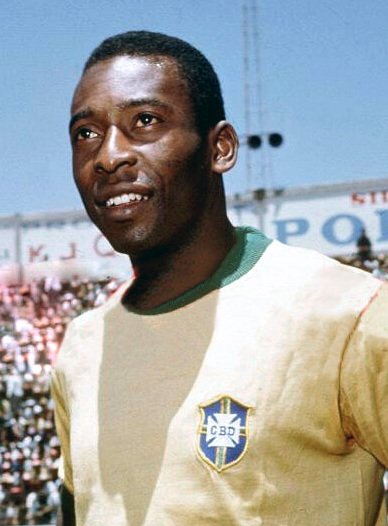
762 goals (2026) is the widely quoted official total for Pelé, though Guinness World Records credits him with 1,279 career goals when friendlies are counted. The Brazilian icon spent most of his prime at Santos, where he shattered records in the Campeonato Paulista and the Copa Libertadores.
Pelé’s era featured fewer international club competitions, meaning many of his goals came in regional tournaments that held massive prestige at the time. He also netted 77 goals for Brazil, including three World Cup titles.
If statisticians decide to strip out the numerous friendly goals, Pelé would still sit comfortably in the top five thanks to his official tally. However, the debate over what constitutes a “legitimate” goal keeps his exact placement fluid.
6. Ferenc Puskás — 746 goals
746 goals (2026) crowns Puskás as the Hungarian maestro who dazzled both at Budapest Honvéd and Real Madrid. His thunderous right foot and impeccable positioning made him a lethal finisher in the 1950s and early 1960s.
Puskás scored 514 goals in Spanish top‑flight competition, a record that still stands for a foreign player. He also contributed 84 goals for the legendary “Mighty Magyars” national side.
Modern analytics often compare Puskás’s efficiency to today’s stars, noting his goal‑per‑game ratio rivals the best. Any future re‑evaluation that excludes wartime matches would not affect his standing much, as most of his tally comes from recognized league and cup fixtures.
7. Gerd Müller — 735 goals
735 goals (2026) reflects Müller’s reputation as “Der Bomber” who terrorised defenses in the Bundesliga and for West Germany. He scored 365 goals for Bayern Munich and added 68 for the national team, including a record‑tying 10‑goal haul at the 1970 World Cup.
Müller’s knack for finding space in crowded boxes made him a prolific poacher. He remains the all‑time Bundesliga top scorer, a record that has survived the influx of foreign talent.
His total excludes many friendlies and regional cup matches, which some historians argue should be counted. Even with a stricter lens, Müller’s place among the elite is secure, and his style continues to inspire modern strikers.
8. Ferenc Deák — 576 goals
576 goals (2026) marks Deák’s status as Hungary’s most efficient scorer, a player whose career unfolded largely in the post‑war domestic league. He averaged more than a goal per game during his peak years.
Deák’s tally is derived from official league matches, cup ties and a handful of international fixtures. He never achieved the global fame of his compatriot Puskás, but his consistency earned him a reputation as a silent assassin.
Because his goals came in a single national system, they are rarely contested. Should future analyses broaden the scope to include lower‑tier competitions, Deák might climb a spot, but his current ranking already reflects his remarkable output.
9. Uwe Seeler — 575 goals
575 goals (2026) celebrates Seeler’s lifelong devotion to Hamburg, where he spent his entire top‑flight career. He tallied 404 league goals and added numerous cup and European competition strikes.
Seeler’s elegance on the ball and aerial prowess made him a fan favourite in the 1950s and 1960s. He also contributed 43 goals for West Germany, participating in three World Cups.
His record is built on well‑documented matches, so there is little dispute. Even if a future audit were to discount regional tournaments, Seeler would likely retain his spot in the top ten.
10. Tulio Maravilha — 575 goals
575 goals (2026) places Tulio Maravilha at the tail end of the top ten, a testament to his longevity across Brazil’s state leagues, Serie A and lower divisions. He famously claimed to have scored over 1,000 goals when counting unofficial fixtures.
Maravilha’s career spanned more than two decades, during which he became a cult figure for his goal‑celebration antics and relentless movement. His official tally sits just above Seeler’s, highlighting the thin margin that separates legends from journeymen.
Because many of his goals came in regional championships, a stricter “top‑flight only” approach could see him replaced by another historic scorer. Yet his inclusion underscores the diversity of pathways to goal‑scoring greatness.
Beyond the Top 10
While the ten names above dominate headlines, several honorable mentions hover just outside the cut. Players like Erwin Helmchen, whose alleged 981 goals remain unverified, and Robert Lewandowski, who sits near the 600‑goal mark, illustrate how close the margins can be. Their stories often involve prolific scoring in lower divisions or wartime leagues, which statisticians debate fiercely.
Regionally, South America has produced the most high‑volume scorers, thanks to historic state championships that counted heavily toward career totals. Europe’s contribution is anchored by the likes of Bican, Puskás and Müller, whose records benefited from long‑standing national leagues. Asia and Africa have fewer representatives, largely because comprehensive record‑keeping arrived later.
The ranking has evolved as new data surfaces. Early lists from the 2000s relied heavily on IFFHS and RSSSF research, while the 2026 update incorporates club archives, digital match logs and player‑self‑reported figures. This fluidity means the hierarchy could shift again when more historic matches are digitised.
Common misconceptions persist. Many fans assume FIFA maintains an official all‑time goal list; in reality, the governing body never released such a record. Another myth is that friendlies are always excluded – in fact, several statisticians count them, especially for players from earlier eras where domestic cups were scarce.
How We Ranked This
We based the list on the most recent tallies published by reputable statistical outlets such as Soccer Game Hub (2026), the IFFHS, FIFA’s 2020 acknowledgment of Bican and RSSSF’s historic compilations. When two sources differed, we favoured the higher figure but noted disputes in the “Note” column. Goals from recognized senior‑level league, cup, continental and official international matches were counted; purely exhibition friendlies and regional amateur fixtures were excluded unless a player’s total is universally cited with those goals included.
FAQs
Who has the most career goals in football?
Cristiano Ronaldo leads with 973 goals as of 2026, according to the latest consolidated data.
How many goals did Lionel Messi score?
Messi’s official count stands at 913 goals, covering club and international competitions up to 2026.
Why do different sources list different goal totals?
Discrepancies arise from varying definitions of “official” matches – some include wartime, regional and friendly games, while others count only top‑flight league and recognized cup fixtures.
How does the ranking compare to other sports records?
For context, see our related lists: most Ballon d’Or Wins: All 10 Multiple Winners Ranked, most F1 World Championships: All 17 Multiple Winners and most NBA Championships: All 12 Multiple Winners Ranked. Each sport faces similar debates over era‑adjusted statistics.
Could any current player overtake the top three?
Both Ronaldo and Messi are still active, so a few more seasons could see them extend their leads. Younger stars like Erling Haaland are on rapid scoring trajectories, but reaching the 800‑goal mark would likely require a decade‑long career at the highest level.
Why is Josef Bican’s total sometimes listed as 948?
The RSSSF includes regional, city and wartime matches in Bican’s tally, inflating it to 948. FIFA’s official recognition, however, caps it at 805+ goals, reflecting a more conservative approach.
In short, Cristiano Ronaldo remains the all‑time leader with 973 goals, a benchmark that future generations will chase for years to come.

Get the Fox Bulletin briefing
The stories that matter, in your inbox. No spam, unsubscribe anytime.
Newsletter signup will be available soon.
Related stories
Most Premier League Titles by Club: Top 10 Ranked
For background, see our guide to most Ballon d’Or Wins: All 10 Multiple Winners Ranked. Most Premier League Titles by Club: Top 10 Ranked – Manchester United leads with 13 titles, the most in th
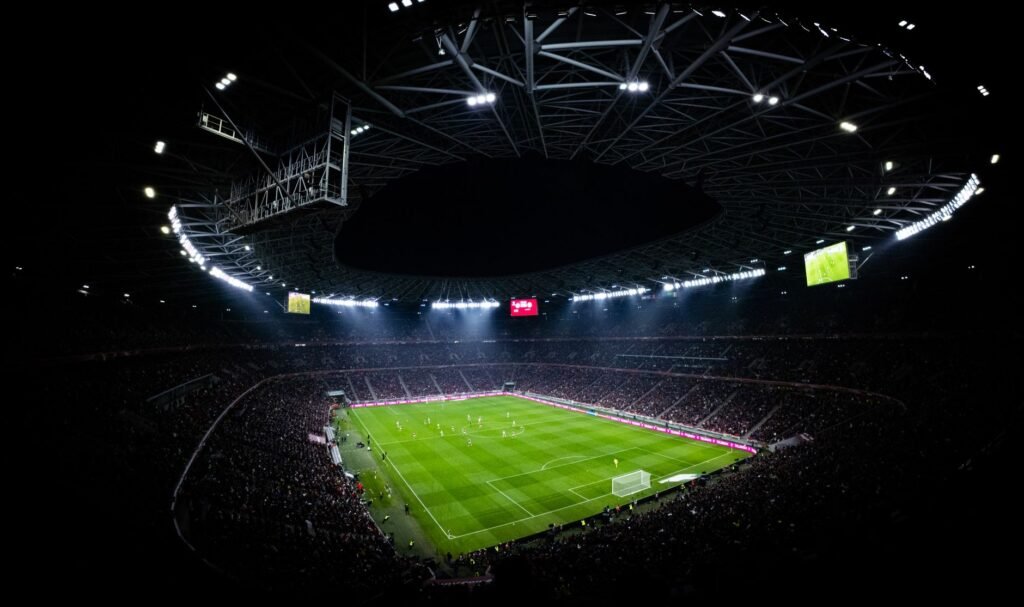
Most Ballon d’Or Wins: All 10 Multiple Winners Ranked
Lionel Messi has won the Ballon d’Or eight times, three more than Cristiano Ronaldo and five more than anyone else in the award’s history. No other player has won it more than…
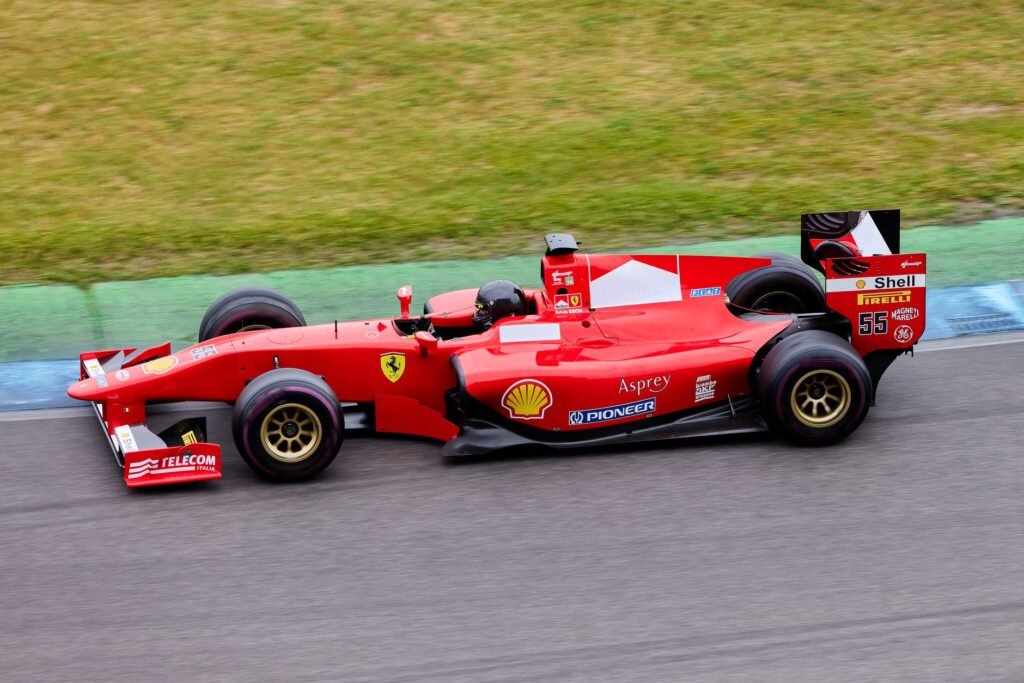
Most F1 World Championships: All 17 Multiple Winners
Michael Schumacher and Lewis Hamilton share the Formula One record with seven World Drivers’ Championships each, and no one else has more than five. Between them they account for 14 of the…