

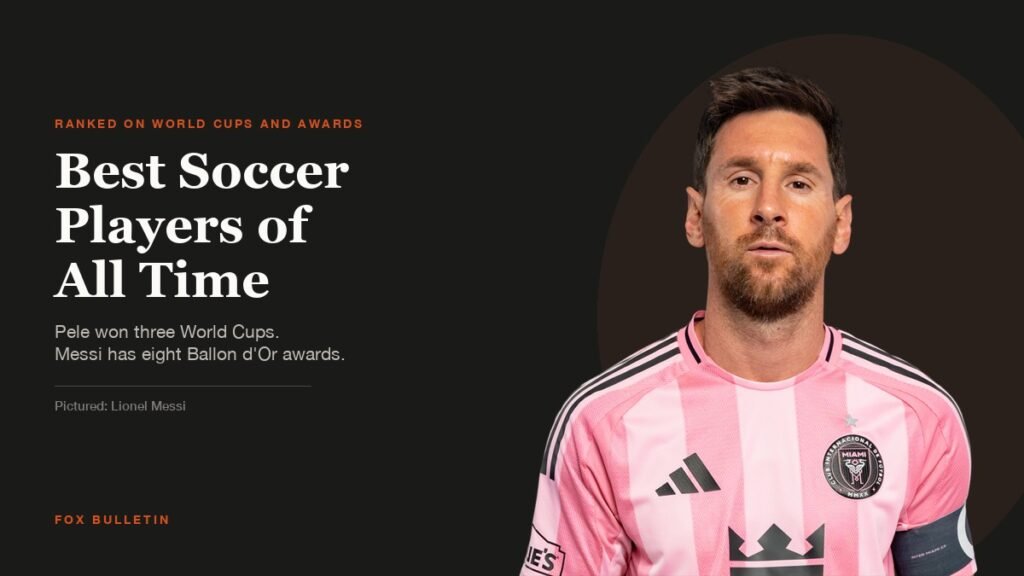
Ranking the best soccer players of all time means comparing a Brazilian forward who retired in 1977 with an Argentine who retired from international football this month. This list does it on countable honours: World Cups won, world player of the year awards, European Cup and Champions League titles, and goals scored for the national team.
Pele takes first place on the only record nobody has matched, three World Cup winners’ medals. Lionel Messi is second on eight Ballon d’Or awards, double the next highest total. The table gives the full record for all 10, and the sections below explain what each number does and does not capture.
| # | Player | Country | Career | World Cups | World player awards | European Cups | International goals |
|---|---|---|---|---|---|---|---|
| 1 | Pele | Brazil | 1956-1977 | 3 | 0 | 0 | 77 |
| 2 | Lionel Messi | Argentina | 2004- | 1 | 8 | 4 | 126 |
| 3 | Diego Maradona | Argentina | 1976-1997 | 1 | 0 | 0 | 34 |
| 4 | Cristiano Ronaldo | Portugal | 2002- | 0 | 5 | 5 | 146 |
| 5 | Johan Cruyff | Netherlands | 1964-1984 | 0 | 3 | 3 | 33 |
| 6 | Alfredo Di Stefano | Argentina and Spain | 1945-1966 | 0 | 2 | 5 | 29 |
| 7 | Franz Beckenbauer | West Germany | 1964-1983 | 1 | 2 | 3 | 14 |
| 8 | Ronaldo Nazario | Brazil | 1993-2011 | 2 | 3 | 0 | 62 |
| 9 | Zinedine Zidane | France | 1988-2006 | 1 | 3 | 1 | 31 |
| 10 | Ferenc Puskas | Hungary and Spain | 1943-1966 | 0 | 0 | 3 | 84 |
How This Ranking Was Weighted
World Cups count heaviest because the tournament comes once every four years and a player gets at most four or five chances. World player of the year awards count next, then European Cup and Champions League titles, then international goals as a tiebreak.
One distortion has to be stated up front. The Ballon d’Or was open only to European players until 1995. Pele and Maradona were never eligible to win it, and neither was any other South American playing outside Europe. Counting the award without that caveat would push the two most celebrated players in the sport’s history down the list on a technicality of the rules rather than anything they did on the field.
For the pre-1995 generation the FIFA Player of the Century vote, held in 2000, works as a substitute. FIFA ran it two ways and the two methods disagreed completely. An online poll put Maradona first on 53.60% to Pele’s 18.53%. A combined vote of FIFA magazine readers and the FIFA Football Committee put Pele first on 72.75%, with Di Stefano second on 9.75% and Maradona third on 6.00%. FIFA declared them joint winners.
- World Cup wins as a playing member of the squad
- World player awards counts distinct years in which a player won the Ballon d’Or or the FIFA World Player of the Year, so a year in which someone won both counts once
- European Cups includes Champions League titles under the competition’s later name
- International goals are senior goals for the national team
The 10 Best Soccer Players of All Time, Ranked
Every figure below is a career total unless stated otherwise.
1. Pele: Three World Cups and Nothing Close Behind
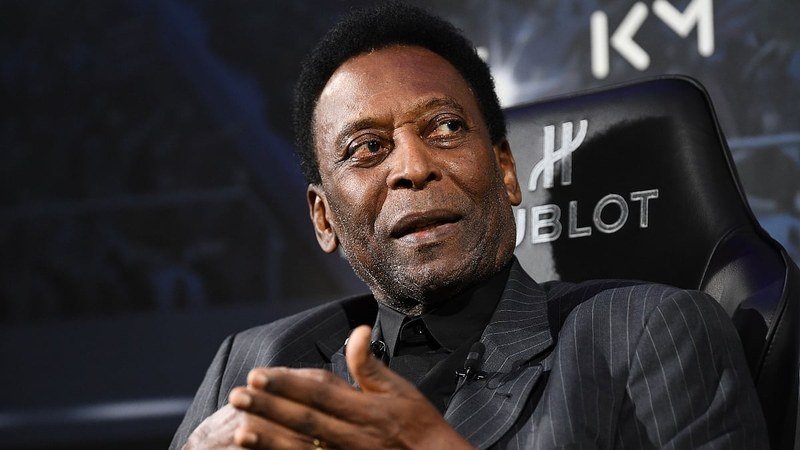
Country: Brazil · World Cups: 3 · Brazil record: 77 goals in 92 caps · Club goals: 643 in 659 games for Santos
Pele won the World Cup in 1958 at 17, again in 1962, and a third time in 1970. No other player has won three, and only 21 players have won two. He scored 77 goals in 92 appearances for Brazil and spent almost his whole club career at Santos before two seasons with the New York Cosmos.
His total career figure of 1,279 goals in 1,363 games includes exhibition matches and stands as a Guinness World Record. The 1970 World Cup side he captained is the one most often named the strongest team ever assembled. He took 72.75% of the combined FIFA Player of the Century vote, and the committee of football experts gave him 87.50%.
2. Lionel Messi: Eight Ballon d’Or Awards
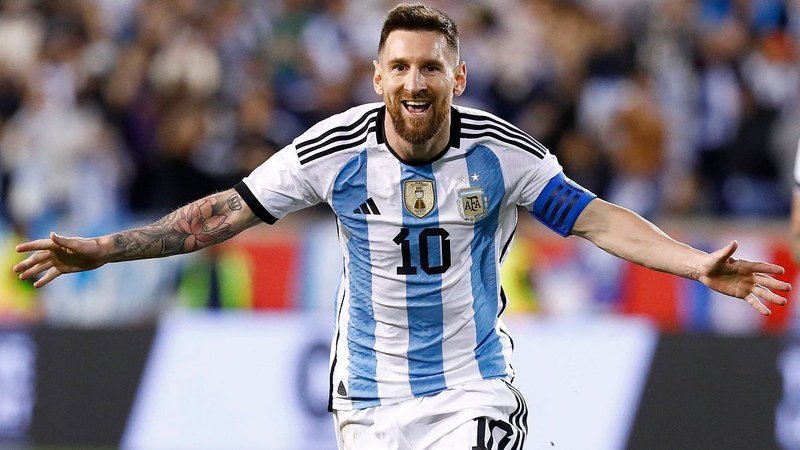
Country: Argentina · World Cups: 1 · Ballon d’Or: 8 · Argentina record: 126 goals in 208 caps
Messi has won the Ballon d’Or eight times, in 2009, 2010, 2011, 2012, 2015, 2019, 2021 and 2023. Cristiano Ronaldo is next on five. His four consecutive wins from 2009 to 2012 are the longest run anyone has managed.
He completed the record by winning the 2022 World Cup, and added the Copa America in 2021 and 2024. He has scored more than 930 senior goals, holds 126 international goals in 208 caps, won four Champions League titles with Barcelona and retired from international football on October 6, 2026. He now plays for Inter Miami.
3. Diego Maradona: One Tournament, Carried Alone
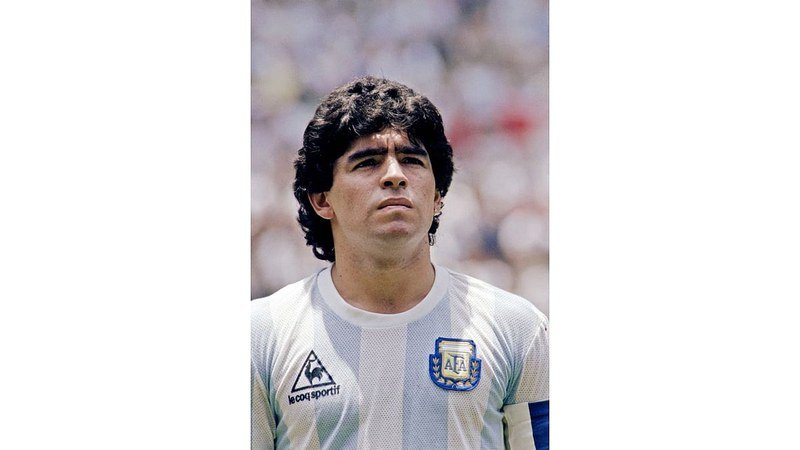
Country: Argentina · World Cups: 1 · Argentina record: 34 goals in 91 caps · Serie A titles with Napoli: 2
Maradona captained Argentina to the 1986 World Cup, scoring both goals in the quarter-final against England and setting up the winner in the final. That tournament is the most cited single-player performance in the sport’s history.
At club level he took Napoli to the only two Serie A titles the club won in the twentieth century, in 1986-87 and 1989-90, at a club that had never won one before and would not win another until 2023. He scored 259 league goals in 491 appearances and 34 goals in 91 caps for Argentina. He led the FIFA internet poll on 53.60%.
4. Cristiano Ronaldo: The Record Scorer
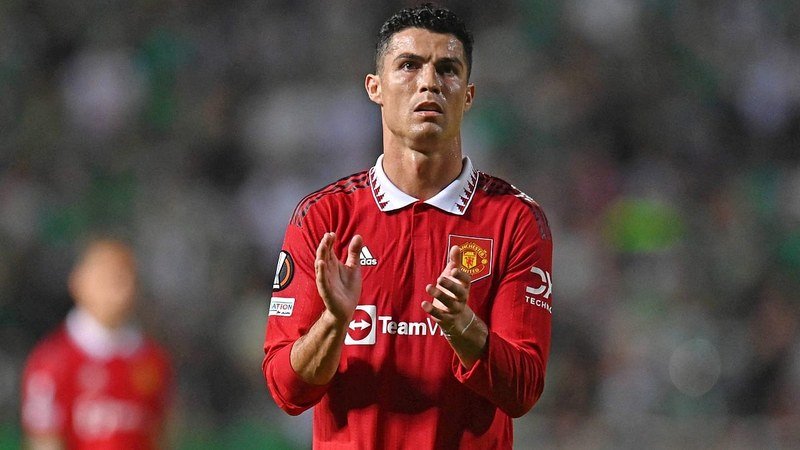
Country: Portugal · Ballon d’Or: 5 · Champions League: 5 · Portugal record: 146 goals in 234 caps
Ronaldo holds the men’s international scoring record with 146 goals and the men’s caps record with 234 appearances. He has scored more than 970 official senior goals, the highest verified total of the modern era.
He won five Champions League titles, one with Manchester United in 2008 and four with Real Madrid in 2014, 2016, 2017 and 2018, and five Ballon d’Or awards. He led Portugal to the European Championship in 2016. The absence of a World Cup is the single gap in the record and the reason he places below Maradona here. He now plays for Al-Nassr.
5. Johan Cruyff: The One Who Changed How the Game Is Played
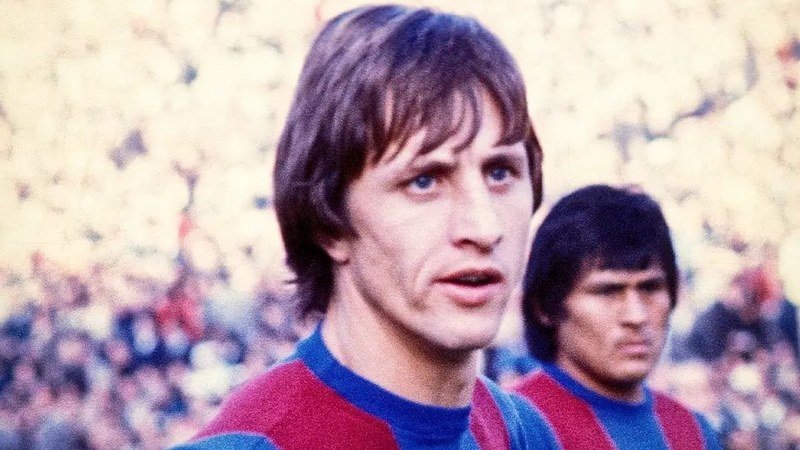
Country: Netherlands · Ballon d’Or: 3 · European Cups: 3 · Netherlands record: 33 goals in 48 caps
Cruyff won the Ballon d’Or in 1971, 1973 and 1974, and three consecutive European Cups with Ajax. He scored 294 goals in 518 club appearances and 33 in just 48 caps for the Netherlands.
He was the central figure in Total Football, the system in which outfield players interchange positions continuously. The Netherlands lost the 1974 World Cup final to West Germany and he was still named the tournament’s best player. As a coach he rebuilt Barcelona around the same ideas, which is why his influence outlasts his trophy count.
6. Alfredo Di Stefano: Five European Cups in a Row
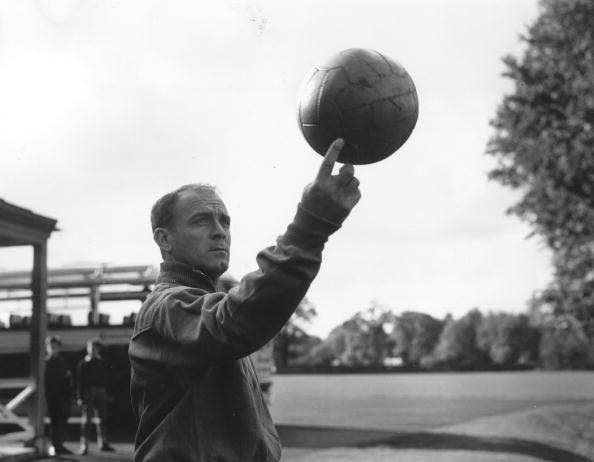
Country: Argentina and Spain · European Cups: 5 · Ballon d’Or: 2 · Real Madrid record: 308 goals in 396 games
Di Stefano won the first five European Cups ever contested, from 1956 to 1960, all with Real Madrid, and scored in every one of those five finals. He won the Ballon d’Or in 1957 and 1959 and scored 308 goals in 396 official matches for the club.
He never played a single World Cup match. He represented Argentina six times and Spain 31 times, and injury kept him out of the 1962 tournament after he had travelled with the squad. The FIFA Football Committee placed him second behind Pele, which is the strongest expert endorsement any player without a World Cup has received.
7. Franz Beckenbauer: Winner as Player and as Manager
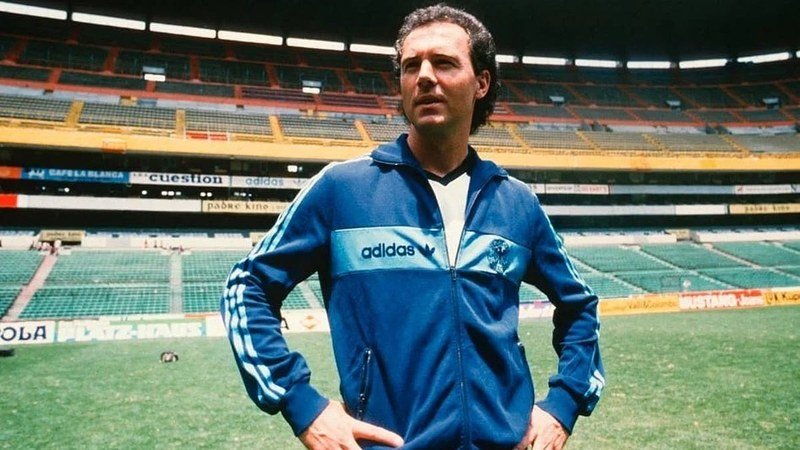
Country: West Germany · World Cups: 1 as player, 1 as manager · Ballon d’Or: 2 · European Cups: 3
Beckenbauer captained West Germany to the 1974 World Cup and managed the side that won it in 1990, one of only three people to have won the tournament in both roles. He won the Ballon d’Or in 1972 and 1976 and three consecutive European Cups with Bayern Munich from 1974 to 1976.
He is the only defender in this top ten. He redefined the sweeper role by carrying the ball forward out of defence rather than simply clearing it, and made 103 appearances for West Germany. Our guide to football positions explains where that role sits on the field.
8. Ronaldo Nazario: The Most Complete Striker
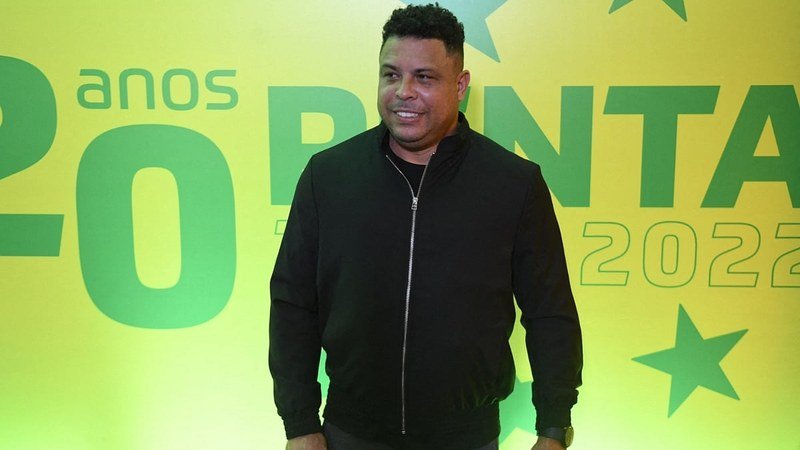
Country: Brazil · World Cups: 2 · World player awards: 3 years · Brazil record: 62 goals in 98 caps
Ronaldo won the FIFA World Player of the Year in 1996, 1997 and 2002 and the Ballon d’Or in 1997 and 2002, three distinct years at the top of the game. He was 20 when he first won it, the youngest ever.
He won the World Cup in 2002, scoring eight goals to take the Golden Boot including both in the final, and was a squad member in 1994 without playing. Two major knee injuries cost him three years at his peak, which is the clearest case on this list of a record cut short rather than completed.
9. Zinedine Zidane: Decisive in the Biggest Matches
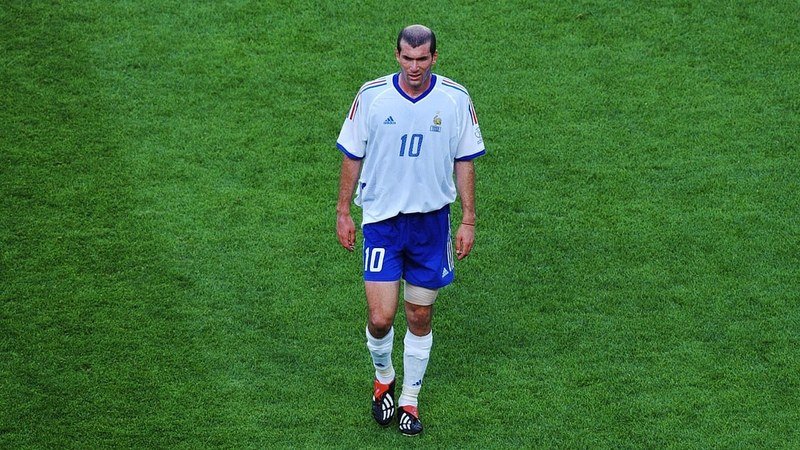
Country: France · World Cups: 1 · World player awards: 3 years · France record: 31 goals in 108 caps
Zidane scored two headers in France’s 3-0 win over Brazil in the 1998 World Cup final and was named player of the tournament when France won the European Championship in 2000. He won the FIFA World Player of the Year in 1998, 2000 and 2003 and the Ballon d’Or in 1998.
His volley won the 2002 Champions League final for Real Madrid. He scored 31 goals in 108 appearances for France, a modest return for a player of his standing, because he created chances rather than finished them. He has since won the Champions League three times as a coach.
10. Ferenc Puskas: 84 Goals in 85 Internationals
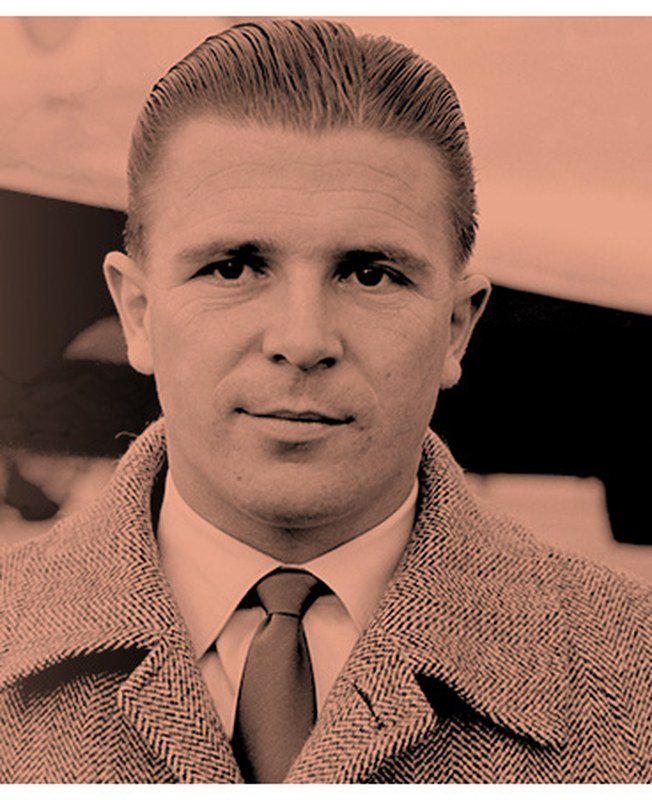
Country: Hungary and Spain · Hungary record: 84 goals in 85 caps · European Cups: 3 · Club goals: 670 in 659 games
Puskas scored 84 goals in 85 appearances for Hungary, a rate no player with a comparable number of caps has approached. He scored 670 goals in 659 club games for Budapest Honved and Real Madrid, and won the European Cup in 1959, 1960 and 1966.
His Hungary side went unbeaten for four years and lost the 1954 World Cup final to West Germany after leading 2-0, with Puskas scoring and taking the tournament’s Golden Ball. FIFA named its award for the best goal of the year the Puskas Award in his honour in 2009.
What the Numbers Leave Out
Three things this ranking cannot measure are worth naming. Goalkeepers are absent entirely, because none of the four honours used here is won by goalkeepers often enough to compete. Lev Yashin remains the only goalkeeper ever to win the Ballon d’Or.
Era is the second. Pele played in an age of two substitutes, uncovered pitches and defenders who could tackle from behind. Messi and Ronaldo play more matches per season than any previous generation, which inflates career goal totals relative to the 1960s and 1970s.
Position is the third. Defenders and holding midfielders win almost none of these awards, which is why Beckenbauer is the only non-attacking player here. Our list of the most Ballon d’Or wins shows the same bias at work in the award itself.
Where the Great Teams Fit
Individual rankings hide how much of this depends on the national side a player was born into. Pele had three World Cup-winning squads around him; Di Stefano and Puskas had none that reached a final they could win.
Brazil has won the World Cup five times, more than any other country, which is part of why three of the ten players here are Brazilian or were carried by Brazilian sides. Our ranking of most World Cup wins by country sets out the full record by nation.
Frequently Asked Questions
Who is the best soccer player of all time?
Pele, on the measure no one else has matched: three World Cup titles, in 1958, 1962 and 1970. He also took 72.75% of the combined FIFA Player of the Century vote and 87.50% of the expert committee vote.
Is Messi or Ronaldo better?
Messi places higher here. He has eight Ballon d’Or awards to Ronaldo’s five and a World Cup, which Ronaldo does not have. Ronaldo leads on career goals with more than 970, on international goals with 146, and on Champions League titles with five to Messi’s four.
Why did Pele never win the Ballon d’Or?
The award was restricted to European players until 1995, so Pele was never eligible. Maradona was ineligible for the same reason throughout his career. France Football has since published a retrospective list of who would have won under current rules.
Which player scored the most international goals?
Cristiano Ronaldo, with 146 goals in 234 appearances for Portugal. Ferenc Puskas has the best ratio among players on this list, with 84 goals in 85 caps for Hungary.
Related Articles

Get the Fox Bulletin briefing
The stories that matter, in your inbox. No spam, unsubscribe anytime.
Newsletter signup will be available soon.
Related stories
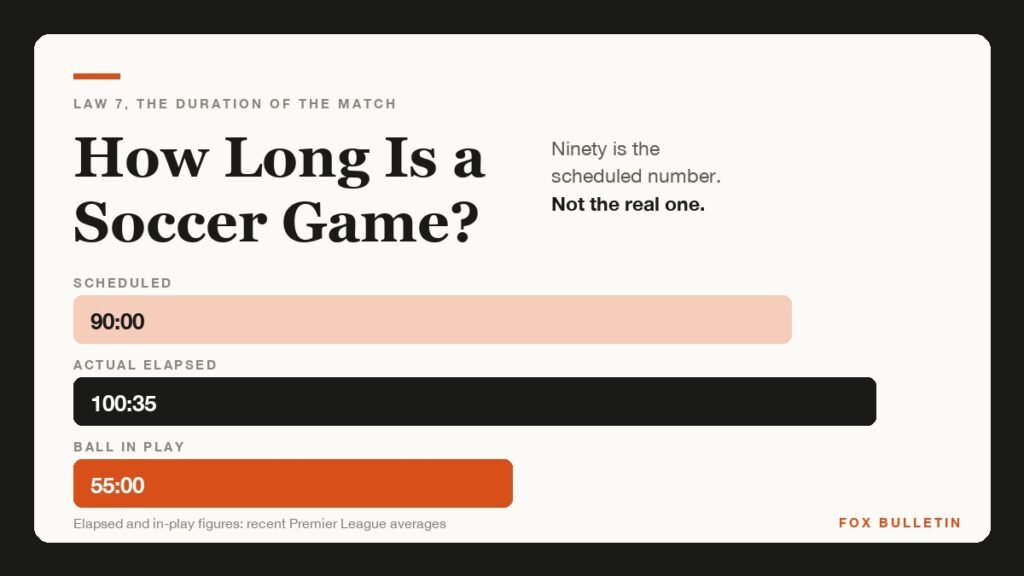
How Long Is a Soccer Game? Halves, Stoppage and Extra Time
Ninety minutes is the scheduled figure, not the real one. What the referee adds, when extra time applies, and how much of a match is actually live football.
NFL Salary Cap: How It Works, Dead Money and Franchise Tags
The cap is a cash flow puzzle, not a spending limit. Proration, dead money, void years and the 89 percent floor, with the current numbers.
Soccer Positions: Every Role on the Pitch and What It Does
The Laws of the Game name only one position. Everything else, from the number 6 to the false nine, is a convention coaches built on top of it.