

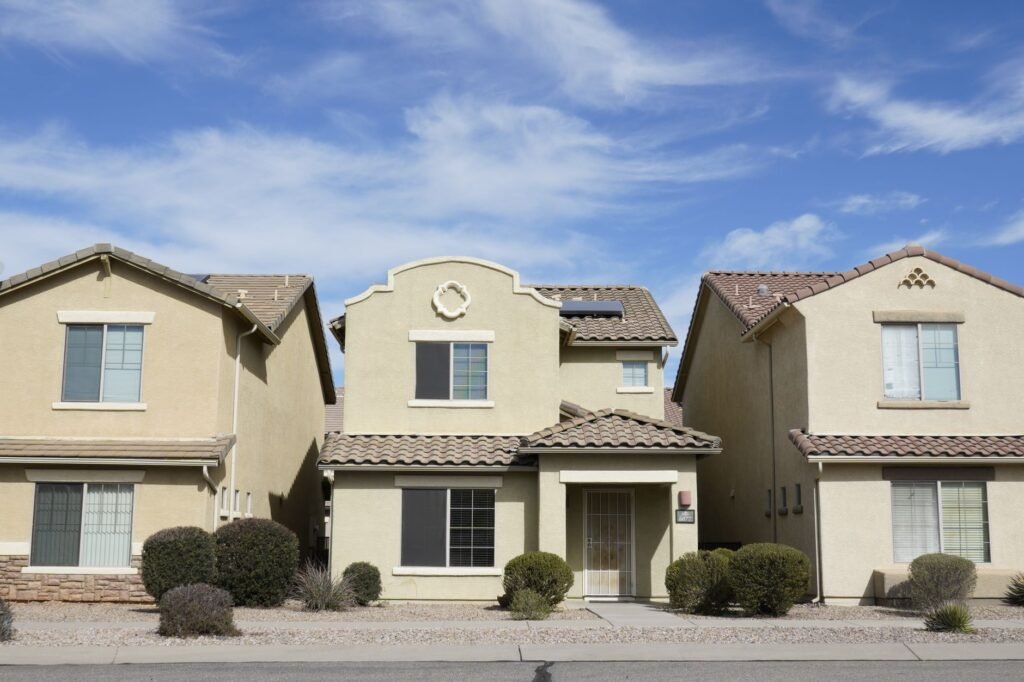
The cost of living gap between US states is wider than most people realize. Where the national median home price sits near $403,200 in early 2026, the cheapest states let you buy a comparable home for less than half that, and the savings stretch across groceries, utilities, and healthcare too.
Affordability is measured by the cost of living index, where 100 equals the national average. Every state below reads under 92, meaning day-to-day expenses run 8% or more below the norm. Housing drives most of the difference, so we pair each state’s index with its median home price. Here are the ten cheapest states to live in for 2026.
| Rank | State | Cost-of-Living Index | Median Home Price | Region |
|---|---|---|---|---|
| 1 | Oklahoma | 86.0 | ~$244,000 | South |
| 2 | Mississippi | 87.3 | ~$253,000 | South |
| 3 | West Virginia | 88.3 | ~$225,500 | Appalachia |
| 4 | Alabama | 88.6 | ~$194,700 | South |
| 5 | Kansas | 88.8 | ~$198,200 | Midwest |
| 6 | Missouri | 89.0 | ~$294,000 | Midwest |
| 7 | Arkansas | 89.6 | ~$249,000 | South |
| 8 | Iowa | 89.7 | ~$250,700 | Midwest |
| 9 | Michigan | 90.1 | ~$270,000 | Midwest |
| 10 | Tennessee | 90.3 | ~$336,400 | South |
The 10 Cheapest States to Live In, Ranked
1. Oklahoma: The Lowest Overall Cost of Living
Cost-of-Living Index: 86.0 | Median Home Price: ~$244,000 | Region: South | Best For: Squeezing the most from every dollar
Oklahoma is the most affordable state in the country for 2026, with a cost of living index of 86.0, meaning overall expenses run 14% below the national average. Its median home price near $244,000 is roughly $160,000 under the national figure, so ownership is within reach for average earners.
The savings extend beyond housing, with annual household expenditures coming in under $70,000. Oklahoma City and Tulsa deliver real metro amenities and job markets, so residents get city life without the coastal price tag that usually comes with it.
2. Mississippi: Rock-Bottom Rent and Daily Costs
Cost-of-Living Index: 87.3 | Median Home Price: ~$253,000 | Region: South | Best For: Renters and fixed budgets
Mississippi consistently ranks as one of the two or three cheapest states, with a cost of living index of 87.3. Rent is a standout, with a typical two-bedroom running around $810 a month, a fraction of what the same space costs on either coast.
The trade-off is that Mississippi scores lower on healthcare access, which matters more as you age. For younger residents and those in good health, though, few places let a modest income go further day to day.
3. West Virginia: The Cheapest Homes in Appalachia
Cost-of-Living Index: 88.3 | Median Home Price: ~$225,500 | Region: Appalachia | Best For: Buyers wanting the lowest entry price
West Virginia pairs a cost of living index of 88.3 with one of the lowest median home prices in the nation at about $225,500. For buyers who prioritize a small mortgage and mountain scenery, it is one of the best values anywhere.
The state offers abundant outdoor recreation, from whitewater rafting to hiking, at a cost that coastal transplants find hard to believe. Job growth is slower here, so it suits retirees and remote workers more than career climbers.
4. Alabama: Low Prices With Gulf Coast Access
Cost-of-Living Index: 88.6 | Median Home Price: ~$194,700 | Region: South | Best For: First-time buyers
Alabama posts a cost of living index of 88.6 and the lowest median home price on this list at roughly $194,700, well under $200,000. That makes it one of the friendliest states in the country for first-time buyers stretching a starter budget.
Beyond affordability, Alabama offers Gulf Coast beaches, growing cities like Huntsville, and annual household costs among the lowest nationally. It is a strong pick for anyone wanting warm weather without Florida’s rising insurance bills.
5. Kansas: Affordable Homes in the Heartland
Cost-of-Living Index: 88.8 | Median Home Price: ~$198,200 | Region: Midwest | Best For: Value-focused families
Kansas earns a cost of living index of 88.8 and a median home price near $198,200, giving it one of the best price-to-income ratios in the country. Families can buy comfortably here on a single middle-class salary.
Wichita and the Kansas City suburbs provide jobs and amenities, while smaller towns offer quiet, low-cost living. The flat terrain and central location also keep commuting and travel costs manageable.
6. Missouri: Big-City Amenities on a Budget
Cost-of-Living Index: 89.0 | Median Home Price: ~$294,000 | Region: Midwest | Best For: City lovers who want value
Missouri sits at a cost of living index of 89.0, and its appeal is access to two full-sized metros, Kansas City and St. Louis, at a median home price around $294,000. That is a rare combination of urban culture and Midwestern affordability.
Sports, music, and dining scenes rival far pricier cities, while suburbs and rural areas push costs even lower. Missouri suits people who want big-city life without a big-city mortgage.
7. Arkansas: Nature and Low Costs Combined
Cost-of-Living Index: 89.6 | Median Home Price: ~$249,000 | Region: South | Best For: Outdoor enthusiasts
Arkansas holds a cost of living index of 89.6 and a median home price near $249,000, backed by some of the best outdoor access in the South. The Ozarks, lakes, and trails make it a favorite for nature lovers.
Northwest Arkansas, anchored by Bentonville and a growing corporate presence, adds jobs and rising amenities. The rest of the state stays quiet and inexpensive, offering a wide range of lifestyles at low cost.
8. Iowa: Stable, Quiet, and Inexpensive
Cost-of-Living Index: 89.7 | Median Home Price: ~$250,700 | Region: Midwest | Best For: Steady, low-stress living
Iowa combines a cost of living index of 89.7 with a median home price around $250,700 and a reputation for stability. Its economy is diversified across agriculture, insurance, and manufacturing, which keeps unemployment low.
Des Moines regularly lands on best-places-to-live lists for its balance of jobs, safety, and affordability. For residents who value a calm, dependable lifestyle, Iowa delivers without drama.
9. Michigan: Great Lakes Living for Less
Cost-of-Living Index: 90.1 | Median Home Price: ~$270,000 | Region: Midwest | Best For: Water and nature access
Michigan posts a cost of living index of 90.1 and a median home price near $270,000, with an unmatched perk in its Great Lakes shoreline. Few affordable states offer this much freshwater coastline and four-season recreation.
Cities like Grand Rapids have revitalized into vibrant, affordable hubs, while lakeside towns draw retirees and remote workers. The state proves you do not need a coastal budget to live near the water.
10. Tennessee: No State Income Tax on a Budget
Cost-of-Living Index: 90.3 | Median Home Price: ~$336,400 | Region: South | Best For: Keeping more of your paycheck
Tennessee rounds out the list with a cost of living index of 90.3 and a major financial advantage: no state income tax. Even with a higher median home price near $336,400, keeping your full paycheck often outweighs the cost of housing.
Nashville, Knoxville, and Chattanooga add music, mountains, and jobs to the equation. For readers weighing tax-friendly options, our guide to the best places to retire in the US covers Tennessee’s appeal in more detail.
What Makes These States So Affordable
The cost of living index blends six categories: housing, utilities, groceries, transportation, healthcare, and miscellaneous goods. Housing carries the most weight, which is why every state on this list also has below-average home prices, and it explains their ranking more than any other factor.
Geography reinforces the pattern, since the cheapest states cluster in the South and Midwest, away from the expensive coasts. Lower land costs, shorter commutes, and less demand pressure keep prices down across the board, according to the cost of living index by state.
The Trade-Offs of Moving to a Cheap State
Low costs rarely come without compromises, and the biggest is often wages. Many affordable states also have lower average salaries, so the savings matter most for retirees, remote workers, and anyone bringing outside income into the state.
Healthcare access is the other common gap, with states like Mississippi scoring lower on medical availability and outcomes. Before relocating, weigh proximity to quality hospitals and specialists against the housing savings, especially if you are older or managing a chronic condition.
How We Ranked the Cheapest States
This ranking orders states by their 2026 cost of living index, where a lower number means cheaper overall living. We then paired each index with the state’s current median home price to show how affordability plays out for buyers specifically, cross-referenced with published median home prices by state.
We focused on overall living costs rather than any single expense, so a state with cheap housing but high taxes would rank lower than its home prices alone suggest. The goal is a realistic picture of what your total budget looks like after a move.
How to Decide If a Low-Cost State Is Right for You
Start with your income source, because a low-cost state pays off most when your earnings do not depend on the local job market. Remote workers and retirees capture the full savings, while job seekers should check local wages before assuming they will come out ahead.
Then look past the sticker price to the full picture, including taxes, healthcare, and climate. A state can have cheap homes yet surprise you on other costs, so compare your real monthly budget, much as we do in our guide to the best places to live in Texas.
Frequently Asked Questions
What is the cheapest state to live in 2026?
Oklahoma is the cheapest state to live in for 2026, with a cost of living index of 86.0, meaning overall expenses run about 14% below the national average, helped by a median home price near $244,000.
Which state has the cheapest housing?
Alabama has the lowest median home price on this list at roughly $194,700, followed closely by Kansas and West Virginia, all of which sit well below the national median near $403,200.
Are cheap states a good place to retire?
They can be, especially for retirees on fixed incomes, but healthcare access varies widely. States like Tennessee add a no-income-tax advantage, while others trade lower costs for weaker medical infrastructure.
Why are Southern and Midwestern states cheaper?
These regions have lower land and housing costs, less coastal demand, and shorter commutes, which pull down every category in the cost of living index, from utilities to transportation.
Do cheap states have lower salaries?
Often yes, which is why low-cost states benefit retirees and remote workers most. If you rely on the local job market, compare average wages against the savings before deciding to move.
Related Articles

Get the Fox Bulletin briefing
The stories that matter, in your inbox. No spam, unsubscribe anytime.
Newsletter signup will be available soon.
Related stories

Best Mechanical Pencil for Drawing: 7 Compared by Lead Size
Seven drawing pencils compared from a 0.3mm technical pencil to a 2mm clutch lead holder, with sleeve design and lead grades explained.

Best SUV Under 50000 in the US: 7 Compared on Price and MPG
Seven SUVs under $50,000 in the US compared on starting MSRP and official EPA mpg, including which three-row models stay under forty thousand dollars.

Best Electric Kettles: 7 Compared on Temperature Control and Capacity
Seven electric kettles compared on capacity, temperature control and keep-warm, from gooseneck pour-over models to a 1.7L kettle with no plastic in the water path.