

The best playlist name ideas name a moment instead of a category: Fogged Windows, Warm Tea says more than Chill, and Last Set Anthems says more than Workout. Below are playlist name ideas for 14 themes, from mood and genre to road trips, study sessions and shared playlists, each with the naming habit that works for it and four original names to borrow or bend.
Every example here was written for this page, so none of them is a copy of a published list. The advice on length and word order is common naming advice, not a Spotify rule, and the platform facts come from Spotify’s newsroom and support pages and from YouTube Music’s help pages. Start with the chart, then jump to the theme that matches your playlist.
Playlist Name Ideas by Theme: All 14 Conventions and Examples
| Theme | The naming convention | Two example names |
|---|---|---|
| Mood | Name the feeling a listener searches for, as a scene | Fogged Windows, Warm Tea; Soft Landing |
| Genre | Sound like a scene, keep the genre word near the front | Indie, Unplugged on the Porch; Amps and Gravel |
| Workout | Stay literal about the task, use effort words | Last Set Anthems; Mile Six Mindset |
| Study and focus | Signal quiet: focus, study, no lyrics | Quiet Desk Hours; Zero Lyrics Zone |
| Seasonal and holiday | Season word first, then a sensory image | First Sweater Weather; Late August Light |
| Aesthetic | Borrow the vocabulary of a visual world | Candle Wax and Old Paperbacks; Garden Gate Mornings |
| Funny and punny | Deadpan complaint or a pun tied to the activity | Skipped on Purpose; Shower Opera |
| Road trip | Road word plus a time or a landscape | Windows Down, Map Closed; Highway Sunrise Crew |
| Party and pregame | Time-of-night cues and crowd words | Doors Open at Nine; Last Call Encore |
| Late night | Clock times and after-everyone-leaves images | After Midnight Hum; Streetlamp Hours |
| Nostalgia | A decade or era plus a memory cue | Mixtape From 1999; Cassette in the Glovebox |
| Cooking and chores | Activity-literal with humour from mundane tasks | Simmer and Sing; Dishes Done Dancing |
| Main character and eras | Name a persona or a chapter of life | Comeback Chapter; New City Era |
| Couples, friends and shared | Name the people or the occasion | Our Kitchen Soundtrack; Group Chat Greatest Hits |
Playlist Name Ideas for Every Mood, Genre and Moment
Mood: name the scene, not the feeling
People search for sad, happy, chill and romantic playlists, so the mood word earns a place near the front. The trick is to attach it to a scene. Chill is a category; a rainy window is a moment. Fogged Windows, Warm Tea and Soft Landing both promise a feeling without using the word for it.
Genre: make the tag sound like a place
A bare genre tag is accurate and forgettable. Genre names work better when they sound like a scene, with the searchable genre word kept near the front so it survives a truncated list view. Indie, Unplugged on the Porch and Hip-Hop Before the Commute both lead with the tag and then add a setting.
For electronic music, Four-on-the-Floor After Dark leans on the rhythm that defines the style. For rock, Amps and Gravel swaps the label for the sound of a garage.
Workout and gym: stay literal about the task
People search for these playlists mid-task, often with sweaty thumbs, so the name should say what the session is. Effort and tempo words such as reps, miles and PR are the usual anchors. Last Set Anthems and Mile Six Mindset each point at a specific moment in a workout.
Study and focus: promise quiet
The anchor words are focus, study, library and no lyrics. The name has to signal that nothing will pull the listener’s attention, because that is the whole use case. Quiet Desk Hours and Zero Lyrics Zone say it plainly.
Seasonal and holiday: season first, sensory image second
Summer and holiday playlists are standard categories, which means the generic versions are crowded. Lead with the season word, then add something the listener can feel or smell. First Sweater Weather and Late August Light both pin the playlist to a narrow slice of the calendar.
Sunscreen and Playlists does the same job for summer with a light joke, and Snow Day Soundtrack gives winter a small story. The narrower the date, the more recognisable the name feels.
Aesthetic: borrow the visual vocabulary
Aesthetic searches are their own lane, and the names lean on a visual world instead of a sound. Use the aesthetic’s own words: library, linen, flannel, CD-R. Candle Wax and Old Paperbacks reads as dark academia before a single song plays.
Burned CD, Scratched Case covers the early-2000s look, Garden Gate Mornings suits cottagecore, and Soft Light, Quiet Room fits the clean, soft end of the spectrum. Match the name to the cover art so the two tell one story.
Funny and punny: deadpan beats a forced pun
Funny names are usually self-deprecating or punny, and the strongest are a deadpan complaint. Songs I Pretend I Don’t Know Every Word To confesses something every listener recognises, and Skipped on Purpose turns a playlist flaw into a joke.
Pun names commonly pair the wordplay with an activity such as coffee or road trips. Shower Opera and Wheel-y Good Tunes both keep a recognisable noun in the title, so the joke does not cost the search.
Road trip and driving: a road word plus a landscape
Anchor the name with road trip, drive or highway, then add the time of day or the scenery. Keep it short and scene-like. Windows Down, Map Closed describes a mood of drifting, and Highway Sunrise Crew puts the passengers in the picture.
Exit 42 and Beyond works for a trip with a destination, and Backseat Singalong Rules is a good fit when the playlist is built for a car full of people with opinions.
Party and pregame: sell the volume
Party names borrow time-of-night cues, such as doors open or last call, and crowd words that promise a singalong. Doors Open at Nine sets the start of the night, and Last Call Encore marks the end of it.
Late night and winding down: use the clock
Clock times and after-everyone-leaves imagery fit this theme, which also pairs well with sleep and wind-down use. Lights Out in Twenty makes a countdown out of the name, and After Midnight Hum suggests something low and steady.
Nostalgia and throwback: a decade plus a memory cue
Pair a decade or era with an object that triggers a memory, such as a backseat, a CD or a mixtape. Mixtape From 1999 and Cassette in the Glovebox each carry the era and the object in a few words. Spotify’s AI Playlist documentation lists decades among the ingredients that make a prompt work, which shows how strongly listeners think in eras.
Prom Night Rewind anchors to a rite of passage, and Saturday Morning Cartoons Era takes a whole childhood routine and makes it a genre.
Cooking and chores: humour from the mundane
These names are activity-literal, and the humour comes from how ordinary the task is. They also pair naturally with Sunday-reset routines. Simmer and Sing and Chop, Stir, Repeat both borrow the rhythm of kitchen verbs.
Main character and personal eras: name a chapter

Era, energy and main character are the framing words for this theme, and the idea is to name a persona or a chapter of life. Spotify’s own AI Playlist example prompt uses the phrase makes me feel like the main character, so the idea has reached the platform itself.
Comeback Chapter and New City Era mark a change of circumstances. Plot Twist Season and Hero Walk Home are lighter, built for the commute rather than the milestone.
Couples, friends and shared playlists: name the people or the occasion
Spotify supports collaborative playlists, so the name is shared with everyone who can add songs. That favours inside jokes and occasion names that every contributor will recognise. Our Kitchen Soundtrack and Anniversary Slow Dance name the setting and the event.
Three-Friend Tour Mix suits a trip planned by a small group, and Group Chat Greatest Hits turns the shared thread into a compilation title.
How Spotify, YouTube Music and Alexa+ Name Playlists
Naming has partly moved onto the platforms. Spotify’s AI-built playlists arrive with a generated title, and the newsroom’s own example shows a prompt about funky, upbeat songs for unpacking boxes producing a playlist called Energized Unpacking Grooves. The model names the thing it built, usually in the same compact style a person would pick.
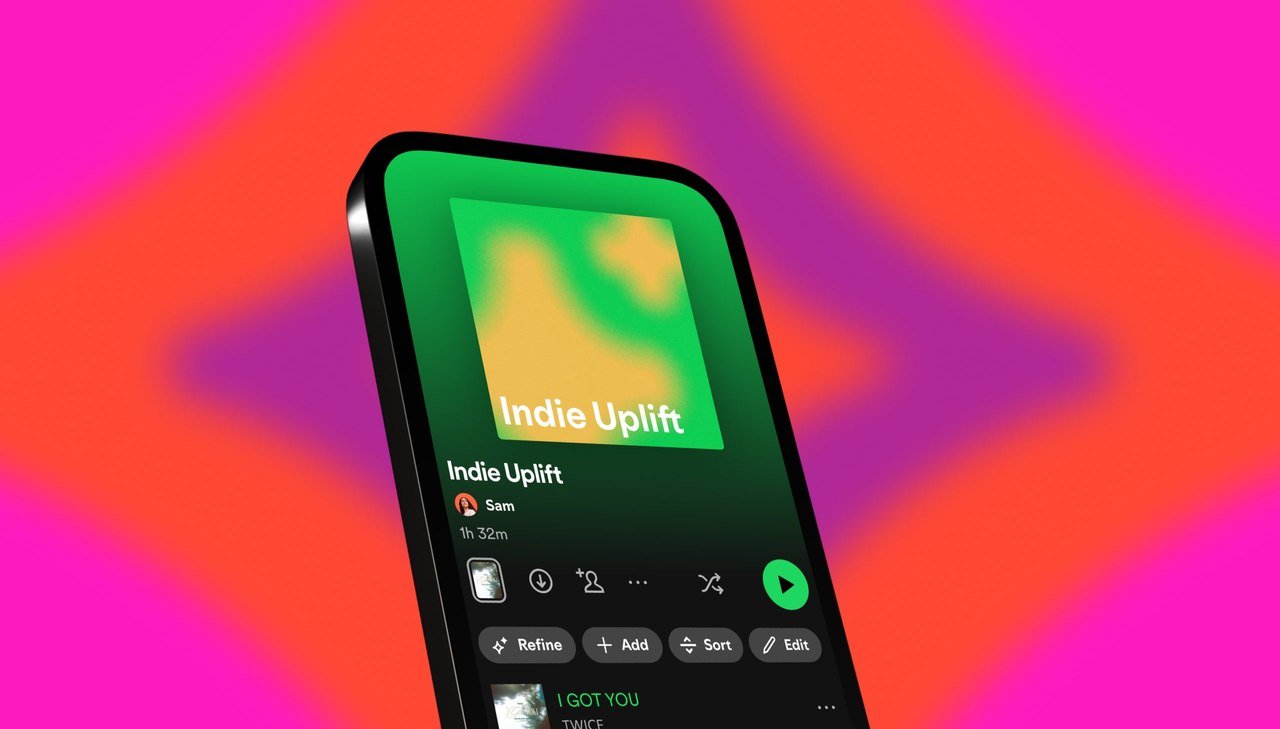
Spotify’s support pages describe no suggest-a-name button for playlists you build by hand. What the platform does do with a name is read it: the Recommended Songs list at the bottom of a playlist suggests tracks based on what you have already added and on the playlist’s title. The name is therefore a signal as well as a label.
From AI Playlist to Prompted Playlists

The AI Playlist beta has been succeeded by Prompted Playlists, which are in beta for Premium on mobile and in English only. You describe a vibe, scenario or mood, the playlist refreshes daily or weekly, and Notes explain why each song was picked. Free listeners can hear a shared one but cannot build their own; the limits are laid out in the guide to what Spotify Free includes.
daylist: a new title every update
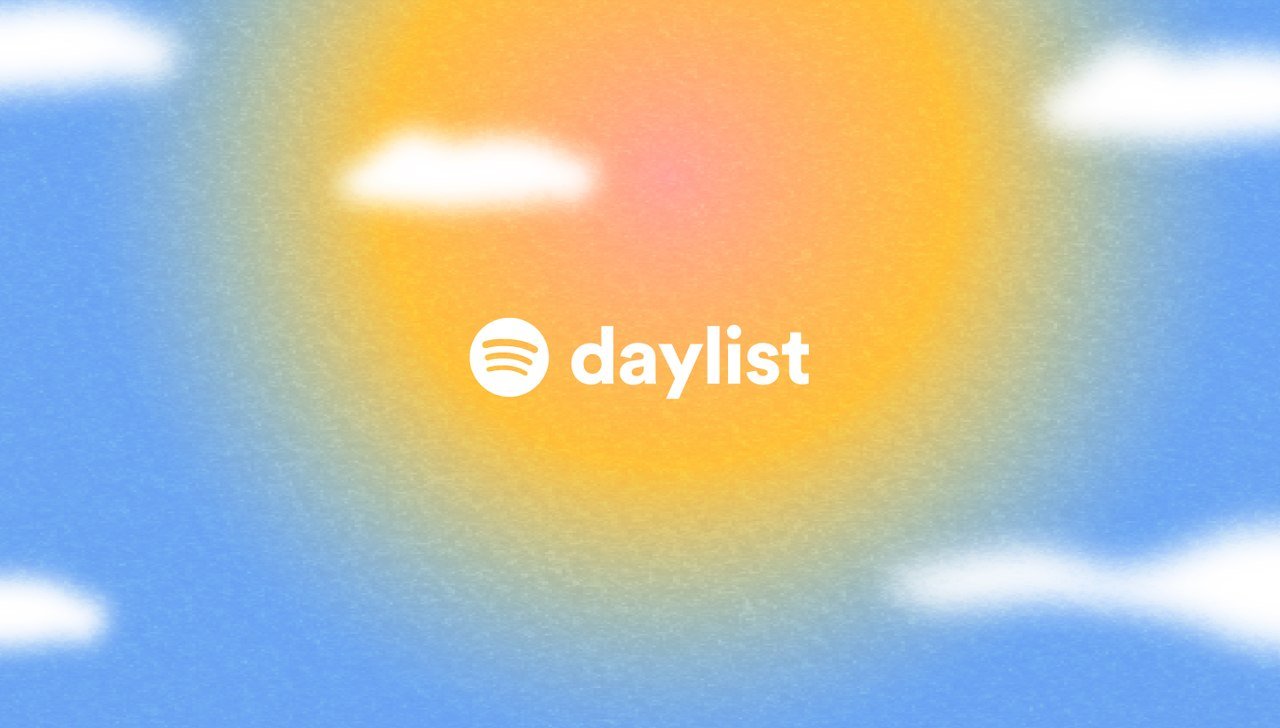
Spotify launched daylist in September 2023 as a playlist that updates through the day, with each update given a new title that sets the mood. The newsroom’s examples were thrillwave, happy dance and pumpkin spice. Unsaved versions vanish at the next update, so a title you like means copying the playlist to a new one.
YouTube Music and Alexa+
YouTube Music writes titles for the mixes made through Ask Music with a large language model, and uses a playlist’s name as one signal for suggesting songs. Its help pages describe no name-suggestion tool for playlists you build yourself. On Amazon Music, playlists built through Alexa+ can be renamed.
What Makes a Playlist Name Searchable Instead of Just Clever
Spotify’s UX writer Diane Murphy set out three jobs for a personalised playlist name in a 2021 article: describe what is inside, help someone decide to listen, and signal that it was made for them. Her team dropped the word Your from most names, ran a timeboxed Namestorm to generate options, grouped candidates by theme and read them aloud to test how they sounded. The same checks suit a name you write at home.
The common advice for human-made lists points the same way. Two to five words is the usual sweet spot. Put the searchable anchor word first, because phone list views truncate long titles. Choose one specific image per name, which is why Chill and Good Vibes are too generic to stand out.
Match the name to the cover. Spotify’s mobile cover art tool lets you add text, insert images, change background colours and add stickers, and only one custom cover is saved per playlist at a time. If you publish playlists for listeners to find, keep in mind that all new playlists publish to your profile by default. Artists curating for discovery will find more in the guide to Spotify for Artists.
Reading the Examples and the Limits of the Naming Advice
The theme list follows the categories that recur in popular name guides: mood, genre, workout, study, seasons, aesthetics, humour, road trips, parties, late nights, nostalgia, chores, personal eras and shared playlists. The naming habits attached to each are editorial advice, not platform rules, and they carry no guarantee of more plays.
Spotify’s help pages do not publish a title length or a per-playlist song cap, so this page gives none.
How to Pick and Test a Name for Your Own Playlist
- Write what the playlist is for in plain words, such as a long run or a quiet evening.
- Pick the one searchable word a listener would type, and put it first.
- Add a specific image, a time, a place or an object, to turn the category into a moment.
- Read the result aloud; if it needs explaining, shorten it.
- Check how it looks on a phone, where a long title is cut off.
- Match the cover to the name so the playlist looks the way it sounds.
Frequently Asked Questions
Does Spotify suggest playlist names automatically?
For playlists it builds with AI, yes: the result comes with a generated title, such as Energized Unpacking Grooves in the newsroom example. Daylist retitles itself with every update. Spotify’s support pages describe no suggest-a-name button for playlists you create by hand.
Can I change a playlist name and cover later?
Yes. On mobile you tap Edit; on desktop you click the cover image and choose a photo, then save. Spotify’s mobile Create cover art tool adds text, images, background colours and stickers, and a new cover replaces the previous one.
Can free users make AI-named playlists?
Prompted Playlists, like the AI Playlist beta before them, are for Premium on mobile. A Prompted Playlist shared with a Free listener is listen-only.
Is there a limit on offline playlists?
The one documented figure is the offline download cap: Premium lets you download up to 10,000 tracks on each of up to 5 devices, and you need to go online at least once every 30 days. That is a download limit, not a measure of how long a playlist can be.
Related Articles

Get the Fox Bulletin briefing
The stories that matter, in your inbox. No spam, unsubscribe anytime.
Newsletter signup will be available soon.
Related stories
Conjuring Movies: All 10 Films With Dates and Grosses
Ten films make up the Conjuring series: four main-line entries, three Annabelle films, two Nun films and one standalone. This page lists each in release order with its director, runtime and worldwide gross, and covers the budgets, the Warrens and the film still to come.
Royalty Free Music Sources and What Each Licence Covers
Royalty free music means no per-use royalty is owed to the library, but each catalog still attaches licence terms. This page charts 12 legitimate libraries and services across free, subscription and business buckets, then covers Content ID, attribution and why consumer streaming is not a business licence.
Apple Music for Artists: 8 Metrics, Claiming and Roles
Apple Music for Artists is Apple's artist dashboard for the analytics and artist page tied to your music on Apple Music. This guide lists all 8 metrics with the way each is counted, then walks through claiming a profile, the analytics tabs, release insights, page customization, team roles and the line between the dashboard and your distributor.