
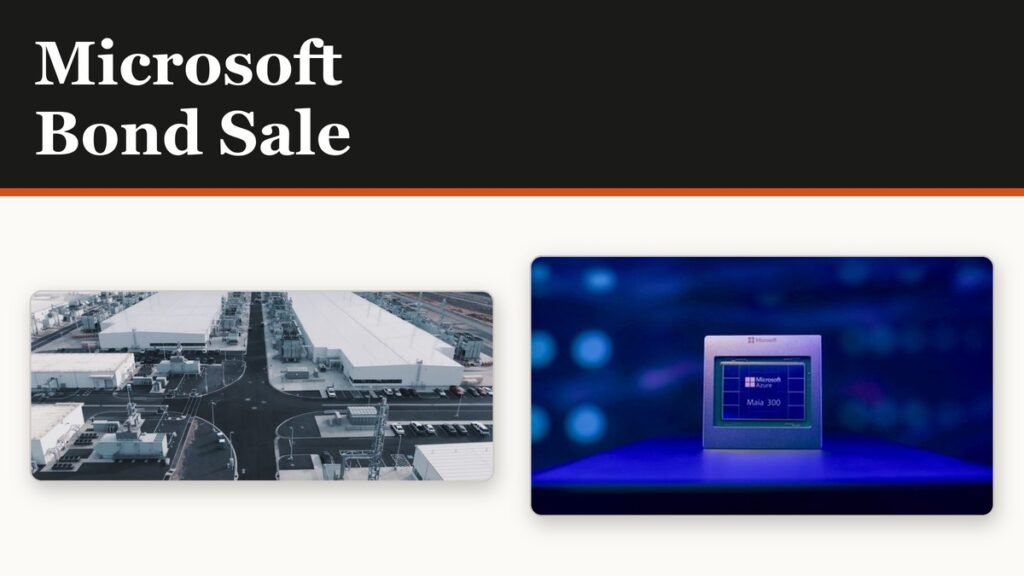
The Microsoft bond sale priced on the evening of 29 October was the company’s first US dollar offering since 2017, and the order book said more about the moment than the size did. Microsoft sold $25bn of senior unsecured notes and investors asked for $115bn of them, roughly 4.6 times the deal.
A company sitting on one of the largest cash positions in corporate history does not borrow casually. The reason is on the same page as the deal: capital spending.
What the Microsoft bond sale actually contained
Ten tranches, with maturities running from 2028 out to 2066. That spread matters, because a forty-year maturity is a bet that whatever the money builds is still generating returns deep into the century, not a short-term funding patch.
Microsoft described the use of proceeds in the standard way, as general corporate purposes including capital expenditures. The specific number behind that phrase arrived the day before, when the company disclosed it expects to spend more than $50bn on capital expenditure in the current quarter alone.
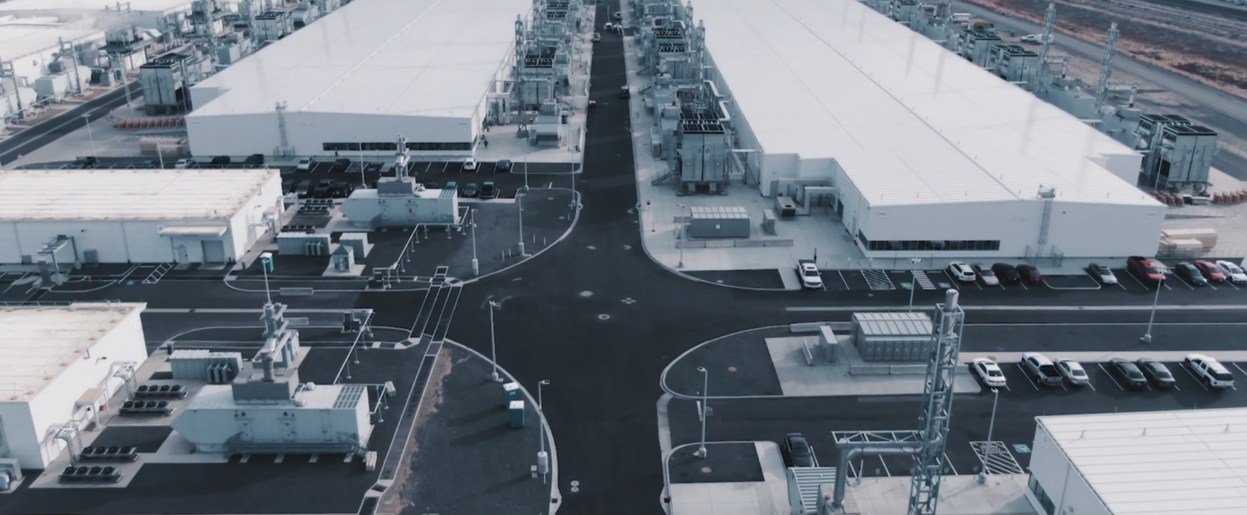
Put against the raise, the two figures line up almost exactly: one quarter of planned capital spending is roughly what the bond market just handed over. The deal does not fund a new ambition so much as pre-fund an existing one.
Nine years between deals
The 2017 offering raised $17bn and was tied in part to the LinkedIn acquisition, which is the shape of borrowing people expect from Microsoft: a specific purchase, a specific sum. This one funds an ongoing build rather than a transaction, which is a different kind of commitment and a harder one to stop.
It also lands in company. Alphabet sold $25bn of bonds in August, and Amazon ran a $25bn sale earlier in the year to a notably cooler reception. Three of the largest cash generators in technology have all chosen to borrow in the same year.
Why the order book is the story
An order book 4.6 times the deal size tells you the bond market will still fund AI infrastructure at scale, and will do it for the right name. That is not a universal condition at the moment. The same week produced a reminder of how quickly sentiment turns on a single company, with Intel falling almost 29% in a session on a weak forecast.
The distinction investors appear to be drawing is between businesses whose revenue already exists and businesses whose revenue depends on the thing being built. Microsoft is firmly in the first group, which is why $115bn turned up.
It is also worth noting what Microsoft did not have to do. The company did not need to offer a novel structure, pledge assets or tie the raise to a named project to clear $25bn. A plain senior unsecured offering was enough.
What it means for the spending cycle
Borrowing changes the arithmetic of an AI build-out. Cash spending can be slowed in a quarter if demand disappoints; debt has to be serviced regardless, and a 2066 maturity is a long time to service. That is the trade Microsoft has chosen to make.
For readers following where the capacity ends up pointing, our comparison of AI image generators covers the consumer end of the same stack, and Quartz reported the raise as it was being assembled.
Related Articles

Get the Fox Bulletin briefing
The stories that matter, in your inbox. No spam, unsubscribe anytime.
Newsletter signup will be available soon.
Related stories
Oracle Cloud Adds Google TPUs and Rival AI Chips
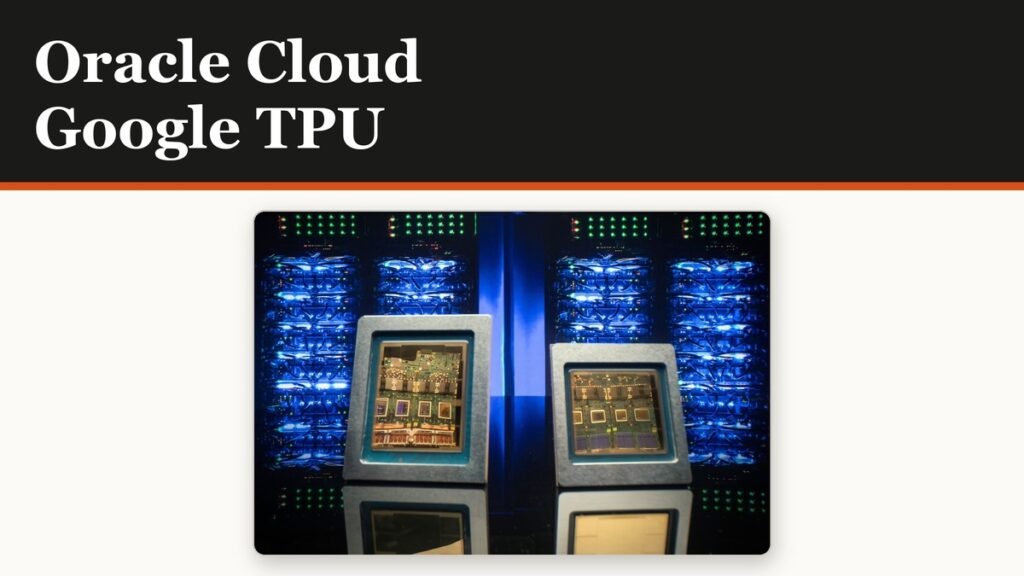
Oracle would be the first major cloud outside Google to offer TPUs, with the eighth generation arriving on OCI during 2027.
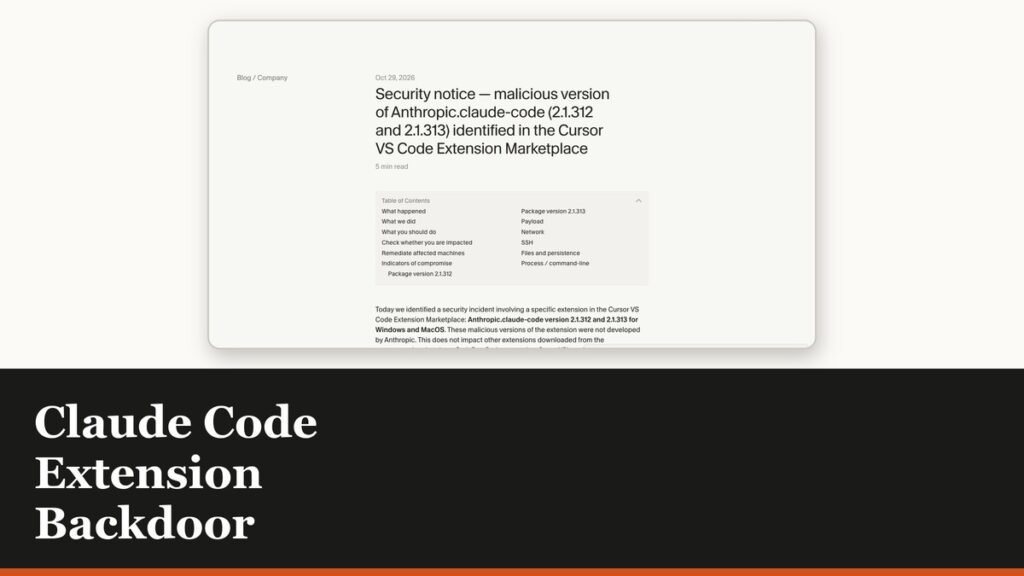
Claude Code Extension Backdoor Hits Cursor Users
Two versions of Anthropic's extension were modified to plant an SSH key and open a reverse tunnel. Cursor took its whole marketplace offline.
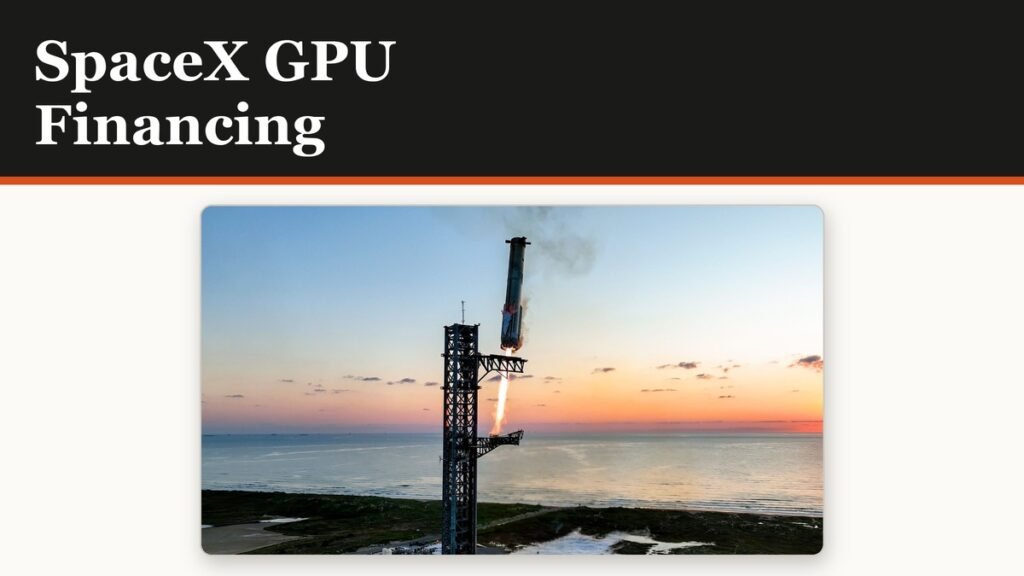
SpaceX Closes $40bn Financing to Buy AI Chips
A rocket company has signed a binding commitment for about $40bn of GPU financing, and its AI unit is now bigger than Starlink and launch combined.