

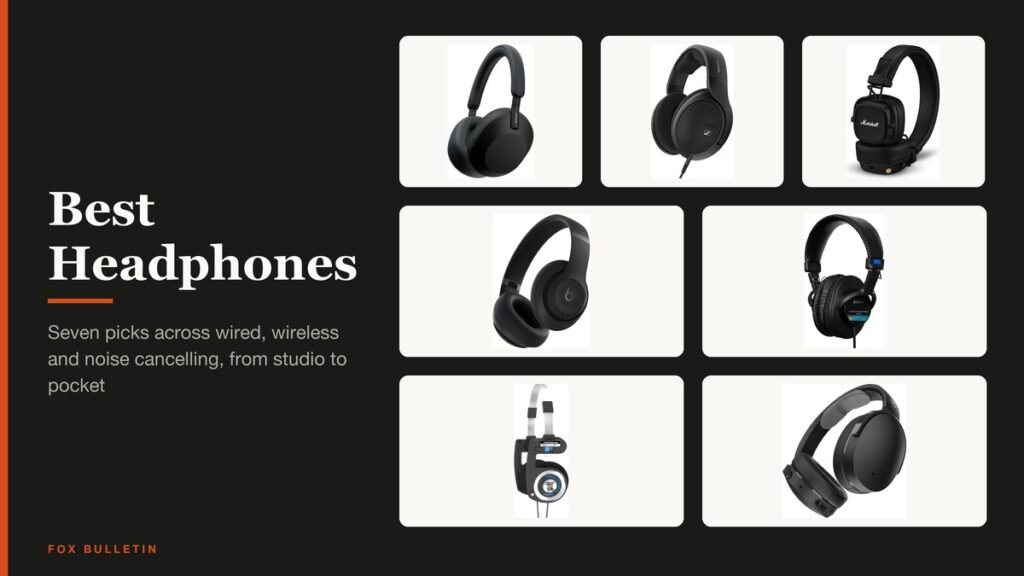
The best headphones in 2026 depend on where you listen: the Sony WH-1000XM5 is the best all-round wireless pair, the Sennheiser HD 560S is the best open-back pair for a quiet room, and the Koss Porta Pro is the longest-serving design, on sale since 1984.
This guide picks seven pairs by design rather than by price: noise cancelling Bluetooth, open-back wired, closed-back studio, on-ear and a budget option. For flagship noise cancelling alone, see our noise cancelling headphones guide.
What Are the Best Headphones to Buy Right Now?
For most people the Sony WH-1000XM5 is the best pair: Sony lists up to 30 hours with noise cancelling on, it folds into a case, and it plays over AAC for iPhones and LDAC for Android. Choose the Sennheiser HD 560S for home listening and the Marshall Major V for a pair that runs for days.
Best Headphones Compared: Design, Connection and Runtime for All 7
| # | Headphones | Design | Connection and runtime |
|---|---|---|---|
| 1 | Sony WH-1000XM5 | Over-ear, closed, noise cancelling | Bluetooth 5.2, up to 30 h with noise cancelling on |
| 2 | Sennheiser HD 560S | Over-ear, open-back, 120 ohm | Wired, 1.80 m cable |
| 3 | Marshall Major V | On-ear, foldable | Bluetooth 5.3 or 3.5 mm, 100+ h claimed |
| 4 | Beats Studio Pro | Over-ear, noise cancelling | Bluetooth, USB-C or 3.5 mm, up to 24 h with noise cancelling on |
| 5 | Sony MDR-7506 | Over-ear, closed, studio | Wired, 9.8 ft fixed cord |
| 6 | Koss Porta Pro | On-ear, 60 ohm | Wired, 4 ft cable |
| 7 | Skullcandy Hesh ANC | Over-ear, noise cancelling | Bluetooth 5.0, up to 22 h with noise cancelling on |
Seven Pairs in Detail: Strengths and Trade-Offs
1. Sony WH-1000XM5: The All-Round Wireless Pick
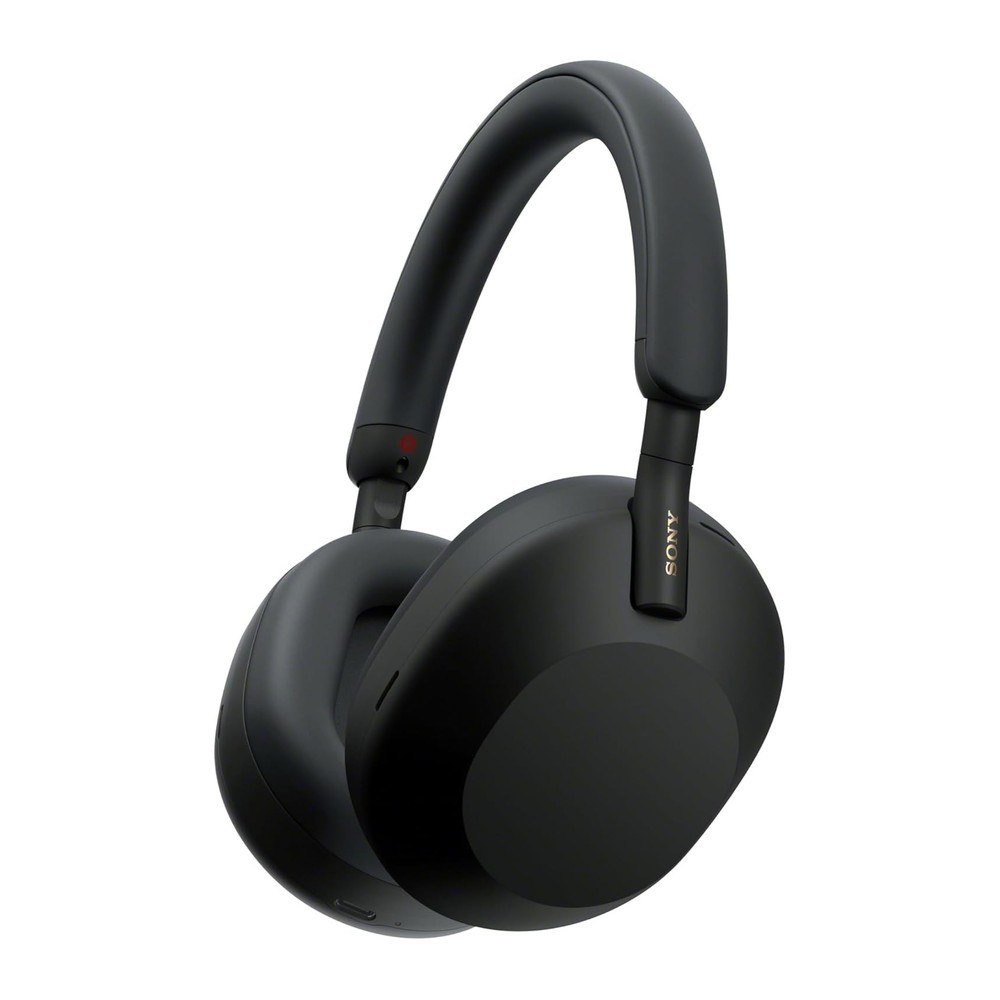
Sony’s help guide lists up to 30 hours of playback with noise cancelling on over AAC, which is what an iPhone uses, and 26 hours over LDAC, a higher-bitrate codec that Android phones can use. Two processors run eight microphones for the noise cancelling, and the pair weighs about 250 g.
Three minutes on a USB-C charger buys about an hour of music and ten minutes buys about five, so a forgotten charge costs little. Sony has since launched the WH-1000XM6, which our noise cancelling headphones guide covers; the XM5 is the earlier model in the same family.
What it does well
- Supports SBC, AAC and LDAC, so it adapts to both iPhone and Android
- Carry case included, and two devices pair at once
What to know before buying
- Louder LDAC mode trims the 30 hours to 26
- Wired listening needs the pair switched on, so it is not a passive wired pair
2. Sennheiser HD 560S: The Open-Back Pair for Home Listening
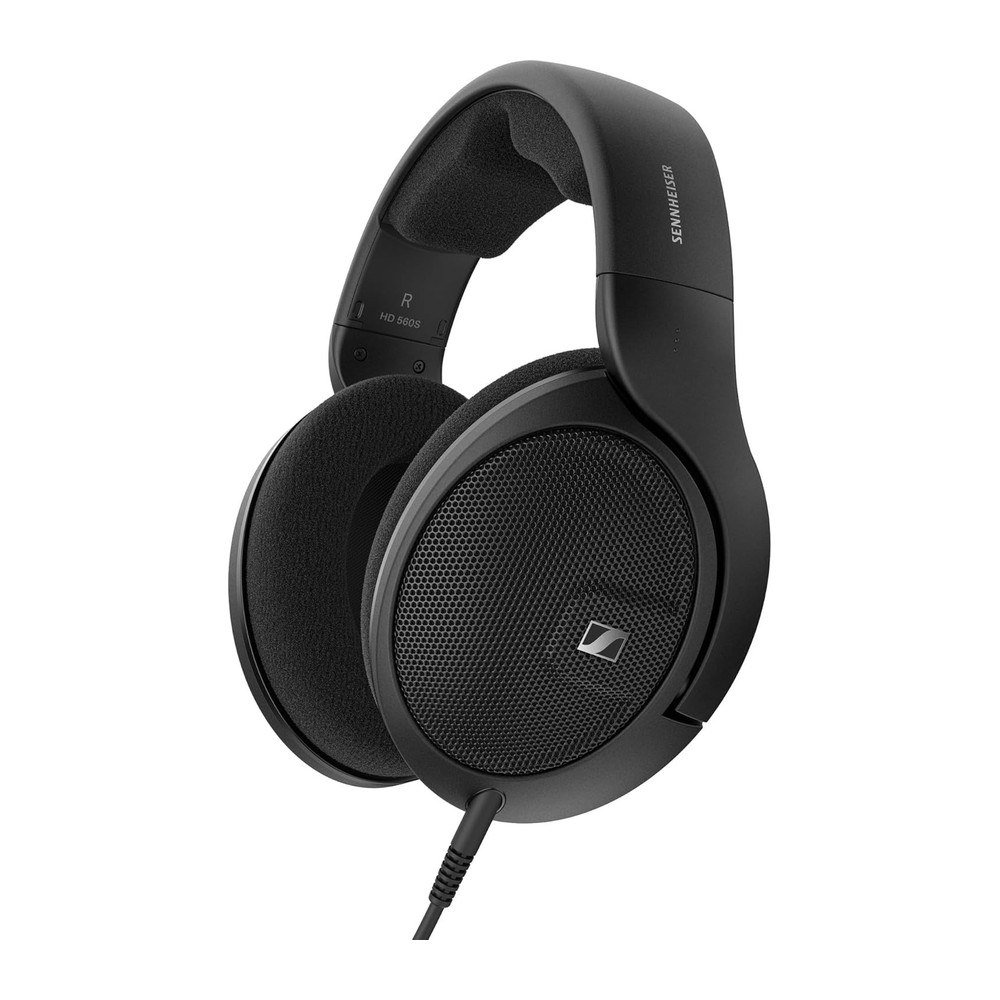
The HD 560S is an open-back design built around a new 120 ohm transducer, with angled drivers that Sennheiser says recreate the best listening position without room treatment. The comfort chassis is borrowed from the lightweight HD 599.
It ships with a 1.80 m cable, a 3.5 mm plug and a screw-on 6.3 mm adapter, plus a 2-year warranty from Sennheiser. Open earcups let sound out as well as in, so this is a pair for a quiet room, not a train.
What it does well
- Open earcups give a wider, airier stage than sealed pairs
- Plug and adapter cover phones, laptops and desktop amps
What to know before buying
- Leaks sound to people nearby and lets room noise in
- At 120 ohm it needs more voltage, so loudness drops on weak outputs such as phones
3. Marshall Major V: The On-Ear Pair That Lasts Days
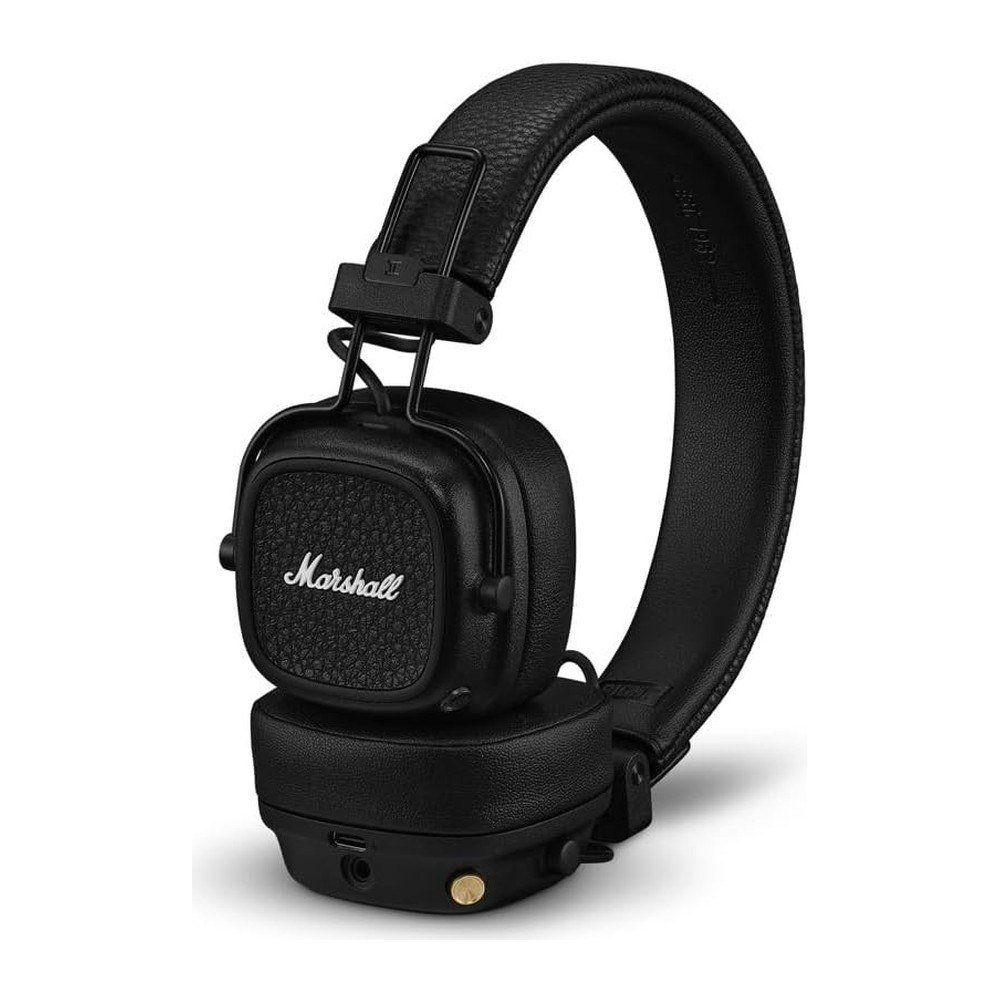
Marshall claims 100+ hours of wireless playtime, and 15 minutes of charging gives 15 hours. The pair weighs 186 g, folds flat, and charges on a wireless pad or over USB-C.
Bluetooth 5.3 carries SBC, AAC and LC3, and a 3.5 mm port takes a cable for planes or flat batteries. There is no noise cancelling, so the 32 ohm drivers rely on the on-ear pads alone.
What it does well
- Longest runtime in this guide, with wireless charging
- M-button opens Spotify, EQ or a voice assistant
What to know before buying
- On-ear pads press on the ears, so long sessions suit some heads better than others
- No active noise cancelling
4. Beats Studio Pro: Noise Cancelling for iPhone and Android
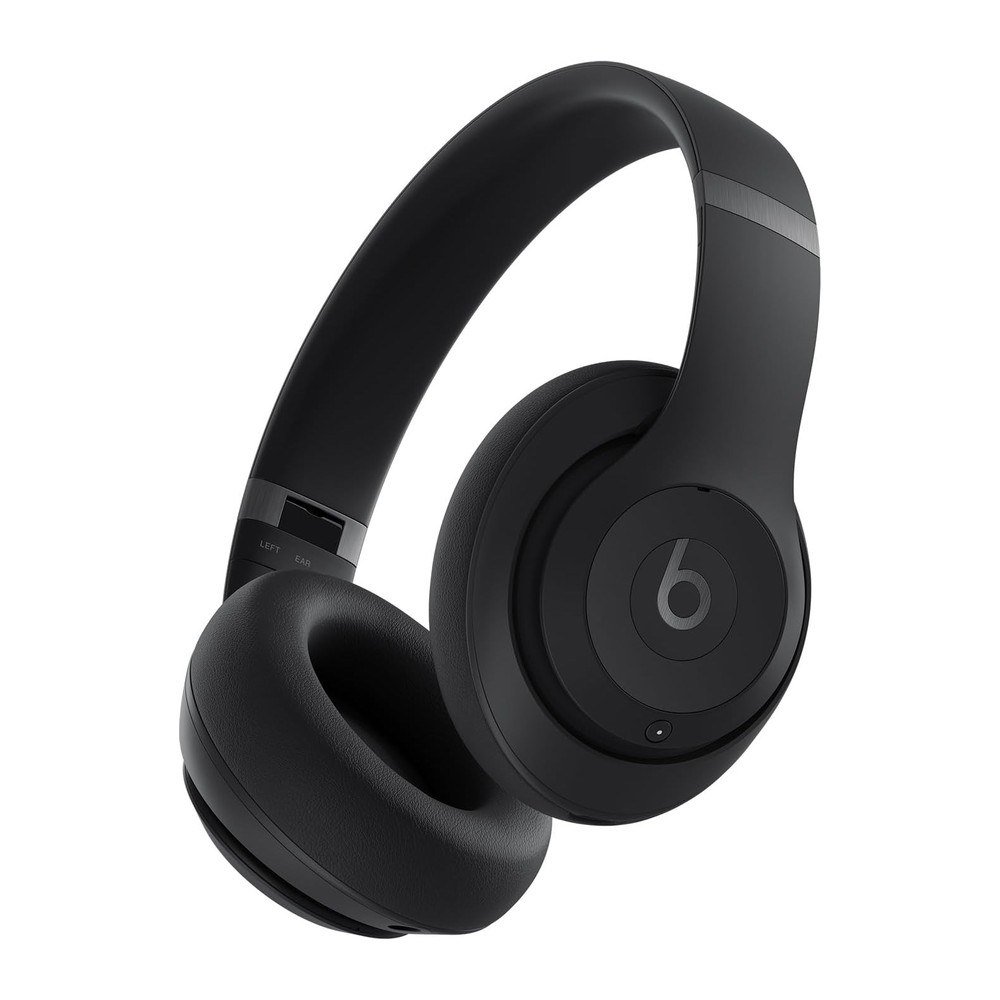
Beats lists up to 40 hours with noise cancelling off and 24 hours with noise cancelling or Transparency mode on. A 10-minute Fast Fuel charge gives up to 4 hours, and the pair weighs 260 g.
It works with Apple and Android, with Google Fast Pair on Android, and a USB-C cable gives lossless audio. A 3.5 mm cable is in the box for the analog input, so a dead battery does not end the flight.
What it does well
- Wired USB-C lossless and a 3.5 mm cable both included
- Class 1 Bluetooth for steadier range
What to know before buying
- 24 hours with noise cancelling on trails Sony’s 30
- At 260 g it is slightly heavier than the 250 g Sony XM5
5. Sony MDR-7506: The Studio Standard
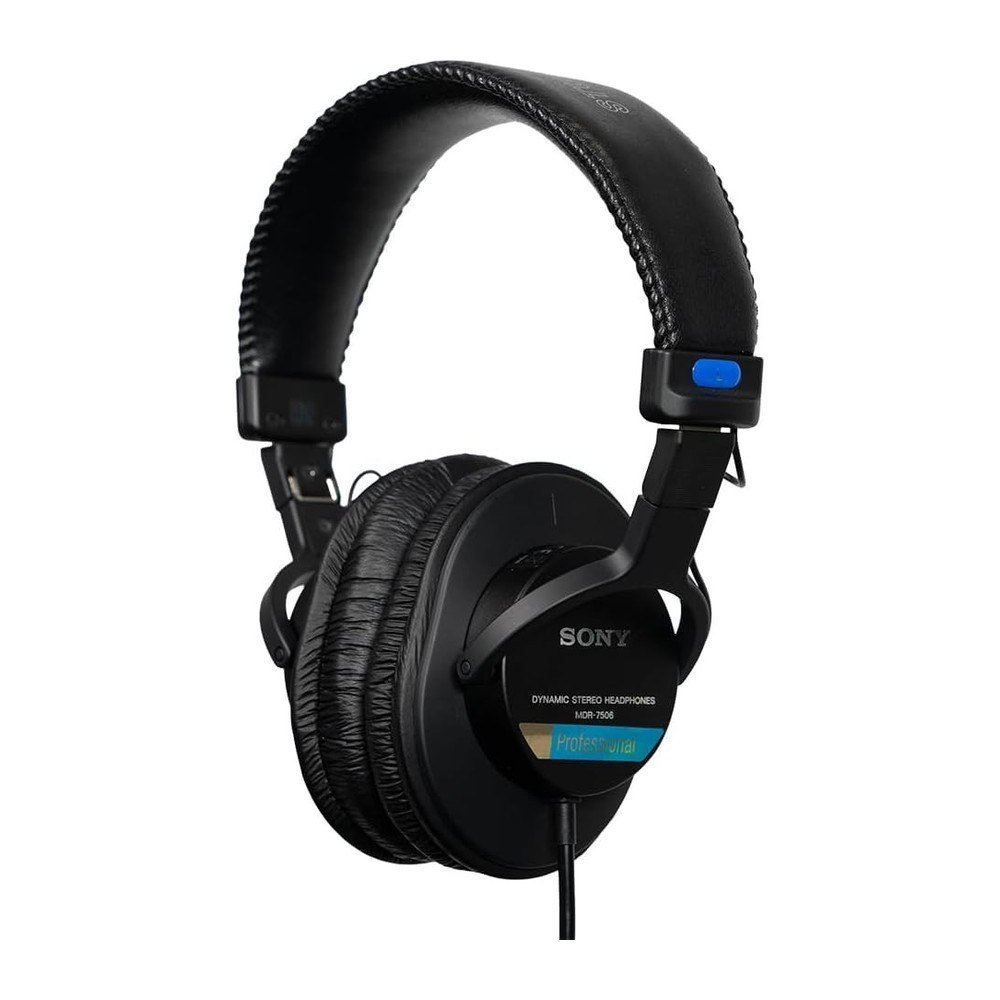
Sony says broadcast and recording studios use the MDR-7506 daily. It has 40 mm neodymium drivers, a 10 Hz to 20 kHz response, a closed-ear design and a folding frame.
A carry pouch and a gold-plated 3.5/6.3 mm adaptor come in the box. It does not do active noise cancelling, only passive isolation, and the 9.8-foot cord is fixed in place.
What it does well
- Folds for a bag and covers phone and studio jacks
- Closed-back isolation for video editing and field recording
What to know before buying
- Fixed cord: a break means a repair, not a cable swap
- No Bluetooth or active noise cancelling
6. Koss Porta Pro: The 1984 Design Still Selling
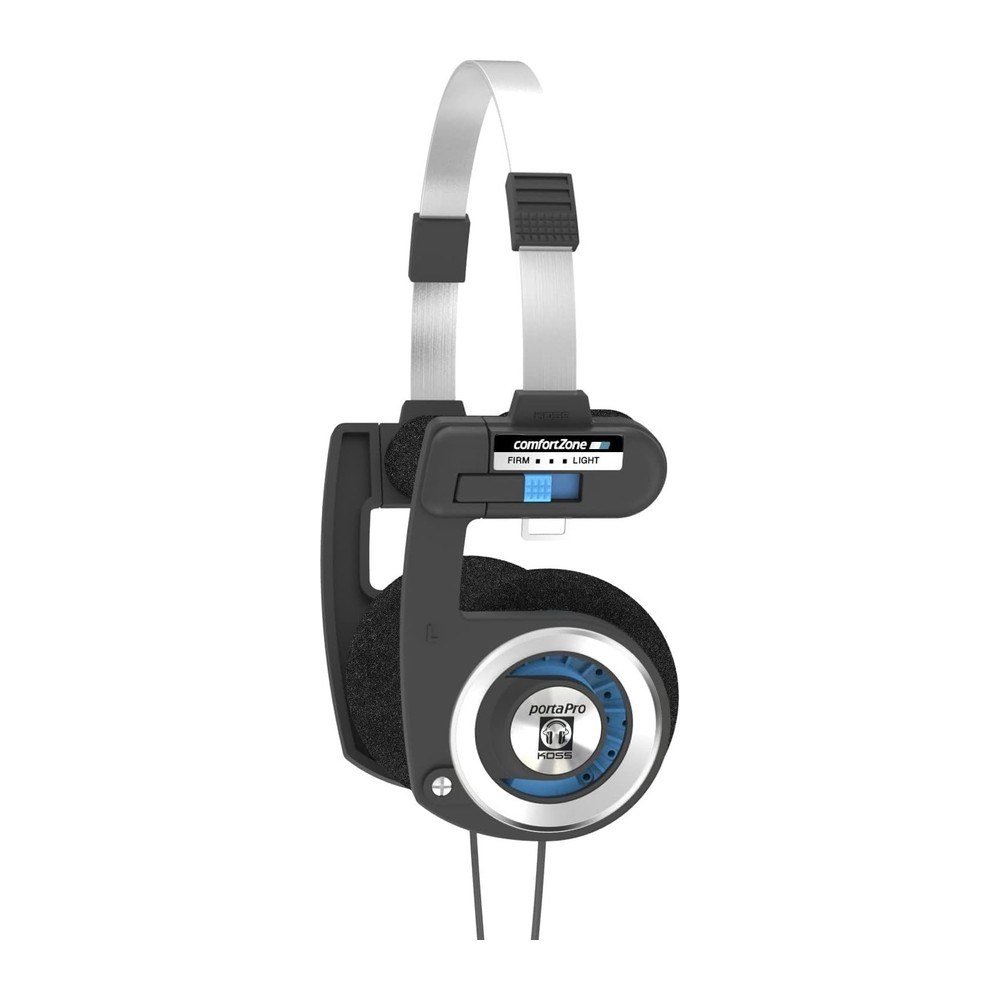
Koss introduced the Porta Pro in 1984. It covers 15 to 25,000 Hz, has 60 ohm impedance and 101 dB SPL per mW, and ends in a 4 ft cable with a standard 3.5 mm plug. The pair weighs 79 g.
It folds small enough for a pocket and carries a Limited Lifetime Warranty, far longer than the Sennheiser and Skullcandy terms. The trade is a short cable, no batteries and no noise cancelling.
What it does well
- Lightest pair here, with a lifetime warranty
- No charging, pairing or app
What to know before buying
- 4 ft cable is short for desk use
- Needs a 3.5 mm jack or USB-C adapter on newer phones
7. Skullcandy Hesh ANC: The Foldable Noise Canceller
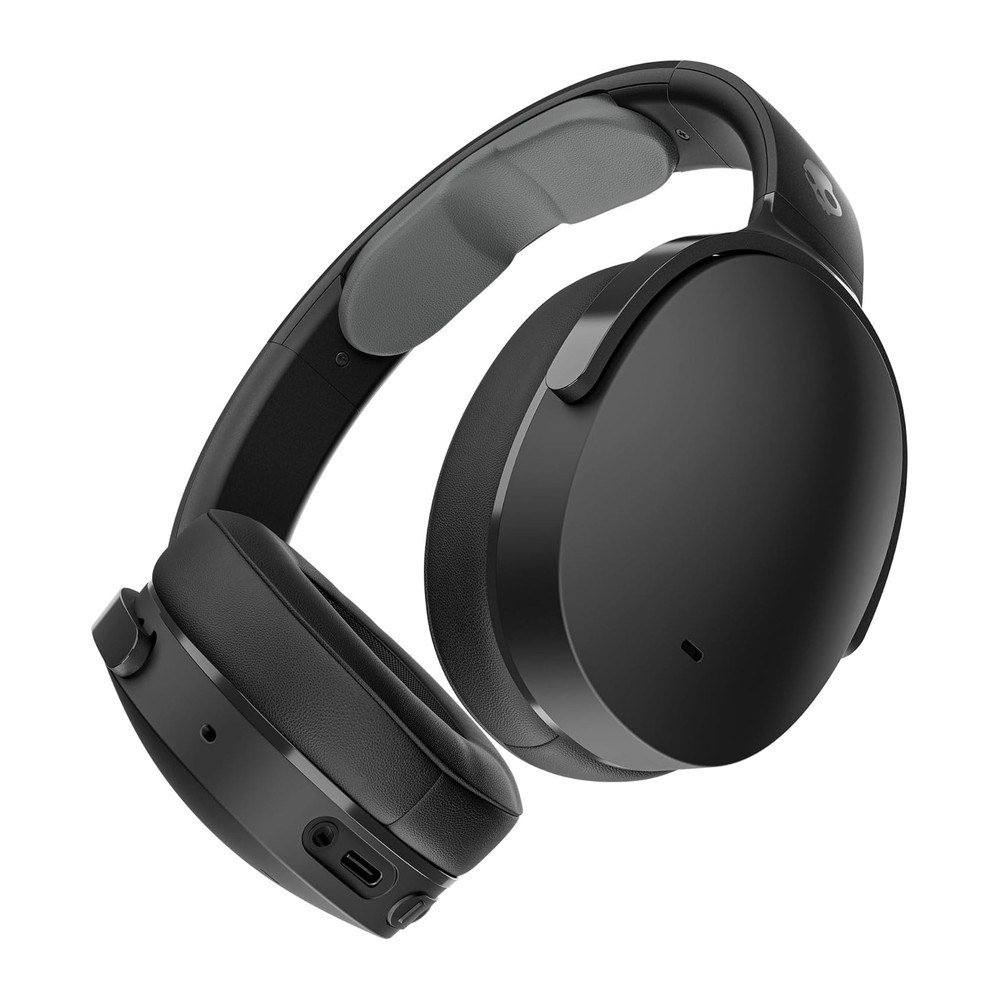
Skullcandy lists up to 22 hours of playtime with noise cancelling on and up to 30 hours with it off. Ten minutes of charge gives three hours, and a full charge over USB-C takes about two.
It folds flat, uses four microphones for the noise cancelling and adds a Tile finding feature. Skullcandy backs it with a one-year warranty, shorter than the Koss or Sennheiser terms.
What it does well
- Noise cancelling in a flat-folding frame
- Flat-folding frame for a bag
What to know before buying
- 22 hours with noise cancelling on is the shortest runtime here
- Bluetooth 5.0 is older than the 5.2 and 5.3 in the Sony and Marshall pairs
Open-Back, Closed-Back and On-Ear: Which Design Fits Your Room
Open-back headphones leak sound out and let ambient sound in, while closed-back designs block some outside noise and tend to produce stronger low frequencies. Passive isolation on a closed-back pair runs roughly 8 to 12 dB, far more than an open back gives.
Over-ear (circumaural) pads surround the ear, and on-ear (supra-aural) pads press on it and block less outside noise. Pair 3 and pair 6 are on-ear, which makes them lighter and easier to pocket but less isolating. Active noise cancelling, on pairs 1, 4 and 7, works best on steady low-frequency sound such as engines.
- Quiet room at home: open-back, pair 2.
- Train, plane or office: closed-back with noise cancelling, pairs 1, 4 or 7.
- Recording, editing, podcasts: closed-back wired, pair 5.
- Pocket and travel: on-ear foldable, pairs 3 or 6.
Wired, Bluetooth and Safe Volume: What the Specs Mean
Impedance sets how much voltage a pair needs. From 16 to 32 ohms counts as low and 100 to 600 ohms as high, so the 120 ohm HD 560S sits at the start of the high range. The 32 ohm Marshall and 60 ohm Koss are easier for a phone to drive.
Over Bluetooth the XM5 runs SBC, AAC and LDAC. LDAC reaches up to 990 kbps, against a mandatory 512 kbit/s stereo ceiling for SBC. Recent iPhones and many Android phones have no 3.5 mm jack, so wired pairs need a USB-C adapter.
Loudness matters as much as codecs. The WHO-ITU safe listening standard sets 80 dB for 40 hours a week for adults and 75 dB for children. Noise cancelling and closed-back isolation let you listen at a lower volume.
Which Headphones to Buy
Buy the Sony WH-1000XM5 if you want one pair for commuting, calls and travel. Buy the Beats Studio Pro if you move between an iPhone and an Android phone, and the Skullcandy Hesh ANC for a folding pair with noise cancelling.
Buy the Sennheiser HD 560S or Sony MDR-7506 for wired listening at a desk, and the Marshall Major V or Koss Porta Pro for something light that lasts. For earbuds instead, see our wireless earbuds guide, and for games, our gaming headsets guide.
Frequently Asked Questions
Do wired headphones sound better than wireless?
Not automatically. A wired pair avoids Bluetooth compression and never needs charging, but sound quality also depends on the drivers and tuning. The Beats Studio Pro and Sony XM5 both offer wired options, so you can compare them.
What is the difference between open-back and closed-back headphones?
Open-back earcups let sound pass through, giving a wider soundstage but leaking to people nearby. Closed-back earcups seal in the sound and block some outside noise.
Are over-ear or on-ear headphones better?
Over-ear pairs surround the ears and isolate more, which suits commuting and long sessions. On-ear pairs such as the Marshall Major V and Koss Porta Pro are smaller and lighter but press on the ears.
What impedance do headphones need?
Phones drive 16 to 32 ohm pairs comfortably. A 120 ohm pair such as the HD 560S plays louder and cleaner from a headphone amplifier or a laptop with a strong output.
Related Articles
- Best Noise Cancelling Earbuds: AirPods Pro 3 Alternatives
- Best Bluetooth Speaker: 7 Picks by Size and Use
- Spotify Lossless: How to Turn It On and How It Compares
As an Amazon Associate, Fox Bulletin earns from qualifying purchases.

Get the Fox Bulletin briefing
The stories that matter, in your inbox. No spam, unsubscribe anytime.
Newsletter signup will be available soon.
Related stories

Best VPN: 7 Services Compared on Audits and Privacy
Seven VPN services compared on no-logs audits, server countries, simultaneous devices, platforms and kill-switch behavior, with prices only where a service lists them in US dollars.

Best Laptop: 7 Picks for Every Budget and Job
Seven laptops that cover every kind of buyer, from a MacBook Air to a Chromebook Plus, with the chip, memory and storage each listing confirms and the specs worth paying for.
WiFi Not Working? Fixes in the Order to Try Them
Wifi not working? Find out whether one device or all of them are offline, restart the modem and router correctly, then fix iPhone, Android and Windows in the order that wastes the least time.