

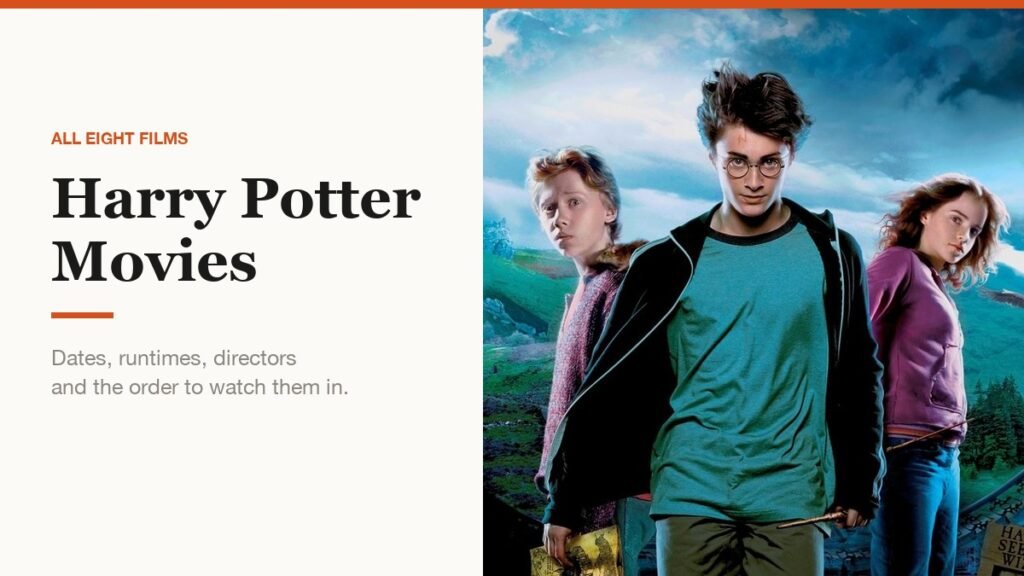
There are eight Harry Potter movies, released between 2001 and 2011, and they run to 19 hours and 38 minutes in total. Each one adapts a single book except the last, which was split in two, so the eight films cover seven novels.
Below is every film in order with its United States release date, runtime, director and rating, followed by the four directors who handled them and where the three Fantastic Beasts films sit in the same story.
All Eight Harry Potter Movies
Release order and story order are the same thing for these eight. Harry ages a year per film, the cast ages with him, and nothing in the series is told out of sequence.
| # | Film | US release | Runtime | Director | Rated |
|---|---|---|---|---|---|
| 1 | Sorcerer’s Stone | 16 November 2001 | 2h 32m | Chris Columbus | PG |
| 2 | Chamber of Secrets | 15 November 2002 | 2h 41m | Chris Columbus | PG |
| 3 | Prisoner of Azkaban | 4 June 2004 | 2h 21m | Alfonso Cuarón | PG |
| 4 | Goblet of Fire | 18 November 2005 | 2h 37m | Mike Newell | PG-13 |
| 5 | Order of the Phoenix | 11 July 2007 | 2h 18m | David Yates | PG-13 |
| 6 | Half-Blood Prince | 15 July 2009 | 2h 33m | David Yates | PG |
| 7 | Deathly Hallows: Part 1 | 19 November 2010 | 2h 26m | David Yates | PG-13 |
| 8 | Deathly Hallows: Part 2 | 15 July 2011 | 2h 10m | David Yates | PG-13 |
The runtimes do not climb the way the books do. Chamber of Secrets is the longest at 161 minutes and Deathly Hallows: Part 2 the shortest at 130, even though the final book is roughly twice the length of the second.
Every Film in Order
Each entry below gives the poster, the figures and what actually happens, in the order the films were released and the order they should be watched.
1. Harry Potter and the Sorcerer’s Stone
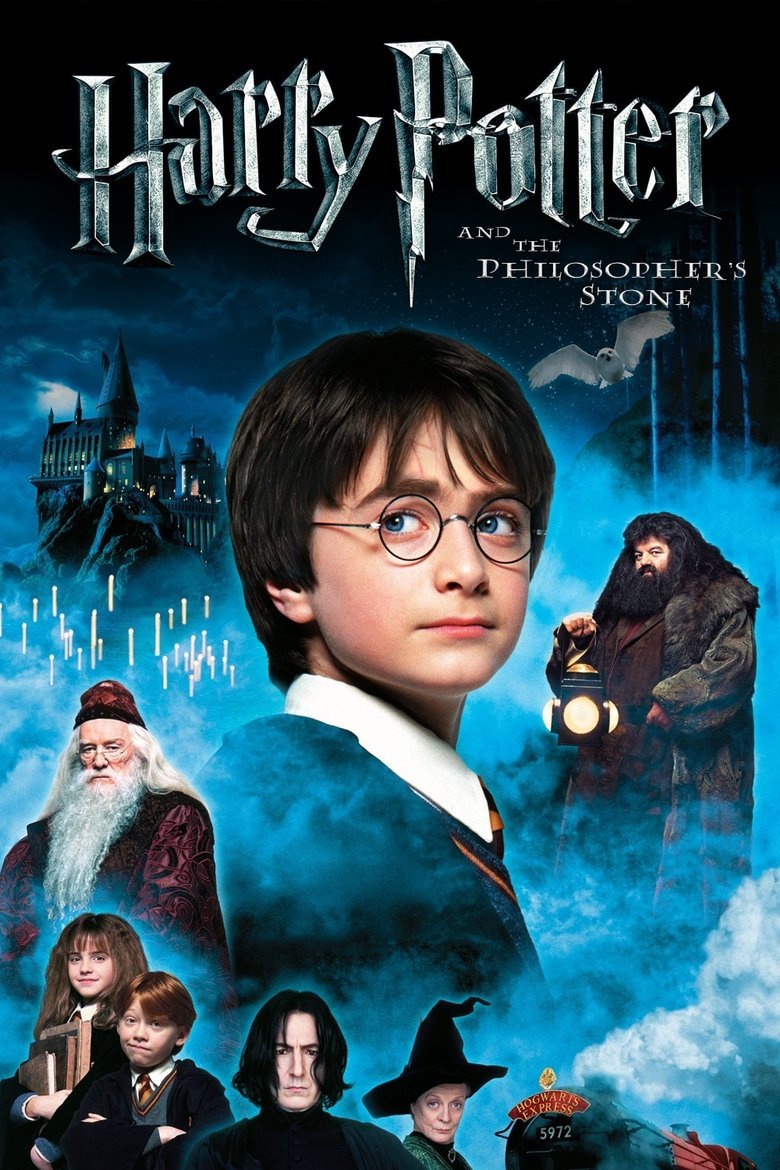
Released 16 November 2001 in the US. 2h 32m. Directed by Chris Columbus. Rated PG.
Harry learns he is a wizard on his eleventh birthday and arrives at Hogwarts, where he finds a three-headed dog guarding a stone that can grant eternal life. Released outside the United States as Harry Potter and the Philosopher’s Stone, which is the title on the poster above and the one the book carries everywhere except America.
2. Harry Potter and the Chamber of Secrets
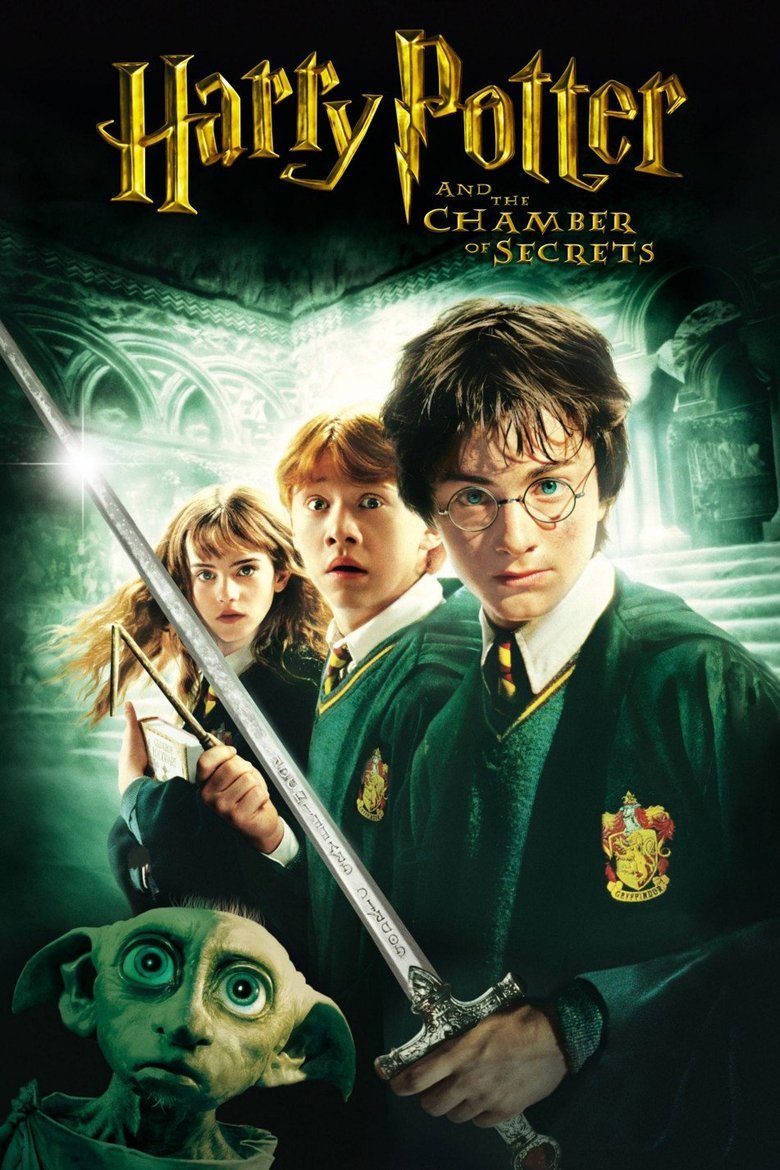
Released 15 November 2002 in the US. 2h 41m. Directed by Chris Columbus. Rated PG.
A house-elf warns Harry away from Hogwarts, students start turning to stone, and a diary writes back. At 161 minutes it is the longest film in the series, and the last before the tone darkens for good.
3. Harry Potter and the Prisoner of Azkaban
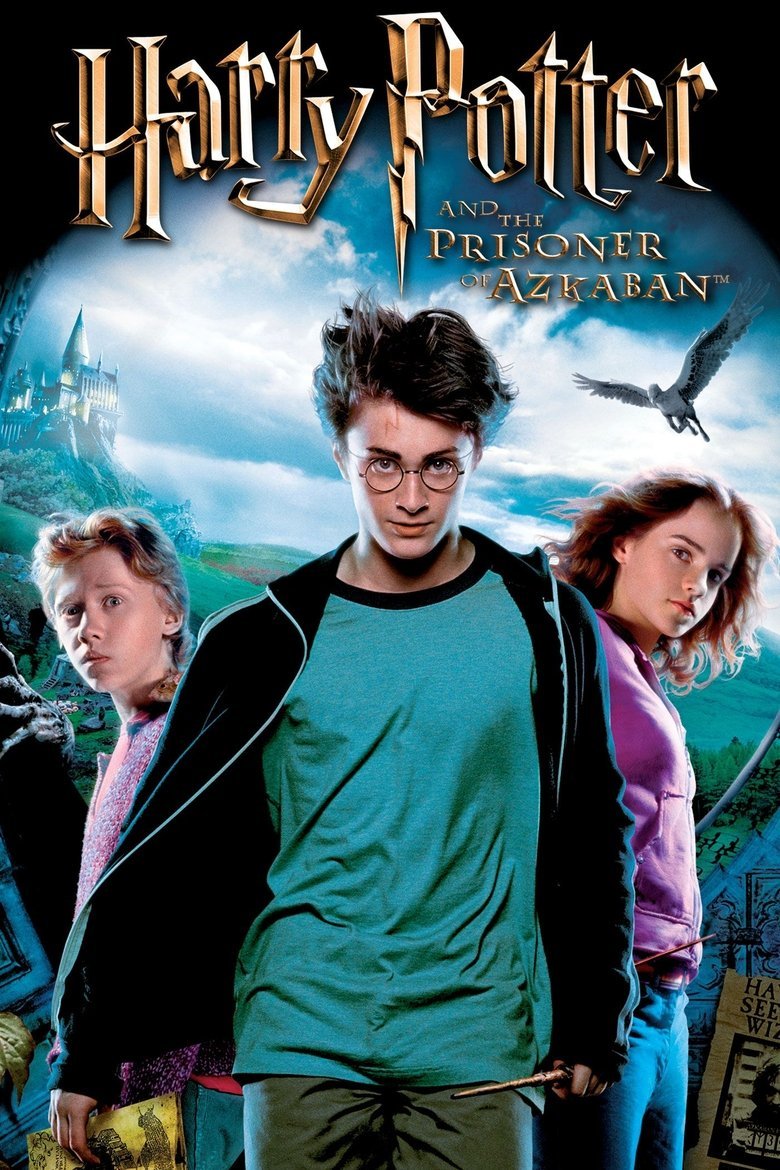
Released 4 June 2004 in the US. 2h 21m. Directed by Alfonso Cuarón. Rated PG.
An escaped prisoner is hunting Harry and the school is ringed by dementors. Alfonso Cuarón replaced Chris Columbus and changed the look of the series completely, dropping the storybook brightness for weather, grey light and handheld cameras.
4. Harry Potter and the Goblet of Fire
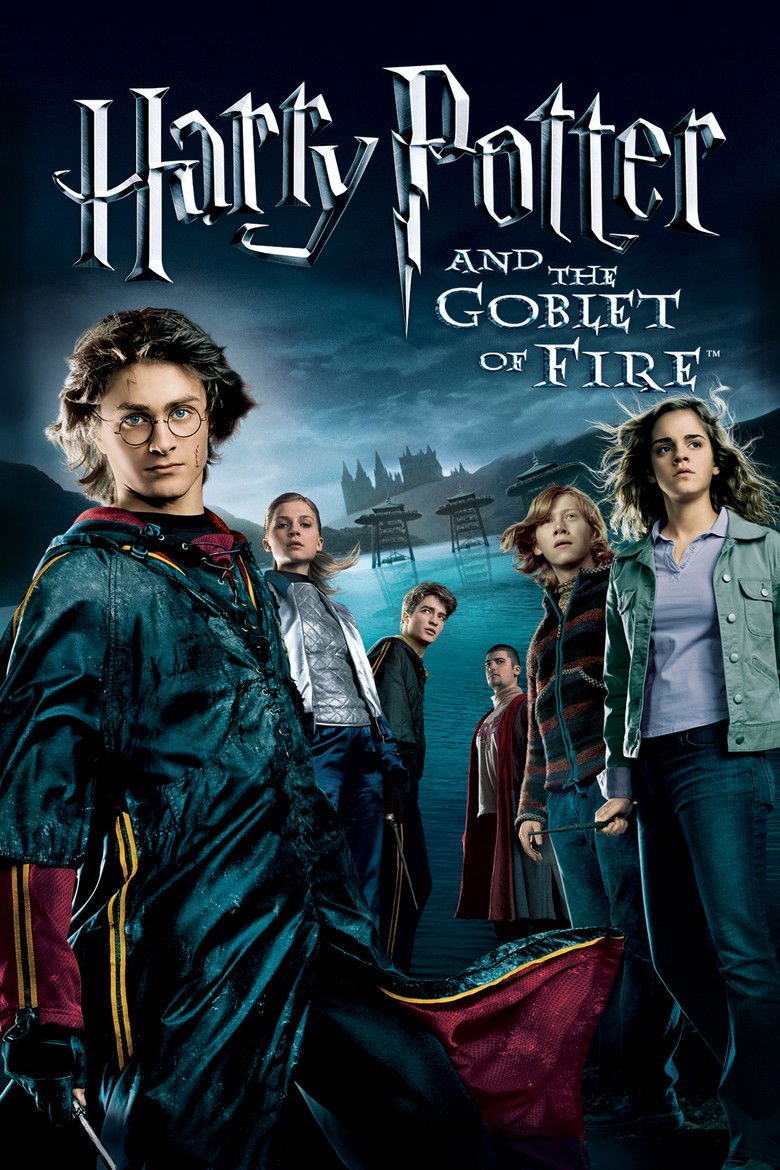
Released 18 November 2005 in the US. 2h 37m. Directed by Mike Newell. Rated PG-13.
Harry is entered into a lethal international tournament he is too young to compete in, and the final task ends in a graveyard. This is the first film in the series rated PG-13 rather than PG, and the point at which the books stop being children’s books.
5. Harry Potter and the Order of the Phoenix
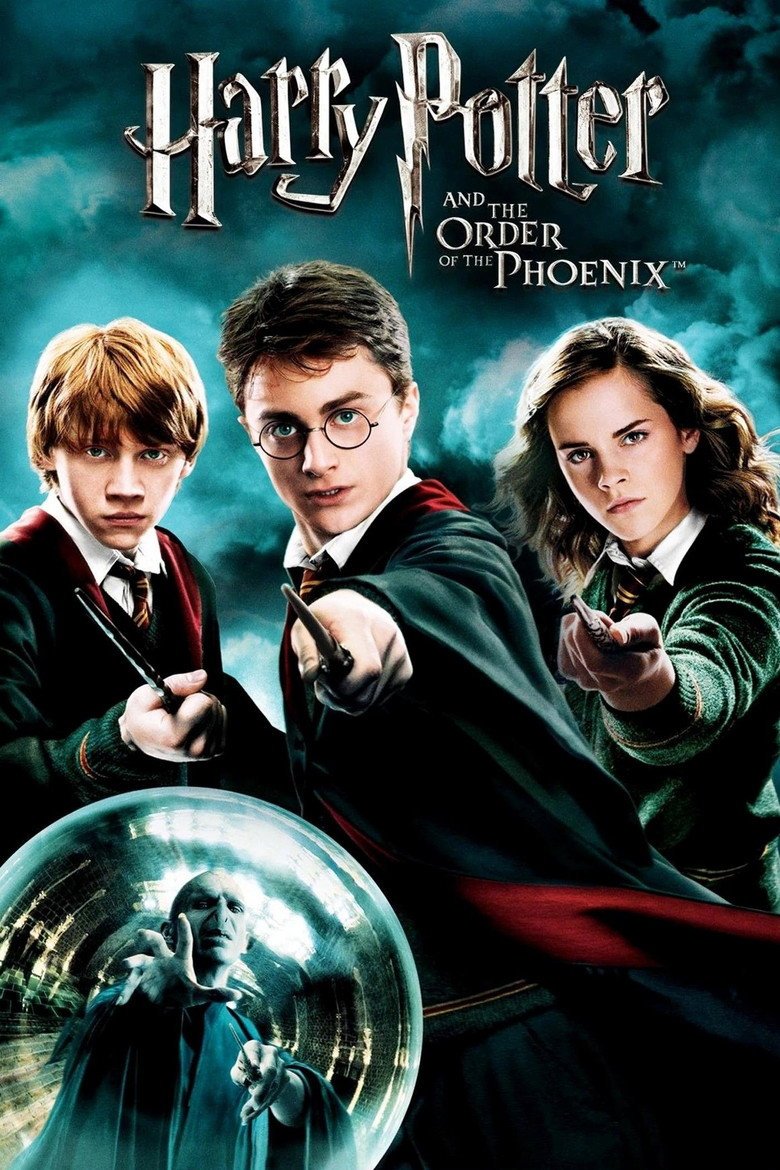
Released 11 July 2007 in the US. 2h 18m. Directed by David Yates. Rated PG-13.
The Ministry refuses to accept that Voldemort has returned and installs Dolores Umbridge at Hogwarts. David Yates takes over and directs every remaining film. At 138 minutes it is the shortest adaptation of the longest book.
6. Harry Potter and the Half-Blood Prince
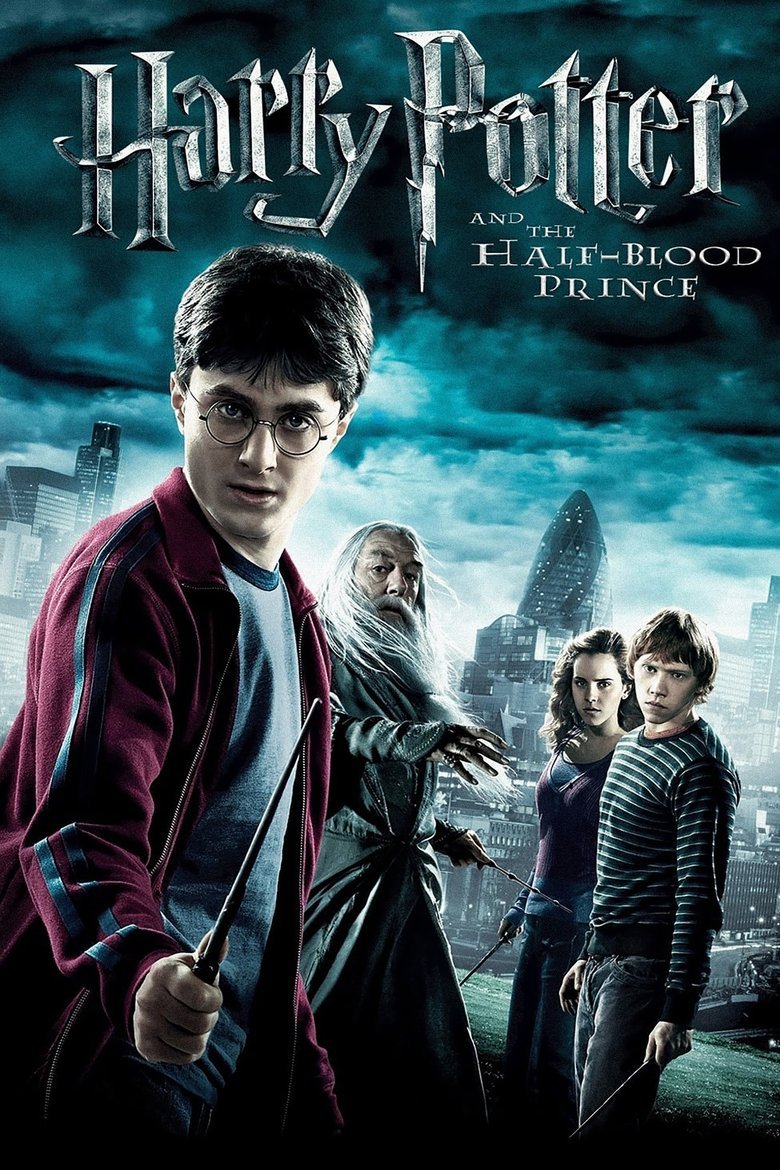
Released 15 July 2009 in the US. 2h 33m. Directed by David Yates. Rated PG.
Harry finds a textbook annotated by a previous owner while Dumbledore walks him through Voldemort’s past. Despite being the second-darkest entry it carries a PG rating, the last film in the series to do so.
7. Harry Potter and the Deathly Hallows: Part 1
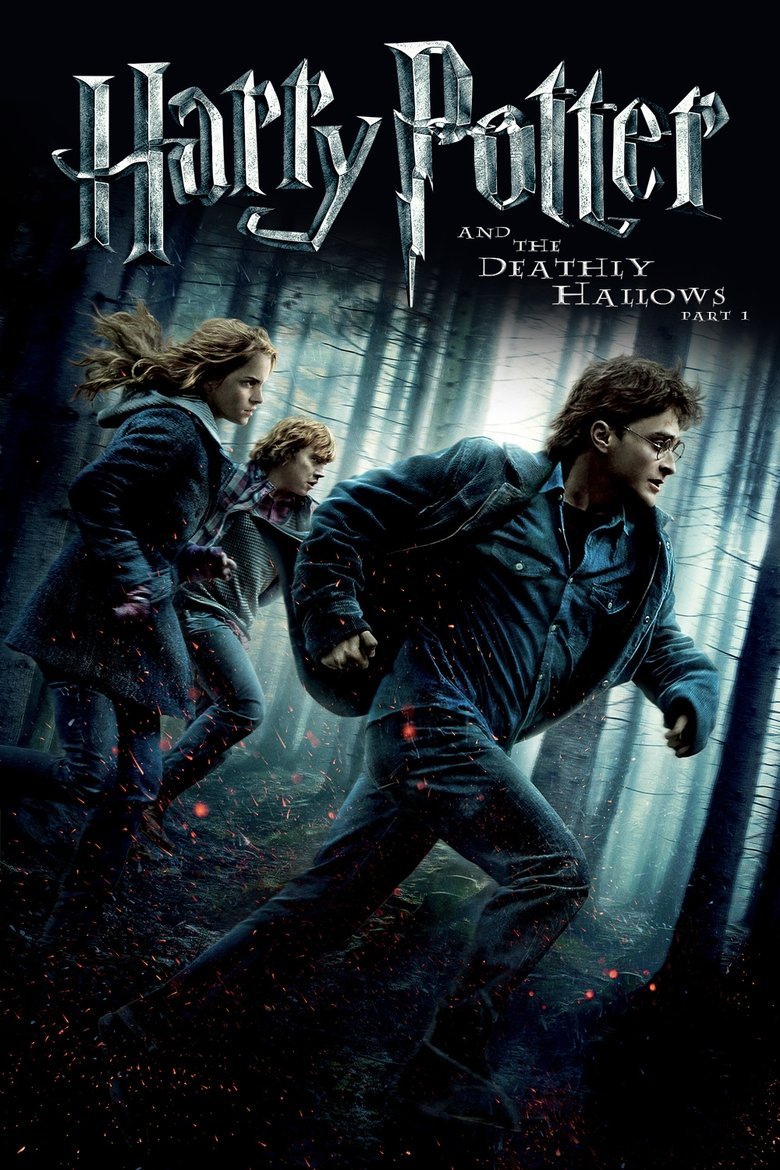
Released 19 November 2010 in the US. 2h 26m. Directed by David Yates. Rated PG-13.
No Hogwarts, no lessons, and three teenagers camping across Britain hunting objects they cannot destroy. Splitting the last book in two gave this half room to be slow, which is either its weakness or the reason it works.
8. Harry Potter and the Deathly Hallows: Part 2
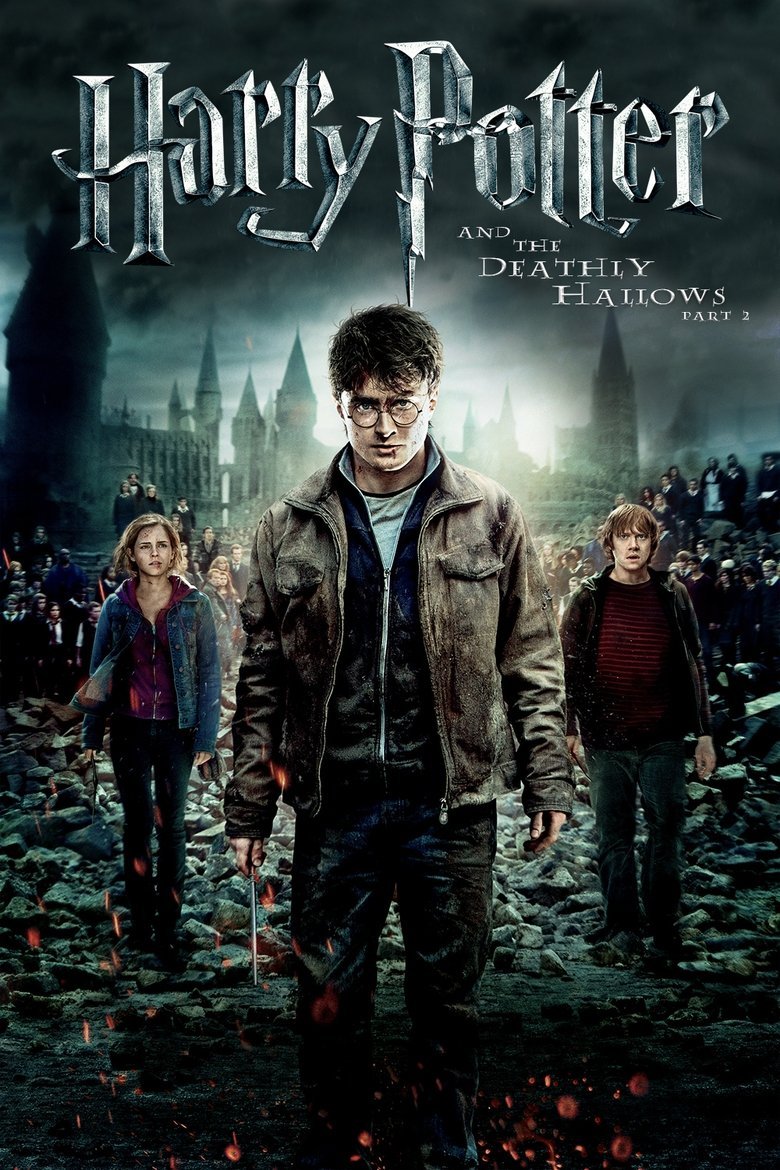
Released 15 July 2011 in the US. 2h 10m. Directed by David Yates. Rated PG-13.
The Battle of Hogwarts, start to finish. At 130 minutes it is the shortest film in the series and the only one that is almost entirely one continuous sequence.
Four Directors, Four Different Films
The series changed hands three times, and each handover is visible on screen. This is unusual for a franchise shot back to back over a decade, and it is the main reason the eight films do not feel like one long object.
| Director | Films | What changed |
|---|---|---|
| Chris Columbus | 1 and 2 | Bright, faithful and storybook, establishing the look of Hogwarts |
| Alfonso Cuarón | 3 | Grey, weathered and handheld, the single biggest tonal break in the series |
| Mike Newell | 4 | The only British director of the eight films, and the most overtly a thriller |
| David Yates | 5 to 8 | Four consecutive films, plus all three Fantastic Beasts |
Cuarón’s single film is the clearest break. He kept the cast and the story and changed almost everything else, from the uniforms to the camera, and the four Yates films that follow are closer to his version than to the two before it. A franchise handing a whole phase to one director is the exception rather than the rule, as our run through the Marvel movies in order shows.
Where Fantastic Beasts Fits
Three more films sit in the same world, all directed by David Yates. They are prequels by setting rather than sequels by story, and nothing in them is required to follow the eight.
| Film | US release | Runtime | Director |
|---|---|---|---|
| Fantastic Beasts and Where to Find Them | 18 November 2016 | 2h 13m | David Yates |
| Fantastic Beasts: The Crimes of Grindelwald | 16 November 2018 | 2h 14m | David Yates |
| Fantastic Beasts: The Secrets of Dumbledore | 15 April 2022 | 2h 22m | David Yates |
The first is set in 1926 New York, generations before Harry is born, and the trilogy stays in the 1920s and 1930s throughout. Its subject is Gellert Grindelwald and the young Albus Dumbledore, which is the backstory Dumbledore alludes to in the later Potter films.
Casting changed mid-trilogy. Johnny Depp played Grindelwald in the second film before Mads Mikkelsen took the role for the third, which is one of the more visible recastings in a modern franchise, and sits alongside the range covered in our look at the best Johnny Depp movies.
The Split That Set the Pattern
Deathly Hallows was the first major young-adult adaptation cut into two films, and it changed how studios finish a series.
- The book is the longest in the series, and a single film would have had to cut most of the hunt that occupies its middle.
- Part 1 has almost no Hogwarts. It is a road film about three teenagers with no adults and no plan.
- Part 2 is almost entirely one battle, which is why it is the shortest film despite being the climax of everything.
- The two were shot as one production and released eight months apart.
- Every franchise since has considered it. Splitting a finale became a standard option after this, for better and worse.
Watching the Eight in a Row
- Allow 19 hours and 38 minutes for the eight films, or about 26 and a half hours if the Fantastic Beasts trilogy is included.
- Stay in release order. There is no alternative chronology to consider within the eight; the story is linear.
- Treat film 3 as the turn. Prisoner of Azkaban is where the series stops being for children, and the two before it are noticeably lighter.
- Watch the two Deathly Hallows parts together if you can. They were written as one film and Part 1 does not resolve anything.
- Save Fantastic Beasts for afterwards. It leans on knowing who Dumbledore and Grindelwald are, so it plays better as an epilogue than a prologue.
For a marathon spread over several evenings, the natural breaks are after film 2, after film 4 and after film 6, which splits the series into three pairs and a finale. It is a longer sitting than almost any other franchise, and considerably longer than any single night of the best romance movies.
Frequently Asked Questions
How many Harry Potter movies are there?
Eight, released between 2001 and 2011. They adapt seven books, because the final novel was split into two films. Three Fantastic Beasts films set in the same world bring the total to eleven.
What order should I watch the Harry Potter movies in?
Release order, which is also story order: Sorcerer’s Stone, Chamber of Secrets, Prisoner of Azkaban, Goblet of Fire, Order of the Phoenix, Half-Blood Prince, then Deathly Hallows Part 1 and Part 2.
How long are all the Harry Potter movies together?
19 hours and 38 minutes for the eight films. Adding the three Fantastic Beasts films takes the wizarding world total to 26 hours and 27 minutes.
Why is the first film called two different things?
It was released as Harry Potter and the Sorcerer’s Stone in the United States and as Harry Potter and the Philosopher’s Stone everywhere else, following the two titles the book was published under.
Related Articles

Get the Fox Bulletin briefing
The stories that matter, in your inbox. No spam, unsubscribe anytime.
Newsletter signup will be available soon.
Related stories
Most Subscribed YouTube Channels: Top 10 by Subscribers
MrBeast holds the top spot among the most subscribed YouTube channels, with about 525 million subscribers. This ranking covers the ten largest channels with their subscriber counts, video totals and lifetime views, and explains why kids networks and Indian media companies fill so much of the list.
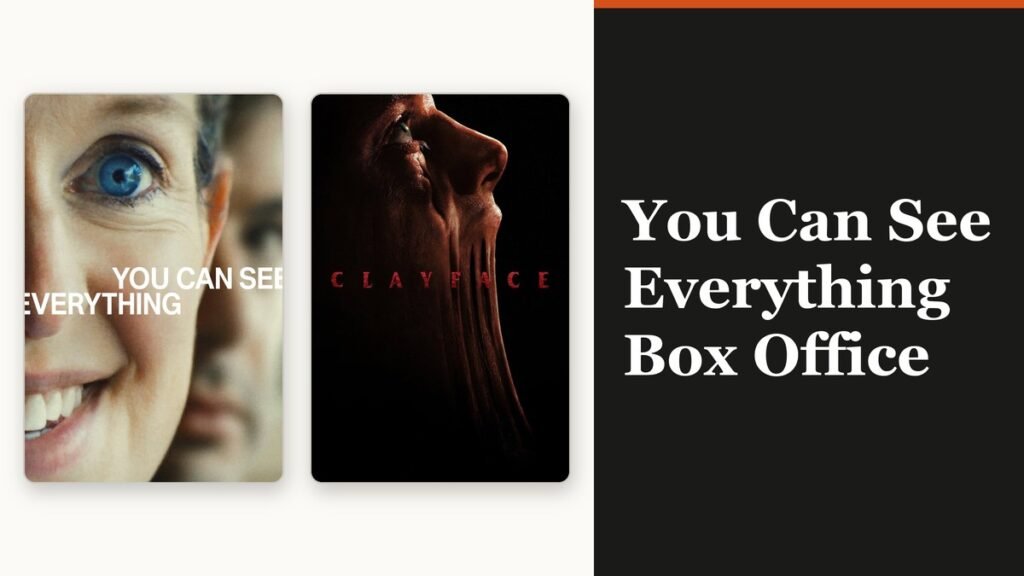
You Can See Everything Box Office Enters Top Ten
A documentary about Elizabeth Holmes took $19.5 million in its second weekend and came within $5 million of beating a DC release.
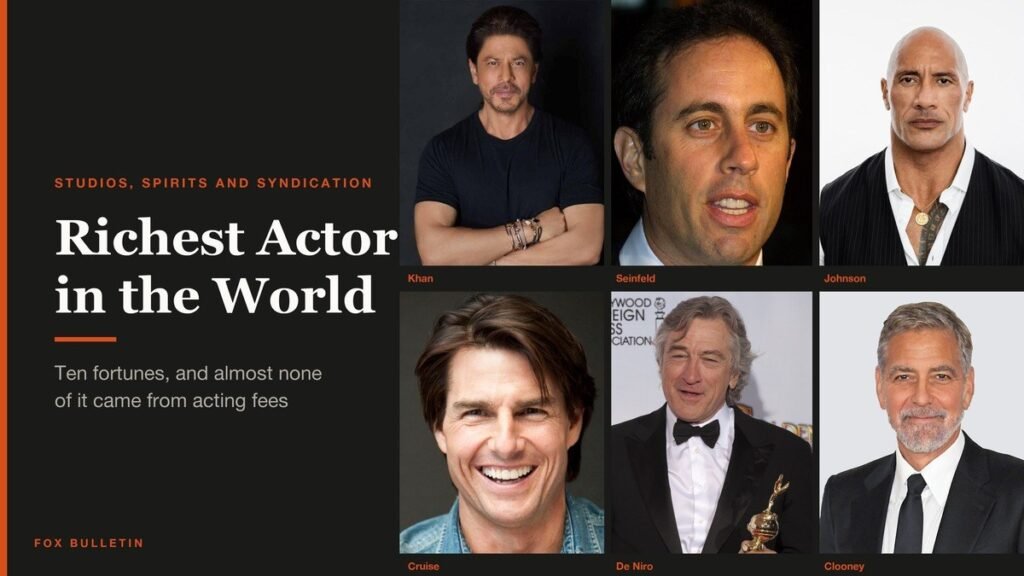
Richest Actor in the World: Top 10 Ranked by Net Worth
The 10 richest actors in the world, from Tyler Perry to Mel Gibson, with the studio, syndication, tequila and investment deals that made each fortune, plus the highest film paydays and the richest actresses.