

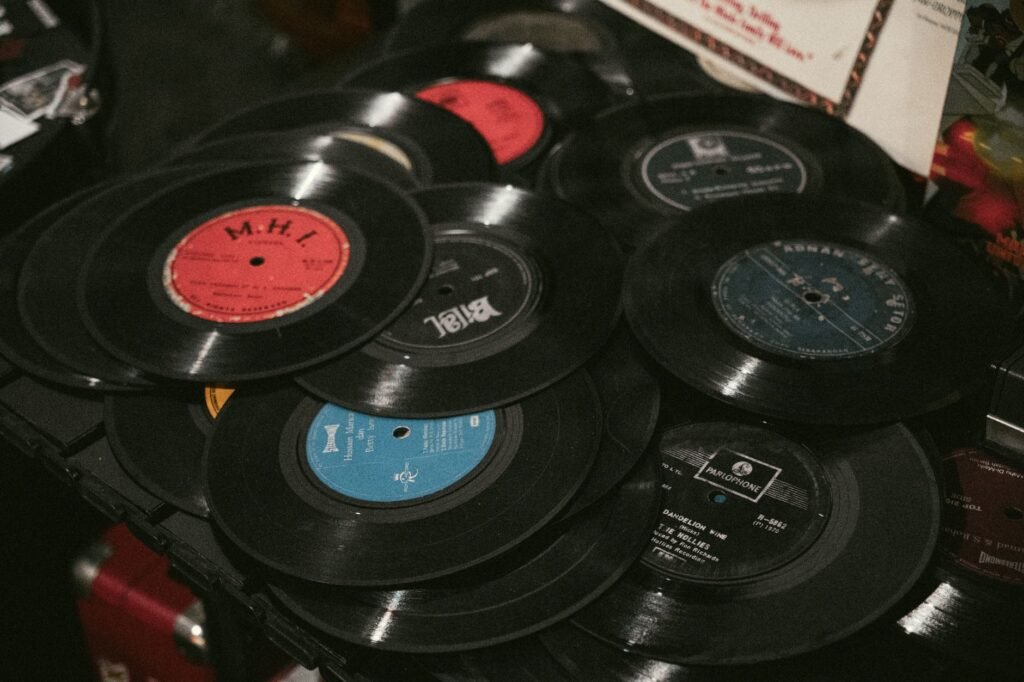
The best-selling music artists of all time are dominated by acts who peaked decades before streaming existed. Eight of the top ten began their careers before 2000, building their totals in an era when hearing an album meant buying it, and that structural advantage still shapes the list today.
The figures below are claimed sales, the industry’s traditional yardstick, and they are estimates rather than audited totals. Below we rank the ten best-selling music artists ever, with each act’s sales, era, and what drove their dominance.
| Rank | Artist | Claimed Sales | Country | Active |
|---|---|---|---|---|
| 1 | The Beatles | 600 million | United Kingdom | 1960 to 1970 |
| 2 | Michael Jackson | 500 million | United States | 1964 to 2009 |
| 3 | Elvis Presley | 500 million | United States | 1953 to 1977 |
| 4 | Elton John | 300 million | United Kingdom | 1962 to present |
| 5 | Queen | 300 million | United Kingdom | 1971 to present |
| 6 | Madonna | 300 million | United States | 1979 to present |
| 7 | Led Zeppelin | 300 million | United Kingdom | 1968 to 1980 |
| 8 | Rihanna | 250 million | Barbados | 2003 to present |
| 9 | Eminem | 220 million | United States | 1996 to present |
| 10 | Taylor Swift | 200 million | United States | 2003 to present |
The 10 Best-Selling Music Artists of All Time, Ranked
1. The Beatles: The Untouchable Record
Claimed Sales: 600 million | Country: United Kingdom | Active: 1960 to 1970
The Beatles sit at the top with roughly 600 million claimed sales, 100 million clear of anyone else. What makes the figure extraordinary is the timeframe: the band recorded together for only about eight years before splitting in 1970.
Their catalogue has sold continuously ever since, across vinyl, cassette, CD, digital download, and now streaming and vinyl again. Each format change gave existing fans a reason to repurchase the same albums, compounding sales across six decades.
2. Michael Jackson: The King of Pop
Claimed Sales: 500 million | Country: United States | Active: 1964 to 2009
Michael Jackson claims around 500 million sales, anchored by Thriller, still widely regarded as the best-selling album in history. His career began as a child with the Jackson 5 and spanned more than four decades.
He arrived at the perfect moment for MTV, turning music videos into events and making himself a truly global figure at a time when the album format was at its commercial peak. No solo artist has matched that combination of ubiquity and sales.
3. Elvis Presley: The Original Superstar
Claimed Sales: 500 million | Country: United States | Active: 1953 to 1977
Elvis Presley claims roughly 500 million sales across rock, pop, country, and gospel, a range few artists have attempted. He effectively invented the template for the modern pop star.
His numbers are especially notable because much of his career predates the album-driven market, built instead on singles and constant releases. Nearly fifty years after his death, catalogue sales and reissues continue.
Shop ELV1S 30 #1 Hits on Vinyl
4. Elton John: Six Decades of Hits
Claimed Sales: 300 million | Country: United Kingdom | Active: 1962 to present
Elton John claims about 300 million sales across a career now spanning more than sixty years. His longevity is the story: he has charted hits in every decade since the 1970s.
Candle in the Wind 1997 remains among the best-selling singles ever released. His later work on film soundtracks introduced him to audiences who were not born when his first records came out.
5. Queen: The Catalogue That Keeps Growing
Claimed Sales: 300 million | Country: United Kingdom | Active: 1971 to present
Queen claims roughly 300 million sales, and unusually their commercial peak may not be behind them. Bohemian Rhapsody has found each new generation through films, adverts, and streaming playlists.
The 2018 biopic triggered an enormous catalogue revival, pushing decades-old songs back onto global charts. Few bands have converted nostalgia into new sales so effectively.
6. Madonna: Pop’s Great Reinventor
Claimed Sales: 300 million | Country: United States | Active: 1979 to present
Madonna claims around 300 million sales and stands as the best-selling female artist in history. Her strategy was constant reinvention, changing sound and image every few years to stay current.
That adaptability let her remain commercially dominant from the early 1980s into the 2000s, an unusually long run in pop. She also rewrote expectations for how much creative control a female artist could command.
Shop The Immaculate Collection on Vinyl
7. Led Zeppelin: Album Rock at Its Peak
Claimed Sales: 300 million | Country: United Kingdom | Active: 1968 to 1980
Led Zeppelin claims roughly 300 million sales despite recording for only twelve years before disbanding in 1980. They were the defining album band of the 1970s.
Famously resistant to releasing singles, they pushed fans toward buying complete albums, which suited the era’s economics perfectly. Their catalogue remains a staple of rock radio and reissue campaigns.
8. Rihanna: The Streaming Era’s Biggest Seller
Claimed Sales: 250 million | Country: Barbados | Active: 2003 to present
Rihanna claims about 250 million sales, the highest of any artist whose career began this century. She achieved it through a relentless run of singles rather than a small number of blockbuster albums.
Her dominance of radio and early digital downloads through the late 2000s and 2010s was near-total. She has since released little new music, focusing on business ventures, yet her catalogue continues to sell.
9. Eminem: Hip-Hop’s Commercial Peak
Claimed Sales: 220 million | Country: United States | Active: 1996 to present
Eminem claims roughly 220 million sales, making him the best-selling hip-hop artist of all time. His breakthrough coincided with the last years of peak CD sales, a crucial timing advantage.
Albums like The Marshall Mathers LP sold at a velocity now almost impossible to replicate. He brought hip-hop to a mass suburban audience at the exact moment the format was most profitable.
Shop The Marshall Mathers LP on Vinyl
10. Taylor Swift: The Modern Exception
Claimed Sales: 200 million | Country: United States | Active: 2003 to present
Taylor Swift claims about 200 million sales, a remarkable total for an artist who built most of it after physical media collapsed. She is the clearest evidence that the album can still sell at scale.
Her approach combines vinyl and CD variants, deluxe editions, and intense fan engagement with streaming dominance. Re-recording her back catalogue to regain ownership also generated a second wave of sales for songs fans already owned.
Shop 1989 (Taylor’s Version) on Vinyl
Why Older Artists Dominate This List
Eight of the top ten began recording before 2000, and the reason they dominate is structural rather than musical. In the album era, hearing music you loved required buying it, and format changes from vinyl to cassette to CD prompted fans to repurchase the same catalogue repeatedly.
Streaming broke that model. Listening is now unlimited for a monthly fee, so even a globally dominant modern artist accumulates far fewer countable sales than a 1970s act with a fraction of the audience. The list measures a vanished market as much as it measures popularity.
Why These Numbers Are Genuinely Disputed
Claimed sales are estimates, often originating with record labels, and they consistently exceed independently certified figures. Certification bodies such as the RIAA in the US and the BPI in the UK only count shipments they can verify, and many older sales predate reliable tracking entirely.
The result is that certified totals for these artists are typically far lower than the headline claims. Treat this ranking as the industry’s traditional shorthand rather than an audited accounting.
What Claimed Sales Include
This ranking orders artists by total claimed worldwide sales across albums and singles, the standard basis used for all-time comparisons. It counts records sold rather than streams, chart performance, or concert revenue.
Because figures are estimates and continue to accumulate for active catalogues, treat them as approximate. Drake and Kanye West sit just outside the top ten, and the ordering below the top three is not settled.
What Sales Rankings Miss
Sales measure commercial reach in a specific era, not cultural influence or present-day listening. An artist dominating streaming today may never approach these totals simply because the unit being counted has changed.
Touring tells a different story again, since live music now generates more revenue for most artists than recordings do. If you want to see how people actually listen in 2026, our guide to the best music streaming services covers the platforms that replaced record sales.
Frequently Asked Questions
Who is the best-selling music artist of all time?
The Beatles, with roughly 600 million claimed sales, comfortably lead all artists despite recording together for only about eight years before splitting in 1970.
Who is the best-selling female artist?
Madonna, with around 300 million claimed sales, is the best-selling female artist in history, followed by Rihanna at roughly 250 million and Taylor Swift at about 200 million.
Why do older artists sell more?
In the album era, hearing music meant buying it, and format changes from vinyl to cassette to CD prompted fans to repurchase the same albums. Streaming replaced purchases with subscriptions, so modern artists accumulate far fewer countable sales.
Are these sales figures accurate?
They are estimates, usually originating with record labels, and they consistently exceed independently certified totals. Certification bodies only count verifiable shipments, and many older sales predate reliable tracking.
Which modern artist sells the most?
Rihanna leads artists who debuted this century with about 250 million claimed sales, though Taylor Swift is notable for building roughly 200 million largely after physical media declined.
Related Articles
- Highest-Grossing Movies of All Time: Top 10 Ranked
- Best Noise Cancelling Headphones 2026: 5 Compared on ANC, Battery and Price
- Highest-Grossing Concert Tours of All Time: Top 10
- Most Oscar Wins: The 15 Most Decorated Films Ever
- Longest-Running Broadway Shows: Top 12 by Performances
As an Amazon Associate, Fox Bulletin earns from qualifying purchases.

Get the Fox Bulletin briefing
The stories that matter, in your inbox. No spam, unsubscribe anytime.
Newsletter signup will be available soon.
Related stories
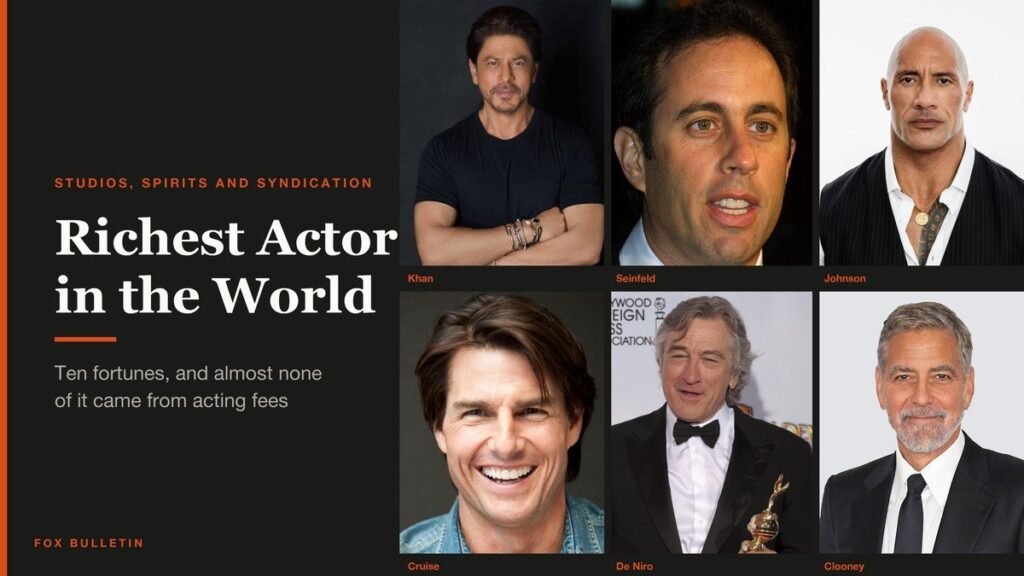
Richest Actor in the World: Top 10 Ranked by Net Worth
The 10 richest actors in the world, from Tyler Perry to Mel Gibson, with the studio, syndication, tequila and investment deals that made each fortune, plus the highest film paydays and the richest actresses.

Marvel Movies in Order: All 38 MCU Films by Release Date
All 38 Marvel Cinematic Universe films in release order with US dates, phases, directors and runtimes, plus Marvel's own chronological order, Disney+ details and the dated films still to come.

Christmas Movies: The 20 Best, Ranked by Critics and Fans
Twenty Christmas movies ranked by one combined score from critics, Rotten Tomatoes audiences and IMDb voters, with each film's rating, runtime and story behind it.