

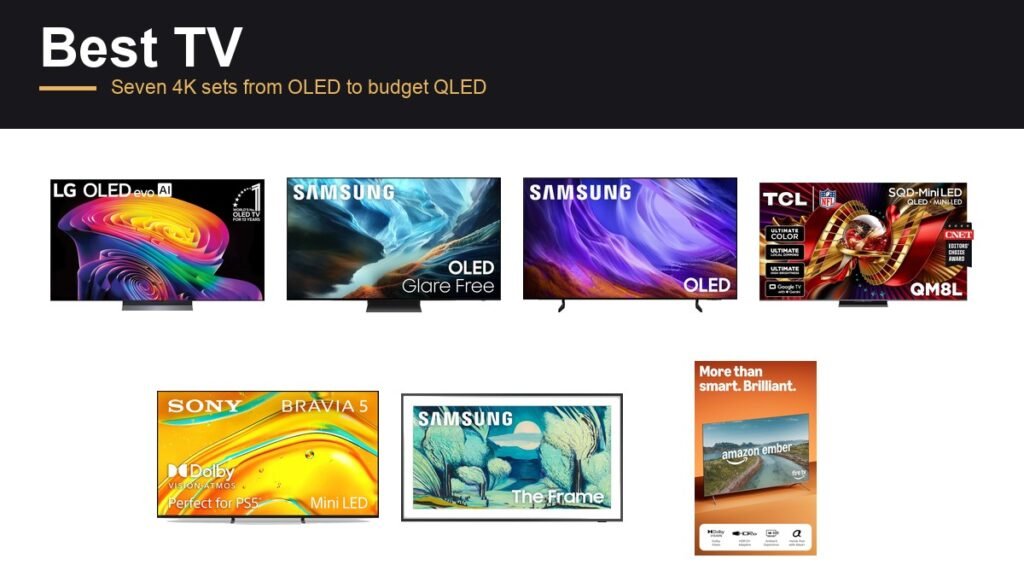
Choosing the best TV comes down to one question most spec sheets bury: how bright is the room. OLED panels switch off individual pixels, which produces black that no backlit set can match, and they are the obvious choice in a room you can darken. In a bright living room with windows behind the sofa, a Mini LED set that can simply overpower the daylight will look better.
These seven are all 65 inch class except where noted, and they run from OLED flagships through a Mini LED with thousands of dimming zones down to a budget QLED. Panel counts and brightness figures are the manufacturers’ own claims rather than measurements of ours.
TV Comparison: Panel Type, Processor and Standout Feature
| TV | Panel | Processor | Standout |
|---|---|---|---|
| LG C6 OLED evo | OLED evo | a11 AI Gen 3 | Brightness Booster |
| Samsung S90H | OLED | NQ4 AI Gen3 | Glare Free coating |
| Samsung S85H | OLED | NQ4 AI Gen2 | Cheaper route to OLED |
| TCL QM8L | SQD Mini LED | TCL Halo Control | 4000+ dimming zones |
| Sony BRAVIA 5 | Mini LED | XR Processor | XR Backlight Master Drive |
| Samsung The Frame LS03F | QLED matte | Samsung AI | Art mode when off |
| Amazon Ember QLED | QLED | Quad-core | Fire TV built in |
1. LG C6 OLED evo: The Best TV Overall
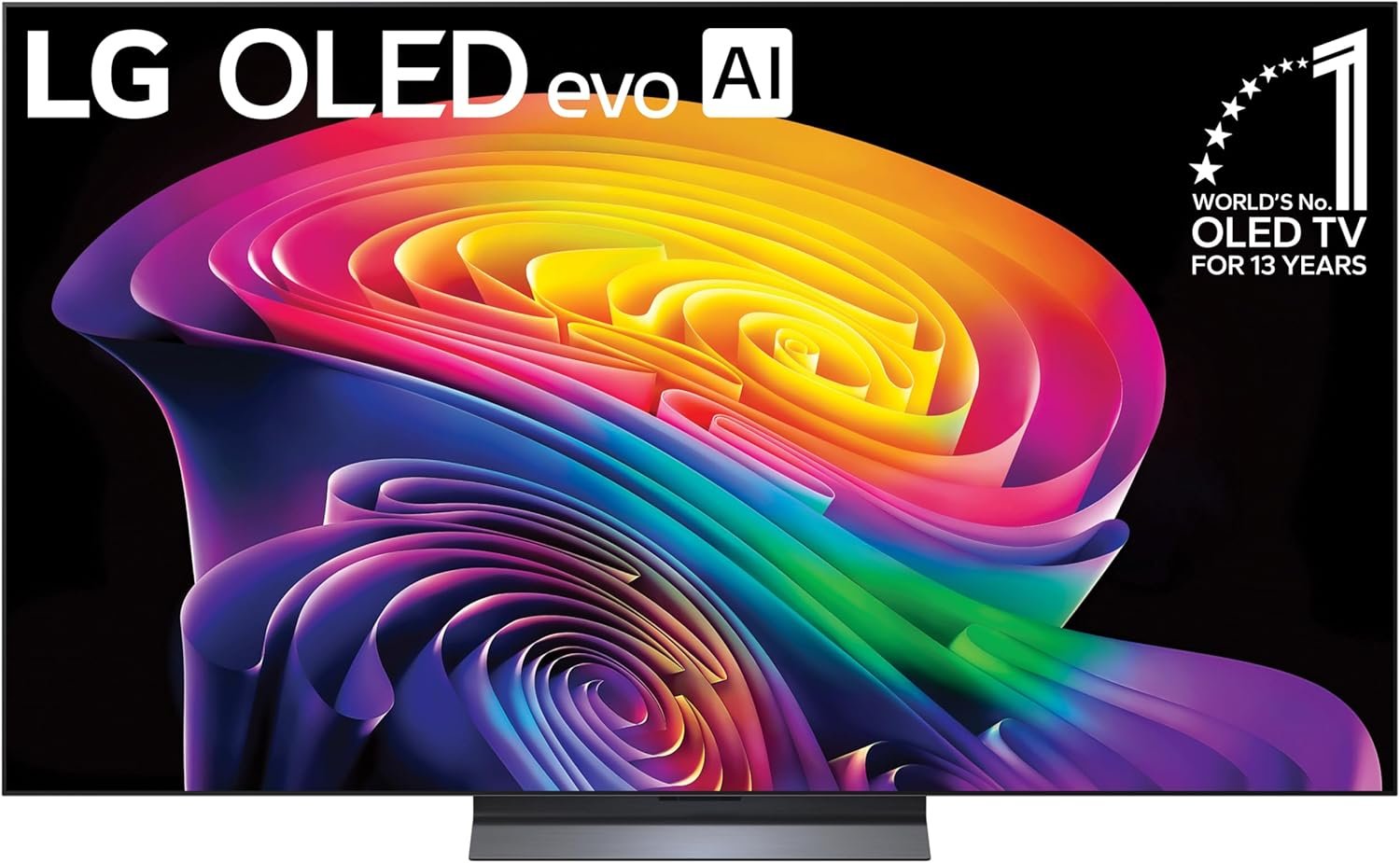
LG’s C series has been the default recommendation for years and the C6 continues it. Over 8.3 million self-lit pixels mean black is the absence of light rather than a dimmed backlight, and LG’s Brightness Booster, driven by the a11 AI processor, addresses the one historical weakness of OLED against backlit sets.
Dolby Vision, Dolby Atmos and Filmmaker Mode are all present, the last of which switches off the processing that makes films look like video. For a room you can control the light in, this is the picture to beat.
What it does well
- Per-pixel black no backlight can match
- Brightness Booster addresses OLED dimness
- Dolby Vision and Filmmaker Mode
What to know before buying
- Bright rooms suit Mini LED better
- Costs more than the Mini LED sets
2. Samsung S90H: Best OLED for a Bright Room
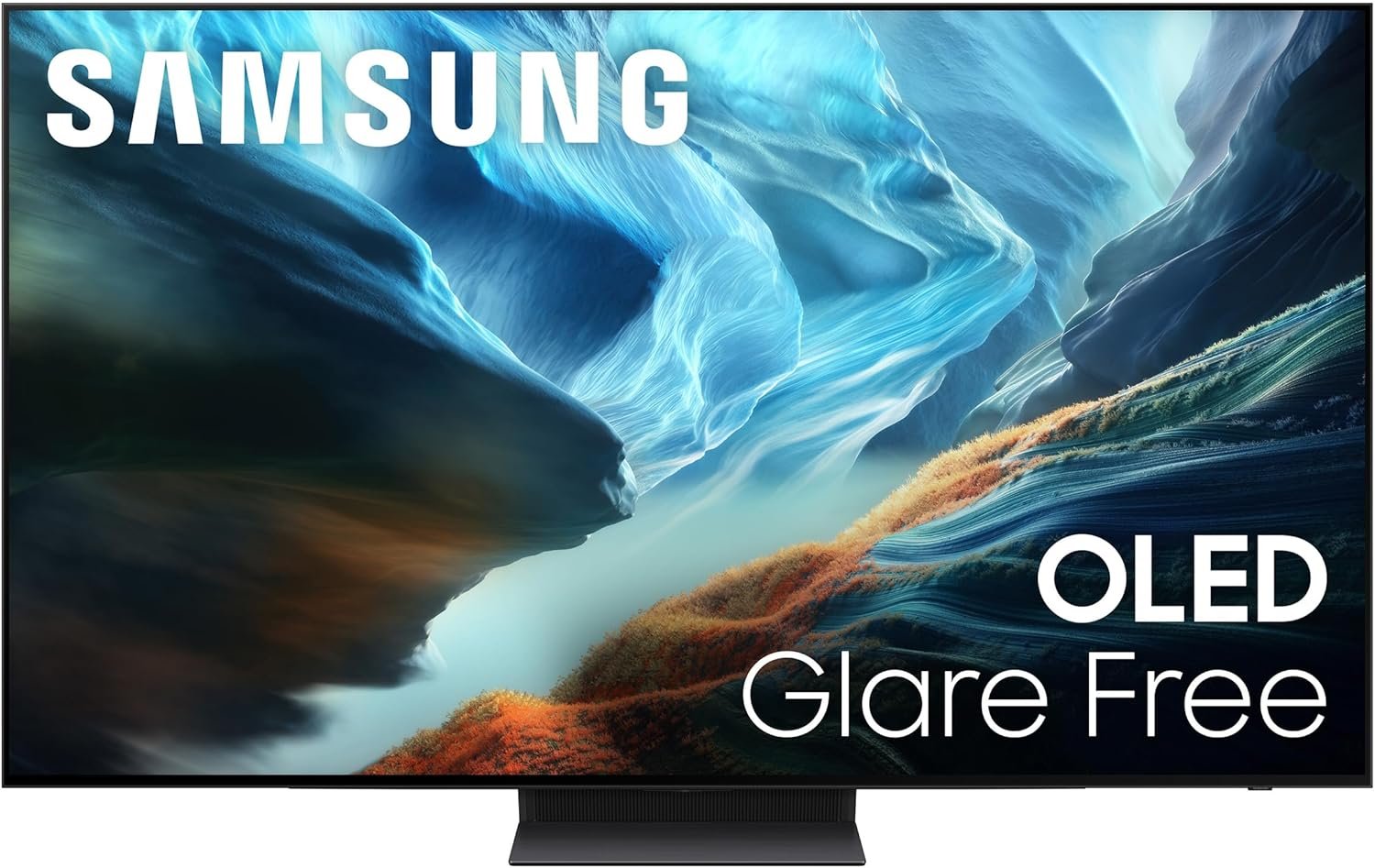
Samsung’s answer to OLED’s one real weakness is the panel coating. Glare Free is designed to eliminate reflections rather than scatter them, which is the difference between seeing a window in the picture and not. Paired with OLED HDR+ it is the OLED to consider if the room has light you cannot control.
The NQ4 AI Gen3 processor runs what Samsung describes as 128 neural networks for picture and sound, and the set carries Samsung’s Ultimate Gaming Pack for low latency play. Samsung does not support Dolby Vision, which is the trade against the LG.
What it does well
- Anti-glare coating suits bright rooms
- Strong gaming feature set
- Latest Samsung processor
What to know before buying
- No Dolby Vision support
- Matte coating slightly lifts black in the dark
3. Samsung S85H: Best Value OLED TV
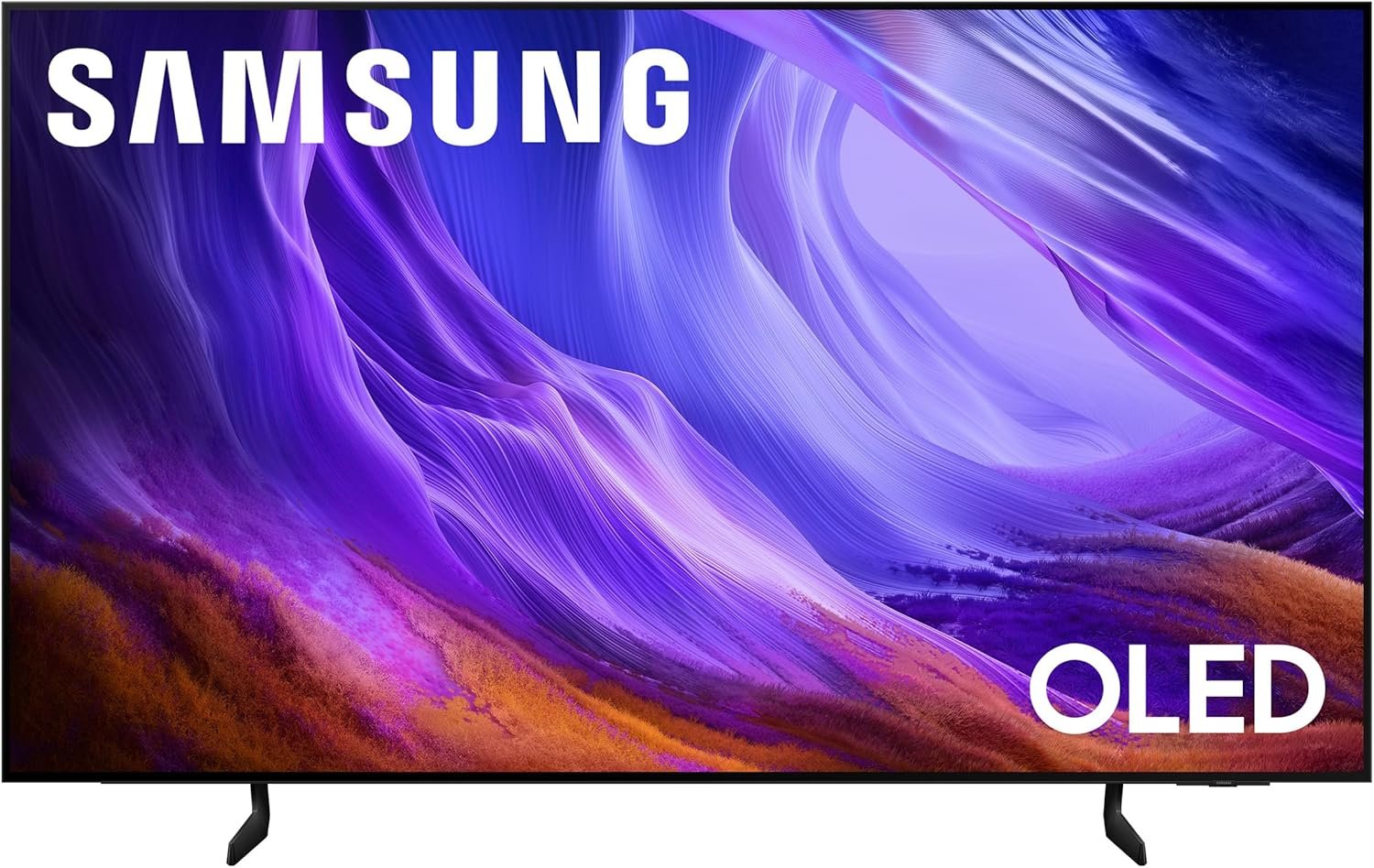
The same OLED panel technology a step down the range, running the previous generation NQ4 AI Gen2 processor rather than the Gen3. Samsung keeps the Premium Gaming Pack with Motion Xcelerator 120Hz and NVIDIA G-SYNC, so the gaming side survives the price cut largely intact.
What you give up is processing rather than panel: upscaling and scene analysis are a generation behind, which shows most on lower quality sources. If everything you watch is 4K streaming or disc, the gap narrows considerably.
What it does well
- OLED contrast for less money
- G-SYNC and 120Hz retained
- Same panel family as the S90H
What to know before buying
- Older processor shows on SD sources
- Lacks the Glare Free coating
4. TCL QM8L: Best TV for a Bright Room
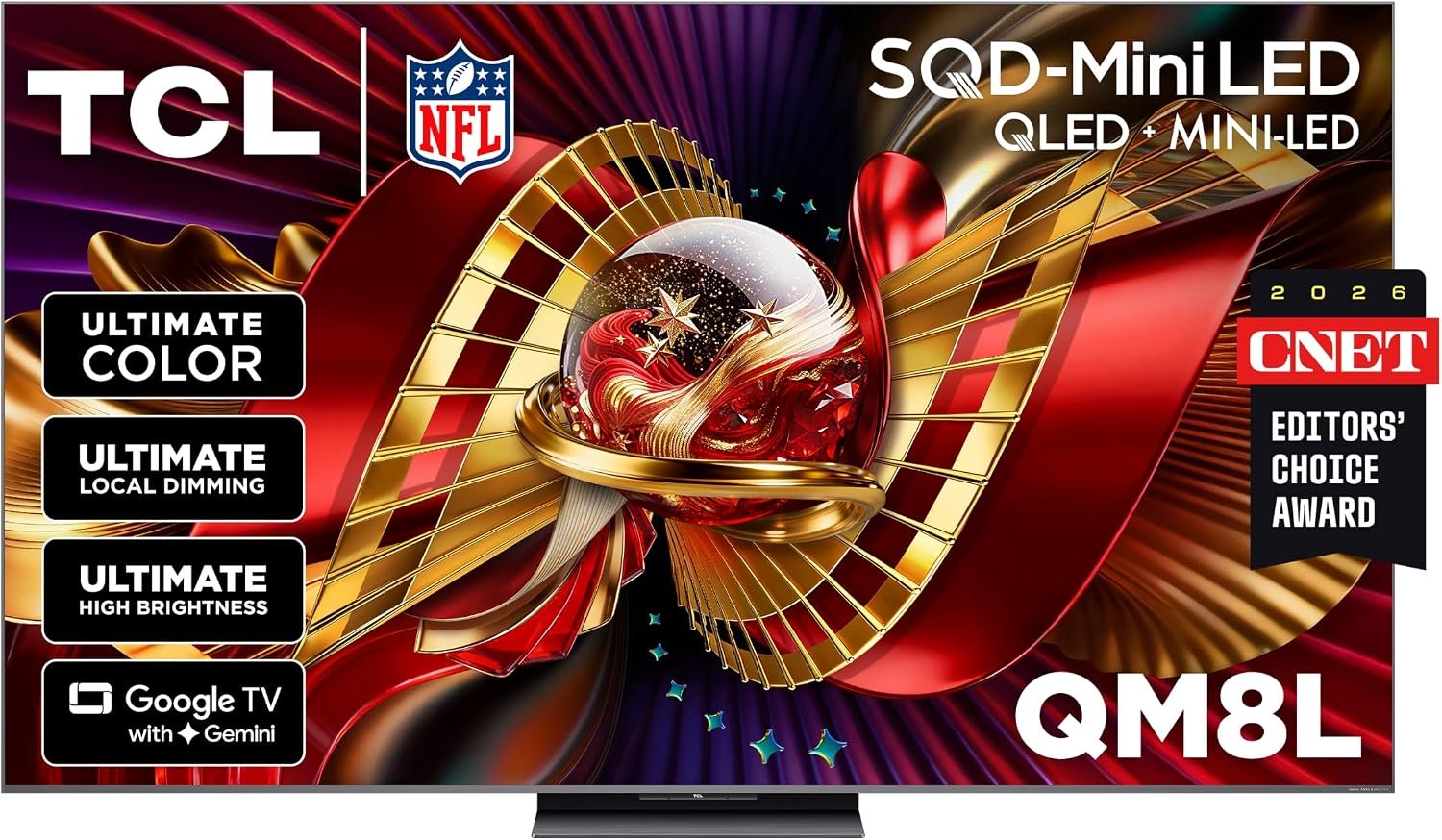
This is the brightness play. TCL quotes up to 4,000 dimming zones and up to 6,000 peak nits, with a 7000:1 static contrast ratio, and pairs them with an Ultra Color Filter using 5 nanometer particles against a standard 60. Those are TCL’s figures, and they are far beyond what any OLED here claims.
A Mini LED set with that many zones gets much of the way to OLED’s local contrast while retaining the raw output a backlight allows. At 144Hz it is also the fastest panel here. In a sunlit room this will look better than any OLED on the list.
What it does well
- Extreme brightness for daylight rooms
- Thousands of local dimming zones
- 144Hz panel
What to know before buying
- Blooming around bright objects on black
- Claimed figures are the maker’s own
5. Sony BRAVIA 5: Best TV for Picture Processing
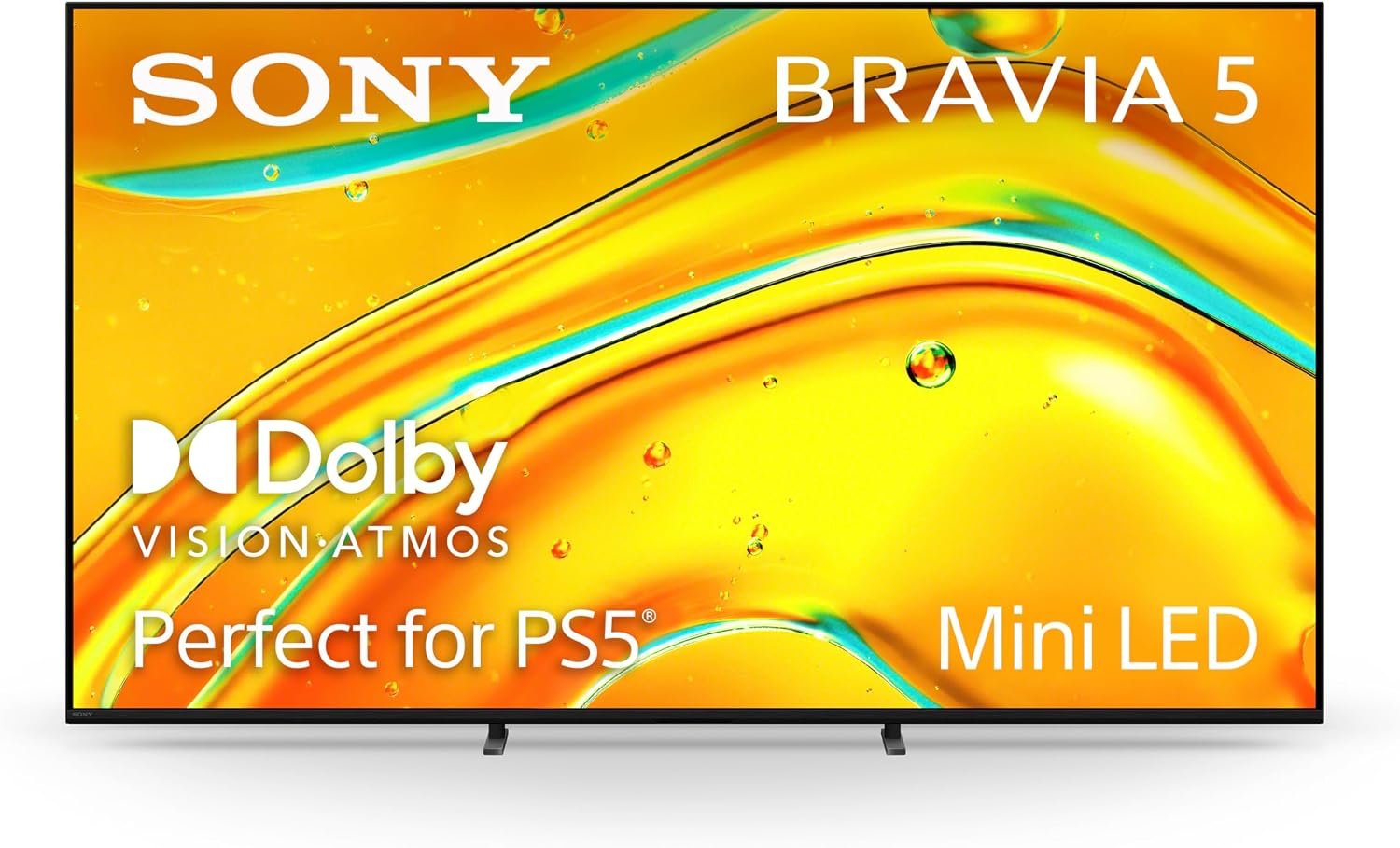
Sony’s argument has always been the processor rather than the panel, and the XR Processor analyses scenes to adjust colour, contrast and clarity in real time. Thousands of Mini LEDs are driven by XR Backlight Master Drive, and XR Triluminos Pro handles colour.
It runs Google TV, which puts every streaming service and Google Assistant in one interface. Sony sets have long been the ones that make poor sources watchable, which matters if a lot of what you watch is broadcast television rather than 4K streams.
What it does well
- Best in class upscaling of weak sources
- Mini LED brightness with careful control
- Google TV with Assistant
What to know before buying
- Fewer dimming zones claimed than the TCL
- Sony typically costs more per inch
6. Samsung The Frame LS03F: Best TV That Hides as Art

A QLED panel in a frame designed to sit flush to the wall, with customisable bezels and a matte finish, which displays artwork from Samsung’s Art Store or your own photographs when it is not in use. An external connection box keeps the cabling off the wall.
The matte screen is the real engineering here: it kills reflections in the way a canvas does, which is also what makes the art convincing. Picture quality is good rather than class leading, and that is the honest trade for a television that does not look like one.
What it does well
- Genuinely convincing as wall art
- Matte screen kills reflections
- Single cable to the display
What to know before buying
- Picture is behind the OLED sets
- Art Store subscription for the full library
7. Amazon Ember QLED: Best Budget TV
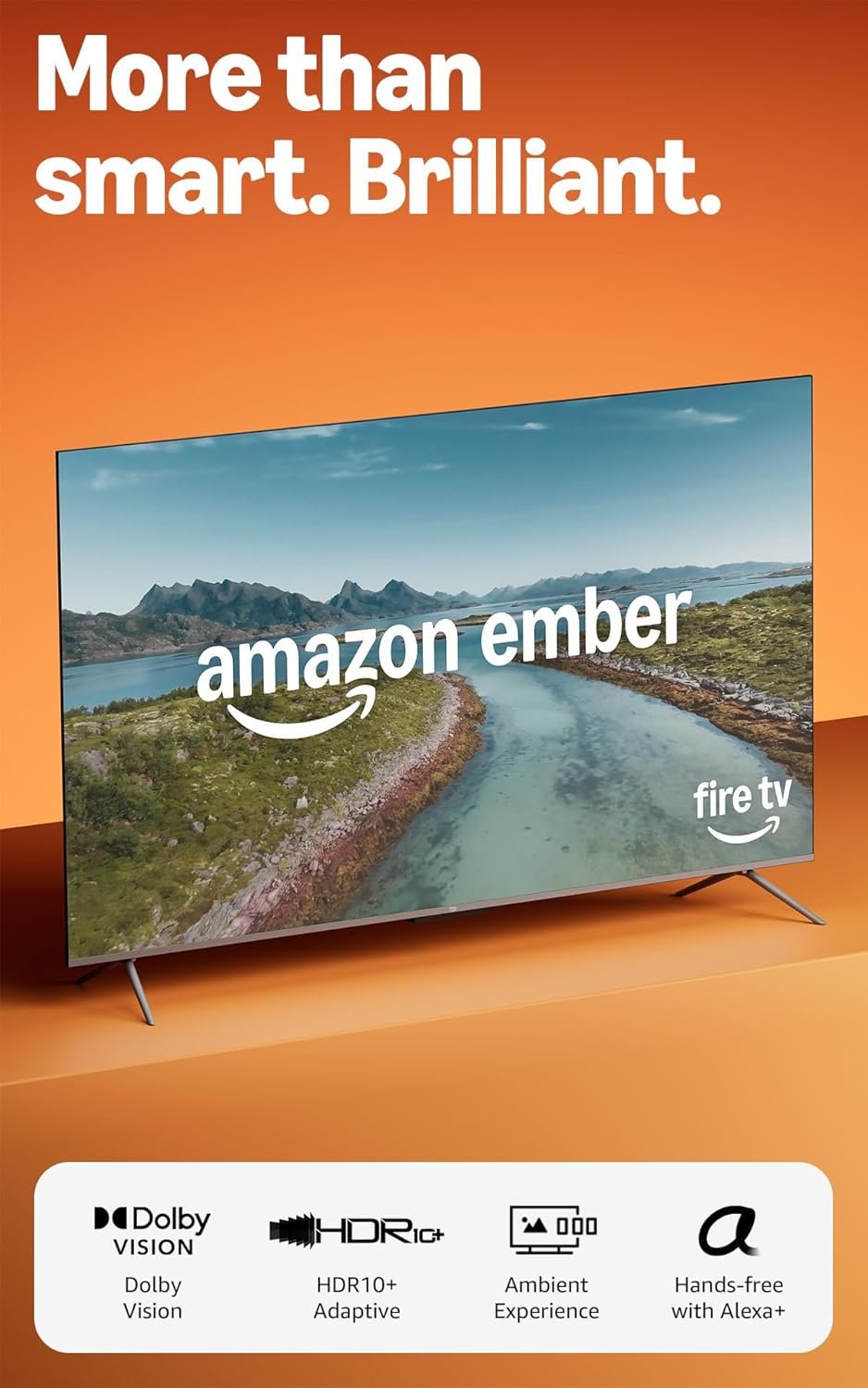
A 4K QLED with full array local dimming, Dolby Vision and HDR10+ Adaptive, running Fire TV natively rather than through an added box. Wi-Fi 6 and a quad-core processor are there to stop the interface feeling slow, which is the usual failing of cheap smart televisions.
The unusual part is Omnisense, built-in sensors that wake the display as you enter the room to show artwork or resume what you were watching. Full array local dimming at this price is the specification that matters most.
What it does well
- Full array local dimming at a low price
- Dolby Vision and HDR10+ Adaptive
- Fire TV built in, no extra box
What to know before buying
- Nowhere near OLED contrast
- Fire TV interface is heavy on promotion
OLED or Mini LED: The Room Decides, Not the Spec Sheet
These two technologies fail in opposite directions and that is the whole decision. OLED produces black by switching a pixel off, so contrast is effectively perfect and there is no halo around a bright object. What it cannot do is match the sheer output of a backlight, so in a sunlit room the picture washes out.
Mini LED goes the other way. Thousands of tiny backlights divided into dimming zones get close to per-pixel control without matching it, and the TCL here claims 6,000 peak nits, far beyond any OLED. The cost is blooming: a bright object on a black field lifts the zone around it, visible as a faint halo in a dark room.
So the honest rule is to look at the room before the reviews. Curtains and evening viewing point to OLED. South facing windows and daytime sport point to Mini LED. Anyone adding a projector for film nights should see our best projector picks, which solve a different problem again.
The Settings and Running Costs Nobody Mentions
Every set here ships in a mode built to stand out on a shop floor, with sharpening, motion smoothing and the colour temperature pushed cold. The single biggest improvement you can make to any of these televisions costs nothing: switch to Filmmaker Mode, Movie or Cinema, which turns that processing off and restores the intended frame rate.
Motion smoothing is the setting worth hunting for specifically. It interpolates frames to make film look like video, an effect most people dislike once they can name it, and it is on by default almost everywhere. Makers name these modes differently, and Samsung documents its own picture modes model by model.
Running costs vary more than people expect across panel types and sizes. The Energy Star televisions programme publishes efficiency criteria and certified model lists, which is the neutral place to compare before buying. What you watch matters too, and our guide to the best streaming services covers that side.
Which TV to Buy
For most rooms the LG C6 OLED evo is the best television here, because per-pixel black is the one thing no backlit set can reproduce and LG has closed much of the brightness gap. If the room has light you cannot control, the Samsung S90H and its Glare Free coating is the OLED to take instead, and the S85H is the same panel technology for less.
In a genuinely bright room, stop considering OLED and buy the TCL QM8L, whose claimed output is in a different league. Take the Sony BRAVIA 5 if a lot of what you watch is broadcast rather than 4K, The Frame if the television has to disappear into the room when it is off, and the Amazon Ember if the budget is the constraint and local dimming at the price is the win.
Frequently Asked Questions
Is OLED always better than Mini LED?
No. OLED wins on contrast and black level, Mini LED wins on brightness. In a dark room OLED is clearly better; in a sunlit room a bright Mini LED set like the TCL here will look better because it can overpower the ambient light.
What size TV should I buy?
Six of these seven are 65 inch class, which has become the standard living room size. Resolution matters more than diagonal at normal seating distances, so a 65 inch 4K set beats a larger panel with weaker processing.
Do I need a soundbar with a new TV?
Usually yes. Flat panels have no room for speakers that move air, and every set here supports Dolby Atmos or equivalent that the built-in drivers cannot deliver. It is the most noticeable upgrade after switching off the shop floor picture mode.
What is the first setting to change on a new TV?
The picture mode. Switch from Standard or Vivid to Filmmaker, Movie or Cinema, which turns off sharpening and motion smoothing. It costs nothing and improves every one of these televisions immediately.
Related Articles
As an Amazon Associate, Fox Bulletin earns from qualifying purchases.

Get the Fox Bulletin briefing
The stories that matter, in your inbox. No spam, unsubscribe anytime.
Newsletter signup will be available soon.
Related stories

Best AirPods Pro Ear Hooks: 7 Compared on Fit and Models
Seven AirPods Pro ear hooks compared on fit, material and model compatibility, including which ones work with the Pro 3 and why none of them charge.
Best Gaming Mouse: 7 Wired and Wireless Picks Compared
Seven gaming mice compared on weight, sensor and button count, and why DPI is the least useful number on the box.

Best Gaming Laptop: 7 RTX 50 Machines Compared
Seven RTX 50-series gaming laptops compared on GPU tier, display and memory, and why the GPU name alone does not tell you the performance.