
Most people hunting for PayPal alternatives are not unhappy with the checkout button. They are unhappy with the invoice at the end of the month. PayPal charges 3.49% plus 49 cents on a standard PayPal Checkout payment in the US, adds another 1.50% when the buyer is overseas, and applies a 3% to 4% spread on top of its own exchange rate whenever a currency has to be converted.
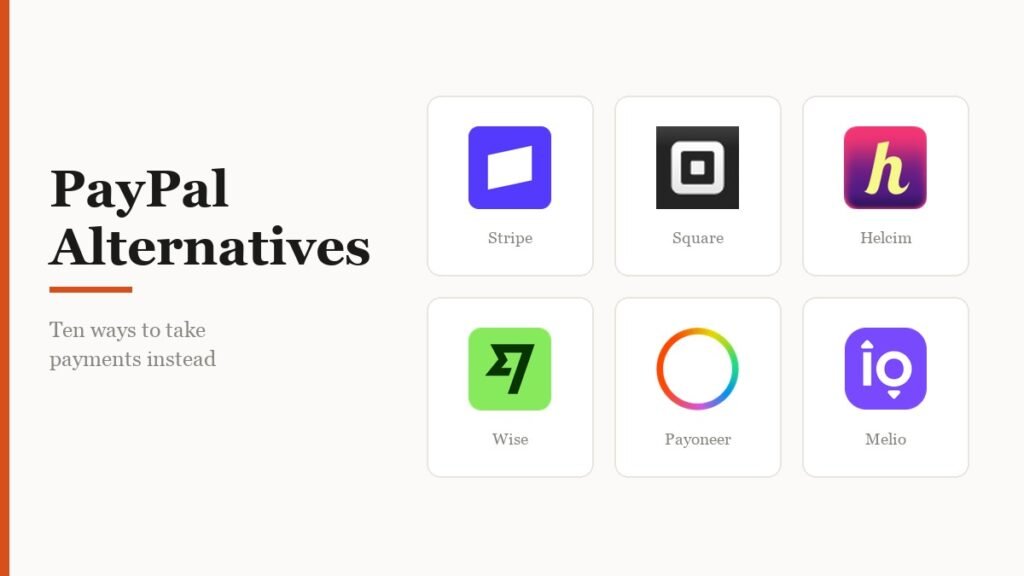
Ten providers below undercut at least one part of that. Some are straight replacements for taking card payments. Others solve one specific job PayPal is expensive at, such as receiving a foreign invoice or paying a supplier by bank transfer. The right pick depends far more on which of those jobs you actually do than on which headline percentage looks smallest.
What PayPal Charges Before You Compare Anything
A US business taking a $1,000 domestic payment through PayPal Checkout pays $35.39 and keeps $964.61. The same $1,000 from a customer abroad costs $50.39, because the 1.50% international fee stacks on top of the 3.49%. Card payments processed outside a PayPal account run cheaper at 2.99% plus 49 cents, and QR code payments cheaper still at 2.29% plus 9 cents.
Three other numbers matter when you compare. A standard dispute costs $15 and a chargeback on a card transaction costs $20. A refund is free to issue, but PayPal keeps the percentage and the fixed fee it charged you on the original sale. And invoicing is not a discount: an invoice paid through PayPal Checkout carries the same 3.49% plus the fixed fee.
PayPal Alternatives Compared on Published Rate and Monthly Cost
Every provider covered in this article appears below, at US entry-tier rates, before any negotiated or volume pricing.
| # | Provider | Best for | Published rate | Monthly |
|---|---|---|---|---|
| 1 | Stripe | Online checkout you control | 2.9% + 30c online | $0 |
| 2 | Square | Selling in person and online | 2.6% + 15c in person | $0 |
| 3 | Helcim | Cutting the card margin itself | Interchange + 0.50% + 25c | $0 |
| 4 | Wise Business | Invoicing clients abroad | Conversion from 0.23% | $0 |
| 5 | Payoneer | Marketplace and agency payouts | 1% non-local currency | $0 |
| 6 | Revolut Business | Holding several currencies | Interbank, then 0.6% | From $10 |
| 7 | Melio | Paying suppliers, not taking cards | Free ACH, then 50c | $0 |
| 8 | Shopify Payments | Stores already on Shopify | From 2.9% + 30c | From $29 |
| 9 | Adyen | High volume, one integration | 13c + interchange++ + 0.60% | $0 |
| 10 | Wave | Free invoicing for freelancers | 2.9% + 60c card | $0 |
The Ten Providers in Detail
1. Stripe: Online checkout you control
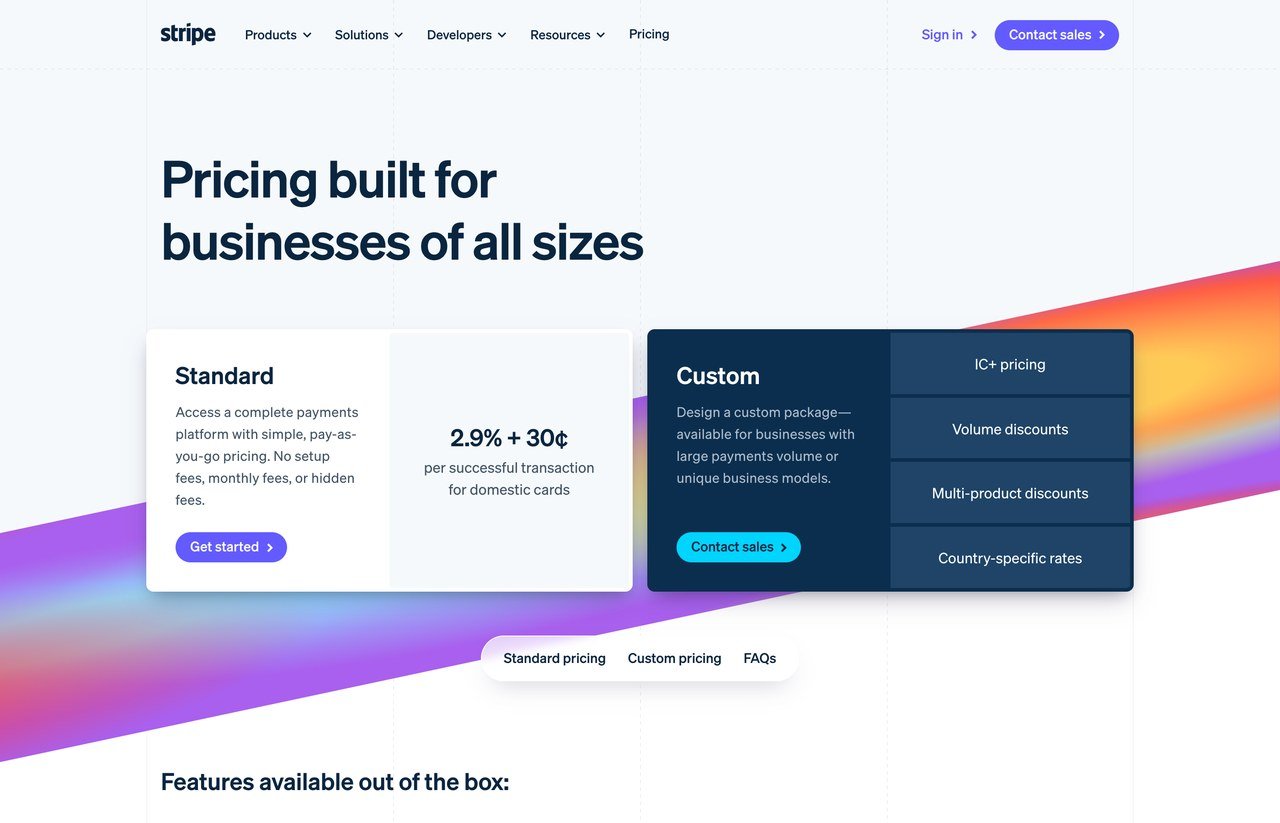
2.9% + 30c for domestic cards. No setup fee, no monthly fee. Add 1.5% for international cards and 1% where a currency conversion is required. Disputes cost $15.
Stripe undercuts PayPal Checkout by 0.59 percentage points and 19 cents on every domestic card sale. On $1,000 that is $29.30 against PayPal’s $35.39. The gap widens abroad, where Stripe’s combined international load is 2.5 points against PayPal’s 1.5% surcharge sitting on a higher base.
The trade is effort. Stripe assumes somebody will integrate it, and the cheapest rails need that work: ACH Direct Debit runs 0.8% capped at $5, which turns a $5,000 invoice into a $5 fee rather than $150. In person it charges 2.7% plus 5 cents. If you want more on the same decision, our Stripe alternatives guide covers the other direction.
2. Square: Selling in person and online
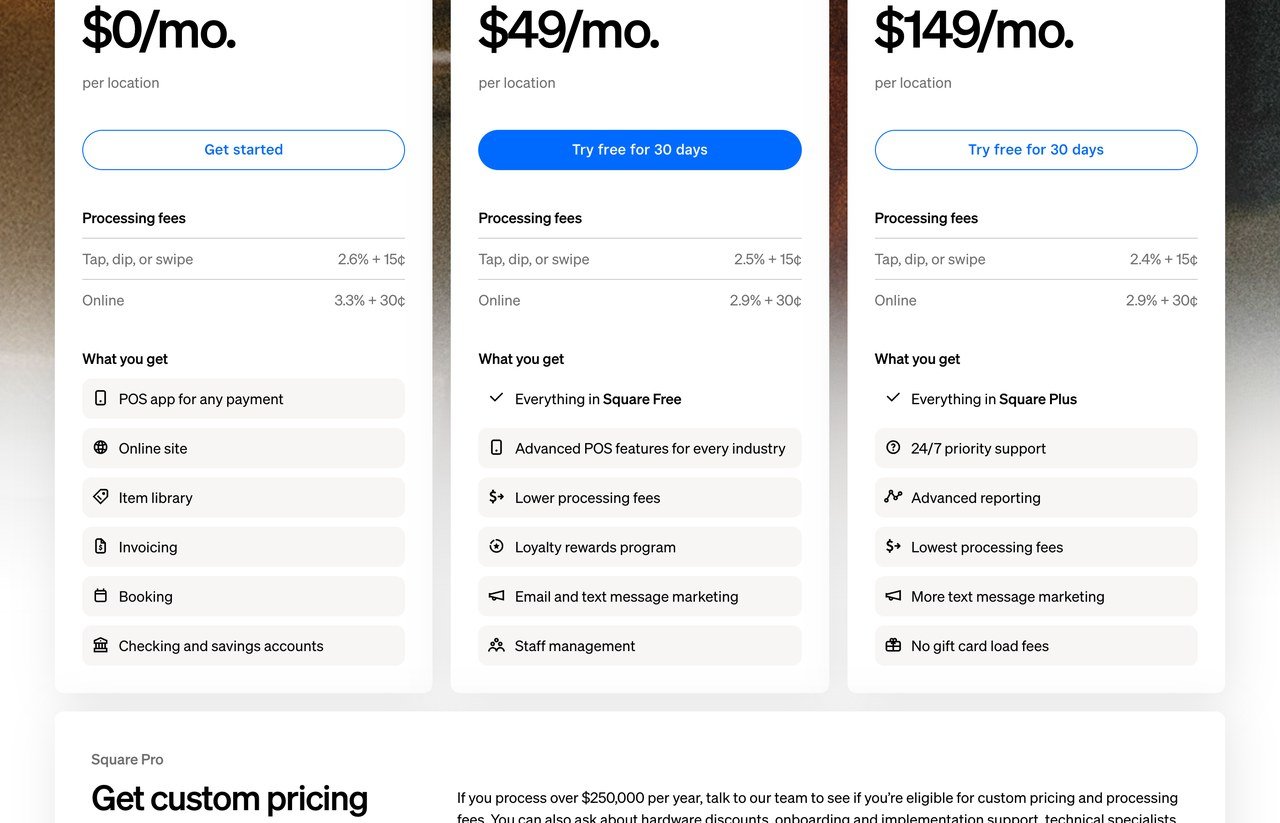
2.6% + 15c in person and 3.3% + 30c online on the free plan. $0 a month. Cards issued outside the US add 1.5%. Next business day payouts at no charge.
Square is the one provider here that beats PayPal at the counter without any monthly commitment. The free plan charges nothing to hold an account, settles to a bank the next business day, and runs on a phone through Tap to Pay before you buy any hardware. Readers and terminals start at $59 if you want them.
Online is where the free plan is weak at 3.3% plus 30 cents, which is worse than PayPal’s card rate. The Plus plan at $49 a month per location pulls that to 2.9% plus 30 cents and in person to 2.5% plus 15 cents, so the subscription pays for itself only past roughly $12,000 of monthly online volume.
3. Helcim: Cutting the card margin itself
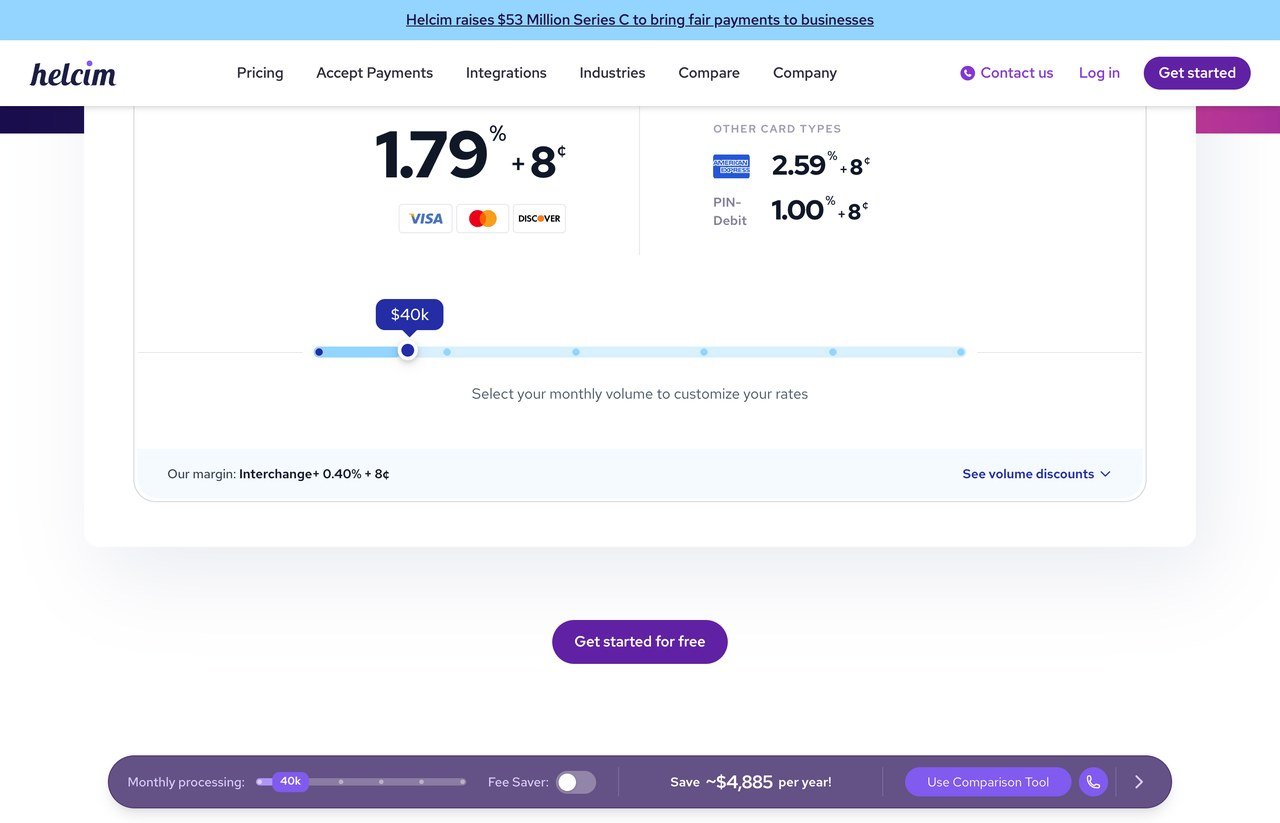
Interchange plus 0.50% + 25c online and interchange plus 0.40% + 8c in person. No monthly, setup, PCI or cancellation fee. A chargeback you win costs nothing.
Helcim prices differently from everyone else on this list. Rather than a flat percentage, it passes the card networks’ interchange through at cost and adds a published margin on top, and that margin falls as volume rises, reaching 0.15% plus 15 cents above $1m a year. Helcim puts the resulting effective rate at 2.31% plus 25 cents online and 1.79% plus 8 cents in person.
Interchange-plus is genuinely cheaper for most merchants, but it is variable. Interchange itself resets roughly twice a year, volume tiers run on a three month average, and recurring payments add 0.4%. Helcim also serves the US and Canada only, and hardware is a real cost at $349 for a terminal or $199 for a reader.
4. Wise Business: Invoicing clients abroad
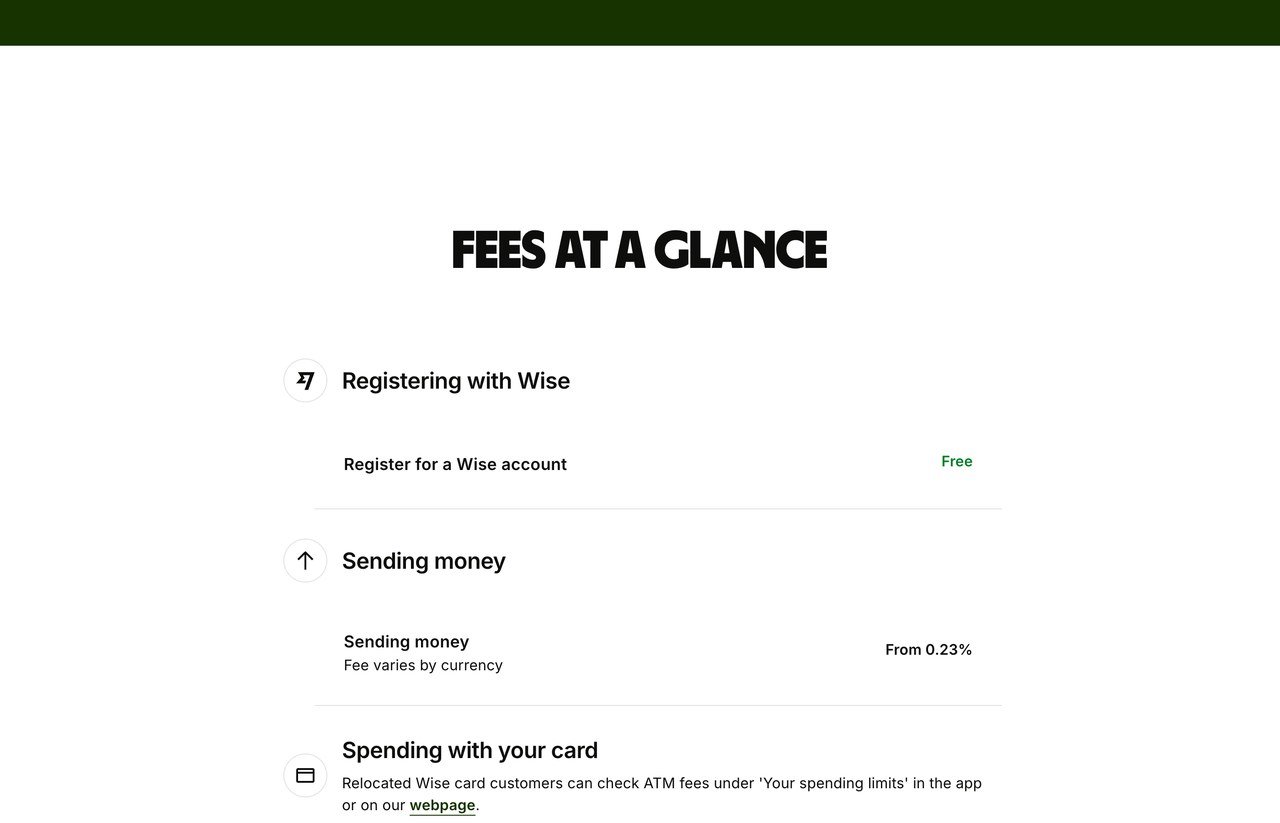
Free to register. One payment of $31 for account details in 22 currencies. No monthly fee. Conversion from 0.23% on the mid-market rate. Local receiving free in 9 currencies.
This is the clearest saving in the whole list, and it has nothing to do with card rates. PayPal builds a 3% to 4% spread into its exchange rate. Wise publishes the mid-market rate and charges a visible fee starting at 0.23%, so a $10,000 euro invoice converts for about $23 rather than $300 to $400.
What you give up is the checkout. Wise is not a card processor, so it suits anyone who bills by invoice and is paid by bank transfer rather than anyone running a storefront. Local receipts land in minutes to one working day, Swift transfers take one to five days, and a USD wire in costs $6.11.
5. Payoneer: Marketplace and agency payouts

No monthly fee. A $29.95 annual fee only if you receive under $6,000 in twelve months. Receiving in your local currency is free, 1% otherwise. Card payers cost up to 3.99% + $0.49.
Payoneer exists for people paid by platforms rather than by customers. It issues local receiving details in 13 currencies and Swift details in about 20, which means an Amazon, Upwork or Fiverr payout can arrive as a domestic transfer instead of an international one. Receiving in the currency you hold costs nothing at all.
The cost moves to the exit. Converting between balances is 0.50%, but withdrawing to a bank with a conversion runs 1.2% to 4%, and the fee is folded into the quoted rate rather than shown separately. A same-currency US withdrawal is a flat $1.50. Withdrawals usually land within 24 hours.
6. Revolut Business: Holding several currencies
Basic from $10 a month. More than 25 currencies. Exchange at the interbank rate up to a $1,000 monthly allowance, then 0.6%, and 1% outside market hours. Ten free local transfers.
Revolut Business is an account rather than a processor, aimed at a company that invoices in dollars, pays a contractor in euros and buys software in pounds without converting twice. Inside the monthly allowance the exchange rate is the interbank rate with no markup, which is better than anything else here.
Read the allowances before committing, because this is the one provider on the list where the cheap rate is rationed. Past $1,000 a month of exchange the fee is 0.6%, weekend conversions cost 1%, and only ten local transfers a month are free. ATM withdrawals carry 2%.
7. Melio: Paying suppliers, not taking cards
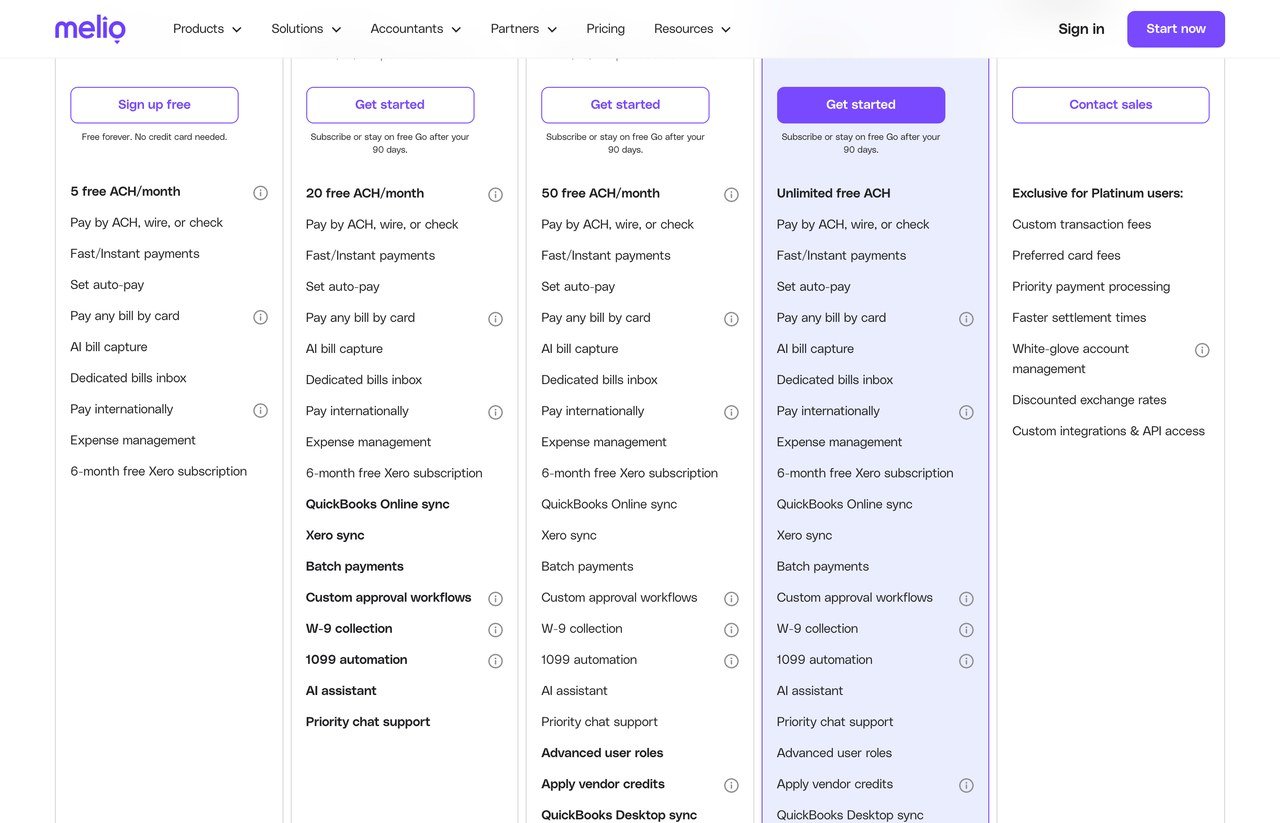
Go plan $0 a month with five free ACH payments, then 50c each. Core $25, Boost $55, Unlimited $80. Paying a bill by card costs 2.9%. New accounts get 90 days of unlimited free ACH.
Melio is on this list because a large share of what small businesses push through PayPal is not sales at all, it is paying other people. Melio moves that to bank transfer at no percentage fee, and will post a paper check to a supplier who does not take cards, which PayPal does not do.
It is accounts payable software, not a checkout, so it replaces only half of what PayPal does. The free tier is also tighter than the marketing suggests: five ACH payments a month, one user, and the 90 day unlimited window reverts to the Go plan afterwards.
8. Shopify Payments: Stores already on Shopify
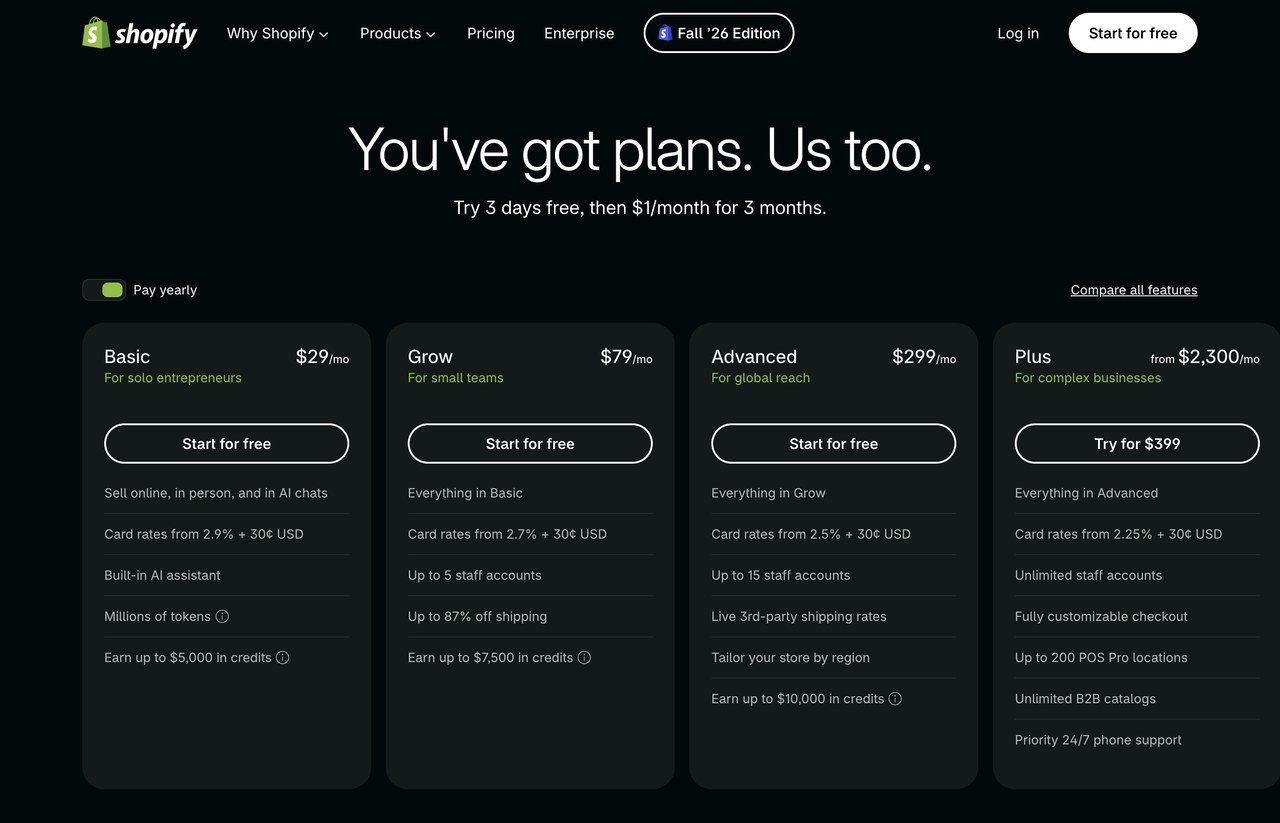
Card rates from 2.9% + 30c on Basic at $29 a month, 2.7% on Grow at $79, 2.5% on Advanced at $299 and 2.25% on Plus from $2,300. Requires a Shopify plan.
For anyone already paying for Shopify this is the cheapest route by a wide margin, because the alternative is worse than a like-for-like comparison suggests. Shopify charges an extra 2% on Basic, 1% on Grow, 0.6% on Advanced and 0.2% on Plus when you run a third-party gateway, and that surcharge sits on top of whatever the gateway itself charges.
That is the trap worth naming: running PayPal inside a Shopify store on the Basic plan means paying PayPal’s rate and then another 2% to Shopify. Shopify’s card rates are floor rates rather than guaranteed ones, and international cards start at 3.5% plus 30 cents with another 1% where conversion applies. Our guide to payment processors for small business works through the same maths for non-Shopify stores.
9. Adyen: High volume, one integration
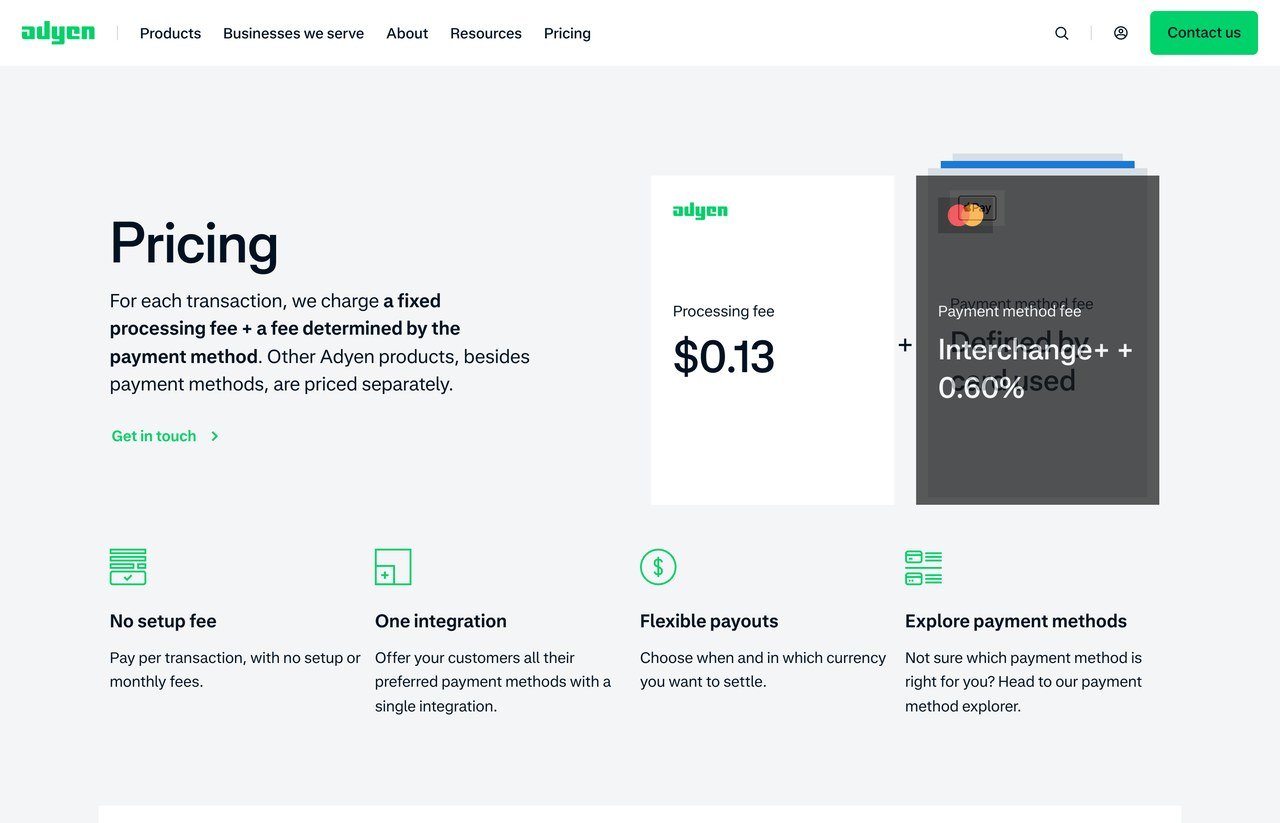
13 cents per transaction plus interchange++ plus 0.60% on cards. No setup, monthly or closure fee. A minimum monthly invoice applies and is not published.
Adyen is what large merchants move to when a flat percentage stops making sense. Interchange++ passes both the interchange and the scheme fees through at cost and shows the processor’s own margin separately, so at scale the effective rate lands well under any 2.9% flat deal, and one integration covers online, in person and local payment methods.
It is not built for a small seller. There is a minimum monthly invoice that varies by industry and is quoted only by the sales team, the quoted fees are indicative rather than final, and getting set up means a conversation rather than a signup form.
10. Wave: Free invoicing for freelancers
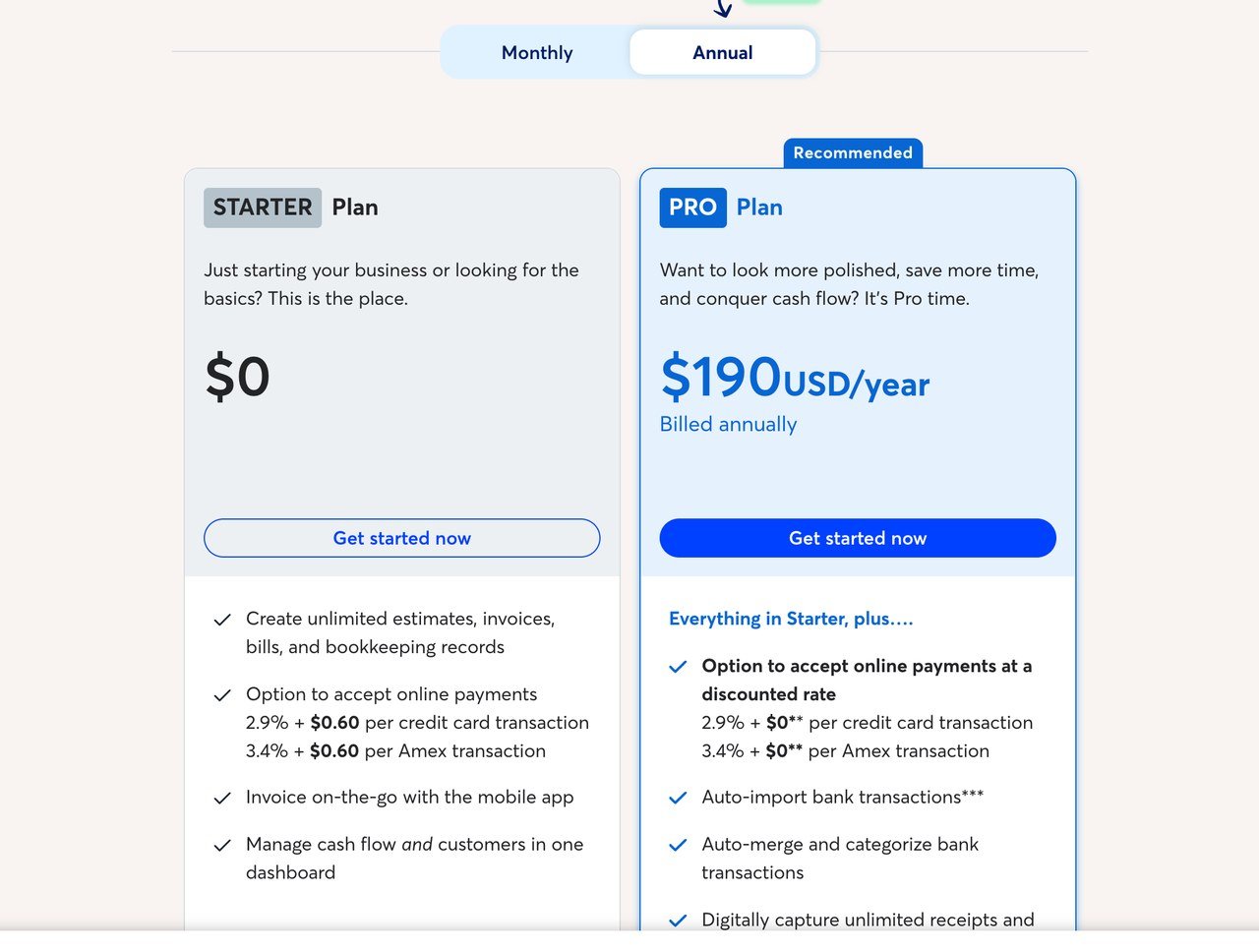
Starter plan $0 a month. 2.9% + 60c per card transaction, 3.4% + 60c for American Express, and 1% for bank payments with a $1 minimum. Pro at $190 a year drops the fixed card fee.
Wave is the closest thing here to a straight swap for PayPal invoicing on a freelance income. Unlimited invoices, estimates and bookkeeping cost nothing on the Starter plan, and you pay only when a client actually pays a card. The bank payment option at 1% with a $1 minimum is the cheapest way on this list to collect a four-figure invoice.
The card rate is the weak point. At 2.9% plus 60 cents Wave’s fixed fee is double Stripe’s, which costs more on small invoices and less on nothing. The Pro plan removes that fixed fee, so at $190 a year it pays for itself at about 320 card-paid invoices, or roughly 26 a month. For the wider category see our roundup of the best invoice apps.
Low Fees and Low Cost Are Not the Same Thing
The ten split cleanly into three jobs, and mixing them up is the usual mistake. Stripe, Square, Helcim, Shopify Payments and Adyen take card payments. Wise, Payoneer and Revolut move money across borders. Melio and Wave handle the paperwork either side of a payment.
Nobody has to choose one. A freelancer billing US clients and one agency in Berlin is best served by Wave for the invoices and Wise for the euro payments, and neither replaces the other. PayPal’s appeal was always that it did all three adequately, and the saving from leaving comes from being willing to run two tools instead of one.
- Card payments, no monthly fee: Stripe at 2.9% + 30c, or Helcim if your volume is high enough for interchange-plus to bite
- Card payments at a counter: Square at 2.6% + 15c with nothing to pay monthly
- Foreign currency: Wise for invoices, Revolut Business for holding balances, Payoneer for marketplace payouts
- Money going out: Melio, where bank transfers carry no percentage at all
- Invoicing on a freelance income: Wave, free until a client pays by card
What the Headline Rate Leaves Out
A percentage is the smallest part of the decision for most businesses. Hardware is a real cost at Square and Helcim, where a terminal runs $349 and a reader $199. Payout timing is worth checking too, because a local receipt into Wise usually lands in minutes or up to one working day while a Swift transfer takes one to five. Both change the maths more than a tenth of a point on the rate does.
Penalties differ more sharply still. Helcim charges nothing for a chargeback you win, Stripe charges $15 either way, and PayPal charges $15 for a dispute or $20 for a card chargeback. Two of the formulas above also move on their own: Helcim’s interchange resets roughly twice a year, and Adyen quotes an indicative rate with a minimum monthly invoice that varies by industry.
How to Choose a PayPal Alternative
Work out which number actually applies to you before comparing anything. Add up last year’s payments, split them into domestic card, foreign currency and supplier payments, and apply each provider’s rate to the real split. A business taking $200,000 a year in domestic cards saves about $1,180 a year moving from PayPal Checkout to Stripe, and nothing at all from a better exchange rate.
Then check the three things that are easy to miss. A monthly fee only makes sense above the volume where it pays for itself, which is roughly $12,000 a month of online sales for Square Plus. A tier you will not grow into is money gone every month. And the cheapest rail is rarely the default one, so check whether bank payments are offered before assuming the card rate is what you will pay.
One point applies to all ten. Leaving PayPal entirely is rarely the right move for a consumer-facing store, because some buyers will only check out with a PayPal balance. Running a cheaper processor as the default and keeping PayPal as a second button is usually cheaper than either option alone.
Frequently Asked Questions
Which PayPal alternative has the lowest fees?
For domestic card payments, Helcim, because interchange-plus pricing puts its effective rate at 2.31% plus 25 cents online and 1.79% plus 8 cents in person, below every flat rate here. For foreign currency, Wise, where conversion starts at 0.23% against PayPal’s 3% to 4% spread. For paying suppliers, Melio, where bank transfers carry no percentage fee at all.
Is Stripe cheaper than PayPal?
Yes, on standard online card payments in the US. Stripe charges 2.9% plus 30 cents against PayPal Checkout’s 3.49% plus 49 cents, a saving of about $6 on every $1,000. Both charge $15 for a dispute. Stripe is cheaper still on bank payments, where ACH Direct Debit costs 0.8% capped at $5.
Can I accept card payments without a monthly fee?
Yes. Stripe, Square, Helcim, Adyen and Wave all charge nothing to hold an account and take a cut only when a payment goes through. Square and Shopify sell paid tiers that lower the percentage, but those only save money above a fairly high volume, so the free tier is the right starting point for most businesses.
What is the best PayPal alternative for freelancers?
Wave if clients are domestic, because invoicing is free and bank payments cost 1% with a $1 minimum. Wise or Payoneer if clients are abroad, because the exchange rate is where the money actually goes. Payoneer suits anyone paid through marketplaces, since receiving in a currency you already hold costs nothing.
Related Articles

Get the Fox Bulletin briefing
The stories that matter, in your inbox. No spam, unsubscribe anytime.
Newsletter signup will be available soon.
Related stories

Bitcoin Price Prediction: BTC Tests $62,000 After 50% Fall
Bitcoin trades near $63,200, half its record high. The levels on both sides, the ETF selling and the case some analysts make for a bottom.

Ethereum Price Prediction: ETH Tests $1,700 Before $2,000
Ether trades near $1,770 after a 26% month. The levels, the ETF outflows and what a move back to $2,000 would take.

Business Name Ideas: 7 Naming Styles With Real Origins
Business name ideas in seven naming styles, each with a real brand origin and eight or more original examples, plus how to check a name with the USPTO.