

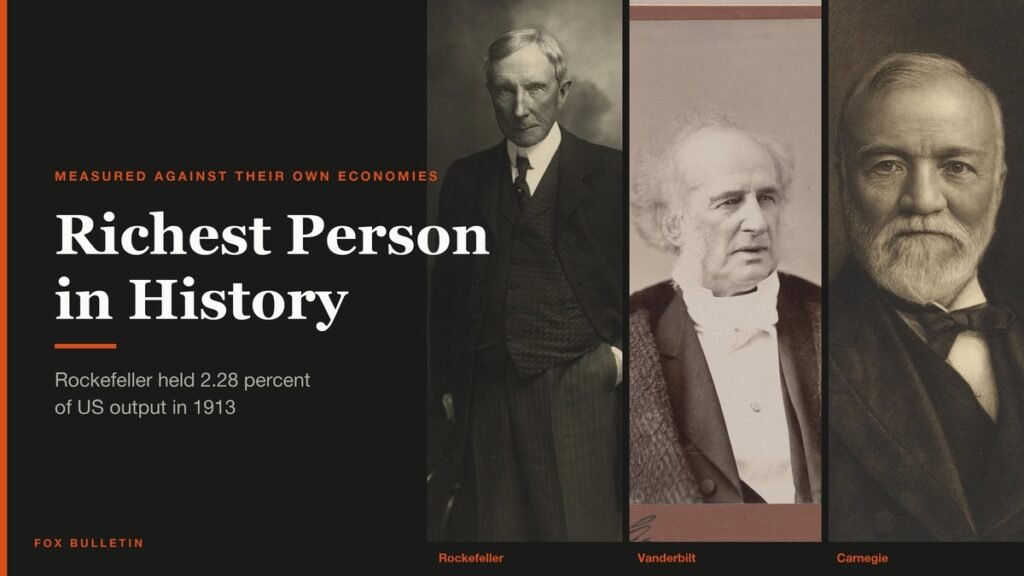
No one can be proven the richest person in history, because only some fortunes leave records that can be measured. Of those that can, John D. Rockefeller’s $900 million in 1913 was the largest, at 2.28 percent of US GDP, and in October 2026 only Elon Musk exceeds that share.
The name usually offered, Mansa Musa, has no figure at all. Historian Rudolph Butch Ware told the BBC in 2019 that accounts of his wealth are so breathless it is almost impossible to judge it, and the $400 billion number that circulates comes from one 2012 estimate with no archive behind it. Ten fortunes follow, ranked by the evidence.
Richest Person in History: What Records Can and Cannot Show
The richest person in history cannot be named with certainty. The best-documented fortune is Rockefeller’s, at 2.28 percent of US GDP in 1913. Today’s largest fortune, about 3 percent of US GDP in October 2026, is larger by that measure, but emperors and kings have no private accounts to compare.
The ranking puts a court record, a probate value or a ledger above a state treasury, and a treasury above a single gold-price entry. It is general information, not financial advice.
Ten Fortunes Side by Side: Era, Source of Wealth and Basis of the Figure
| # | Person | Lived | What the fortune was made of | Basis for any modern figure |
|---|---|---|---|---|
| 1 | John D. Rockefeller | 1839 to 1937 | Standard Oil stock | $900 million in 1913; 2.28% of US GDP; court record and GDP series |
| 2 | Mir Osman Ali Khan | 1886 to 1967 | Golconda diamonds, a private treasury and a mint | Estimates near 2% of US GDP; no audited valuation |
| 3 | Cornelius Vanderbilt | 1794 to 1877 | Steamships and railroads | $105 million estate in 1877; 1.21% of US GDP |
| 4 | Andrew Carnegie | 1835 to 1919 | Carnegie Steel | $225.64 million share of the 1901 sale; 0.98% of US GDP |
| 5 | Jakob Fugger | 1459 to 1525 | Copper, silver and loans to the Habsburgs | 809,825 guilders in the 1527 inventory; no GDP share |
| 6 | Augustus | 63 BCE to 14 CE | War spoils, family patrimony and legacies | His own accounts in sesterces; no modern figure |
| 7 | Akbar | 1542 to 1605 | Land revenue of the Mughal state | About 99 million rupees of state revenue c. 1595; no personal figure |
| 8 | Emperor Shenzong | 1048 to 1085 | Song taxes, monopolies and coinage | Mint output only; no personal figure exists |
| 9 | William the Conqueror | c. 1028 to 1087 | Crown land across England | Domesday records values by manor; no modern figure |
| 10 | Mansa Musa | c. 1280 to 1337 | Gold from Mali’s mines and trade | No credible figure; one Cairo gold-price record |
Where the last column says no figure, no document supports one. Dollar amounts are nominal, in the money of the year named.
The 10 Richest People in History, Ranked by the Evidence
1. John D. Rockefeller: The Best-Documented Fortune
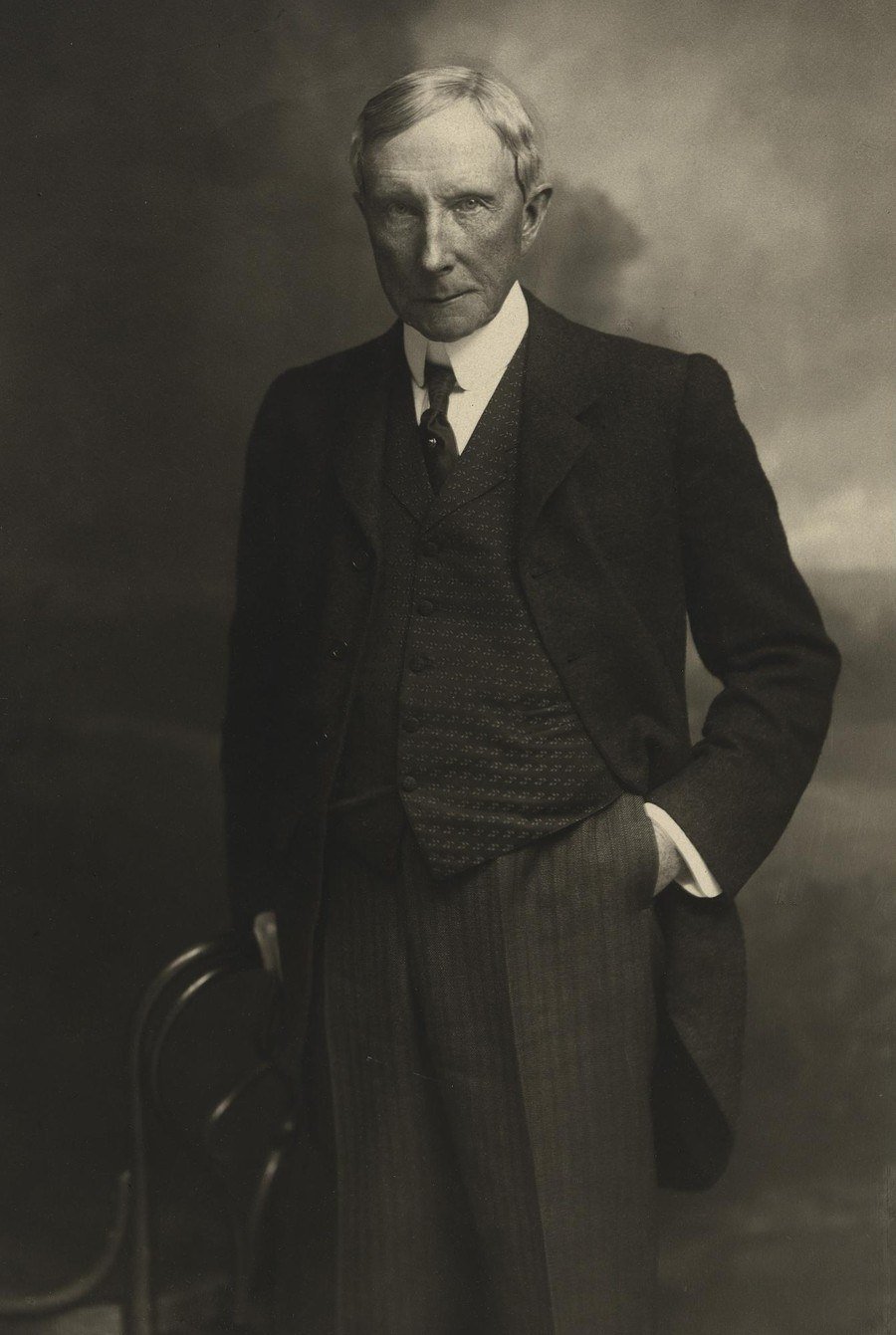
Lived 1839 to 1937 | Peak: $900 million in 1913 | 2.28 percent of US GDP ($39,517 million)
Rockefeller’s wealth was Standard Oil stock. In Standard Oil Co. of New Jersey v. United States (221 U.S. 1) the decree barred the parent from voting the stock of thirty-seven subsidiaries, and the Supreme Court broke the trust apart in 1911.
He kept his shares, and the successor companies’ net worth rose fivefold in the decade after, leaving a fortune estimated at $900 million for 1913. It is the best-documented fortune here.
2. Mir Osman Ali Khan: Diamonds Nobody Could Audit
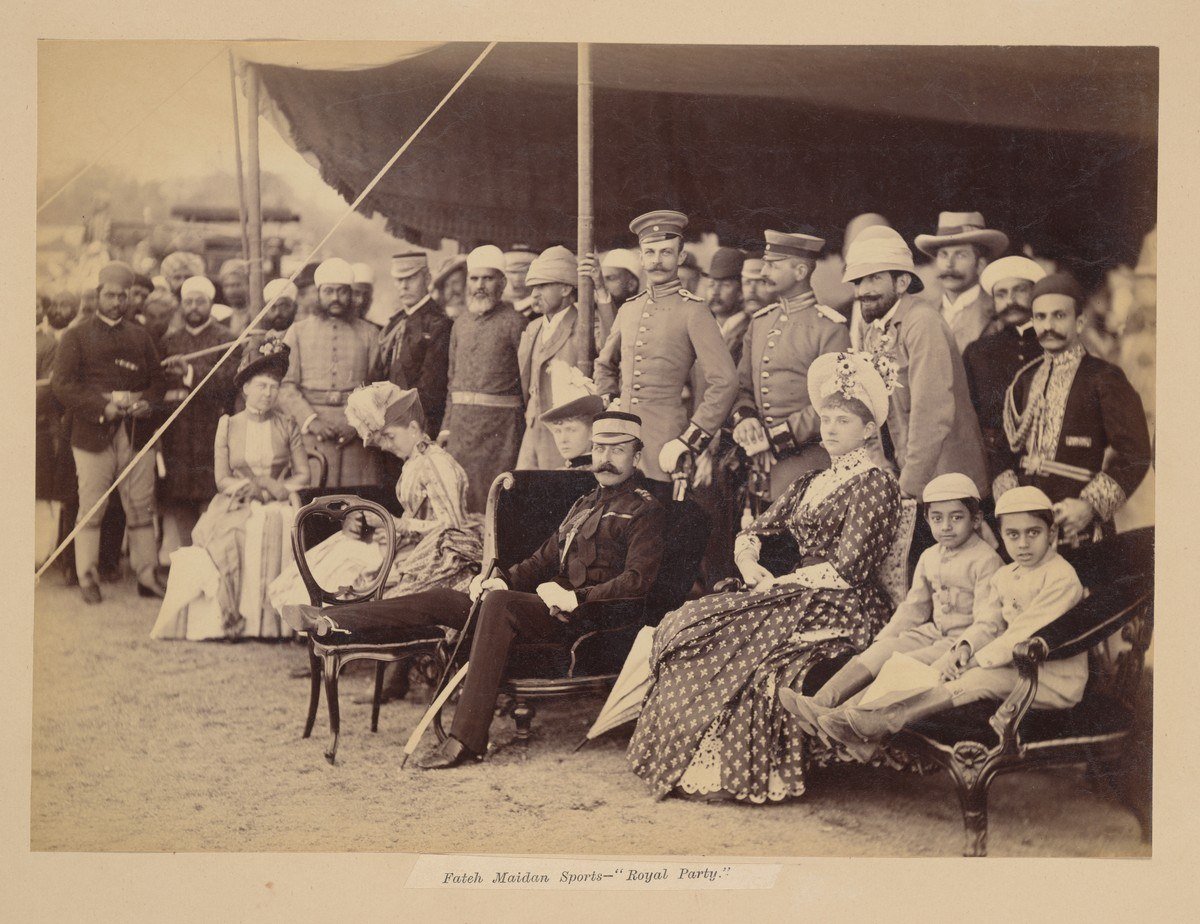
Lived 1886 to 1967 | Ruled Hyderabad 1911 to 1948 | Estimates near 2 percent of US GDP, never audited
The last Nizam held a private treasury, a mint and the Golconda diamond mines. Time put him on its 22 February 1937 cover, and he was reputed to be the wealthiest man alive, though no audit of the treasury was ever published.
One transaction is documented: in 1995 India bought the Nizams’ jewels from the family trust for 218 crore rupees, about $70 million. Everything above that is estimate.
3. Cornelius Vanderbilt: The Probate Number
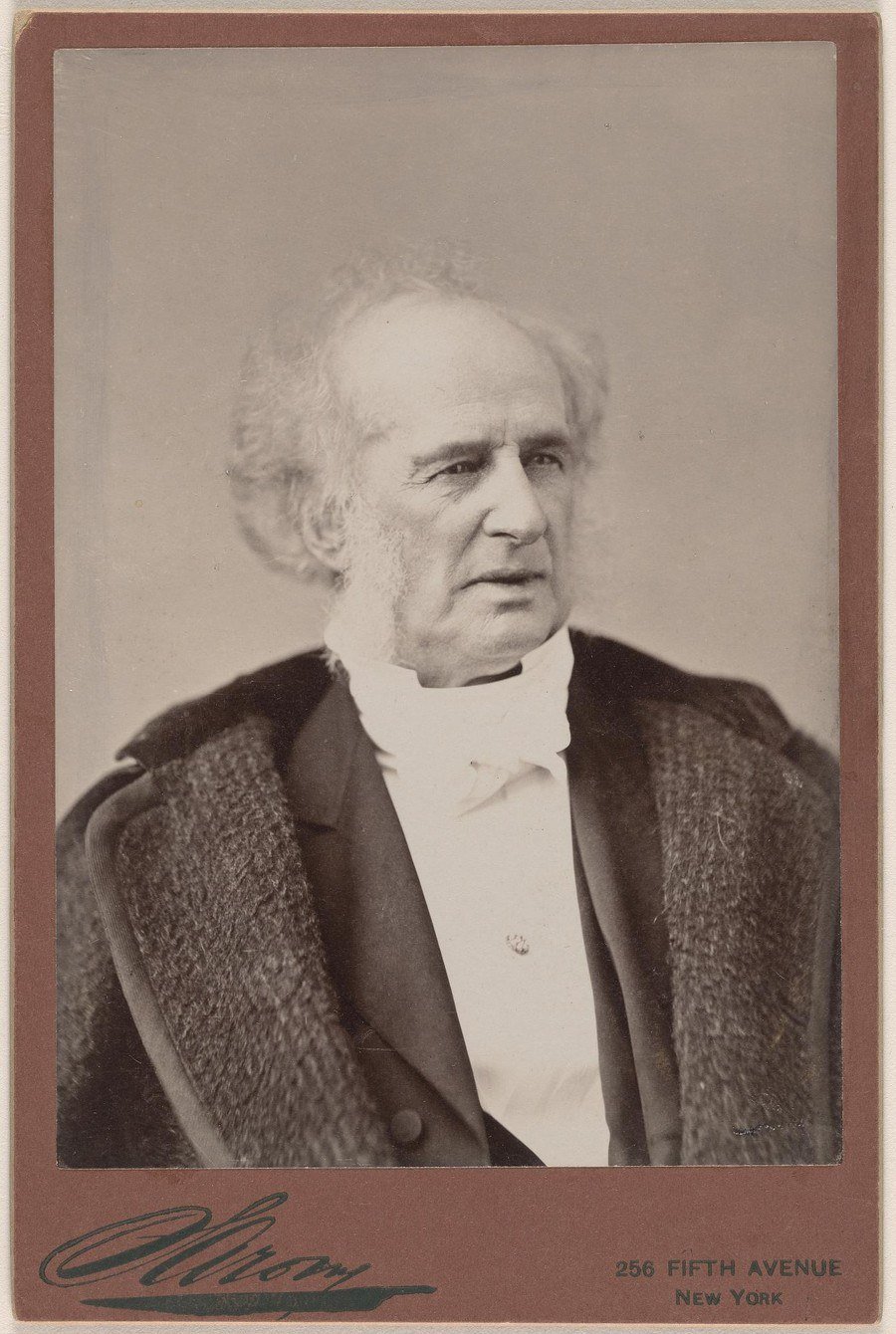
Lived 1794 to 1877 | Estate: about $105 million | 1.21 percent of US GDP ($8,700 million in 1877)
Vanderbilt built steamship lines and railroads and died on 4 January 1877 with an estimated $105 million. His will sent 95 percent to his son William and four grandsons.
In 2025 prices that is about $3.3 billion. His 1.21 percent share is close to the 1.19 percent Jeff Bezos holds today.
4. Andrew Carnegie: Paid in Gold Bonds
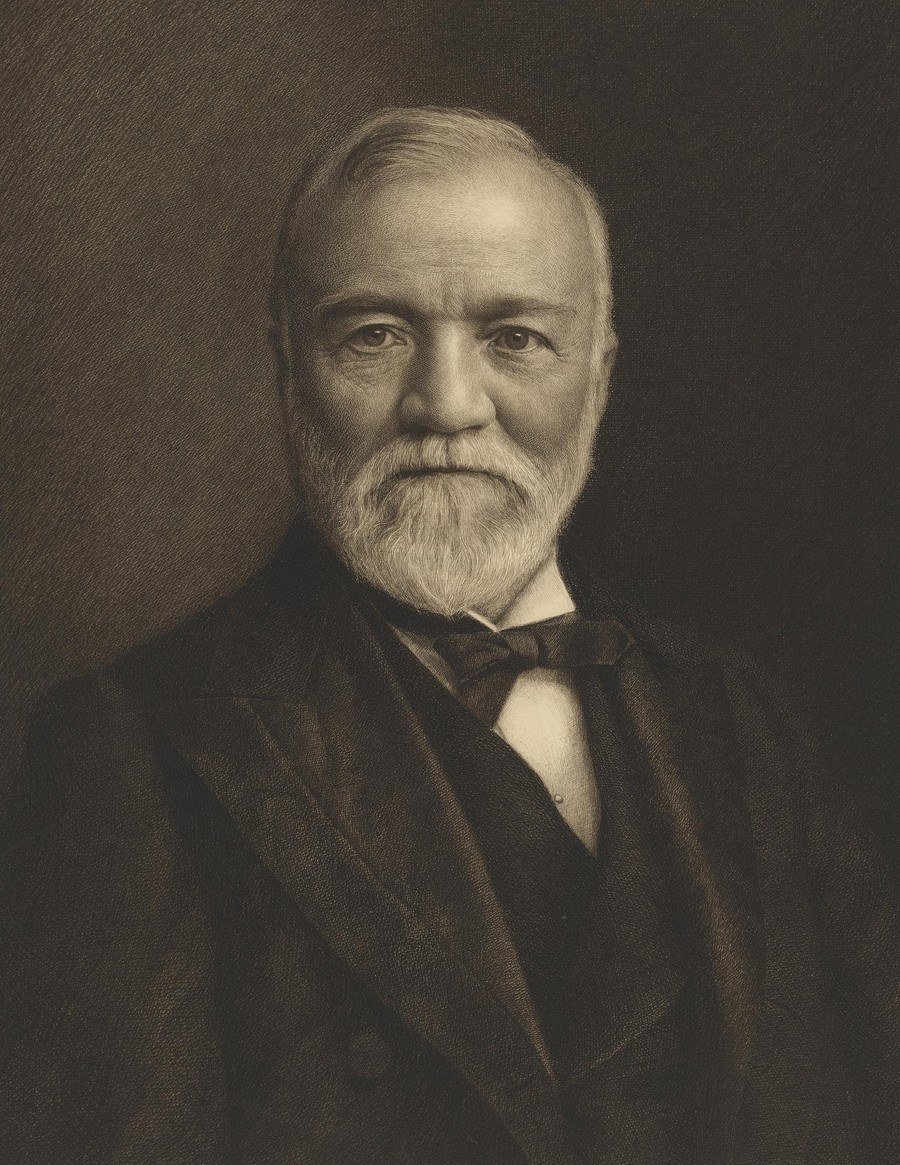
Lived 1835 to 1919 | 1901 sale: his share $225.64 million | 0.98 percent of US GDP ($22,931 million)
J. P. Morgan bought Carnegie Steel in 1901 for $303,450,000, and Carnegie’s share of $225.64 million came in 5 percent, 50-year gold bonds.
He gave most of it away. By 1911 he had given more than $43 million for libraries and close to $110 million for other purposes, the foundation he established that year records.
5. Jakob Fugger: A Merchant’s Ledger, Not a Rich List
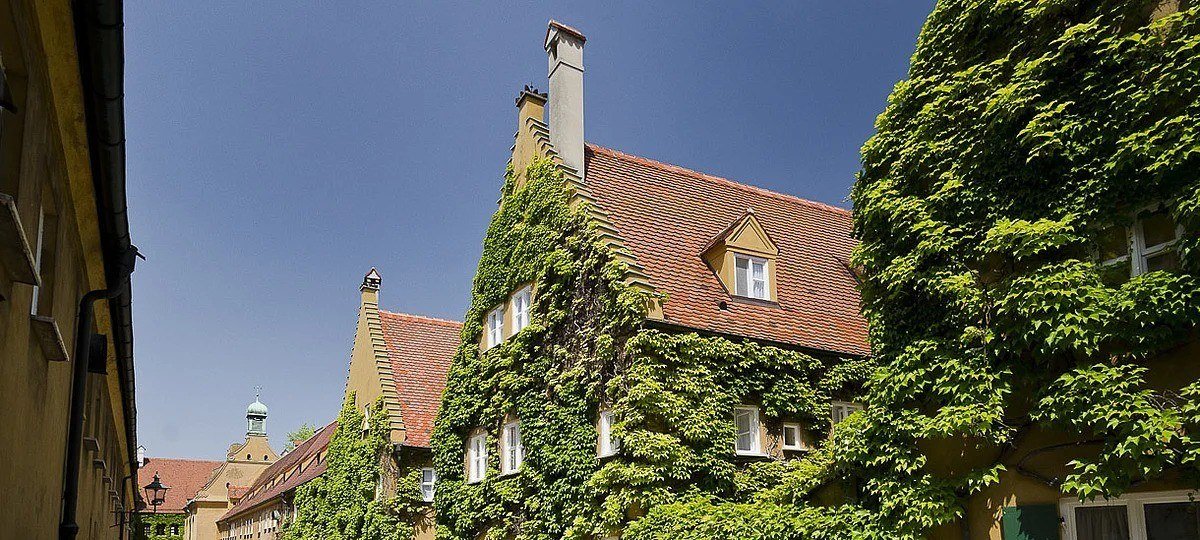
Lived 1459 to 1525 | 1527 inventory: Jakob’s share 809,825 guilders | GDP share: no accepted figure
Fugger controlled copper and silver in Tyrol, Carinthia and Upper Hungary and lent to the Habsburgs. The Fugger family’s official history says he supplied about two thirds of the money used to win the electors’ votes for Charles V in 1519.
The inventory finished two years after his 1525 death put the firm’s surplus near two million guilders, with 809,825 as Jakob’s share. His biographer Greg Steinmetz estimates 2 percent of European GDP; the ledgers state no share.
6. Augustus: His Own Accounts in Sesterces
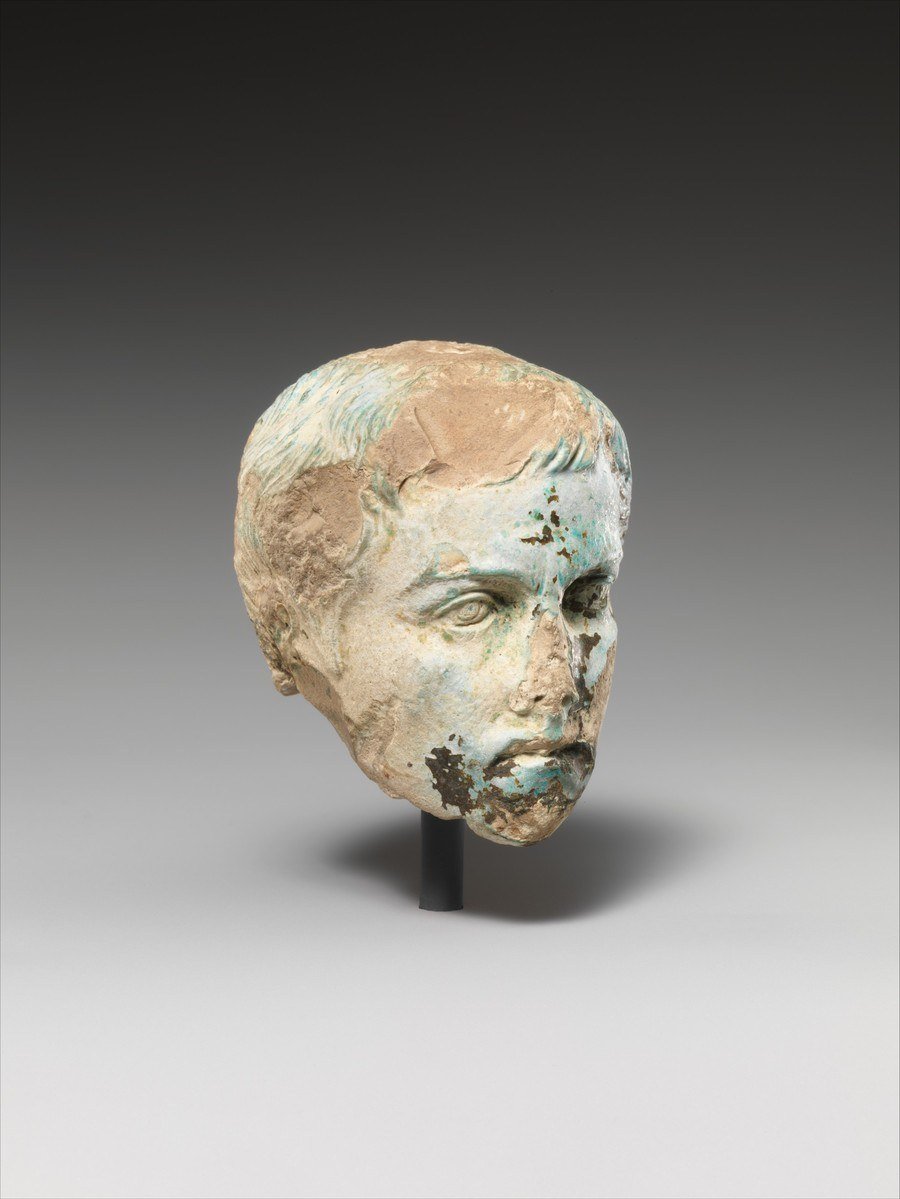
Lived 63 BCE to 14 CE | Own record: HS 860 million for soldiers’ land | No modern figure
The Res Gestae records about HS 600 million for Italian estates and HS 260 million for provincial fields to settle veterans, plus HS 400 million in cash rewards.
Suetonius says he received HS 1,400 million in legacies in his last twenty years and spent nearly all on the state. Scheidel and Friesen put second-century Roman GDP near HS 20 billion a year, so the land payments equal 4.3 percent of one year, a scale marker, not a wealth share.
7. Akbar: A Treasury, Not a Net Worth
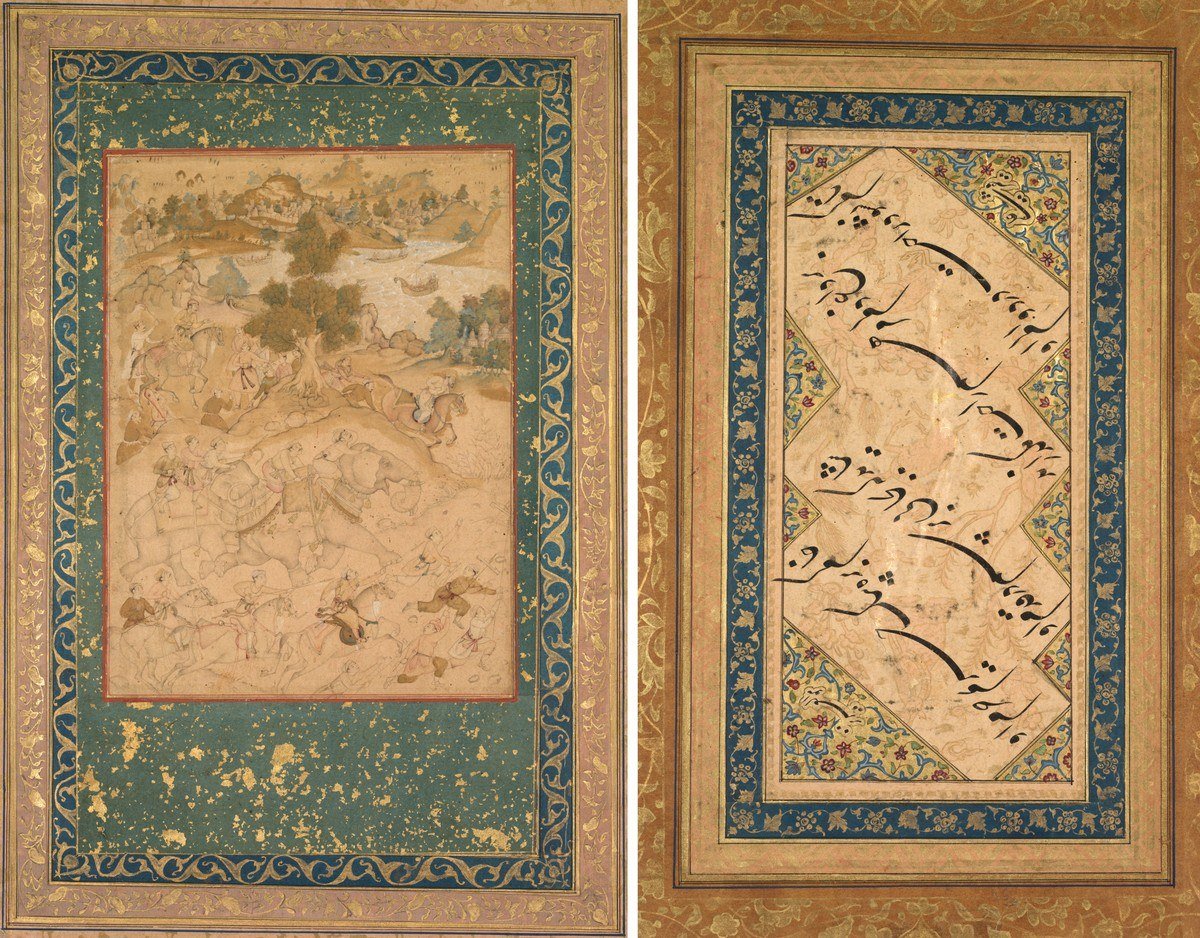
Lived 1542 to 1605 | State revenue c. 1595: about 99 million rupees | Personal fortune: no figure
Akbar’s revenue system, built with Raja Todar Mal and set out in the Ain-i-Akbari, taxed land by measured area and crop. Historians put annual revenue around 1595 at about 99,000,000 rupees.
That is a state budget. Gujarat alone yielded more than five million rupees a year after expenses once conquered in 1573. No record separates what Akbar owned from what the empire collected.
8. Emperor Shenzong: The Mint of the Song
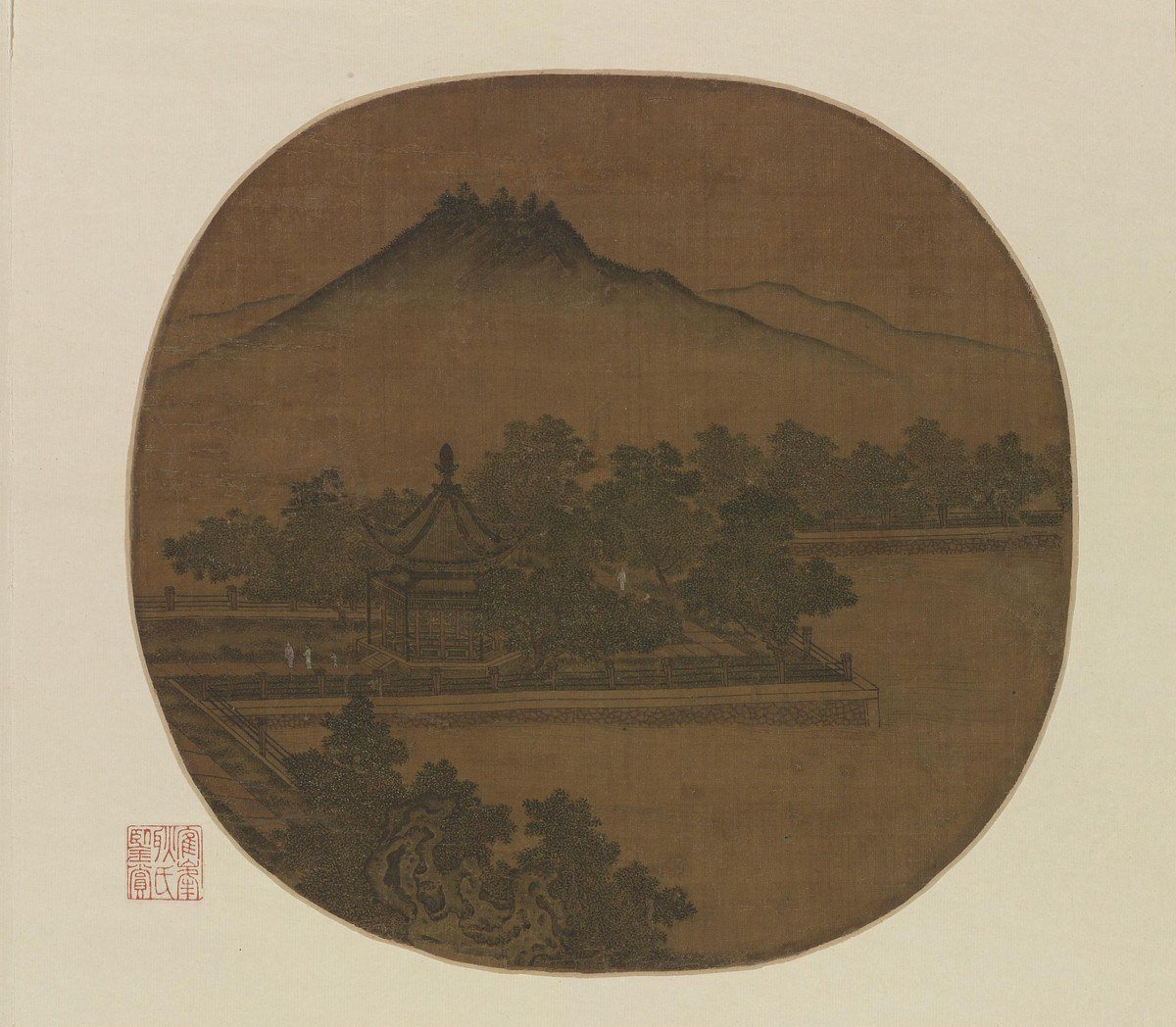
Lived 1048 to 1085 | Coin minted in 1080: 5.06 million guan | Personal fortune: no figure
Under Shenzong the Song mint reached 5.06 million guan of copper cash in 1080, over six times the 800,000 at the dynasty’s start, and averaged 4.5 million a year from 1074 to 1085.
Commercial and industrial taxes gave two thirds of revenue, the farm tax a third. The accounts do not split the emperor’s purse from the state’s, so no personal total can be built.
9. William the Conqueror: Domesday and the Crown Lands
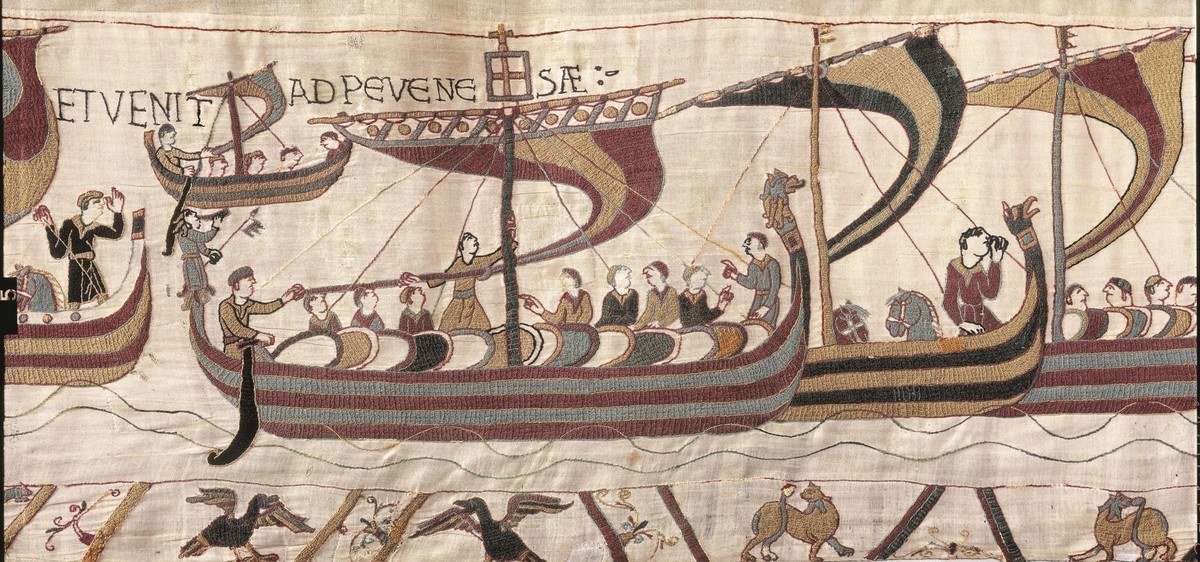
Lived c. 1028 to 1087 | Domesday: 2,360 places held by the king | Modern figure: none credible
William was crowned on Christmas Day 1066 and launched the Domesday survey after his Christmas 1085 council. The National Archives in Kew holds the result.
The Open Domesday database links King William to 2,360 places, valued in pounds a year manor by manor. England kept no national accounts, so there is no GDP to divide by.
10. Mansa Musa: The Fortune Nobody Can Price
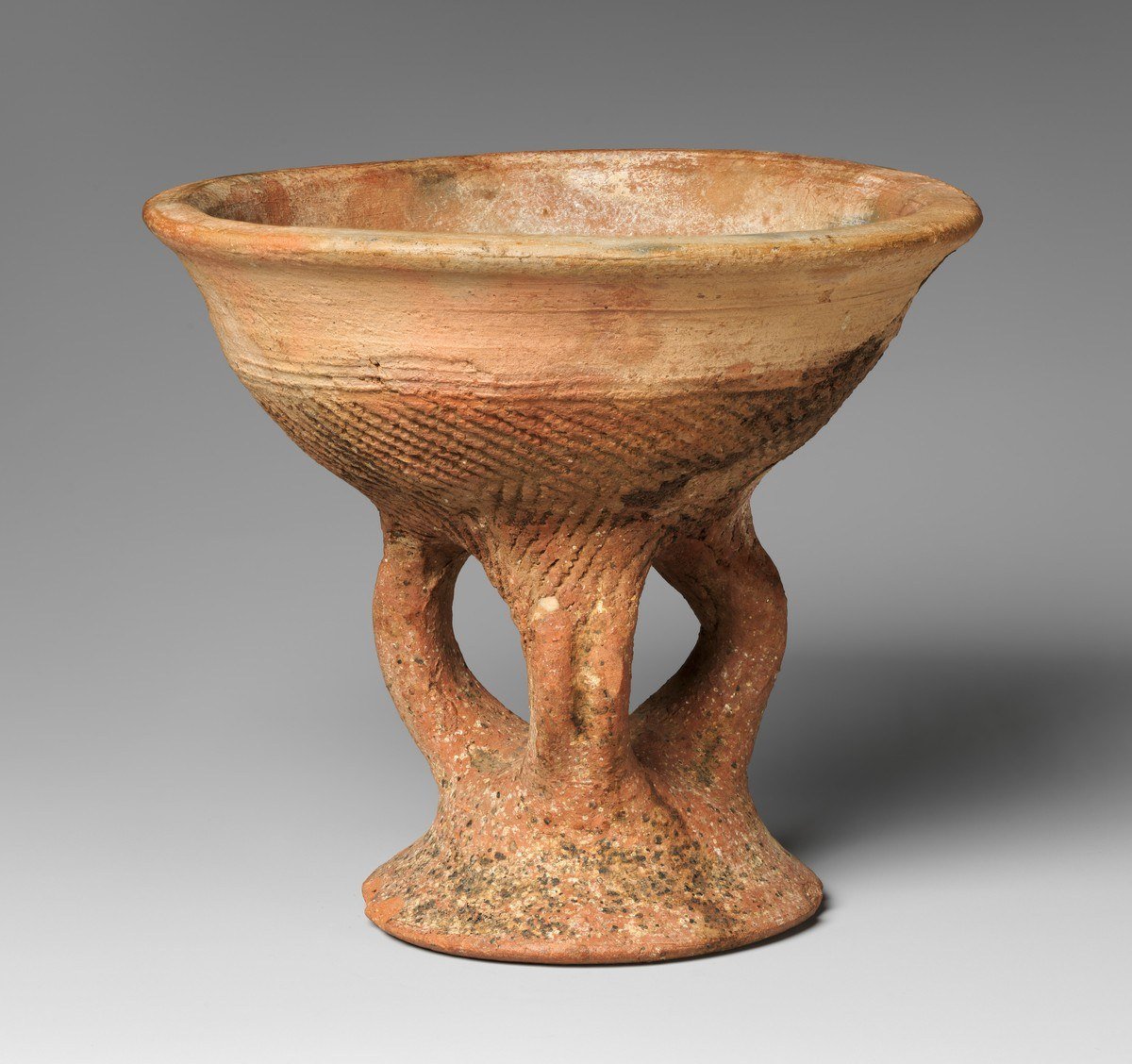
Lived c. 1280 to 1337 | Pilgrimage 1324 to 1325 | Evidence: Cairo gold fell from 25 dirhams or more to 22
Al-Umari, writing about twelve years after the pilgrimage, recorded that the mithqal of gold never fell below 25 dirhams in Cairo before the visit and did not exceed 22 afterward, a drop of at least 12 percent.
The fall lasted about twelve years. It shows a king who could move a city’s gold market, but it gives no total for his holdings, so the evidence rules out a rank.
Rockefeller’s 2.28 Percent Against Today’s Largest Fortunes
Rockefeller’s share is $900 million divided by 1913 nominal GDP of $39,517 million, or 2.28 percent, using the MeasuringWorth GDP series. For today, the IMF’s October 2026 outlook puts 2025 US GDP at $30,861 billion.
As of 24 October 2026, Forbes’s real-time ranking read as follows, each divided by $30,861 billion:
- Elon Musk: $923 billion, 2.99 percent, about 76 percent of it SpaceX shares and 16 percent Tesla shares
- Jeff Bezos: $368 billion, 1.19 percent
- Larry Page: $264 billion, 0.85 percent
- Sergey Brin: $243 billion, 0.79 percent
- Michael Dell: $237 billion, 0.77 percent
Against the IMF’s 2026 projection of $32,642 billion, Musk’s share falls to 2.83 percent, still above Rockefeller. Share prices move daily. For the live ranking, see our guide to the richest people in the world.
Why Wealth Across Centuries Cannot Be Converted Cleanly
Two honest methods give very different answers. On the consumer price index in the MeasuringWorth series, prices rose 33.5-fold from 1913 to 2025, so Rockefeller’s $900 million becomes about $30 billion. Applying his 2.28 percent share to today’s GDP gives $703 billion, because US nominal GDP grew 781-fold.
The first method asks what the money could buy and ignores that the economy grew. The second ignores that a share of output is not a pile of cash. By the price route Vanderbilt is $3.3 billion and Carnegie $8.8 billion.
Older currencies resist both. Sesterces, guilders and Mali gold meet no common index. One visitor moved the price of gold in Cairo in the 1320s, and the Fuggerei still charges 88 cents a year in rent.
Emperors Versus Industrialists: Two Kinds of Fortune
A private fortune can be sold, spent and left by will, as Vanderbilt’s 95 percent was. A ruler’s treasury paid armies and officials: Akbar’s 99 million rupees and the Song mint’s 5.06 million guan were public revenue, so those rulers cannot be set beside Rockefeller.
Augustus is the partial exception, since the Res Gestae lists what he paid from his own patrimony. For wealth per head see the richest country in the world. For what the rich did with money, see the largest charitable donations in history.
Who Tops the List Under Each Method
- Largest documented private fortune of the past: Rockefeller, 2.28 percent of US GDP in 1913
- Largest today by the same measure: Musk, 2.99 percent of 2025 US GDP
- Largest in dollars at the time: Rockefeller, ahead of Carnegie’s $225.64 million and Vanderbilt’s $105 million
- Largest documented personal outlay: Augustus, HS 860 million on veterans’ land
- Largest by reputation: the Nizam of Hyderabad, on the 1937 Time cover
- No method supports a rank for: Mansa Musa
Frequently Asked Questions
Who is the richest person in history?
No one can be proven. The best-documented historical fortune is Rockefeller’s, 2.28 percent of US GDP in 1913. Elon Musk’s $923 billion in October 2026 is about 3 percent of 2025 US GDP.
Was Mansa Musa the richest person ever?
No historian has published a figure for his wealth. The record is one account of gold falling in Cairo after his 1324 to 1325 pilgrimage, which shows scale but not a total.
How much was Rockefeller worth in present-day money?
About $30 billion if $900 million in 1913 is raised by consumer prices, or $703 billion if his 2.28 percent share is applied to 2025 GDP. The gap shows why conversions disagree.
Who was the richest man in history before 1900?
Vanderbilt, on the documented record: an estimated $105 million at his death in 1877, 1.21 percent of US GDP. Fugger’s share of his firm was 809,825 guilders in 1527, with no GDP to compare it with.
Related Articles

Get the Fox Bulletin briefing
The stories that matter, in your inbox. No spam, unsubscribe anytime.
Newsletter signup will be available soon.
Related stories

Richest Family in the World: Top 10 Dynasties Ranked
The 10 richest families from Bloomberg's December 2025 ranking, from the Waltons to the Thomsons, with the company or state behind each fortune, the stake held, the generation in control and how the money divides among heirs.
Richest Man in India: Top 10 Ranked From Adani to Mehta
The ten richest Indians on the 2026 Hurun ranking, from Gautam Adani to Samir Mehta, with the listed company, the promoter holding and the Forbes India dollar figure for each.

Jeff Bezos Net Worth: Every Asset Behind the Number
Jeff Bezos net worth in October 2026, split into Amazon shares, Blue Origin, The Washington Post and the rest, with the SEC filings behind each stake, the 2019 divorce proxy and his giving.